It was a morning like any other, until I found myself staring nervously into the mirror, noticing my smile had lost some of its sparkle over the years. A small chip here, a stubborn stain there—nothing dramatic, but enough to dampen my confidence during family photos or important meetings. I remember thinking, “There has to be a better way” — especially when I sat in my dentist’s chair and watched as they prepared to place traditional porcelain veneers. That moment of uncertainty sparked my quest to find the most effective, durable, and natural-looking solution available today.
Facing the Smile Dilemma: Why Change Matters Now
In today’s world, our smiles often communicate more than words ever could. Yet, many of us hesitate to pursue cosmetic upgrades because of fears about longevity, damage, or the procedures’ invasiveness. I understand that hesitation—I’ve been there myself. But what if I told you that the latest advancements, like 2026 liquid veneers, are changing the game? They offer a promising alternative that outperforms the traditional porcelain options in several key areas. Plus, understanding these new options can help you make an informed decision about your smile’s future.
Is the Buzz About Liquid Veneers Too Good to Be True?
Early in my dental journey, I made the mistake of dismissing newer treatments as mere hype. I was skeptical about claims that innovations could beat the tried-and-true porcelain veneers—until I learned about their remarkable benefits firsthand. This cautious approach helped me avoid costly regrets and shaped my advice for others considering cosmetic enhancements. If you’ve ever wondered whether these new veneer options are genuinely worth the hype, stay tuned. The facts might surprise you—more on that soon.
In the upcoming sections, I’ll share practical insights based on my experience and the latest research, helping you navigate your options with confidence. For now, consider whether your current smile bothers you enough to explore modern solutions that might be less invasive and more durable than you thought possible. Remember, your smile is a vital part of your identity—and it’s worth investing in the best options available today.
Ready to discover how these innovations can transform your smile? Let’s dive into what makes 2026 liquid veneers stand out from the crowd.
,
Prepare Your Teeth for Better Results
Start with a thorough cleaning to remove plaque and tartar, ensuring your teeth are in optimal condition—this sets the stage for any cosmetic procedure. I recall my first deep cleaning where I dreaded the discomfort, but understanding the process made me relax. Use a fluoride rinse afterward to strengthen enamel, reducing sensitivity and preparing teeth for bonding or veneers.
Identify the Right Cosmetic Options
Assess your smile concerns—stains, chips, gaps—and consult with a cosmetic dentist to explore options like nano-bonding, veneers, or whitening. During my consultation, I brought photos of smiles I admired; this helped my dentist recommend the best fit, ensuring natural-looking results. Remember, each method involves specific steps tailored to your needs.
Apply Nano-Bonding with Precision
Nano-bonding involves layering ultra-thin resin, which is shaped directly onto your tooth. Prepare the tooth surface by cleaning and roughening it slightly with an etchant, similar to how sandpaper roughens a surface for better adhesion. Use a curing light to harden the resin layer—think of it as fast-setting glue. In my case, I watched a quick tutorial to learn how to shape the resin effectively, resulting in a seamless, natural finish.
Place and Polish Veneers Correctly
Veneers require minimal tooth reduction—about 0.3mm—equivalent to a phone screen protector. Your dentist will gently reshape your teeth, then create a mold for custom porcelain or nano-ceramic veneers. During placement, the veneers are temporarily held with a bonding cement, allowing fine adjustments before final curing with a light. I once watched my dentist adjust the veneer edges repeatedly, highlighting the importance of meticulous fitting for durability and aesthetics.
Maintain Oral Hygiene Post-Procedure
After applying cosmetic restorations, rigorous maintenance ensures longevity. Brush twice daily with a non-abrasive fluoride toothpaste, focusing on gentle, circular motions. Floss daily to prevent plaque buildup around the margins. I learned that using interdental brushes helps clean hard-to-reach areas, preventing decay that could compromise my new smile.
Schedule Regular Check-Ups
Visit your dentist every six months for professional cleanings and evaluations. During these visits, ask about advanced techniques like teeth cleaning secrets that enhance whitening and restore oral health. Consistent check-ups catch issues early, extending the life of your cosmetic work and maintaining the health of your natural teeth.
 Many people assume that maintaining oral health is as simple as brushing twice daily and visiting the dentist regularly, but this oversimplification masks several nuanced truths. For instance, a widespread myth is that all teeth whitening methods are equally effective and safe; however, recent research indicates that some over-the-counter products can damage enamel if not used correctly. Additionally, many believe that invasive procedures like crowns or implants are always the last resort, when in reality, advancements like bio-active implants are extending the lifespan and functionality of restorations significantly.
Another common mistake involves neglecting the importance of oral microbiome balance. Disrupting this delicate ecosystem through improper flossing techniques or harsh mouthwashes can lead to issues like gum recession or sensitivity, which many underestimate. As Dr. Lee from the American Academy of Cosmetic Dentistry points out, “Understanding the subtle interplay between oral bacteria and tissue health is vital for effective long-term care” (source: [Oral Health Myths Debunked](https://gentlesmiledentist.com/oral-health-myths-debunked-what-you-need-to-know-in-2025)).
To deepen your understanding, consider the advanced impact of biofilm removal and the dangers of over-aggressive brushing. Many assume that scrubbing plaque harder cleans better, but doing so damages enamel and gums over time. Techniques like ultrasonic and laser cleaning are proving to be safer and more effective, but they are often overlooked in routine care.
Furthermore, a critical nuance is the varying durability of cosmetic treatments. While porcelain veneers are popular, their longevity isn’t solely dependent on material quality but also on the preparation and bonding technique used. Advances like nano-bonding not only improve adhesion but also reduce prep time and preserve natural tooth structure. For those exploring cosmetic routes, understanding these intricacies can mean the difference between a smile that lasts and one that requires frequent touch-ups.
So, are you aware of all the factors that influence your family’s oral health? Misconceptions can often lead to ineffective or even harmful practices. Staying informed about these hidden nuances ensures you’re proactive rather than reactive in your dental care. Remember, a well-informed approach can save you money, discomfort, and time in the long run.
Have you ever fallen into this trap? Let me know in the comments. For comprehensive guidance tailored to your family’s needs, don’t hesitate to visit our [family dentistry](https://gentlesmiledentist.com/family-dentistry-building-a-foundation-of-healthy-smiles-for-all-ages) page or [schedule a consultation](https://gentlesmiledentist.com/contact-us) today.
Equip Yourself for Lasting Oral Health
Maintaining a radiant and healthy smile over the years hinges on the right tools and diligent practices. I personally swear by my ultrasonic scaler, a device that uses high-frequency vibrations to remove plaque and tartar more effectively than manual brushing alone. Unlike traditional tools, my ultrasonic scaler minimizes gum irritation and provides a thorough clean without requiring aggressive scraping. It has revolutionized my routine, ensuring my teeth stay free of calcified deposits that can lead to decay and periodontal issues.
Incorporating a smart electric toothbrush, such as the Oral-B Genius series, elevates daily cleaning. Its oscillating-rotating bristles, combined with pressure sensors, ensure I don’t overbrush, which can damage enamel and gums. The intelligent timer helps me brush for the recommended two minutes, improving overall efficacy. Such devices are not just tech toys; they are vital for consistent, precise cleaning, especially for busy families managing multiple oral health needs.
The Power of Digital Monitoring and Software
Beyond physical tools, I rely heavily on advanced dental apps and software for tracking oral health progress. My dentist’s digital platform allows me to review my brushing habits, schedule timely check-ups, and receive personalized advice based on my data trends. This integration makes it easier to recognize early signs of issues like enamel erosion or gum recession. As technology evolves, these digital solutions will become even smarter, potentially integrating AI to offer real-time feedback during brushing or flossing sessions, making home care more effective.
Preparing for the Future of Family Oral Care
Looking ahead, I predict a surge in bio-resorbable, nano-scale instruments that can perform minimally invasive maintenance at the microscopic level. For example, innovations like laser-based scaling, which I experienced firsthand during a recent deep cleaning, are already reducing treatment time and discomfort. These technologies are paving the way for long-term results that last longer and require fewer visits.
How do I maintain my tools over time?
Regular cleaning and calibration are crucial to keep dental tools functioning optimally. For manual toothbrushes, replace them every three to four months or sooner if bristles fray. Digital devices like sonic toothbrushes should be cleaned according to manufacturer instructions, usually involving rinsing and occasional disinfection. For power tools, routine calibration ensures the motor and sensors remain accurate, which my dental provider handles during routine check-ups. Proper maintenance extends the life of these investments and guarantees consistent performance, contributing to healthier teeth and gums over the years. To deepen your understanding of maintaining oral health tools and routines, check out this comprehensive guide.
If you want to take your oral care to the next level, I highly recommend trying high-frequency sonic cleaning devices at home. Their ability to reach into crevices and break down biofilm can dramatically improve your long-term results, especially when combined with regular professional cleanings. Remember, maintaining your tools isn’t just about longevity—it’s about making sure your smile stays bright and healthy for decades to come.
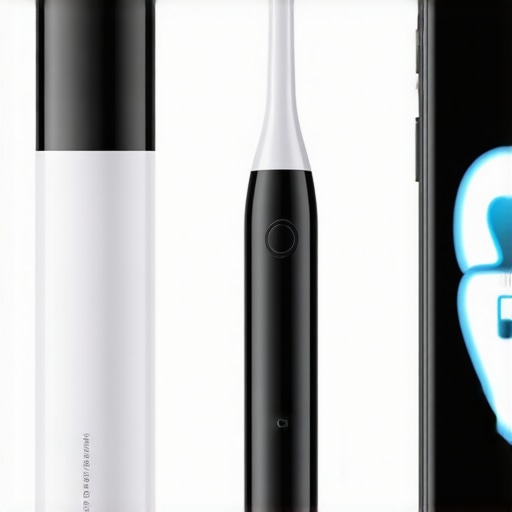
Photo depicting a modern ultrasonic scaler alongside a smart electric toothbrush and a digital monitoring app on a smartphone screen, emphasizing the integration of advanced tools in family dentistry routines.
Throughout my journey into family dentistry and cosmetic enhancements, I uncovered some eye-opening lessons that no brochure or online article would ever reveal. One of the most profound realizations was how much the industry still relies on outdated assumptions, even as technological innovation accelerates. For example, I once believed that traditional porcelain veneers were the gold standard, but discovering nano-bonding’s potential transformed my perspective—proving that less invasive, more durable options are now within reach. Additionally, I learned that many myths persist, like the idea that professional cleanings always require harsh scraping, when in fact, laser and ultrasonic technologies offer gentler, yet more effective alternatives. Finally, recognizing the importance of a personalized approach has been a game-changer; what works for one person might not for another, and customizing treatments ensures natural-looking, lasting results that truly boost confidence. These insights underscore the value of staying informed and questioning conventional wisdom—because your smile deserves the best, most current care available in 2026.