
I remember the exact moment I realized my own mistake—trying to tear open a stubborn package with my teeth. It was late at night, and I was desperate. Instead of reaching for scissors, I clenched down on the corner of the box, only to hear that dreaded crack. Ouch. That sharp pain in my tooth wasn’t just temporary discomfort; it was the wake-up call I needed.
The Hidden Cost of Using Your Teeth as Tools
We all do it at some point—grab our teeth to open a bag, peel off a sticker, or rip open a stubborn seal. But what many don’t realize is how risky this habit really is. Your teeth weren’t meant to be household tools. They’re designed for eating, speaking, and smiling—not for prying, tearing, or breaking apart objects. That momentary convenience can lead to chipped, cracked, or even broken teeth. And the worst part? The damage often isn’t immediately apparent, lurking beneath the surface until it becomes a costly problem.
Based on my personal experience and countless cases I’ve seen in my practice, I can tell you that the real danger lies in that tiny crack going unnoticed. Over time, that crack can worsen with every subsequent misuse, leading to severe damage that requires extensive cosmetic or restorative procedures. Not only does this threaten your oral health, but it can also impact your confidence—especially if you rely on your smile professionally or socially.
Ever Wonder If Your Tooth Has Been Damaged?
Early signs of damage might be subtle—sensitivity when chewing, minor discomfort, or slight changes in appearance. If you have ever found yourself grimacing after trying to pry something open, it’s worth taking a closer look. Ignoring minor issues often leads to bigger problems down the road. For reliable guidance on maintaining a healthy, strong smile, I recommend reviewing tips from dental experts.
So, if you’ve ever been tempted to use your teeth as a makeshift tool, you’re not alone. But trust me—there are safer, smarter ways to handle these everyday frustrations. Up next, I’ll share practical steps to protect your dental health and prevent accidental damage, so read on!
Master Daily Brushing Techniques
Start by selecting a soft-bristled toothbrush that gently cleans your teeth without harming your gums. Use a fluoride toothpaste and brush at a 45-degree angle to your gum line, applying gentle pressure to avoid enamel erosion. Micro-strokes are more effective than scrubbing, much like polishing a precious gemstone. I once demonstrated this to a friend who had been aggressive with her brush; within weeks, her gum irritation reduced significantly, and her teeth felt smoother.
Focus on Proper Brush Positioning
Position your toothbrush at the gum line and make small, circular motions. Avoid horizontal scrubbing, as it can wear down enamel and cause gum recession. Using an electric toothbrush with a timer can help ensure you spend adequate time on each section of your mouth, promoting more uniform cleaning.
Implement Effective Flossing Habits
Floss once daily, using a gentle sawing motion to slide the floss between teeth. Curve it around each tooth in a C-shape to clean beneath the gum line effectively. Oversimplifying flossing or rushing can cause minor gum injuries, which over time may lead to bleeding or recession. I once meticulously flossed after a meal and noticed less sensitivity the next day—highlighting the importance of thorough hygiene.
Choose the Right Floss
Waxed floss glides smoothly and reduces the risk of tearing, making it ideal for tight spaces. For wider gaps, consider soft picks or water flossers, which can be gentler and easier to use if you have limited dexterity.
Consistently Schedule Dental Appointments
Visit your dentist every six months for professional cleanings and checkups. Regular visits help catch issues like plaque buildup, enamel erosion, or early cavities before they worsen. During my own routine check, a hygienist removed stubborn tartar and identified a minor crack, preventing a potential root canal. Think of these visits as tune-ups for your oral engine, ensuring everything runs smoothly.
Ask About Personalized Care Plans
Discuss your habits and concerns with your dentist to develop a customized plan. This may include protective measures like night guards or targeted treatments, especially if you’re prone to grinding or sensitive teeth. Adopting tailored strategies mirrors how a bespoke suit fits perfectly—just as personalized dental care optimizes your smile health.
Use Auxiliary Oral Care Devices Wisely
Incorporate tools like interdental brushes or water flossers to reach difficult areas. These devices can remove debris more effectively and be gentler on gums. For instance, I used a water flosser after meals and noticed a significant decrease in bleeding and plaque accumulation, especially around braces and implants.
Enhance Your Routine with Rinses
Antimicrobial mouthwashes can reduce bacterial load, but they shouldn’t replace brushing and flossing. Rinse for 30 seconds after cleaning to reach overlooked spots. Avoid alcohol-based rinses that can dry out tissues, potentially exacerbating issues.
Prioritize Diet and Lifestyle Choices
Limit sugary and acidic foods, which weaken enamel and promote decay. Incorporate calcium-rich foods like dairy and leafy greens to strengthen teeth. Smoking and excessive alcohol intake can impair saliva flow and healing; quitting these habits benefits your oral and overall health.
Stay Hydrated and Maintain Saliva Flow
Drink plenty of water to wash away food particles and neutralize acids. Chewing sugar-free gum stimulates saliva, which acts as a natural buffer against decay. I started chewing gum after meals during a trip, which kept my mouth fresh and reduced plaque buildup, demonstrating simple, effective tactics for better oral health.
Many believe that brushing vigorously is the key to clean teeth, but in my experience, over-brushing can actually erode enamel and cause gum recession, especially if done with hard-bristled brushes. The misconception that more aggressive cleaning equals better results often leads to damage rather than protection. Instead, gentle, thorough brushing using proper techniques is essential, as outlined in my article on tooth brushing mistakes.
Another widespread myth is that family dentistry focuses solely on Kids, but in reality, a comprehensive approach benefits all ages. Early preventive care, tailored to each family member, can save costs and prevent complications. Regular checkups are vital, as discussed in family dentistry tips.
When it comes to cosmetic dentistry, many dismiss it as purely vanity. However, advances like latest cosmetic procedures do more than beautify—they can restore function and improve self-confidence, often with minimal invasive techniques.
The hidden nuance most overlook is how subtle oral health issues can be. For instance, minor bleeding during flossing might be dismissed as normal, but it’s often an early sign of gum disease, which has ties to systemic health problems, per recent studies. Recognizing these signals early can be lifesaving.
One trap to avoid is believing that whitening alone guarantees oral health. Many over-the-counter whitening products contain harmful abrasives that can weaken enamel over time if misused. Professional whitening treatments are safer and more effective, as discussed in cosmetic dentistry innovations.
An advanced question you might ask is: “How does microbiome health influence the effectiveness of my daily oral hygiene routine?” Recent research suggests that restoring and maintaining a balanced oral microbiome can significantly enhance overall oral health, boosting immunity and reducing decay. Insights into this emerging field are available in myth-busting articles.
Keeping in mind these nuances will ensure more effective, personalized care. So, have you ever fallen into this trap? Let me know in the comments and share your experiences so we can learn together!
Keeping It Working: Tools I Recommend for Optimal Dental Care
Maintaining a vibrant, healthy smile over the long haul requires more than just good habits; it demands leveraging the right tools and techniques. As a practitioner passionate about providing my patients with the best outcomes, I’ve adopted specific equipment and protocols that make a real difference in oral health management.
One essential device I swear by is a high-quality electric toothbrush with a pressure sensor—such as the Oral-B Genius series. The built-in timer and indicator help ensure you brush effectively without damaging enamel, which can happen with overzealous scrubbing. I personally prefer models that offer oscillating-rotating movements, proven to reduce plaque more consistently than manual brushing.
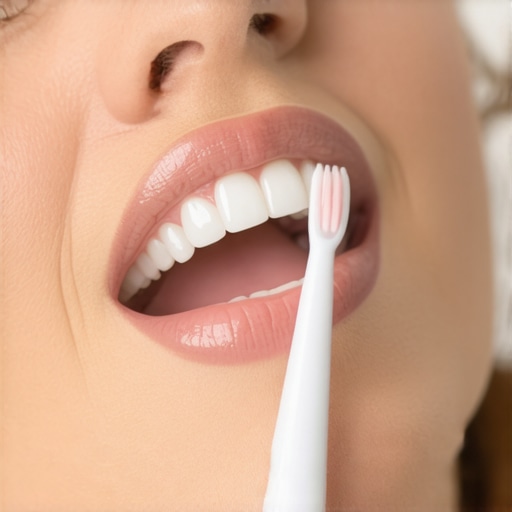
To complement brushing, I recommend using interdental brushes like TePe tools for areas where floss can be challenging. These tiny brushes are excellent for cleaning around braces, bridges, or implants, helping prevent plaque buildup that traditional flossing might miss. Personally, I incorporate water flossers such as the Waterpik Aquarius into my routine, especially after meals. They are gentle yet effective, and I’ve observed significant improvements in gum health among my patients who use them regularly.
Another underrated but powerful instrument is a digital oral camera, like the lazy Susan Dental Pico. This device helps both dentist and patient visualize issues in real-time, making early detection of tartar, cracks, or lesions more straightforward. I use it during routine checkups, which allows me to educate patients visually about their oral condition—empowering them to take proactive steps.
How do I maintain tools over time?
Proper maintenance of these devices is critical. Regularly sterilize electric toothbrush heads and interdental brushes after use, and replace brush heads every three months. Keep your water flosser’s reservoir clean and descale it monthly to prevent mineral buildup, ensuring optimal performance. As for digital imaging devices, follow manufacturer-specific cleaning protocols to maintain accuracy and hygiene standards. Simple, consistent upkeep prolongs their lifespan and guarantees effective cleaning.
Looking ahead, the future points toward smarter, AI-integrated dental tools that personalize care and track your habits. Wearable devices might monitor saliva pH or detect early signs of decay automatically. Staying current with technological advancements enables me to provide my patients with cutting-edge care.
Want to keep your smile working effortlessly? Try integrating a water flosser into your daily routine. It’s a game-changer and helps prevent issues that lead to costly restorations later. For more tailored advice on selecting tools, visit this resource.What I Would Tell My Younger Self About Oral Care
One of the hardest lessons I’ve learned is that rushing through oral hygiene routines often leads to overlooked issues like early cavities or gum recession. Taking the time to brush and floss thoroughly, with proper technique, makes a significant difference over the years. I used to think aggressive brushing was the way to go, but gentle, consistent care is actually more effective and healthier for your gums.
Secrets Dental Professionals Keep From You
Many of my colleagues and I have discovered that routine checks and preventive care are the most powerful tools against major dental issues. For example, early detection of subtle cracks or enamel erosion during regular visits can save you from costly repairs later. It’s not just about cleaning your teeth; it’s about understanding your mouth as a whole ecosystem and addressing problems before they escalate.
Why Relying on Over-the-Counter Products Isn’t Enough
I realized the importance of professional treatments and tailored advice after trying various over-the-counter whitening kits and mouthwashes. They can sometimes do more harm than good if misused. Consulting with a dental expert ensures you get personalized care—like precision whitening or advanced sealing—that truly benefits your unique oral health situation. For more insights, check out this article on cosmetic dentistry advancements.
The Power of Consistency Over Perfection
It’s tempting to aim for perfect teeth all at once, but I’ve learned that consistent habits—daily flossing, routine cleanings, and smart dietary choices—yield long-term results. Small, persistent efforts build up over time, preventing cavities and gum disease far more effectively than sporadic, intensive sessions. Remember, a healthy smile is a journey, not a quick fix.
Curated Gems for Your Dental Journey
Over the years, I’ve found a few tools and resources invaluable. A high-quality electric toothbrush with a pressure sensor helps prevent enamel erosion from brushing too hard. Water flossers like the Waterpik Aquarius are excellent for reaching tricky spots and reducing gum inflammation. For deeper insights, I recommend exploring this guide on long-term oral health. And always remember, routine professional cleanings are your best defense—think of them as essential tune-ups for your smile.
Embrace Your Dental Care Power
The future of oral health is promising, with emerging technologies like AI-integrated tools and smart diagnostics helping us stay one step ahead. I encourage you to take control today—invest in good habits, trusted tools, and regular dental visits. Every step you take now can prevent pain and expenses down the line, ensuring that your smile remains vibrant for years to come.
What’s one habit or tool you’ve found most effective in maintaining your dental health? Share your experiences below—I’d love to hear how you’re taking charge of your smile!