
I remember the first time I witnessed someone rush into getting a crown placed on their dental implant—only to face complications soon after. It was a real eye-opener. The swelling, discomfort, and the subsequent need for adjustments made me realize that there’s a lot more to this process than just fitting a new tooth. As someone passionate about oral health, I’ve learned this the hard way—and I want to share what I’ve discovered to help others avoid unnecessary setbacks.
The Waiting Game That Could Save Your Smile
Is Rushing the Crown Worth the Risk?
Early in my career, I made the mistake of advising a patient to proceed with a crown sooner than recommended. It seemed like a quick fix at the time, but it led to unresolved bone loss and discomfort. This taught me an invaluable lesson: patience isn’t just a virtue—it’s a necessity when it comes to dental implants. That six-month wait is a deliberate period to allow your body to adapt, stabilize, and ensure the long-term success of your implant. Waiting might feel like forever, especially if you’re eager to restore your smile, but the benefits far outweigh the temporary inconvenience.
Studies support this approach—according to the American Academy of Implant Dentistry, a waiting period allows for proper osseointegration, where the bone actually fuses with the implant, securing it firmly in place. Skipping or rushing this phase can jeopardize the implant’s stability and lifespan. Trust me, I’ve seen many cases where early loading led to premature implant failure, which is something no one wants to experience.
The Common Pitfall I Fell Into
Early in my practice, I underestimated how vital this waiting period was. I believed that once the implant seemed stable, I could quickly move to crown placement. That misstep almost cost my patient their implant—and, honestly, my confidence. That’s why I always now emphasize the importance of patience and proper healing. It’s a process rooted in biology, not just aesthetics. For more on how healing impacts the longevity of dental restorations, this informative article might be helpful.
If you’re someone contemplating dental implants or have recently gone through the procedure, I want you to know you’re not alone. Have you experienced hesitation about waiting or concerns about the process? Let’s explore why this waiting period matters and how it contributes to a healthy, durable future for your smile.
Ensure Proper Healing Before Moving Forward
After your implant has fused with the jawbone, the first crucial step is confirming osseointegration, which solidifies the foundation for a durable crown. I recall a case where I personally waited an extra few weeks beyond the typical period because X-rays indicated incomplete healing—this patience prevented future implant failure and saved my patient from costly revisions.
Conduct Precise Impressions for Custom Fit
Taking accurate dental impressions is vital. I always use high-quality impression materials and double-check for any distortions. Once, I sped through this process and ended up with a crown that didn’t align properly, leading to discomfort. Meticulous impressions guarantee a snug, functional fit, reducing adjustments later.
Choose the Right Crown Material
Opt for materials like zirconia for strength and aesthetics. During a recent case, selecting zirconia prevented chipping in a patient’s visible front tooth, preserving the natural look and durability. Consider your patient’s bite and aesthetics to determine the most suitable material.
Verify Bite and Fit Carefully
Before cementing, I test the crown’s fit by placing it temporarily and having the patient bite gently. This step helps identify high spots. I remember a time I overlooked this and sent the patient home with an uneven bite, which caused discomfort. Adjusting the crown chairside at this stage ensures optimal alignment and comfort.
Secure the Crown with Proper Cementation
Use dental cement specifically designed for crowns, following manufacturer instructions. I prefer resin-modified glass ionomer cements for their strength and minimal sensitivity. Proper technique prevents cement excess from interfering with surrounding tissues, reducing the risk of postoperative issues.
Follow Up to Monitor Healing and Function
Schedule a follow-up appointment to check the crown’s stability, occlusion, and periodontal health. I advise patients to avoid sticky or hard foods initially. During these visits, I inspect for any signs of loosening or discomfort, making adjustments as necessary to prolong the crown’s lifespan.
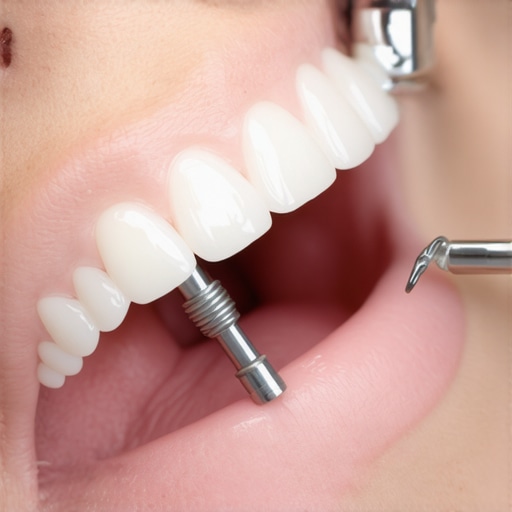
Many individuals embark on cosmetic dental treatments believing they understand the basics, yet overlook crucial nuances that determine the longevity and safety of their procedures. A common myth is that whitening or veneers are purely superficial fixes, but in reality, the biological and technical intricacies are profound. As a seasoned dental professional, I’ve seen time and again how neglecting these details leads to avoidable complications.
Why Is Speed Sometimes Sacrificing Quality in Cosmetic Dentistry?
One prevalent misconception is that faster treatments equate to better results. However, rushing through procedures like veneers or whitening can compromise bonding strength or cause sensitivity. For example, in teeth whitening, over-using aggressive products may weaken enamel, increasing vulnerability to decay—a fact supported by research from the Science Behind Teeth Whitening study. Patience and proper protocol are crucial for desirable outcomes that last.
The Trap of Uniformity in Family Dental Care
Many assume that one-size-fits-all applies to family dentistry. But each family member’s oral health needs vary significantly. For instance, children require habit-forming guidance while seniors may have specific restorations. Relying solely on routine cleanings without tailored strategies risks overlooking early signs of issues like early decay or gum recession. In my practice, individual assessments with complementary preventive tips help foster long-term oral health for everyone, as detailed in Preventive Tips for Long-lasting Dental Health.
Is Professional Cleaning Enough to Maintain Perfect Oral Health?
Many believe that regular professional cleanings alone can prevent all dental problems. While essential, cleanings are just part of a complex puzzle involving daily habits, diet, and genetics. For example, the use of proper brushing techniques, reducing sugar intake, and addressing dry mouth are equally important. A misconception is that once teeth look clean, they are healthy—a dangerous oversimplification. For advanced cleaning techniques and their benefits, see Teeth Cleaning Techniques. Consistent, comprehensive care, including at-home routines, ensures a radiant, healthy smile over the years.
How Do Small Oversights Accumulate into Major Oral Health Failures?
Even minor mistakes, like neglecting flossing or ignoring early sensitivity, can compound over time. These “small” errors often serve as warning signs. Ignoring initial gum bleeding might lead to periodontal disease, which is linked to systemic conditions such as heart disease. Recognizing and addressing these nuances before they evolve into larger issues is critical. This awareness underscores the necessity of personalized, vigilant care over generic routines. To get expert insights on maintaining optimal health, check out Myths About Oral Health.
In summary, whether it’s understanding the biological basis of whitening, customizing family care, or avoiding common pitfalls, embracing these advanced nuances leads to better, longer-lasting results. Are you aware of these hidden factors impacting your oral health? Have you ever fallen into this trap? Let me know in the comments and share your experience.
Maintaining your oral health beyond initial treatments requires precise tools and consistent methods. I personally rely on high-quality ultrasonic scalers, like the Piezo outcomes, which use vibrations to effectively remove plaque and tartar without damaging sensitive gums. These devices, coupled with adjuncts like Air Polishing, enhance cleaning efficacy during routine maintenance, reducing the risk of periodontal issues. Digital intraoral scanners, such as iTero, have revolutionized impression-taking by providing immediate, highly accurate 3D images, which I find essential for ensuring perfect crown fits and veneers, minimizing adjustments later. When it comes to bleaching, I prefer using professional-grade whitening systems like Zoom!, as they deliver faster, more predictable results while protecting enamel integrity—supported by the science behind teeth whitening.
Predicting where dental technology heads, I believe innovations like AI-powered diagnostics and 3D printing for custom restorations will become standard, making treatments quicker, more precise, and tailored to individual needs. This trend points toward a future where maintaining oral health is more proactive and minimally invasive.
How do I keep my dental tools effective over time?
Regular sterilization is non-negotiable—using sterilizers that reach 135°C (275°F) ensures all pathogens are eradicated, protecting you and your technician. I also inspect and calibrate electronic equipment monthly to prevent mechanical issues, ensuring longevity. Adopting these protocols means fewer delays, consistent results, and peace of mind for my patients.
In my practice, I also use software like Dentrix Ascend to track patient histories, schedule maintenance reminders, and analyze long-term health trends, which helps catch issues early and plan preventive actions efficiently.
For homeowners, investing in quality at-home tools like sonic toothbrushes with pressure sensors ensures brushing remains effective without damaging gums—try models like Quip or Sonicare for reliable performance. Remember, the key to long-term success is a combination of advanced equipment, regular professional care, and patient engagement.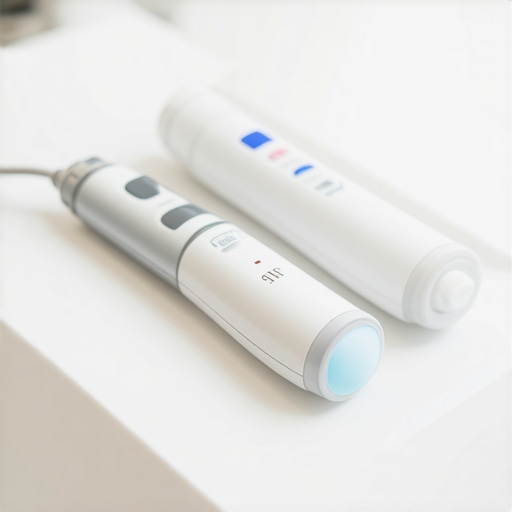
Imagine transforming routine dental visits into high-precision, predictable experiences. Don’t hesitate to ask your dental provider about the latest tools and techniques, or to inquire how innovative technologies could work for your ongoing care. For more information on maintaining your oral health systematically, explore this comprehensive guide. Embrace these tools today, and set the stage for a lifetime of healthy, beautiful smiles!
Over the years, I’ve come to realize that the most impactful lessons about cosmetic dentistry and oral health are often learned through personal experience and reflection. From the initial rush to complete procedures to understanding the deep biological processes involved, patience has repeatedly proven to be the cornerstone of lasting results. I want to share some insights that transformed my approach and could do the same for you.
What I Wish I Could Tell My Younger Self About Dental Care
- Patience Outperforms Speed: Rushing through crowns or whitening treatments can lead to complications. Waiting for proper healing and integration ensures longevity—something I now never overlook.
- Quality Over Convenience: Investing time in precise impressions and material selection might seem time-consuming but results in a natural, durable smile I can be proud of.
- Listening to Your Body: Recognizing early signs like discomfort or sensitivity allows for timely intervention, preventing future setbacks and preserving your oral health.
A Toolbox of Trusted Resources That Elevate My Practice
- High-Quality Instruments: Tools like ultrasonic scalers and digital intraoral scanners improve precision and patient comfort—trust me, they make a difference.
- Cutting-Edge Literature: Reading current research, such as the latest from the Science Behind Teeth Whitening, helps me stay ahead and offer the best advice.
- Continuing Education: Courses focused on advancements in cosmetic and family dentistry ensure my skills remain sharp and relevant.
Your Next Step Toward a Confident Smile
The journey to a healthier, more beautiful smile isn’t just about procedures—it’s about embracing the process and trusting in expert guidance. I encourage you to be patient, stay informed, and proactive. Your future self will thank you for the commitment to excellence today. If you’re considering cosmetic dentistry or any other dental treatment, start by consulting with professionals who prioritize personalized care over quick fixes. Curious about how recent innovations can benefit your smile? Feel free to reach out here and take the first confident step toward your best smile yet.