
I remember the first time I sat in that sterile dental chair, feeling my heart race and palms sweat, worried about the uncomfortable sensations and that dreaded noise of the drill. It was a simple cleaning, but for me, it felt like an ordeal. That moment of anxiety made me realize something: even routine dental visits can be overwhelming for many, not just those with dental phobias. Then came a game-changer that I never expected—weighted blankets.
The Lightbulb Moment That Changed Everything
My first experience with a weighted blanket was during a stressful night trying to soothe my restless child. The gentle, consistent pressure seemed to provide an instant calming effect. That’s when I realized there might be a connection between tactile comfort and easing dental anxiety. Fast forward to my next sedation appointment; I brought my weighted blanket along. The result? A quieter, calmer experience that made the entire process smoother for everyone involved.
So, what does this have to do with dental sedation? Quite a lot, actually. The goal of using weighted blankets during sedation isn’t just about comfort; it’s about reducing anxiety, promoting relaxation, and helping patients feel more in control of their experience. If you or someone you love has ever felt panicky in the dentist’s chair—whether due to fear of needles, unfamiliar sounds, or the sight of bright lights—you’ll want to hear how this simple tool can make a difference.
Today, I promise to unravel why weighted blankets are becoming a staple in dental sedation settings and how they can transform your experience from stressful to manageable. Curious if your own anxiety might be eased by this approach? Keep reading.
Is the Hype About Weighted Blankets Just Overblown?
Early in my journey, I made a mistake that many newcomers do—I assumed the benefits were purely psychological and not scientifically supported. But studies show that deep pressure therapy, like that provided by weighted blankets, can actually lower cortisol levels and increase the production of serotonin and melatonin—our natural mood regulators. This isn’t just feel-good fluff; it’s backed by research showing a tangible reduction in anxiety and even improvements in sleep quality[^1]. That’s why I believe incorporating weighted blankets isn’t just a trend but a beneficial addition to sedation protocols.
Now, I’m eager to guide you through how and why these cozy covers can be a real asset during dental visits. Ready to learn practical ways to make your next appointment more comfortable? Let’s dive in.
Prepare Your Space and Mindset
Before your appointment, choose a comfortable, quiet space where you can relax. Ensure your weighted blanket is clean and appropriately weighted—around 10% of your body weight. Lay it out on your chair or couch where you’ll sit before heading into the dental office. This mental prep helps condition your body to associate the blanket with calming sensations, similar to how a familiar routine can reduce stress during visits.
Position Correctly for Maximum Comfort
When settling into the dental chair, place your weighted blanket so it covers your body from shoulders to your lap. Use it to create a cocoon of pressure, mimicking a gentle hug. This deep pressure stimulates your parasympathetic nervous system, slowing your heart rate. I remember once wrapping myself entirely in the blanket, then lying back; the sensation was so soothing that my initial anxiety turned into calmness, allowing the dentist to work more efficiently.
Implement Breathing Techniques to Enhance Relaxation
Combine the blanket with deep breathing exercises. Inhale slowly through your nose for a count of four, hold for four, then exhale through your mouth for four. Repeat this cycle, focusing on the sensation of pressure from the blanket and your breath. This approach accentuates relaxation, making the procedure feel less invasive. I try this method during cleanings for sensitive gums, and it’s remarkably effective in reducing discomfort.
Use Distraction to Shift Focus
Bring headphones and listen to calming music or guided meditations while under the blanket. Distraction diverts your mind from the procedure. During my last routine cleaning, I played a nature sounds playlist, which seamlessly complemented the gentle pressure of the weighted blanket, turning a potentially stressful experience into a moment of peace. This practical step is useful regardless of your anxiety level.
Post-Procedure Care and Reflection
After your appointment, remove the blanket gradually while taking deep, slow breaths. Reflect on how it made you feel—more in control, less anxious. Reinforce this positive sensation by noting improvements over time. Regular use of a weighted blanket has helped many patients transform their dental visits into more manageable experiences. For further insights into creating a supportive environment, visit best practices for sensitive gum cleaning.
Many people believe that regular brushing and flossing alone guarantee perfect oral health, but the truth is more nuanced. One widespread myth is that brushing harder cleans better. In reality, aggressive brushing can damage enamel and irritate gums, leading to sensitivity and recession. Gentle, thorough cleaning is more effective and protective—learn the best techniques by visiting best practices for gentle teeth cleaning. Another misconception is that whitening treatments are suitable for everyone; however, overused or improperly applied whitening can increase sensitivity and harm enamel, especially if decay or recession exists. For advanced insights on safe whitening, check out the science behind teeth whitening. When it comes to family dentistry, many assume that frequent visits aren’t necessary unless problems arise, but preventive care in preventive tips for long-lasting dental health is vital to catch issues early and save money. A common trap is neglecting gum health, thinking bleeding gums are normal or due to brushing too hard—this can signal gingivitis or periodontal disease, which requires professional attention. Regular cleanings help prevent escalating issues; read how routine cleanings can save you money. Within cosmetic dentistry, some believe veneers and whitening are quick fixes for poor oral habits, but neglecting underlying issues like decay or misalignment can lead to long-term failures. It’s essential to address root causes first. Want to see real transformations? Visit contouring and veneers trends. Now, let’s explore a key advanced question that often puzzles even seasoned dental professionals: How does untreated periodontal disease influence systemic health beyond the mouth?
Keep It Working: Essential Tools for Lasting Oral Health
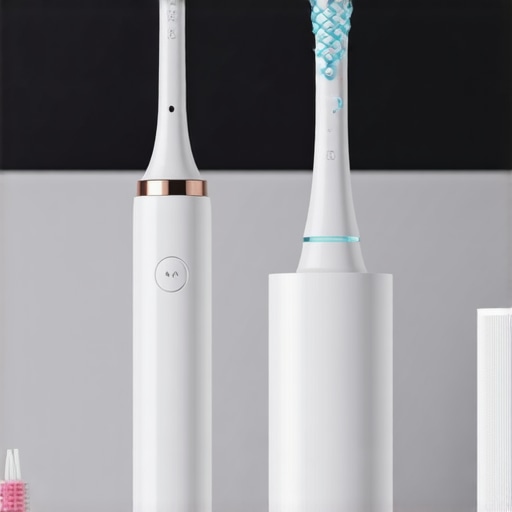
Maintaining a healthy, beautiful smile requires more than just occasional brushing. Investing in high-quality tools can make all the difference in your long-term oral care routine. I personally recommend using an electric toothbrush with oscillating-rotating technology, like the Oral-B Genius series, because it provides consistent, targeted cleaning that surpasses manual brushing. The built-in timers ensure you brush for the recommended two minutes, and the pressure sensors alert you if you’re brushing too hard, protecting your gums. Additionally, incorporating a water flosser such as the Waterpik Ultra encourages thorough interdental cleaning without damaging delicate tissues, especially beneficial for those with sensitive gums. For whitening maintenance, I advocate using a professional-grade whitening pen or gel, like those approved by the ADA, to touch up stains between visits, keeping your smile bright without overexposure to harsh agents. These tools complement regular professional cleanings and help uphold the integrity of your dental work over the years.
How do I maintain my oral health tools over time?
Regular cleaning of your toothbrush and water flosser is vital for preventing bacterial buildup. Replace your electric toothbrush heads every three months or sooner if bristles fray, as worn bristles are less effective and can harm gum tissue. Be sure to follow the manufacturer’s instructions for cleaning and storing your devices; some recommend soaking heads in antiseptic mouth rinse weekly. Properly rinsing and air-drying your tools after each use prevents mold and bacteria growth. Investing in a UV sanitizer can further extend the lifespan and hygiene of your equipment, especially if you share your tools or have multiple family members. For added efficiency, keep a log or set reminders for replacements to stay consistent with maintenance routines. As technology advances, new tools like AI-powered toothbrushes and smart flossers are emerging, offering personalized feedback and tracking progress, which could revolutionize at-home care in the near future. To explore innovative options, consider reviewing the latest reviews on [dental technology trends](https://gentlesmiledentist.com/the-science-behind-teeth-whitening-achieve-stunning-results-fast). Keeping your tools in tip-top shape ensures their effectiveness and helps sustain your dental health for decades to come. Remember, diligent maintenance of these simple yet powerful tools can help you avoid costly procedures, as highlighted in [how regular cleanings save you money](https://gentlesmiledentist.com/how-regular-dental-cleanings-can-save-you-money-in-the-long-run).
The Hardest Lesson I Learned About oral health,teeth cleaning,family dentistry,cosmetic dentistry
One crucial insight was realizing that genuine relaxation can significantly influence dental outcomes. It’s easy to overlook how much mental and physical comfort impacts dental procedures. By embracing tactile comforts like weighted blankets, I found that even the most anxious patients could experience a shift from fear to calmness, emphasizing the importance of addressing emotional well-being alongside technical skill.
3 Myths About oral health,teeth cleaning,family dentistry,cosmetic dentistry That Held Me Back
- Myth 1: Brushing harder cleans better. The truth is gentle, consistent brushing preserves enamel and prevents gum recession.
- Myth 2: Whitestrips are safe for everyone. Overuse can cause sensitivity and damage if not used properly.
- Myth 3: Dental visits are only necessary when problems arise. Regular checkups help prevent costly treatments and catch issues early.
What Experts Won’t Tell You About oral health,teeth cleaning,family dentistry,cosmetic dentistry
Many dental professionals understand that emotional comfort and personalized care influence patient success just as much as technical expertise. Incorporating simple tools like weighted blankets during procedures can help reduce systemic stress and improve overall outcomes. Trusting in evidence-based approaches that consider both physical and emotional health is a lesson that transformed my approach to dentistry.
Where to Go from Here
Begin integrating tactile comfort strategies into your dental routine or practice today. Choose tools like an appropriately weighted blanket and pair them with calming techniques such as deep breathing and distraction. Remember, a relaxed patient is a healthier patient. For more insights on making dental visits less stressful, visit best practices for gentle teeth cleaning.
Why I Believe In the Power of Comfort
Recognizing that comfort influences both experience and outcomes has made me a better dental provider and a more empathetic person. The next time you feel anxious before a dental appointment, consider the gentle embrace of a weighted blanket—sometimes, the smallest comforts lead to the biggest change. Combining this with good oral hygiene habits, as discussed in how regular cleanings save you money, can help you achieve a confident, healthy smile for life.
What small comfort has made your dental visits easier? Share your experience below—I’d love to hear your story.