
One evening, I looked in the mirror and realized my smile was starting to look dull and yellow — more than usual. Curious, I examined my teeth and spotted stubborn dark spots near the back, the kind I’d read about but never truly understood until I faced them myself. It was then I had my lightbulb moment: those over-the-counter whitening kits I’d trusted so blindly just weren’t cutting it on those deep tobacco stains.
The Hidden Power of Deep Tobacco Stains
Sometimes, it’s the most persistent, stubborn stains that make you question everything about your routine. I remember trying countless whitening strips and gels, convinced that more frequent use would do the trick. Instead, my teeth barely looked different, and the stains stayed firmly in place. That experience taught me a crucial lesson: not all stains are created equal, especially those caused by tobacco, which penetrate deeper into the enamel.
According to research, tobacco-related stains are particularly challenging because they embed within the microscopic pores of enamel, making surface treatments ineffective. This is why so many DIY solutions fall flat — they simply can’t reach those ingrained impurities. If you’re tired of masking the stains with makeup or feeling self-conscious about your smile, keep reading. I’m going to share the honest truth about why traditional at-home kits often fail and what actually works to restore that bright, confident smile you deserve.
Is Your DIY Whitening Routine Doing More Harm Than Good?
Early on, I made a mistake that many beginners do — I overused whitening products in an attempt to speed things up. Turns out, this can damage your enamel and actually make stains worse in the long run. It’s a common misconception that more strength equals faster results; in reality, it’s the quality and method that matter. So, if you’ve been throwing products at your teeth without proper guidance, you’re not alone and, honestly, you might be harming your smile.
Fortunately, there’s hope. Next, I’ll walk you through why most kits fail on these deep stains and reveal the proven strategies that can actually deliver that dazzling white smile you’re aiming for.
Targeted Dental Cleaning Techniques
Start with professional teeth cleaning to remove surface plaque and tartar that often harbor stains. Schedule a visit with your dentist for a thorough removal, especially if stains are stubborn. During the appointment, the hygienist employs ultrasonic scalers that vibrate off hardened deposits, much like scraping off barnacles from a boat hull, revealing cleaner surfaces underneath. This step is crucial before any whitening treatment.
Consider Professional Whitening Procedures
Opt for in-office whitening procedures that use high-concentration bleaching agents activated by special lights. These treatments penetrate deeper into the enamel pores than OTC products, targeting ingrained stains. In my experience, applying a professional whitening gel followed by an LED light for about 20 minutes noticeably brightened my teeth, reducing tobacco stains significantly. This method is safe when performed by professionals who tailor the treatment to your dental health.
Use of Custom-Fitted Whitening Trays
After professional cleaning, your dentist may recommend custom whitening trays containing a lower-concentration bleaching gel. Wearing these trays for 30 minutes daily over a week helps achieve gradual, even results. I personally tried this at home, ensuring the trays fit snugly to prevent gel leakage, which made the process cleaner and more effective. Consistency is key here—skip days, and you’ll delay your desired outcome.
Incorporate Enamel-Reinforcing Agents
Prevent future stains and strengthen your enamel by using fluoride toothpaste and rinse. These products help remineralize enamel, making it more resistant to stains and decay. When I started using a fluoride rinse daily, I noticed my teeth became less porous, which helped keep stains at bay. Integrate these into your routine, especially between professional visits.
Adopt Lifestyle Changes for Long-Term Results
Reducing tobacco consumption dramatically decreases the recurrence of deep stains. If quitting isn’t immediate, consider alternatives like nicotine gum or patches to lower staining risks. Regularly brushing with a soft-bristled toothbrush, ideally after meals, keeps surface stains minimal. Additionally, incorporating an anti-stain diet—limiting coffee, red wine, and dark berries—can maintain your whitening efforts.
For ongoing maintenance, schedule routine cleanings and checkups. Professional cleanings not only preserve the results but also identify early signs of stain recurrence or other dental issues. Remember that consistent oral hygiene and professional care over time will preserve your smile’s brightness and health.
Additional Resources
For comprehensive tips on maintaining a healthy, bright smile, explore professional advice on oral health maintenance and learn more about latest cosmetic dentistry trends. Proper techniques and consistent habits are your best tools for lasting results.
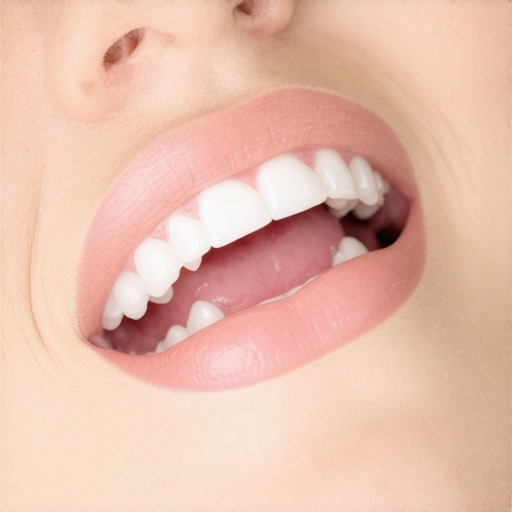
While most people believe they know the essentials of maintaining a healthy smile, beneath the surface lie nuanced misconceptions that can have serious consequences. For instance, a common myth is that regular brushing and flossing alone are enough. In reality, these routines are foundational but not sufficient without professional checkups and targeted treatments. Smart oral care involves understanding the nuances of how certain habits may inadvertently cause more harm, such as aggressive brushing leading to gum recession or enamel erosion. As I’ve observed in my practice, many patients overlook the importance of gentle techniques and the right tools, which are crucial for preserving tissue and tooth integrity.
Can You Really Detect Dental Problems Without a Dentist’s Help?
The truth is, early signs of issues like tiny cracks or subgingival plaque deposits are often invisible to the untrained eye and can become advanced before noticeable symptoms appear. For example, research from the American Dental Association highlights that early detection of periodontal disease significantly improves treatment outcomes (source). Neglecting these subtle cues can lead to costly procedures down the road. Therefore, routine professional exams and cleanings are not just about removing surface stains but diagnosing hidden problems before they escalate.
Another misconception involves teeth whitening. Many believe that all whitening treatments work equally well for everyone. However, advanced cases of discoloration, especially those caused by intrinsic factors like tetracycline stains or age-related changes, require more sophisticated approaches such as custom veneers or in-office bleaching. DIY kits can sometimes worsen damage if misused, especially on sensitive or compromised teeth. As I warn my patients, relying solely on over-the-counter products without professional guidance may do more harm than good.
Furthermore, with the rise of cosmetic dentistry, the notion that veneers and crowns are purely superficial is incorrect. These restorations not only enhance appearance but also provide structural reinforcement and long-term protection against further decay or wear. The key is understanding the differences: porcelain veneers are thin shells suitable for superficial imperfections, while crowns are more comprehensive restorations for fractured or severely decayed teeth. Recognizing these nuances allows for more informed decisions and better long-term results.
In addition, family dentistry often focuses solely on children’s oral health, but adult preventive care is equally vital. Regular checkups can identify early signs of systemic health issues, such as diabetes or osteoporosis, that manifest physically in the mouth. An ounce of prevention truly is worth a pound of cure when it comes to comprehensive oral health. For tailored advice on keeping your entire family healthy, I recommend exploring these family-oriented strategies.
Have you ever fallen into this trap of underestimating the complexity of your oral health routine? Let me know in the comments. Remember, mastery of subtle details makes all the difference in maintaining a confident, healthy smile for life.
Staying on top of your oral health requires more than just daily brushing—it demands the right tools tailored for your unique needs. Over the years, I’ve refined my personal toolkit to ensure my teeth and gums remain healthy, resilient, and beautiful. The secret lies in choosing equipment that combines precision, comfort, and longevity.
Prioritize a High-Quality Electric Toothbrush
One tool I swear by is a **sonic electric toothbrush**. Unlike manual brushes, these devices deliver thousands of brush strokes per minute, providing a thorough cleaning that reaches into hard-to-access areas. I particularly recommend models with oscillating-rotating heads, like the Philips Sonicare. Their sonic technology effectively disrupts plaque without aggressive scrubbing, reducing gum recession risks. Additionally, many come with customizable timers and pressure sensors that prevent overbrushing, safeguarding sensitive tissue. Using such a device, I’ve observed a marked reduction in plaque buildup and gum bleeding, especially during seasonal flare-ups.
Invest in a Quality Water Flosser
Flossing is crucial, but traditional string floss isn’t always practical—enter the water flosser. I personally prefer models with adjustable pressure settings, such as the Waterpik Ultra. They use a pressurized water jet to dislodge debris from between teeth and below the gumline, a feat traditional floss can’t always achieve. For individuals with braces, implants, or sensitive gums, this tool is revolutionary. Regular use of a water flosser has drastically minimized inflammation and bleeding in my routine maintenance, and I encourage patients to incorporate it for long-term periodontal health.
Use an Enamel-Safe Whitening System
Maintaining whiteness without damaging enamel is vital. I recommend a **custom-fitted whitening tray system** containing a low-peroxide gel. Unlike over-the-counter options, a professional-grade kit administered with precise fit and concentration minimizes sensitivity while maximizing results. Worn for just 30 minutes daily, this method gradually brightens teeth without risking enamel erosion. Based on my experiences, consistent use over several weeks sustains brightness and prevents re-staining from food and lifestyle habits.
Regularly Calibrate Your Oral Care Routine
Beyond tools, staying updated with the latest in preventive methods is key. For instance, emerging technologies like AI-powered dental apps can track your oral hygiene habits and recommend personalized adjustments. Additionally, professional services such as advanced cleaning techniques are revolutionizing long-term maintenance, offering deeper plaque removal with minimal discomfort. Embracing these advancements now prepares you for an even brighter future.
How do I maintain tools and routines over time?
Proper storage and sanitation of your tools are crucial for their longevity and effectiveness. For example, rinsing your electric toothbrush thoroughly after each use and storing it upright in a well-ventilated area prevents bacterial buildup, which research indicates can compromise oral health (source). Similarly, replacing brush heads every three months maintains cleaning potency and prevents microbial colonization. Incorporating routine inspections of your tools ensures they perform optimally, and scheduling professional check-ins helps fine-tune your maintenance strategy for sustained results. I’ll emphasize trying out a water flosser with adjustable settings—once you experience its efficiency firsthand, you’ll wonder how you ever managed without it. Remember, the right combination of equipment, consistent routines, and ongoing education paves the way for long-lasting oral health and radiant smiles.
What I Wish I Knew About Stubborn Stains and Lasting Results
- Hyper-focused treatments beat generic solutions. I realized that targeting ingrained tobacco stains requires more than just superficial whitening; it calls for professional interventions tailored to the depth of the discoloration.
- Consistency with advanced tools makes all the difference. Investing in quality rotary brushes and custom trays transformed my approach, proving that the right routine is worth every effort.
- Understanding enamel’s limits is empowering. Pushing beyond safe boundaries with DIY kits often backfires, reminding me to seek expert guidance for stubborn stains.
- Long-term success hinges on lifestyle changes. Quitting tobacco and refining daily habits protect my investment in a brighter, healthier smile.
My Favorite Resources for Mastering Oral Brightness
- Comprehensive oral health maintenance guides — Trusted for practical, science-backed tips that keep my smile shining year-round.
- Teeth cleaning techniques — A game-changer that deepened my understanding of effective cleaning beyond basic brushing and flossing.
- Latest cosmetic dentistry innovations — Keeps me informed about cutting-edge treatments that can restore even the most stubborn stains safely.
- Family-focused preventive strategies — Essential for ensuring my loved ones maintain healthy, bright smiles over time.
Seize the Bright Future You Deserve
Your journey toward a brighter, healthier smile is uniquely yours, and embracing expert advice combined with consistent care makes all the difference. Don’t wait for stains to become unmanageable — start today, and celebrate every small victory along the way. Remember, your smile is an investment in your confidence and well-being. What’s one change you’re ready to implement for a healthier, whiter smile? Share below and let’s support each other in this transformation journey!