
I remember the moment clearly—a flicker of realization hit me during a routine brushing session. My teeth felt unusually sensitive, and I couldn’t ignore the tiny chips along the edges. I had been charmed by the promises of charcoal toothpaste, thinking it was a natural, effective way to whiten my smile. Little did I know, I was unknowingly setting myself up for enamel erosion—a problem that took months to truly understand and address.
Why I Got Hooked on Charcoal Toothpaste—And Why I Regret It
At first, the idea of whitening with something as ‘natural’ as charcoal seemed appealing. Ads showed sparkling smiles, and I thought, “Why not try it?” But my mistake was ignoring the science behind enamel health and jumping onto the latest trend without doing proper research. It wasn’t until I experienced increased tooth sensitivity and noticed tiny cracks that I realized I had overlooked the potential risks. If you’re like I was, constantly searching for the best way to brighten your smile while maintaining oral health, you’re not alone. Today, I want to guide you through what I wish I knew from the start—so you can protect your teeth better.
Will Charcoal Toothpaste Actually Harm Your Teeth?
This is the big question I hear from friends and readers alike. Charcoal’s abrasive nature can be harsher than you think. While some claim it helps remove surface stains, it can also wear down the enamel, leading to increased sensitivity and a higher risk of cavities. Just last year, a study highlighted how overuse of abrasive agents accelerates enamel erosion, making teeth more vulnerable over time (source). My early mistake? Using charcoal every day without considering its abrasiveness. And I want to save you from making the same error.
If you’ve been tempted to try charcoal toothpaste or are already using it, you might face similar issues. But don’t worry—there’s a way to enjoy a bright smile without sacrificing the strength of your enamel. In the upcoming sections, I’ll share practical steps and safer alternatives to keep your teeth healthy and beautiful for years to come.
Choose the Right Toothpaste and Brushing Technique
Start by selecting a toothpaste formulated for your specific needs—especially if you have sensitive teeth or enamel concerns. Use a soft-bristled brush and gently brush in circular motions, avoiding aggressive scrubbing which can wear down enamel over time. I vividly remember the first time I switched to a soft brush; my gums felt healthier, and enamel wear slowed noticeably.
Implement Proper Brushing Frequency and Timing
Brush twice daily for two minutes each session. Timing matters—wait at least 30 minutes after consuming acidic foods or drinks before brushing, so you don’t inadvertently scrub away softened enamel. I learned this the hard way after a lemon snack, noticing increased sensitivity when I brushed immediately afterward. Waiting allowed my enamel to re-harden, protecting the surface.
Integrate Flossing and Tongue Cleaning into Daily Routine
Flossing removes plaque and debris between teeth, preventing decay that can weaken enamel. Use gentle pressure, and curve the floss around each tooth. Remember, cleaning your tongue with a scraper or brush helps eliminate bacteria that cause bad breath and improve overall oral health. My mornings became more effective once I added these steps, resulting in fresher breath and healthier gums.
Schedule Regular Dental Check-Ups and Cleanings
Visit your dentist every six months for professional cleanings and examinations. Regular dental visits catch early signs of enamel erosion or decay, allowing for prompt intervention. I noticed a small chip during my routine check-up, which was quickly treated before it worsened. These visits are an investment in preserving your natural tooth structure.
Prioritize Diet Choices for Enamel Preservation
Limit acidic and sugary foods that contribute to erosion. Incorporate calcium-rich foods like dairy, leafy greens, and almonds to strengthen your enamel. Drinking plenty of water, especially after meals, helps rinse away acids and sugars. I started carrying a water bottle during snacks and noticed fewer sensitivity issues over time.
Use Gentle Whitening Alternatives and Avoid Harsh Abrasives
If whitening is desired, opt for professional treatments with proven safety profiles instead of over-the-counter charcoal products. Many store-bought whitening kits contain abrasives that can accelerate enamel wear. I opted for a dentist-supervised whitening session, which delivered effective results without risking damage to my enamel.
Be Mindful of Habits That Damage Teeth
Reduce or eliminate habits like nail-biting, teeth grinding, and chewing on ice or hard candies. Using a nightguard if you grind at night can protect your teeth from micro-fractures and enamel loss. I learned to wear a custom guard after experiencing morning jaw pain and subtle cracks in my molars.
Recognize Early Signs of Enamel Damage
Stay alert for symptoms like increased sensitivity, discoloration, and small cracks. Early detection allows for less invasive repairs and better preservation of tooth structure. During a routine check, my dentist spotted early erosion, guiding me on better habits to halt progression.
Consult Experts for Personalized Care Plans
Every mouth is unique, so work with your dentist to develop a tailored plan covering cleaning techniques, diet, and potential restorative options. Whether considering cosmetic dentistry to enhance your smile or restorative procedures, professional guidance ensures optimal results. I recently explored cosmetic options through a consultation, which helped boost my confidence without risking further enamel damage.
Maintaining our oral health requires continuous effort and informed choices. Taking these concrete steps can significantly reduce the risk of enamel erosion and keep your smile radiant for years to come. For more comprehensive family tips, visit this resource.
Most people assume that brushing twice a day, visiting the dentist regularly, and using whitening products are enough to maintain optimal oral health. However, beneath these common practices lie nuanced pitfalls that can undermine your efforts if overlooked. As an expert in dental science, I’ve seen well-intentioned patients fall into traps that compromise their long-term dental wellness.
Common Myths That Sabotage Your Smile
A pervasive myth is that more frequent or aggressive brushing leads to cleaner teeth. In reality, overbrushing, especially with abrasive toothpaste, can erode enamel and damage gums—a mistake many make unknowingly, often trying to make their teeth appear whiter. Understanding the science behind enamel erosion is crucial; studies show that abrasive overuse accelerates tooth wear (source). Recognizing this nuance can save you from costly restorative procedures later on. Instead, focus on gentle, proper techniques and consult your dentist for personalized advice on effective cleaning routines.
Beware of the Oops Factor in Cosmetic Dentistry
Many believe that professional whitening or veneers guarantee a flawless, permanent smile. Yet, these procedures have nuances and limitations. For example, improper or rushed cosmetic treatments can result in uneven coloration, translucency mismatches, or even damage to underlying tooth structures. Additionally, a superficial fix might ignore the health of your core teeth—leading to long-term problems. Always consult with an experienced cosmetic dentist who emphasizes both aesthetics and health; consider enhancements that preserve your natural tooth structure (more on this here). An advanced approach involves understanding how cosmetic choices impact your oral health over time, not just immediate appearance.
What Advanced Techniques Can Protect Kids’ Developing Teeth?
Family dentistry isn’t just about cavity prevention; it involves nuanced strategies to protect juvenile teeth as they grow. One common mistake is delaying early orthodontic intervention, thinking it’s unnecessary until problems become obvious. In reality, early assessments can identify subtle misalignments or bite issues that, if ignored, compound into complex, costly treatments. Embracing preventative techniques like space maintainers or interceptive orthodontics can preserve jaw development and prevent future malocclusion (learn more here). The key is proactive, informed care that considers the unique growth pattern of each child. Have you ever fallen into this trap? Let me know in the comments.
In summary, unearthing these hidden nuances in dental care reveals that effective oral health isn’t just about the basics. It requires a nuanced understanding of material science, developmental growth, and long-term impacts of cosmetic choices. Staying informed and collaborating with your dental professional ensures you’re avoiding these common pitfalls. For a comprehensive guide on maintaining your smile’s beauty and health, explore how regular dental cleanings can actually save you money.
Investing in Reliable Tools for Consistent Oral Care
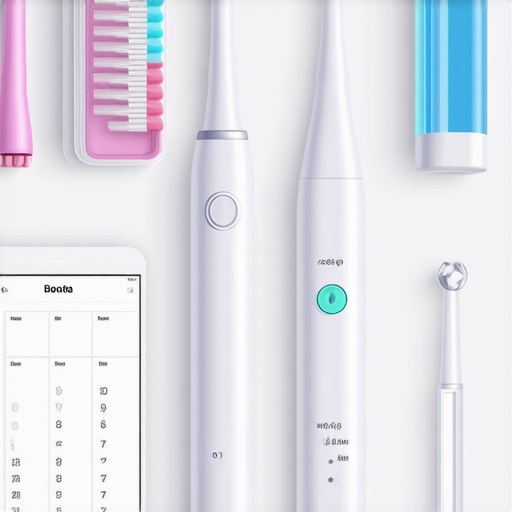
Maintaining healthy teeth over the years requires more than just good intentions; it demands the right equipment tailored to your needs. Personally, I rely on a sonic toothbrush like the Philips Sonicare DiamondClean. Its superior oscillation frequency and gentle brushing mode help remove plaque effectively without damaging delicate gums or enamel—a crucial factor in preventing long-term issues. Unlike traditional brushes, the sonic model creates a dynamic cleaning action, reaching into crevices that manual brushing might miss, making it ideal for maintaining overall oral health.
For those with sensitive gums or after restorative procedures, I recommend integrating a water flosser, such as the Waterpik Waterflosser. It’s proven to be more effective than string floss in reducing gingivitis and is easier to use for individuals with braces or implants. Personally, incorporating this tool has made daily flossing less cumbersome and more thorough, especially in hard-to-reach areas.
Why Proper Scheduling and Software Matter
Staying on top of routine cleanings and checkups is essential. I use a digital appointment system like Dental Menu to remind me of upcoming visits. This ensures I never miss a preventive appointment, which, as I discuss in this article, can save significant costs by catching issues early. Modern software also tracks your dental history, enabling your dentist to tailor treatments and monitor changes over time.
Tools for Cosmetic Upkeep and Future Trends
Cosmetic dentistry is evolving rapidly, and I recommend keeping up with the latest innovations like laser whitening. For maintaining cosmetic results, I personally prefer a custom whitening tray with a professional-grade gel. This allows for controlled, uniform whitening that minimizes sensitivity—a common concern with over-the-counter products. Looking ahead, I predict that techniques like at-home bleaching with LED activation will become more accessible and safer, empowering patients to maintain their smiles effortlessly.
How do I maintain my dental tools over time?
Regularly cleaning and replacing your toothbrush head every three months is essential. I also disinfect my water flosser’s tips weekly with antibacterial rinse to prevent bacteria buildup. Proper storage—keeping tools dry and in a clean place—further prolongs their effectiveness and hygiene. This diligence reduces the risk of reintroducing bacteria or debris that could cause decay or gum issues down the line. Investing in high-quality equipment combined with diligent maintenance guarantees your tools serve you well for years.
Remember, the trend is shifting towards personalized dental tech that integrates with smartphone apps, allowing real-time feedback and reminders. This integration promises an even more proactive approach to oral health in the coming years.
Don’t hesitate to experiment with these advanced tools and maintenance routines—they make a tangible difference in long-term results. For detailed guidance on how regular cleanings can save you money and prevent major dental issues, visit this resource.
What I Didn’t See Coming About Teeth Cleaning
- Realizing that overenthusiastic brushing with abrasive toothpaste can do more harm than good was a turning point for me. It taught me to be gentle and mindful, emphasizing quality over quantity.
- Understanding that professional cleanings aren’t just about removing surface stains but also about catching early signs of enamel erosion changed how I prioritize regular dental visits.
- Recognizing subtle signs of enamel thinning—like increased sensitivity or tiny cracks—has empowered me to seek timely care, saving me from more invasive procedures later.
- Trusting holistic advice from my dentist, rather than trendy fads, has led me to better protect my oral health long-term, especially about whitening and other cosmetic options.
- That simple habits, like waiting after acidic foods before brushing, make a significant difference in maintaining enamel integrity. Small adjustments can have lasting positive effects.
Tools and Resources That Truly Make a Difference
- The Philips Sonicare DiamondClean is a game-changer in gentle yet effective plaque removal—it’s my top pick for maintaining healthy teeth without risking damage.
- A Waterpik Waterflosser has revolutionized my flossing routine, especially in hard-to-reach areas—it’s easier and more effective than traditional floss for me.
- I highly recommend reading this article to understand how regular dental care prevents costly issues down the line.
- Staying informed with trusted sources like [This resource](https://gentlesmiledentist.com/family-dentistry-tips-that-make-oral-care-effortless-and-effective) helps me tailor my family’s oral health routines effectively.
Embrace Your Power to Smile Brightly
Now, more than ever, you hold the key to a healthier, more confident smile. By applying these insights and investing in reliable tools, you’re taking meaningful steps toward long-lasting dental wellness. Remember, maintaining your smile isn’t just about looks—it’s about your confidence and overall health. Start today, and enjoy every step of your bright journey. How have you recently taken a positive step in your oral health? Share below—I love hearing your stories!
,