
One evening, I caught myself staring in the mirror, noticing my child’s persistent thumb tucked firmly into their mouth. The gentle sucking had turned into a comforting — almost compulsive — habit, and I felt a wave of frustration and helplessness wash over me. Why was I struggling so much to break this seemingly harmless, yet persistent behavior? I knew I wasn’t alone in this battle; many parents face the same challenge, feeling overwhelmed and unsure where to start.
If you’ve ever felt that way, you’re in good company. The good news? There’s a way to help your little ones stop thumb sucking — without tears, guilt, or endless battles. Today, I want to share a proven approach that worked wonders in my family and can do the same for yours.
Why Thumb Sucking Matters More Than You Think
You might dismiss thumb sucking as a normal phase of childhood, but the reality is, it can have lasting effects on a child’s dental health and self-esteem if not addressed early. Prolonged thumb sucking can lead to misaligned teeth, bite issues, and even speech problems. Plus, it can impact how your child perceives their own smile, affecting confidence long-term.
It’s not just about teeth, either. The habit can be a source of anxiety or comfort, making the resolution a sensitive topic. I remember rushing to the dentist, hoping they’d say, “No worries,” but the concern lingered, especially when late-stage habits started to show visible effects.
Fortunately, based on my experience and expert advice, there are gentle, effective strategies that avoid fear and guilt — focusing instead on understanding and support.
Is It Really Worth the Hype — Or Just Another Flimsy Trend?
When I first looked into methods to stop thumb sucking, I made quite a few mistakes. One of the biggest was trying harsh punishments or using negative reinforcement without understanding the psychology behind the habit. I learned that punishing a child for seeking comfort could backfire, causing more anxiety or secret thumb sucking. That’s why I always recommend approaching this with patience and a positive mindset.
The key is to build trust, educate your child about their teeth, and create an environment where they feel supported rather than judged. For more insights, you might want to explore how cosmetic dentistry trends are transforming smiles in gentle ways—sometimes, understanding the bigger picture helps motivate kids more effectively than fear tactics. You can read about the latest innovations [here](https://gentlesmiledentist.com/cosmetic-dentistry-trends-that-transform-your-smile-this-year).
Stay tuned as we uncover the most effective, tear-free tactics to help your child break free from thumb sucking and enjoy a healthy, confident smile for life.
Establish a Positive Conversation About Teeth
Begin by gently explaining to your child why stopping thumb sucking is important, using simple language they can understand. I sat with my daughter during a calm moment, holding her hand as I explained how her teeth are still growing and that a big, healthy smile is something everyone loves. This initiated a trusting dialogue rather than a confrontation, making her more receptive to change.
Identify Triggers and Replace Comfort Rituals
Notice when your child tends to suck their thumb—boredom, anxiety, or tiredness often trigger the habit. I observed my son sucking his thumb mainly when watching TV or feeling sleepy. To help, I introduced a soft plush toy or a fidget gadget to provide alternative comfort. This tactile switch redirected his need for soothing without emphasizing the habit as ‘bad’.
Try Gentle Sticky Deterrents
Applying a safe, bitter-tasting gel designed for this purpose can make thumb sucking less appealing. In my experience, I used a natural lemon-based spray, which created an unlikely barrier—my son would often pause to check the taste, breaking the habit loop. Remember, avoid harsh punishments; instead, focus on gentle deterrents that respect your child’s feelings.
Use Visual and Reward Systems
Create a chart where your child earns stars each day they refrain from thumb sucking. I made it colorful and engaging, with stickers of their favorite characters. Each week, a small reward such as a special outing or a new book motivated my son to stay on track. This approach leverages positive reinforcement, fostering a sense of achievement rather than guilt or shame.
Involve Dental Professionals Early
Scheduling an age-appropriate dental consultation can be instrumental. A visit to the family dentist not only assesses any early dental impact but also provides your child with a friendly expert who normalizes the conversation. I found that my child’s dentist used models and illustrations to show how thumb sucking affects teeth, turning a potentially scary topic into an educational game. For ongoing support, explore [family dentistry benefits](https://gentlesmiledentist.com/family-dentistry-building-a-foundation-of-healthy-smiles-for-all-ages) and learn how they can guide you in shaping your child’s oral health habits.
Maintain Patience and Consistency
Breaking a habit takes time, and setbacks are normal. I experienced days where my son would revert, especially during stressful times. Instead of scolding, I gently reminded him of our goals and praised each small victory. Consistency in strategies and a nurturing attitude create a secure environment where your child feels supported rather than judged. Remember, every child responds differently—adapt your approaches as needed, and celebrate progress, no matter how small.
Implementing these steps gradually can lead to a noticeable reduction in thumb sucking behaviors. Focus on nurturing your child’s trust and understanding, and they’ll most likely develop healthier oral habits over time. For insights on effective [teeth cleaning techniques](https://gentlesmiledentist.com/the-ultimate-guide-to-teeth-cleaning-techniques-and-benefits) and ensuring overall oral health, keep exploring expert advice tailored for families.
Many people believe that brushing twice a day with any toothpaste is enough to maintain healthy teeth, but this common misconception masks the complex nuances of optimal oral hygiene. In truth, not all dental products are created equal, and understanding the specifics can significantly impact your dental health. For example, choosing a toothpaste with appropriate fluoride levels or tailored ingredients for sensitivity can prevent issues before they arise, rather than just treating symptoms later. Additionally, some might think that regular brushing alone suffices; however, neglecting flossing or interdental cleaning often leads to plaque accumulation in areas that toothbrushes can’t reach, increasing cavity and gum disease risks. This highlights the importance of a comprehensive flossing and cleaning routine, especially with tools like water flossers, which have been shown in studies to effectively reduce plaque buildup in hard-to-reach spots.
Are All Dental Cleanings Equal in Preventing Long-Term Problems?
While many assume professional cleanings are just a cosmetic service, they play a crucial role in long-term oral health by removing tartar buildup and detecting early signs of decay or gum disease. Skipping or delaying these appointments often results in more advanced issues that require invasive and costly treatments later on. A common trap is relying solely on at-home care, which cannot substitute the thoroughness of a professional cleaning. Expert-guided cleanings can identify hidden problems before they become painful or require extensive procedures. Furthermore, some overlook the significance of educating patients about the specific causes of their dental concerns, which can vary widely based on diet, genetics, and habits. This is where family dentistry shines, providing personalized strategies for each member to prevent common pitfalls. For instance, a child prone to frequent snacking might benefit from targeted fluoride treatments, while an adult with dry mouth issues could require special oral care routines. Learning about these nuances can help refine your oral hygiene practices.
What’s the True Difference Between Cosmetic and Restorative Dentistry?
Many confuse cosmetic procedures like veneers or whitening with essential restorations such as cavity fillings or crowns. While both improve the appearance, their purposes differ, and understanding this distinction allows for better treatment planning. Cosmetic dentistry enhances confidence but doesn’t necessarily address underlying functional problems, whereas restorative work aims to maintain or restore oral health. An advanced mistake is opting for aesthetic solutions without considering long-term durability—like choosing veneers without understanding their lifespan or maintenance needs. Modern trends in cosmetic dentistry, including contouring and minimally invasive techniques, prioritize preserving as much natural tooth structure as possible. For those curious about innovative methods, exploring the latest cosmetic trends can reveal options that not only transform smiles but also uphold oral health standards. You can find more about these advancements [here](https://gentlesmiledentist.com/cosmetic-dentistry-trends-that-transform-your-smile-this-year). Remember, achieving a beautiful smile should go hand-in-hand with maintaining its health.
Have you ever fallen into this trap? Let me know in the comments.Maintaining optimal oral health over the years requires more than just brushing and flossing; it demands reliable, effective tools and a strategic approach. Personally, I swear by electric toothbrushes like the Sonicare DiamondClean, which utilize sonic technology to reach deep into plaque-prone areas. Their oscillating-rotating action significantly improves plaque removal compared to manual brushes, reducing decay risk over time. Additionally, I advise integrating water flossers, specifically the Waterpik Ultra, into daily routines. Water flossers excel at dislodging debris in hard-to-reach spots, particularly for those with crowns or braces, and studies have shown they can decrease bleeding gums more effectively than traditional flossing when used correctly. For routine cleaning, I prefer fluoride rinses like Listerine Zero, which strengthen enamel and protect against cavities without harsh burning sensations. {{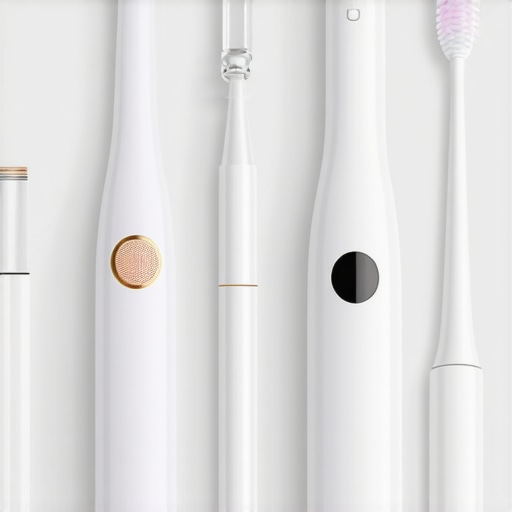 }}In my practice, I also emphasize the importance of routine diagnostics, and digital intraoral scanners like the iTero Element transform the way we monitor long-term health. They enable precise tracking of dental wear and early signs of issues, allowing adjustments before problems escalate. For passive maintenance, I recommend scheduling biannual professional cleanings with your dentist, such as those offered at family dentistry practices, ensuring tartar buildup stays manageable and early decay is caught. The trend I foresee is the integration of AI-powered apps that monitor your brushing habits, providing real-time feedback to enhance technique. To maximize your efforts, try setting an electric toothbrush timer to ensure you brush for the full two minutes, as neglecting proper duration diminishes effectiveness. Remember, combining high-quality tools with expert advice, like from trusted sources such as [the science behind teeth whitening](https://gentlesmiledentist.com/the-science-behind-teeth-whitening-achieve-stunning-results-fast), ensures your smile remains healthy and radiant for decades.
What I Wish I Knew When I Started Taking Care of My Family’s Oral Health
One of the biggest lightbulb moments was realizing that consistent, personalized care surpasses quick fixes. Tailoring oral hygiene routines to each family member’s unique needs, whether it’s a child with braces or an adult with sensitive teeth, makes all the difference in maintaining long-term health.
The Surprising Impact of Trust and Communication in Family Dentistry
Building a relationship with your dental provider fosters open dialogue and reduces anxiety. I learned that discussing fears and goals openly helps customize treatments like cosmetic or restorative procedures, leading to more satisfying and enduring results.
Why Patience and Small Wins Matter More Than Perfection
It’s tempting to aim for immediate transformation, but sustainable change often comes from celebrating tiny victories—like a week without thumb sucking or consistent flossing. Embracing progress over perfection eased my child’s resistance and built positive habits naturally.
My Favorite Tools That Made a Difference
From electric toothbrushes with smart timers to high-quality water flossers, investing in reliable tools shifted my family’s oral health from routine to routines that encourage thorough cleaning and better compliance. I personally trust brands like Philips Sonicare and Waterpik for their proven effectiveness and durability.
Encouraging Action Starts with Having the Right Information
Empowering yourself with knowledge about cosmetic trends and innovations, like contouring veneers or minimally invasive whitening, inspires confidence in making choices that enhance both health and appearance. For updates on the latest trends, I recommend exploring [cosmetic dentistry trends that transform your smile this year](https://gentlesmiledentist.com/cosmetic-dentistry-trends-that-transform-your-smile-this-year).