
I remember the moment vividly. My child’s appointment for a routine check-up suddenly turned alarming when the dentist pointed out tiny, almost invisible signs of enamel erosion. It was eye-opening—I had been giving her sugar-free juice thinking it was a healthy choice, yet somehow, it was quietly damaging her teeth. That realization hit me like a punch in the gut. Since then, I’ve learned that sugar-free does not always mean safe, especially for little teeth.
Why Your Child’s Sugar-Free Juice Habit Might Be Secretly Causing Damage
In my journey as a parent, I discovered a harsh truth: many parents fall into the sugar-free trap, believing these drinks are the safer alternative. Unfortunately, these beverages often contain acids like citric acid, which are just as corrosive to enamel as sugar. The taste masks their harmful potential, leading to a false sense of security. According to recent studies, acidic drinks—even those labeled sugar-free—can erode enamel and lead to cavities over time[^1]. The tricky part is that enamel erosion occurs silently, and by the time you notice discoloration or sensitivity, irreversible damage may have already set in. Early mistakes can be costly, and I admit, my biggest error was trusting marketing claims without reading ingredient labels carefully. Instead of rushing to buy those brightly colored bottles, I now know the importance of understanding what’s really inside.
Is Sugar-Free Juice Really Safe for Teeth? The Skeptical Mom’s Dilemma
Initially, I thought that switching to sugar-free options would be a win for dental health. However, I overlooked the hidden acids that damage enamel. Like many parents, I believed the myth that these drinks are benign. It’s a mistake I encourage others to avoid—taking time to scrutinize ingredients can save your child’s smile. For comprehensive insights, check out [common oral health myths busted](https://gentlesmiledentist.com/oral-health-myths-busted-what-every-family-should-know) to help you make informed decisions.
Understanding the real impact of dietary choices on your child’s dental health is crucial. The good news? There are simple, effective steps you can take to protect those precious teeth. In the upcoming sections, I’ll share practical tips that helped me safeguard her smile without constantly worrying about hidden dangers. Ready to stop unknowingly harming your child’s teeth? Let’s dive into what you can do today.
Implementing Effective Oral Hygiene Routines
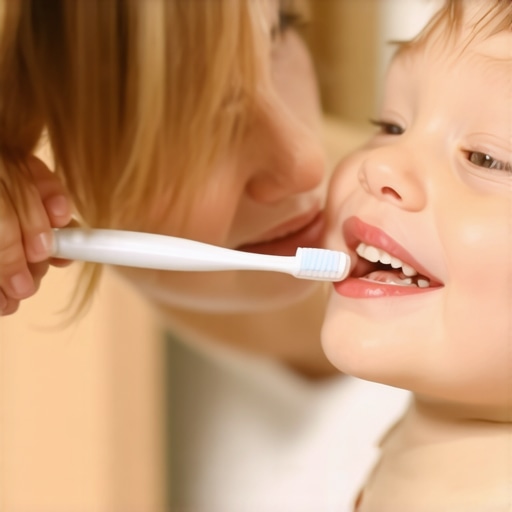
Start by teaching your child to brush twice daily with fluoride toothpaste, emphasizing gentle circular motions to clean all surfaces—not just the front teeth. I remember patiently guiding my 5-year-old through this process, turning it into a game to make it engaging, which surprisingly reduced fussiness and increased compliance.
Set a Consistent Brushing Schedule
Consistency reinforces good habits. I established a morning and night routine, using a visual chart to track progress. This visual cue helped my daughter associate tooth brushing with daily self-care, making it a valued part of her routine rather than a chore.
Limit Exposure to Acidic Drinks and Snacks
Reduce the frequency of giving your child sugar-free juices, especially between meals. I replaced her afternoon juice with plain water flavored with a splash of natural fruit infusion, which satisfied her craving while protecting her enamel. Also, avoid letting her sip acidic drinks over extended periods; sip by sip, acids continue to erode enamel. Using a straw can minimize contact, though it’s not foolproof. I learned that watching her consume acidic treats cautions me about timing and quantity, preventing unnecessary damage.
Encourage Healthy Snacking
Opt for crunchy vegetables or cheese, which not only satisfy snack cravings but also neutralize acids and provide calcium for strong teeth. I started packing small cheese cubes and carrot sticks, turning snack time into a mini nutrition lesson and reducing the allure of acidic, processed snacks that bind to teeth and cause harm.
Schedule Regular Dental Check-Ups
Professional cleanings are essential to remove plaque and tartar that home brushing might miss. During one visit, we addressed early signs of erosion, which prompted me to modify her diet further. Regular visits also allow your dentist to monitor enamel integrity and intervene early if necessary. For proactive care, I now coordinate dental visits every six months and ensure that my child’s dental health is always on track.
Choose Family-Friendly Dental Practices
Find a dentist experienced in pediatric and family dentistry, where the environment is welcoming and staff understand children’s needs. This reduces anxiety and encourages positive associations with dental care. I personally appreciated a clinic that offers topical anesthesia and gentle techniques, making treatments less intimidating.
Promote Hydration with Water First
Encourage your child to drink water after acidic consumption; it acts as a natural rinse, diluting acids and raising the pH in the mouth. I started keeping a water bottle handy, reminding her to sip throughout the day, which effectively buffers acids produced by bacteria and food remnants.
Educate About Oral Cavity Care
Explain in simple terms why avoiding acids and practicing good hygiene protect her smile. Sharing stories about superheroes with shiny teeth inspired her to take ownership of her dental health, transforming routine care into a fun, empowering activity. Modeling these habits yourself reinforces the message effectively.
Nurture a Tongue and Gums Care Routine
Using gentle tongue scrapers or brushing the tongue can reduce bacteria, limiting acid and plaque buildup. I found that a soft-bristled toothbrush used gently on her gums and tongue made a significant difference, especially since her gums were sensitive. Regular massaging with a clean finger also helped improve gum health and circulation.
Avoid Overly Acidic Dental Products
Opt for toothpaste and mouth rinses that are pH-balanced and free from harsh chemicals. I checked labels diligently, steering clear of products with artificial sweeteners or high acidity. This cautious approach prevents exacerbating enamel erosion.
Stay Informed and Vigilant
Read up on oral health myths and facts to dispel misconceptions, such as the false safety of sugar-free drinks. I regularly visit trusted dental websites to stay updated, which guides me in making informed decisions. For trusted advice, I recommend reviewing [common oral health myths busted](https://gentlesmiledentist.com/oral-health-myths-busted-what-every-family-should-know), ensuring my approach remains scientifically grounded.
 Many assume that visiting the dentist occasionally and brushing twice daily are enough to maintain optimal oral health. However, even seasoned patients often overlook subtle yet critical nuances that can undermine their long-term dental well-being. A common myth is that professional cleanings alone can prevent cavities and gum disease, but in reality, the science behind preventive care is more complex. Regular cleanings are essential, but they must be complemented by personalized at-home routines tailored to your unique oral environment. Overlooking this personalized approach can lead to unexpected issues such as enamel erosion or periodontal problems. For instance, some patients are unaware that certain toothpaste ingredients can be overly abrasive for sensitive gums, risking recession over time. Dive deeper into oral health myths and learn how to truly optimize your routine by reviewing [oral health myths busted](https://gentlesmiledentist.com/oral-health-myths-busted-what-every-family-should-know).
Additionally, many believe cosmetic dentistry is purely superficial, but advances in the field reveal substantial benefits beyond aesthetics. Procedures like teeth whitening and veneer placement can significantly boost confidence and even improve bite function when performed correctly. Yet, choosing the latest trend without understanding the underlying principles can lead to over-treatment or damage. This highlights the importance of working with a knowledgeable practitioner who considers both functional and esthetic outcomes. To explore how cosmetic measures can be integrated safely into your dental plan, visit [enhancing confidence with cosmetic dentistry](https://gentlesmiledentist.com/enhancing-confidence-with-cosmetic-dentistry-what-to-expect).
A common mistake is neglecting the nuanced signals your mouth sends. For example, persistent bad breath may not solely be a hygiene issue but could indicate systemic health concerns, such as diabetes or gastrointestinal issues. Recognizing these subtle signs and addressing them proactively is key to long-lasting oral and overall health. Regular dental visits and open communication with your practitioner are vital; they can detect warning signs early, saving you money and discomfort later. This approach aligns with recommendations from experts who emphasize comprehensive care over quick fixes. Learn more about the benefits of routine check-ups at [regular dental cleanings can save you money in the long run](https://gentlesmiledentist.com/how-regular-teeth-cleaning-can-prevent-major-dental-issues).
Now, consider the advanced knowledge around the impact of saliva composition on your dental health. Saliva not only lubricates but also neutralizes acids and remineralizes enamel. Factors such as medication, diet, and hydration levels influence salivary function, and ignoring these can be a silent pathway to decay. For example, dry mouth, or xerostomia, increases cavity risk, yet many overlook this condition’s significance. Managing it requires a tailored approach, including hydration strategies and possibly saliva substitute treatments. Understanding these nuances enables smarter, more effective care.
So, have you ever fallen into the trap of believing basic routines suffice, or dismissed subtle warning signs? Remember, the key to enduring oral health lies in appreciating the complex, often hidden factors that influence your teeth and gums. Stay proactive, stay informed. Want to learn more about how advanced dental practices can protect your family? Check out [preventive tips for long-lasting dental health for families](https://gentlesmiledentist.com/preventive-tips-for-long-lasting-dental-health-for-families). Let me know your thoughts below or share your experiences—together, we can demystify dental care for everyone.Achieving and maintaining a healthy, beautiful smile isn’t just about brushing and flossing; it requires the right tools and routines tailored to your unique oral health needs. One essential device I personally recommend is an ultrasonic toothbrush like the *Quip* or *Oral-B iO*. These toothbrushes utilize advanced oscillating-rotating technology that effectively disrupts plaque and reach areas manual brushes often miss, especially in hard-to-reach spots. I adopted an ultrasonic model early on because it provides consistent, gentle cleaning, which is crucial for sensitive gums and enamel preservation. Additionally, incorporating a water flosser like the *Philips Sonicare AirFloss* has transformed my approach to flossing by making it efficient and less tedious, particularly for my patients with braces or crowns. I choose water flossers because they remove debris and bacteria more thoroughly than traditional floss, helping to prevent periodontal issues and cavities over time. In terms of monitoring and tracking progress, I rely on dental apps such as *MySmile* or *Dental Monitoring*, which allow me to remotely review oral health through images and provide personalized feedback. These tools help catch issues early, reducing costly interventions later. As trends in digital dentistry evolve, I predict an increased shift toward AI-powered home assessment devices that can analyze oral health status and suggest immediate actions, fostering a proactive rather than reactive approach. To keep your routine effective, consider scheduling check-ins with your dentist every six months and using these tools to track improvements or early warning signs. How do I maintain my tools over time? Regularly replacing brush heads—every three months—is vital for optimal performance. For water flossers, descaling and cleaning the reservoirs monthly prevent bacterial buildup. Thinking about integrating these tools into your routine? Give an ultrasonic toothbrush and water flosser a try—they truly make a difference in long-term oral health. For more insight into common myths and effective practices, see [oral health myths busted](https://gentlesmiledentist.com/oral-health-myths-busted-what-every-family-should-know). Keep your tools in top shape, and your smile will thank you for years to come.
What I Learned in the Trenches of Dental Care—And What You Can Take Away
One of my most eye-opening moments was realizing that even seemingly small habits can have profound long-term effects on a child’s oral health. Omitting regular flossing or glossing over early signs of erosion might seem trivial at the moment, but over time, they accumulate into costly, uncomfortable issues. The core lesson? Consistent, personalized care beats quick fixes every time. Knowing this changed the way I approach my family’s dental routine, emphasizing not just routine visits, but active, informed participation in each step of oral health maintenance.
Equally, I discovered that trusting evolving technology and staying ahead of dental innovations truly empower your preventive efforts. Tools like at-home digital monitors and AI-driven apps help me catch early signals of trouble, often before symptoms become visible or painful. This proactive mindset helps me avoid emergencies and makes dental visits more about reinforcement than correction. Remember, the future of flawless oral health isn’t just in what your dentist does—it’s in how informed and engaged you are every day.
My Must-Have List for Effortless Family Dental Success
- Smart toothbrushes: Devices like the Oral-B iO or Quip, with their advanced oscillating technology, make daily cleaning thorough and gentle, especially for sensitive gums. They’re my secret weapon against plaque buildup.
- Personalized dental apps: Tools like Dental Monitoring enable me to share photos with my dentist and get feedback without leaving home. This seamless communication keeps us on track and helps detect issues early.
- Informative resources: Trusted websites like the comprehensive oral health myths busting page ([link](https://gentlesmiledentist.com/oral-health-myths-busted-what-every-family-should-know)) are invaluable for dispelling misconceptions and reinforcing evidence-based practices.
- Engaging educational materials: Kids’ books or videos about dental care turn routine routines into fun, collaborative adventures. They empower children to take ownership of their smiles and foster lifelong habits.
Seize Your Smile Momentum Today
Optimizing your family’s dental health is an ongoing journey, and every positive step builds toward a future of confident, healthy smiles. Whether it’s adopting smarter tools or simply being more attentive to early signs, your actions today set the stage for a lifetime of oral wellness.
Are you ready to rethink your approach and embrace proactive, personalized dental care? Share your experiences or challenges below—I’d love to hear what’s worked for your family or what you’re eager to try next!