
I remember the moment vividly. Sitting across from my son after his routine dental checkup, I noticed his smile looked a little off—his front teeth seemed misaligned, and there was a slight overlap that I hadn’t really paid attention to before. It hit me like a lightbulb: could this tiny imperfection be a sign of something bigger? As a parent, I’ve learned to overlook small quirks, thinking they’ll sort themselves out. But sometimes, those little signs are clues pointing to potential future issues.
Why Parents Should Pay Attention to Subtle Dental Clues
Many parents assume that orthodontic treatment is only necessary for teens or when problems become obvious—crooked teeth, difficulty chewing, or noticeable gaps. However, the truth is, early signs can appear much sooner, even during childhood. Recognizing these signs early on can save you from costly, invasive procedures down the line.
For years, I thought orthodontic corrections were something to consider only when a child reaches adolescence. That was a mistake. Studies show that about 20% of children display signs of misalignment that could benefit from early intervention (American Association of Orthodontists). My mistake was ignoring the small indicators—like thumb-sucking habits or uneven jaw growth—that suggested my son might need braces earlier than I anticipated.
So, what signs should you be watching for? And how can knowing them change how you approach your child’s dental health? That’s exactly what I’ll help you uncover today. brace early, possibly even before your child’s permanent teeth emerge fully, can significantly influence their oral health future. But first, let’s tackle some of the biggest concerns and misconceptions about early orthodontic assessments.
Is it really worth rushing to the orthodontist early?
I once hesitated, worried about unnecessary treatments or making my child uncomfortable. But delaying can sometimes allow minor issues to develop into more serious problems that require extensive correction. A mistake I made early on was waiting until problems became obvious—by then, my child’s treatment options were more limited, and the process was more complex.
This hesitation is common, but understanding the benefits of early evaluation can empower you to make informed decisions for your child’s smile. Curious about the signs you might be missing? Or how to get started with a gentle, effective approach? Keep reading—we’re about to dive into the specific cues that your child’s dental development might be signaling the need for early intervention.
Identify Subtle Indicators Regularly
Begin by making it a habit to observe your child’s mouth during routine activities. Look for signs like uneven jaw growth, thumb-sucking habits persisting beyond age three, or frequent mouth breathing. During a casual moment, I noticed my son’s uneven bite after he yawned—taking note of such cues is crucial for early detection.
Schedule Prompt Dental Evaluations
Once you notice potential signs, book an appointment with a family dentist who specializes in early orthodontic assessments. During this visit, ask specific questions about your child’s bite and jaw development. I learned that early exams can often reveal issues not apparent in casual observation, making it easier to address problems proactively.
Understand Diagnostic Tools and Processes
Practitioners often use panoramic X-rays and intraoral scans to evaluate growth patterns and tooth development. When I accompanied my son for his assessment, the dentist used a quick, comfortable scan to identify slight misalignments that could be corrected before they worsened. These tools are invaluable for planning effective interventions.
Implement Behavior Modifications and Preventive Measures
Address habits like thumb-sucking or tongue thrusting that may contribute to misalignment. Using positive reinforcement or introducing special orthodontic appliances can help curb these behaviors. I introduced a reward system for my son to discourage thumb-sucking, which significantly reduced the habit within weeks.
Begin Early Orthodontic Treatments if Recommended
Interventions such as space maintainers, removable appliances, or expanders can guide jaw growth and prevent severe misalignment. I decided to proceed with a palatal expander after the dentist explained how it could create space for emerging permanent teeth, simplifying future orthodontic treatments. Starting early often minimizes the need for extensive braces later.
Maintain Consistent Oral Hygiene Routines
Enhanced oral care is vital during treatment. Regular brushing, flossing, and using recommended mouth rinses prevent decay and ensure treatment success. I made it a point to supervise my child’s oral hygiene, turning it into a fun daily routine, which improved compliance and overall oral health.
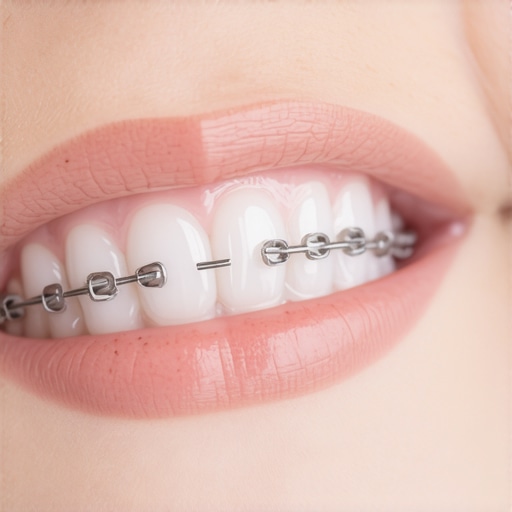
Visual guide on early orthodontic appliances and their benefits.
Monitor Development and Follow Up Diligently
Schedule periodic check-ups to track progress and make adjustments. Keeping a dental journal or noting changes helps catch issues early. I maintained a simple chart to record my son’s growth milestones, facilitating easier communication with the dentist during follow-up visits.
Educate Yourself and Stay Informed
Read reputable articles and guides to understand signs and treatment options better. For deeper insights, explore topics like the science behind teeth whitening or family oral health secrets to empower your decisions.
Many assume that visiting the dentist regularly and brushing twice daily guarantees perfect oral health—that’s a common myth. In reality, oral health is nuanced, and overlooking these subtleties can lead to overlooked issues and long-term damage. For instance, some believe that professional teeth cleaning is merely cosmetic, but recent studies highlight that consistent, gentle cleaning using best practices can significantly prevent future cavities and gum disease (see our article on [gentle teeth cleaning best practices](https://gentlesmiledentist.com/gentle-teeth-cleaning-best-practices-for-sensitive-gums)). Another misconception is that whitening treatments are purely superficial; however, advancements in cosmetic dentistry now address underlying enamel health alongside aesthetic enhancement. Many don’t realize that aggressive brushing or overuse of whitening products can harm enamel, leading to increased sensitivity—an advanced mistake often made by unaware patients.
What advanced signs show that your oral hygiene habits need updating?
Paying attention to early indicators such as micro-cavities, gum recession, or even subtle enamel erosion can save you from invasive procedures later. Incorporating diagnostic tools like digital scans enables dentists to detect these issues well before they manifest visibly. During my practice, I’ve seen patients who ignored minor symptoms, only to face severe decay. Regular evaluations in family dentistry should include discussions about habits, diet, and emerging risks. For example, habitual mouth breathing—often dismissed—can cause dry mouth, fostering plaque buildup and increasing caries risk, as detailed in our [preventive tips for long-lasting dental health](https://gentlesmiledentist.com/preventive-tips-for-long-lasting-dental-health-for-families). Moreover, common myths about flossing abound; some believe that flossing is optional or ineffective if gums bleed initially, but ongoing research underlines that flossing prevents periodontal disease—a leading cause of tooth loss. Remember, the goal is not just clean teeth but sustained oral tissue health. Advanced practitioners also emphasize that cosmetic dentistry isn’t solely about veneers or whitening; it’s about understanding bite dynamics and jaw health. Misaligned teeth can cause uneven wear or TMJ issues, which are often mistaken for purely aesthetic concerns. Exploring innovations like contouring or veneers warrants an understanding of the underlying skeletal structure to ensure lasting results. Using laser-assisted contouring techniques, for example, can produce natural-looking results while minimizing tissue trauma, a breakthrough worth exploring. To sum up, recognizing subtle signs and understanding your unique oral health risks empower you to make proactive choices. Are you aware of your risk factors? Have you ever fallen into this trap? Let me know in the comments. Regular, personalized evaluations—combined with accurate knowledge—are the keys to maintaining a healthy, confident smile for life.Maintaining optimal oral health over time requires more than just routine brushing and occasional dentist visits. Investing in the right tools and adopting effective methods can make a significant difference in preserving your smile. One essential device I personally rely on is an ultrasonic sonic toothbrush, like the Sonicare DiamondClean. Its superior plaque removal and gum stimulation capabilities help me achieve a thorough clean that manual brushes often miss, especially in hard-to-reach areas. Additionally, incorporating an intraoral camera, such as the Bellus3D FaceScan, during dental visits allows for detailed visualization of gum health and enamel condition, empowering patients to understand their oral health status better — I recommend discussing this technology with your dentist to get tailored advice. For preventative measures, using water flossers like Waterpik Advanced, which I use daily, effectively cleans between teeth and along the gumline without causing trauma, reducing the risk of periodontal issues. Regular use of professional-grade whitening systems, like Philips Zoom, ensures my teeth stay bright and healthy, but I always complement whitening with gentle toothpastes free of abrasives, such as Tom’s of Maine, to prevent enamel erosion. Looking ahead, the trend is shifting toward integrating dental health tracking with smart devices, allowing real-time monitoring of oral hygiene routines — I believe this will empower even better long-term results. How do I keep my tools working effectively over time? Simple: I follow manufacturer instructions diligently, replace brush heads every three months, and schedule regular professional cleanings to ensure my tools and oral health regime stay optimal. As a tip, always clean your electronic toothbrush heads after each use and store them in dry, ventilated areas to prevent bacterial buildup. For a deeper dive into maintaining your smile’s sparkle, visit our guide on maintaining oral health for life. Using advanced tools like these has genuinely transformed my approach to dental care, making it less about reactive treatments and more about proactive prevention. I highly encourage you to try integrating a high-quality ultrasonic toothbrush into your routine—see the difference it makes in your long-term results.
What I Wish I Had Known About Tiny Dental Clues
One of the biggest lessons I’ve learned is that small signs like a slightly crooked bite or persistent thumb-sucking can reveal much more about your child’s oral health than meets the eye. These subtle indicators often serve as important wake-up calls, showing us that early intervention could save your family from future discomfort or costly procedures. Trust me, catching these clues early makes all the difference in crafting a healthy, radiant smile that lasts a lifetime.
The Treasure Map to Your Family’s Oral Wellness
After years of personal experience and professional work, I’ve compiled a list of go-to tools and resources that truly changed how I care for my family’s oral health. From beginner-friendly books like the science behind teeth whitening to innovative devices such as ultrasonic toothbrushes I swear by, each resource offers invaluable insights. Implementing these tools has empowered me to stay proactive rather than reactive, ensuring my loved ones’ smiles remain vibrant and healthy.
A Personal Message to Inspire Your Family’s Next Step
Your family’s smiles are more than just aesthetic; they’re a reflection of overall health and confidence. Taking even small strides today—like scheduling that early dental exam or incorporating gentle cleaning routines—can profoundly impact your loved ones’ futures. Remember, you don’t have to do it alone. Embrace the journey toward optimal oral health, and watch as your family’s confidence and well-being flourish.