
It was a morning like any other, but I noticed something off when I looked in the mirror—my smile didn’t quite shine the way it used to. As someone who cares deeply about oral health and cosmetic dentistry, I realized I had fallen into a common trap: neglecting proper aligner hygiene. That lightbulb moment changed everything for me, and I want to share what I’ve learned with you.
The Real Reason Proper Cleaning of Invisalign Aligners Matters
If you’ve ever struggled to keep your Invisalign aligners fresh and clear, you’re not alone. I used to think that simply rinsing them would do the trick. But quickly, I discovered that neglecting proper cleaning can lead to buildup, bad odors, and even compromised treatment results. Maintaining your aligners isn’t just about aesthetics; it’s about protecting your oral health and ensuring your smile looks and feels its best.
Before I mastered the step-by-step process, I made a few mistakes. Early on, I used harsh brushes and strong mouthwash, thinking I was doing a thorough job. Instead, I was damaging the plastic and missing out on proper sanitation. It’s a mistake I see many people make, and it can be avoided with a simple routine.
According to dental experts, bacteria and plaque can accumulate on aligners, leading to cavities, gum issues, and bad breath. In fact, research suggests that poor aligner hygiene can increase bacteria levels in the mouth, undoing the benefits of orthodontic treatment (source: https://gentlesmiledentist.com/the-ultimate-guide-to-teeth-cleaning-techniques-and-benefits). That’s why I want to guide you through an effective, safe, and easy cleaning routine.
Are you tired of battling bad odors or wondering if your aligners are truly clean? If yes, then stick around. I’ll walk you through every step to keep your aligners spotless, protect your oral health, and make your treatment a success.
Now, let’s get into the practical details of how you can master your aligner cleaning routine without fuss or guesswork—and enjoy that fresh, confident smile every day.
Set Up Your Cleaning Station
First, gather your supplies: a soft-bristled toothbrush, mild soap or Aligner-specific cleaning crystals, and a clean cup of lukewarm water. I once tried to clean my aligners in the sink without these, which led to dropped pieces and a messy cleanup. By creating a dedicated station, I minimized mishaps and made cleaning more efficient.
Rinse Immediately After Removal
As soon as you remove your aligners, rinse them under lukewarm water to wash away saliva and loose debris. Think of this step as rinsing a paintbrush to prevent paint from drying on it—quick rinses keep your aligners clear and reduce bacterial buildup.
Brush Gently but Thoroughly
Next, apply a small amount of mild soap or crystals to your soft toothbrush. Gently brush all surfaces, including the edges, for about 30 seconds. I learned this actively when my aligners appeared cloudy despite rinsing; gentle brushing removed film without damaging the plastic. Avoid using toothpaste, as its abrasiveness can cause tiny scratches that trap plaque.
Use Proper Cleaning Solutions
Soak your aligners in an approved cleaning solution for 15-20 minutes. Some prefer aligne-specific crystals dissolved in water, akin to making a gentle bath for your dental appliance. I tried this after a particularly stubborn coffee stain; the solution loosened discoloration without risking enamel damage. Avoid harsh chemicals, bleach, or mouthwash, which can degrade the plastic.
Rinse and Dry Completely
After soaking, rinse your aligners thoroughly with lukewarm water to remove any residues. Pat them dry with a soft towel or let them air dry on a clean surface. I remember rushing to wear my aligners without drying, which sometimes caused sticking or distorted shapes. Ensuring they’re dry prevents the growth of bacteria and keeps them comfortable to wear.
Maintain a Consistent Routine
Set specific times—morning and night—to clean your aligners, forging a habit that ensures cleanliness. Think of it like brushing your teeth; consistency prevents plaque buildup and bad odors. When I stuck to a routine, I noticed my aligners stayed clearer longer, and my breath stayed fresher.
Store Properly When Not in Use
Always store your aligners in a ventilated case to prevent dust and bacterial exposure. Avoid leaving them in napkins or disposable tissues, which I mistakenly did once, leading to a lost piece. Proper storage complements your cleaning routine by keeping your aligners hygienic and ready for the next wear.
Many people assume that brushing twice daily and visiting the dentist once a year are sufficient for lifelong oral health, but as an expert in dental care, I can tell you there’s more beneath the surface. One common misconception is that regular cleanings alone prevent all issues—yet, neglecting advanced nuances, like understanding the limitations of over-the-counter whitening or misinterpreting gum recession signs, can lead to long-term problems. For example, many believe that all whitening products are safe, but using untested options can cause enamel erosion or gum irritation. A crucial nuance often overlooked is the role of saliva pH balance; maintaining an optimal pH prevents cavities and enamel demineralization, yet most ignore their diet’s impact here. Studies show that acidic foods and beverages can drastically lower oral pH, increasing decay risk and undoing your whitening efforts over time (source: https://gentlesmiledentist.com/oral-health-myths-debunked-what-you-need-to-know-in-2025).
Investing in Quality Tools for Dental Maintenance
Maintaining excellent oral health over time requires more than just routine visits to the dentist; it hinges on the tools you use daily. I personally swear by certain equipment that guarantees effective cleaning and preservation of your radiant smile. For instance, I choose the Sonicare DiamondClean toothbrush because its ultrasonic vibrations reach areas standard brushes often miss, significantly reducing plaque buildup. Additionally, I use dental magnifying mirrors during my routine checks; they provide a detailed view that helps me catch early signs of recession or plaque accumulation before they escalate.
Why Electric Toothbrushes Make the Difference
Unlike manual brushes, electric models like the Oral-B Genius X utilize oscillating-rotating technology that dislodges plaque efficiently, decreasing gum inflammation and preventing long-term issues. Personally, I prefer models with pressure sensors because they alert me when I’m brushing too hard—avoiding damage to enamel and gums. As dentistry advances, SMART brushes synced with smartphone apps are gaining popularity, offering real-time feedback and personalized brushing plans, which I find invaluable for maintaining a consistent, effective routine.
Advanced Flossing Tools for Gums and Between Teeth
Modern flossing isn’t limited to traditional string; I recommend water flossers like Waterpik Sonic-Fusion due to their combination of traditional flossing and water pulsing technology. They effectively remove debris from difficult-to-reach areas and stimulate gum tissue. I’ve found that employing a water flosser daily prior to brushing not only enhances cleanliness but also reduces sensitivity in my gums—especially critical for those with recession or sensitive roots.
Embracing Technology to Track Your Oral Health
Digital tools like teeth-whitening apps or oral health tracking devices help monitor your progress over time. I utilize a simple app that logs my brushing duration and frequency, keeping me accountable. These technologies aid in identifying patterns, so you can adjust habits proactively. In the future, expect AI-driven diagnostics that can analyze images of your teeth, flagging potential problems early—much like what orthodontic practices are exploring now.
How do I maintain my dental tools and routines over the years?
Proper maintenance of your tools is crucial. Rinse and dry electronic devices thoroughly after each use, and replace brush heads every three months to ensure they perform optimally. Regularly disinfect water flossers and toothbrushes using UV sterilizers or boiling water to prevent bacterial growth. Scheduling periodic professional cleanings complements this upkeep, ensuring long-term success. For comprehensive tips on maintaining your overall oral health routine, check out this guide. Remember, integrating high-quality tools with consistent practices maximizes benefits and preserves your investment in a healthy, confident smile.
Start exploring these advanced tools today; even trying out a water flosser can dramatically improve your oral hygiene routine. Keep your equipment in prime condition, and you’ll enjoy long-lasting results that make family visits to the dentist more about keeping your smile perfect rather than fixing issues.
What I Wish I Knew Before Diving Into Optimal Oral Hygiene
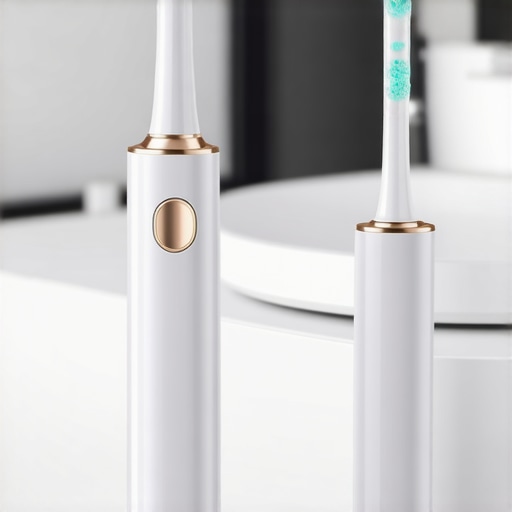
- It dawned on me that the tiny details—like the type of toothbrush I used—could make all the difference in my dental health. Personal experience taught me that investing in a high-quality, electric toothbrush with smart technology significantly improved my plaque control and gum health.
- I learned that not all cleaning routines are created equal. Simple rinsing isn’t enough; integrating gentle brushing with specific cleaning solutions prevented bacterial buildup on my aligners and teeth, showcasing that consistency and purpose in my routine are key.
- Understanding the importance of tools like water flossers transformed my approach. They reached areas traditional flossing missed, boosting my gum health and reducing sensitivity. It’s a reminder that embracing innovative tools can elevate your routine beyond basic care.
Tools and Resources That Elevated My Smile Game
- Sonicare DiamondClean Toothbrush: Its ultrasonic vibrations and app integration made my daily brushing more effective and mindful. I trust it because it’s backed by dental professionals and offers real-time feedback for better habits.
- Waterpik Sonic-Fusion: Combining water flossing with traditional flossing, this tool cleared debris from hard-to-reach areas. Its proven efficacy in reducing plaque made it an indispensable part of my oral care toolkit.
- Dental Magnifying Mirrors: Using a magnified mirror during routine check-ups helped me spot early signs of issues, enabling proactive measures. Personal experience reinforced that attention to detail saves time and expense later.
Embrace Your Smile’s Future Today
Your oral health is more than a routine—it’s a journey of continuous discovery and improvement. By applying these lessons and leveraging trusted tools, you can achieve a healthier, more radiant smile that boosts confidence and overall well-being. Remember, small daily habits compound into lifelong benefits. Why wait to start your transformation? Take the first step today and explore how your routine can become a powerful ally in your oral health. For personalized advice or to discuss your unique needs, don’t hesitate to reach out. Together, we can craft a plan that keeps your smile shining bright for years to come. What’s one new habit you’re excited to try to upgrade your dental routine?