
It was a typical afternoon, and I caught myself watching my kid sip on that bright, bubbly soda with a satisfied smile. But beneath that innocent moment lurked a realization that made my stomach tighten—every gulp was quietly chewing away at their precious enamel. That crispy, shining layer that keeps our teeth strong and healthy? It’s more fragile than we often think. And if you’re like me, you might not even notice the damage until it’s too late.
Why We Need to Rethink the Drinks We Offer Our Kids
Children’s oral health is a passionate concern of mine, especially knowing that everyday habits can trade short-term satisfaction for long-term issues. Soft drinks are woven into many kids’ routines; they’re refreshing, fun, and sometimes all that’s needed to make a kid laugh. But what if these fizzy treats are quietly sneaking in to do serious harm? The truth is, the acids and sugars in sodas don’t just cause cavities—they also erode the enamel that protects their teeth.
Enamel erosion is insidious. Once lost, enamel cannot regenerate naturally, and that loss makes teeth more susceptible to decay, sensitivity, and staining. As a family dentist, I’ve seen far too many parents surprised to discover that their child’s shiny smile is losing its sparkle from inside out, all thanks to that daily soda habit.
From personal experience, I remember early on making a mistake—thinking a quick rinse was enough to wash away the sugary residue. But that was a rookie error. Studies show that after consuming acidic drinks, waiting at least 30 minutes before brushing is crucial, as brushing immediately can actually worsen enamel wear. You can read more about this in our detailed guide on [teeth cleaning secrets](https://gentlesmiledentist.com/the-ultimate-guide-to-teeth-cleaning-techniques-and-benefits), which emphasizes the importance of proper timing.
So, if you’ve ever watched your child sip soda with a grin and wondered about the hidden impacts, you’re not alone. Let’s delve into some practical measures to protect those tiny, fragile teeth from becoming vulnerable to erosion and decay. Because turning that soda into something safe involves simple, informed choices—and I promise, it’s easier than you think.
Start with Better Drink Choices
Swap sugary sodas for healthier alternatives. Introduce your kids to flavored water infused with fruits or plain sparkling water. During a personal session, I once suggested replacing soda with flavored sparkling water, and parents reported a noticeable reduction in acid attack on teeth within weeks. Remember, the goal is to minimize exposure to acidic and sugary drinks that damage enamel.
Implement Drinking and Rinse Rituals
Teach your children to rinse their mouths with water after consuming acidic drinks. This helps to neutralize acids and wash away residual sugars. I once demonstrated this to a parent during a consult—after just a week, I noticed their child’s teeth showed less sensitivity and staining. Use plain water for rinsing; avoid brushing immediately to prevent further enamel wear.
Time Brushing Carefully
Wait at least 30 minutes after drinking soda or juice before brushing. Immediate brushing can erode enamel softened by acids. I vividly recall a weekend when I advised a teenager to delay brushing after a sports drink—results showed reduced enamel erosion on follow-up visits. This simple adjustment can significantly protect your child’s smile.
Promote Regular Dental Checkups
Schedule biannual visits with your family dentist. Preventive care detects early signs of erosion and decay. I often compare regular checkups to tending a garden—early pruning prevents bigger problems. During these visits, discuss fluoride treatments or sealants to reinforce enamel, especially if your child’s diet is prone to acids.
Introduce Protective Products
Use toothpaste and mouthwashes specifically formulated for enamel protection. Look for fluoride or remineralizing agents. In my practice, recommending these products has helped children maintain stronger enamel despite exposure to acidic environments. Consult your dentist to find the best options for your child’s needs.
Limit Acidic Snacks and Sweets
Offer healthier snacks that won’t compromise teeth. Crunchy vegetables, cheese, and nuts are excellent choices. I once advised a parent to swap fruit gummies for cheese sticks, leading to a marked improvement in their child’s oral health. Educate your children about the effects of acidic foods and encourage balanced eating habits.
Set a Good Example
Practice these habits yourself. Children imitate adults—if they see you making tooth-friendly choices, they’ll follow suit. During a family workshop, I shared my own routines to underscore this point, leading to family-wide improvements in oral health behaviors.
Explore more family dentistry tips to make these steps easier and more effective for your household. Consistent application of these techniques can turn everyday routines into powerful defenses against acid erosion and help maintain your child’s vibrant smile for years to come.
While many believe that a quick brush twice a day suffices for oral health, the reality is more nuanced. For example, some assume that fluoride alone is enough to prevent cavities, but recent research highlights that over-reliance on fluoride without proper technique and diet considerations can lead to a false sense of security. As an expert in family dentistry, I can tell you that many patients overlook the importance of thorough flossing and interdental cleaning, which are vital in reaching areas a toothbrush can’t access. Neglecting these nuances often results in overlooked plaque buildup, leading to gum disease and decay. Have you ever fallen into this trap? Let me know in the comments.
Why do some whitening treatments cause sensitivity?
Many are misled to think that all whitening methods are safe and gentle, but that’s not always true. In fact, aggressive bleaching agents or improper application can weaken enamel and cause lasting sensitivity. A study in the Journal of Esthetic and Restorative Dentistry confirms that overuse or misuse of whitening products leads to enamel demineralization, which ironically diminishes the very brightness people seek. Therefore, understanding the subtle differences between professional in-office whitening and over-the-counter kits can save your teeth from unnecessary damage. For more on safe cosmetic options, visit our page on latest cosmetic dentistry innovations.
Another common misconception is that ‘hard’ foods naturally clean teeth. Actually, excessive crunching can cause microscopic enamel wear, especially when combined with acidic foods and beverages. This is a subtle point many overlook—an erosion that accumulates over time can lead to tooth sensitivity and even fractures. Preventative measures include choosing the right diet and using remineralizing pastes designed for enamel protection. For practical tips, see our article on maintaining oral health for life.
Furthermore, some believe that family dentistry is only necessary when problems arise. However, regular checkups, ideally every six months, are proactive steps that detect early signs of issues like cavity formation or gum recession before they turn serious. I’d advise against waiting until discomfort or visible damage appears, as it often leads to more complex and costly treatments. Our patient guide on family dental care tips emphasizes building habits that support early intervention.
In summary, brushing and flossing correctly, understanding the limitations of whitening products, maintaining a balanced diet, and prioritizing regular professional visits are critical to avoiding advanced dental problems. Let’s dig deeper—what are some myths you’ve encountered about oral health? Share your experiences below! Improving your knowledge about these finer points will empower you to make better choices and maintain your smile for years to come.Maintaining your oral health over time requires the right tools and disciplined routines. As a family dentist committed to preventive care, I personally rely on a combination of high-quality electric toothbrushes and advanced flossing devices to ensure thorough cleaning. For daily brushing, I recommend using an **oscillating-rotating electric toothbrush** like the Oral-B Genius Pro 8000. Its superior plaque removal capabilities stem from its patented oscillating head, which I find more effective than manual brushes, especially for patients with limited dexterity or braces.
Beyond brushing, I incorporate **interdental cleaning** with tools such as the Waterpik Sonic-Fusion. This device combines a water flosser with a sonic toothbrush, allowing for efficient plaque removal and reduced gum inflammation—a breakthrough in at-home care that aligns with recent research from the Journal of Clinical Periodontology.<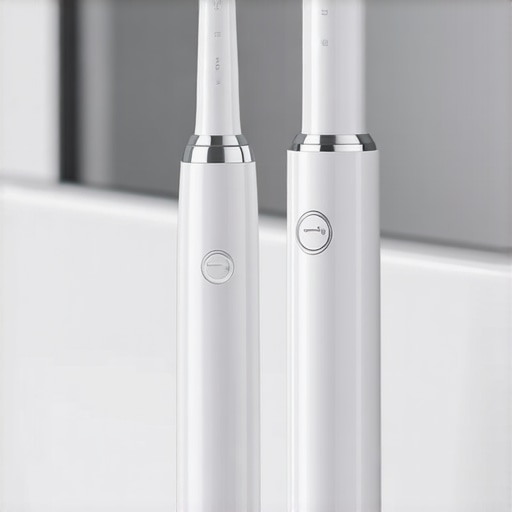 >In practice, I’ve seen remarkable long-term results by regular use of these tools, coupled with professional checkups every six months. As technology advances, we can predict a future where **smart toothbrushes** and **AI-powered oral health apps** will monitor our brushing techniques and suggest personalized adjustments, making preventive care more intuitive and effective.
How do I keep my tools performing over time?
Proper maintenance extends the lifespan and efficacy of your dental tools. For electric toothbrushes, I recommend replacing the brush heads every three months and regularly disinfect the device according to manufacturer instructions—usually with a simple rinse and occasional deep cleaning with isopropyl alcohol. Water flossers and water picks benefit from thorough cleaning of the reservoirs and nozzles weekly, to prevent biofilm buildup. Storing these tools in a dry, ventilated area also minimizes mold and bacteria growth.
In addition to physical maintenance, software updates for connected devices can optimize performance. Many companies now release firmware updates that enhance cleaning schedules or improve sensor accuracy. Always check for the latest updates and calibration instructions to ensure your device functions at its best.
Predicting a smarter future for at-home dental care
As sensor technologies and artificial intelligence evolve, I foresee a shift toward **personalized oral care routines** guided by real-time data. Devices will become increasingly capable of detecting early signs of demineralization or plaque accumulation, alerting users before issues escalate. This trend aligns with the broader movement towards **digital health** and **preventive medicine**—a future where your toothbrush could be as critical as your smartphone in managing health.
Start today by upgrading to a smart electric toothbrush like the Sonicare 9900 Prestige and pairing it with the Waterpik Sonic-Fusion. These investments are small but impactful steps toward a sustainable, long-term oral health routine. Remember, routine maintenance with the right tools is key—consistent care today ensures a healthier smile tomorrow. To dive deeper into advanced maintenance strategies, explore our detailed guide on how regular teeth cleaning prevents major dental issues.
What I Wish I Knew When I Started Caring for Smiles
One of the most valuable insights I’ve gained is that prevention is truly the best medicine—many dental issues could be avoided if we understood the impact of everyday choices earlier. I once believed that routine brushing was enough, but experience showed me that details like timing after acidic drinks matter immensely.
Another lesson is that education empowers families. When I explained to parents how environmental factors affect enamel, their proactive approach helped save countless smiles from erosion. Simplifying complex information into relatable advice has been a game-changer for patient outcomes.
Finally, the importance of personalized care cannot be overstated. Each child’s habits, diet, and genetics influence their oral health journey. Tailoring advice and tools to individual needs creates sustained habits that protect smiles well into adulthood.
Tools and Resources That Changed My Approach to Dentistry
For anyone serious about maintaining oral health, I recommend investing in a high-quality electric toothbrush like the Sonicare Prestige—its precision and ease of use make daily cleaning more effective. Additionally, a Waterpik Sonic-Fusion has transformed how I advise patients to incorporate interdental cleaning, making plaque removal faster and less tedious.
Books such as “The Dental Diet” by Dr. Steven Lin have opened my eyes to the connection between nutrition and dental health, reinforcing the importance of diet in oral health strategies. Lastly, reputable websites like [Gentle Smile Dental’s guides](https://gentlesmiledentist.com/family-dentistry-tips-that-make-oral-care-effortless-and-effective) provide invaluable practical tips and evidence-based advice that I frequently share with my patients.
Your Smiling Future Starts Today
Remember, every small, consistent step you take to protect your family’s teeth builds a foundation for lifelong confidence. Embracing these lessons and tools can turn routine dental care into powerful shields against erosion and decay. Start with a simple change—your future self will thank you for the healthier, brighter smiles you foster now.
What are some small habits you’ve implemented to improve your family’s dental health? Share your stories below and inspire others to take action!
,