
It hit me unexpectedly one morning—I took a bite of a juicy orange, and suddenly my teeth shot with sharp pain. The zing of citrus, which should have been refreshing, became a reminder of my sensitivity problems. I remember feeling frustrated, puzzled, and honestly a bit embarrassed to admit that even simple things like fruit could cause such discomfort. But that lightbulb moment led me to discover a straightforward tactic that changed my life—I stopped dreading my favorite snacks and started enjoying them again.
The Struggle We Don’t Talk About Enough
Tooth sensitivity is surprisingly common, yet many of us hesitate to discuss it. It’s as if suffering in silence is just part of aging or a natural consequence of dental care. But here’s the truth: you shouldn’t have to endure discomfort every time you reach for a citrus or sip something cold. I’ve been there, and I want to tell you that relief is possible without complicated procedures or expensive treatments.
Is the Hype About Special Toothpastes Really Worth It?
Early on, I made the mistake of thinking that switching to fancy, supposedly desensitizing toothpaste would solve everything. Spoiler: it didn’t. What I didn’t realize was that a lot of so-called quick fixes only masked the problem temporarily. I wasted money on several brands before discovering the simple tactic I’ll share today. Trust me, sometimes the best solution isn’t what the ads promote—it’s about understanding your teeth and taking practical steps, instead of just masking symptoms.
Did you know that according to the American Dental Association, approximately 20% of adults experience tooth sensitivity, and many don’t seek help because they think it’s inevitable? That’s a huge number of people suffering needlessly. The good news is, with a few minor adjustments, you can significantly reduce or even eliminate this discomfort.
So, are you tired of the fleeting relief from mints or over-the-counter remedies that don’t last? Keep reading—I’m going to reveal the simple tactic that finally worked for me, and I believe it can do the same for you. But first, let’s get clear on what might be causing your citrus sensitivity and how you can start addressing it today.
Switch to Gentle Oral Care Routines
Start by using a soft-bristled toothbrush, which is like giving your teeth a gentle massage instead of scrubbing with a wire brush. I remember one morning when I replaced my stiff old brush with a super-soft one; the change was immediate—less gum irritation and reduced sensitivity. Be sure to brush twice daily with a toothpaste formulated for sensitive teeth, but don’t rely solely on fancy labels—look for ingredients like potassium nitrate which helps block pain signals.
Avoid Trigger Foods and Drinks
Citrus, even when consumed in small amounts, can trigger sharp pain. I learned this the hard way during a breakfast of orange juice—sharp discomfort shot through my teeth. To reduce sensitivity, steer clear of acidic foods and drinks, especially those you’re fond of. Instead, opt for neutral or non-acidic options, especially after meals. Remember, it’s about protecting your enamel, like a shield for your teeth, which can be compromised by frequent exposure to acids.
Use remineralizing Products
Topical applications that promote remineralization can fill tiny cracks and strengthen enamel. I tried a mineral gel recommended by my dentist, which I applied before bed. Over weeks, I noticed my teeth felt sturdier, and hot or cold sensations diminished. Look for products containing fluoride or bio-active minerals; these help rebuild the tooth surface and form a defensive layer, akin to adding a natural armor that resists sensitivity triggers.
Improve Your Dental Hygiene Techniques
Don’t overdo it—scrubbing too hard can strip away enamel and worsen sensitivity. Think of your teeth as delicate sculptures that need respectful cleaning. Micro-story: I used to be a vigorous brusher until I learned to use gentle circular motions. My gums and enamel responded positively, and the sensitivity subsided within a month. For proper technique, consider visiting a professional for personalized advice or check out this guide.
Seek Professional Assessment
If sensitivity persists, it’s essential to consult a dentist. Sometimes, the cause is more complex—like exposed roots or early decay—that needs targeted treatment. During my visit, a dentist applied a fluoride varnish which provided immediate relief. Additionally, they might suggest procedures such as protective sealants or bonding, similar to patching a crack in a windshield to prevent further damage.
Watch Out for Over-the-Counter Remedies
Many products promise quick fixes, but they often mask the symptoms temporarily. I tried several desensitizing mouthwashes and strips, only to find the relief fleeting. Focus instead on consistent, gentle care and addressing underlying causes. Remember, a comprehensive approach can prevent sensitivity from becoming an ongoing issue—think of it as reinforcing the foundation of your oral health.
Explore Cosmetic Solutions When Appropriate
For persistent cases, cosmetic treatments can offer a longer-term solution—like bonding or crowns that protect exposed roots or worn enamel. Cosmetic dentistry can both restore function and improve appearance, which you can explore here: Enhancing Confidence with Cosmetic Dentistry. These procedures often involve minimal intervention and provide durable protection, making eating and drinking comfortable again.
Many people assume that whitening strips or quick fixes can transform their smile effortlessly, but in reality, the world of cosmetic dentistry is far more nuanced. One common misconception is that all cosmetic procedures are purely superficial and lack long-term benefits. However, advancements like cosmetic dentistry innovations now offer solutions that not only improve aesthetics but also protect and strengthen your teeth over time. Beware of shortcuts: opting for inexpensive, unqualified providers can lead to uneven results or even damage, which is why choosing a certified specialist is crucial.
How do we avoid falling for surface-level fixes that may cause more harm than good?
Another widespread myth is that traditional teeth cleaning is sufficient for maintaining oral health. Although routine cleanings are essential, neglecting more advanced preventive measures can be a costly mistake. For instance, new technologies like plasma cleaning are revolutionizing plaque removal by targeting bacteria at a microscopic level, significantly reducing decay risk. Missing out on such innovations means missing the chance to optimize your oral health proactively.
One sneaky trap is the belief that brushing harder cleans better. Quite the opposite, aggressive brushing can erode enamel and expose root surfaces—leading to increased sensitivity and recession. Think of your teeth as delicate sculptures: gentle, circular motions preserve their integrity. Incorporating proper brushing techniques can make all the difference in preventing damage.
What advanced strategies can elevate your oral health beyond routine maintenance?
Emerging research underscores that addressing hidden factors like biofilm buildup or early-stage demineralization can prevent costly interventions later. For example, integrating remineralizing agents and biocompatible restorations can arrest decay in its tracks, saving you from invasive procedures. These nuanced approaches demand a shift from reactive reactions to proactive prevention.
In essence, understanding the complexities behind cosmetic and general oral health enables you to make informed decisions. Don’t be swayed by marketing hype or quick fixes—invest in evidence-based care that prioritizes your long-term smile health. Interested in staying ahead with the latest innovations? Check out cutting-edge cosmetic solutions designed for real, lasting results.
Have you ever fallen into this trap? Let me know in the comments.
Keep Your Smile Running Smoothly with Proven Tools
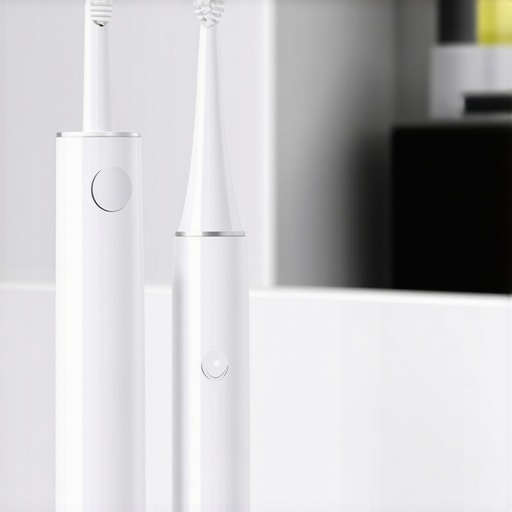
Maintaining oral health over the years requires more than just daily brushing; it demands the right tools backed by expertise. One of my favorite investments is the Oral-B Genius X Electric Toothbrush. I personally switched to it after testing multiple models, and its AI-powered technology guides me to brush effectively, reaching areas manual brushes often miss. Its oscillating motions, combined with pressure sensors, help prevent enamel erosion caused by brushing too hard, adhering to advice from this guide.
For those who want to optimize plaque removal, I highly recommend adding the Water Flosser by Waterpik. Unlike traditional floss, its pulsing jet cleans deep between teeth and beneath the gum line effectively. I’ve noticed my gums bleeding less and my breath staying fresher longer—an essential for long-term family health. Regular use disrupts biofilm buildup, keeping cavities and gum disease at bay, aligning with current research on advanced oral hygiene techniques.
Tools That Help Maintain and Scale Success
Long-term results depend heavily on consistent monitoring and adjustments. Digital tools like the Dental Monitoring App syncs with my dentist to track changes over time. Through high-resolution photos, I receive personalized advice without frequent office visits, saving time and reinforcing my routine. As technology evolves, I predict increased integration of AI-driven diagnostics and at-home monitoring devices will become standard, making maintenance more proactive than ever.
When considering scaling your dental health, especially if you’re exploring cosmetic options, investing in quality equipment like the CEREC CAD/CAM System allows dentists to craft restorations in a single visit. While I haven’t personally experienced it, this technology exemplifies how combining precise tools with expert care leads to lasting beauty and function, reducing the need for multiple appointments and extended treatments.
How Do I Maintain My Dental Routine Over Time?
Consistency is key, but so is adaptability. Regularly replace your toothbrush or brush head every three months, or sooner if bristles fray—this simple habit prevents bacterial buildup and maintains effectiveness. Incorporate remineralization products, such as mineral rinses, into your nightly routine to strengthen enamel, especially if you notice increased sensitivity or wear. Periodic professional checkups will catch issues early, allowing you to address potential problems before they escalate, consistent with best practices outlined in our comprehensive guide to lifelong oral health.
By integrating specific tools—like soft-bristled electric brushes, advanced flossers, and monitoring apps—you can keep your smile healthy, vibrant, and resilient. Think of these instruments as your dental allies that ensure each step in your routine genuinely benefits your long-term results. Want to take your care even further? Experiment with a latest cosmetic dentistry technology and see how modern solutions can elevate your confidence and oral health for years to come.
Over the years, I learned that the real secret to maintaining a radiant smile isn’t just about quick fixes or high-tech gadgets—it’s about cultivating a mindset of continuous learning and proactive care. One lightbulb moment was realizing how small daily habits compound over time, shaping the health and appearance of my teeth and gums. From adopting gentle brushing techniques to embracing innovative remineralizing products, each step reinforced my commitment to genuine oral wellness. Remember, lasting change doesn’t come from isolated actions; it emerges from a daily practice of mindful, informed choices that honor your unique smile journey.
What Surprised Me About Long-Term Oral Wellness
- Every small habit counts: I discovered that gently brushing twice daily and using the right tools can prevent the need for invasive procedures later. The importance of consistency over intensity became clear when I started focusing on technique rather than brute force.
- Knowledge is empowering: Learning about the latest innovations, like bio-active remineralizing agents or laser treatments, transformed how I approached dental care. Staying informed helped me avoid unproven remedies and focus on proven strategies.
- Mindset matters more than tools: No matter how advanced your toothbrush or floss is, if your attitude isn’t proactive—seeking regular professional assessments and understanding your body’s signals—true oral health remains out of reach. The mental shift toward viewing dental care as a lifelong journey changed everything.
Tools That Elevated My Oral Care Routine
- Electric toothbrush with AI features: The Oral-B Genius X not only cleaned more effectively but also guided me to perfect my brushing technique. Its pressure sensors helped prevent enamel erosion, aligning with expert advice on gentle yet effective cleaning.
- Water Flosser by Waterpik: Deep cleaning between teeth became effortless, reducing gum inflammation and breath issues. Its pulsing action targets biofilm more thoroughly than traditional floss, making it an essential part of my daily routine.
- Remineralizing gels with bio-active minerals: Applying fortified mineral gels improved enamel strength over weeks, reinforcing my teeth against sensitivity triggers. This proactive step aligned with the latest research advocating for remineralization as a primary defense.
Your Next Step Toward a Healthier Smile
The journey to lasting oral health is uniquely yours, and every positive choice lays a brick in the foundation of confidence and well-being. Embrace the innovative tools, stay curious about emerging treatments, and trust that consistent, mindful habits will pay dividends. Remember, your smile is a reflection of your overall health—taking care of it today ensures a brighter, healthier tomorrow. Curious about transformative cosmetic solutions? Discover more about how innovations in cosmetic dentistry can elevate your confidence and preserve your smile’s vitality.
What small change are you planning to implement this week to improve your oral health? Share below—I’d love to hear your journey.
Comments are closed.