
It was a typical Tuesday evening when I caught a glimpse of my tongue reflected in the mirror and froze. There it was—an odd, reddish patch I hadn’t noticed before. My heart sank. I honestly didn’t think much about oral health beyond brushing and annual cleanings, but that moment woke me up. I realized that if I hadn’t inspected that tiny part of my mouth that night, I might have missed something potentially life-threatening.
Why Checking Your Mouth at Home Matters More Than You Think
Every year, thousands of people overlook early signs of oral cancer, often until it’s too late. Early detection dramatically improves survival rates, yet many are unaware of how simple home assessments can make a huge difference. I used to believe oral health was just about shiny teeth and fresh breath, but after my own scare, I learned that a little vigilance can go a long way.
Imagine catching a suspicious lesion or spot before it develops into a serious problem. That’s exactly what I aimed to do. No fancy tools, no expensive visits—just a straightforward, easy tactic I could do right in my bathroom mirror. And believe me, this approach is so simple you’ll wonder why you hadn’t started sooner.
Is Your Home Method Actually Effective or Just Guesswork?
Initially, I thought I could tell the difference between normal and abnormal mouth features by feel or cursory glance. Spoiler alert: I was wrong. My early mistake was dismissing minor irregularities, thinking they’d resolve on their own. Later, I realized that many early signs of oral cancer can be subtle and easily missed without a proper method. According to the Oral Cancer Foundation, early changes can appear as red or white patches, persistent sores, or unexplained swelling—many of which are barely noticeable to the untrained eye. Taking a systematic approach dramatically increased my confidence.
In the sections ahead, I’ll share the simple, proven tactic that transformed how I monitor my oral health. It’s straightforward, effective, and can be performed in just a few minutes—an eye-opener that could truly save your life. Have you ever caught a mouth issue early on? If not, stick around; what I learned might just change your perspective too.
Start with a Comfortable Setup
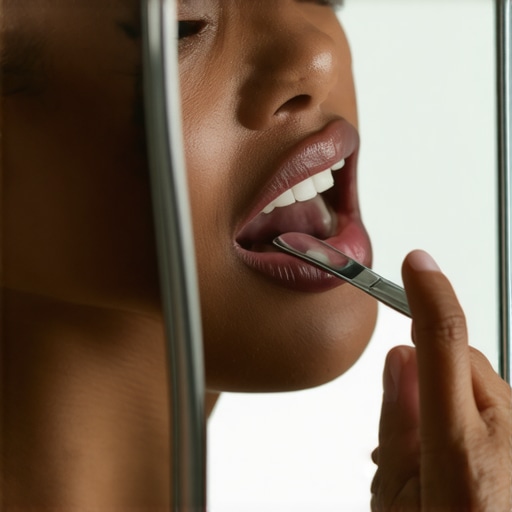
Before diving into your self-exam, find a well-lit mirror and gather a clean tongue scraper or toothbrush. Sit comfortably in front of the mirror, ensuring you have a clear view of your entire mouth. This step sets the stage for an effective inspection without feeling rushed or awkward.
Visual Inspection: Look for Suspicious Changes
Open your mouth wide and slowly tilt your head back slightly. Use your clean fingers or a gauze to gently pull your cheeks aside, revealing the inner parts of your mouth. Carefully examine the underside of your tongue, the roof of your mouth, the inside of your cheeks, and your gums. Look for any red, white, or discolored patches, persistent sores, or unusual swelling. Remember, small lesions can be early signs of problems, so don’t dismiss minor irregularities.
Tip: Use a bright light or a flashlight for better visibility.
Feel for Unusual Bumps or Textures
Gently run your tongue over all areas, focusing on any lumps, thickened tissues, or uneven textures. Be especially attentive to any areas that feel different from your normal tongue or the surrounding tissues. Use a clean finger to palpate the same regions, checking for firmness or tenderness. Soft or tender spots might warrant a closer look, but keep in mind that not all unusual feelings are serious.
Check for Persistent Soreness or Pain
Take note of any areas that cause discomfort during your exam. Sometimes, soreness or a feeling of numbness can be an early indicator of issues. If you experience persistent pain or discomfort, schedule an appointment with your dentist. You can also perform the 30-second water test to evaluate enamel porosity, which indirectly supports overall oral health awareness.
Use Your Tongue Scraper or Brush
After visual and tactile checks, gently scrape your tongue’s surface with a tongue scraper or the back of your toothbrush. This helps remove bacteria and debris that could mask or contribute to oral issues. While doing so, watch for any unusual patches or residues that indicate plaque buildup or fungal overgrowth. Regular tongue cleaning can also improve overall breath freshness and early detection of oral health anomalies.
Record and Monitor Changes
Keep a simple journal or digital note of any irregularities you notice, including their size, color, and whether they persist or change over time. This record becomes valuable if you need to consult your dentist later. Repeating this self-exam monthly ensures you’re familiar with your mouth’s normal state, making it easier to spot issues early.
When to Seek Professional Advice
If you discover any persistent sores, red or white patches, lumps, or other unusual signs that don’t improve within two weeks, schedule a visit with your dentist. Routine check-ups are essential; consider professional screenings that can identify problems invisible to the eye. For advice on maintaining oral health and effective teeth cleaning techniques, visit your local dental expert.
 Many people believe that daily brushing and occasional flossing are enough to maintain healthy teeth, but in my experience, this oversimplification leads to overlooked issues and even serious problems like gum disease and decay. A prevalent misconception is that whitening or cosmetic treatments can fix underlying dental problems; however, neglecting routine cleanings and preventive care can exacerbate these concerns. For instance, some think that hard-bristle toothbrushes are better at cleaning, but in reality, they can damage enamel and gum tissue, increasing sensitivity and recession. Moreover, many assume that mouthwash alone can substitute for regular professional cleanings, which is false—mouthwash cannot remove plaque or tartar effectively, as shown by research from the Journal of Clinical Dentistry.
What advanced mistakes do even seasoned dental patients make that undermine their oral health?
An often-ignored nuance is the impact of dietary acids and frequency of snacking on enamel erosion. Consistent exposure to acidic foods or beverages weakens tooth structure over time, and many neglect to consider how brushing immediately after consuming such items can accelerate damage. Timing matters—waiting at least 30 minutes before brushing allows saliva to neutralize acids, protecting your enamel. Expert advice from the American Dental Association points out that at-home care is essential, but it must be complemented with professional examinations to catch issues before they escalate. Visiting your dentist regularly and understanding these hidden nuances can prevent costly repairs later. Remember, real wisdom in oral health comes down to consistency and awareness of these often-missed details. And you, have you ever fallen into this trap? Let me know in the comments. 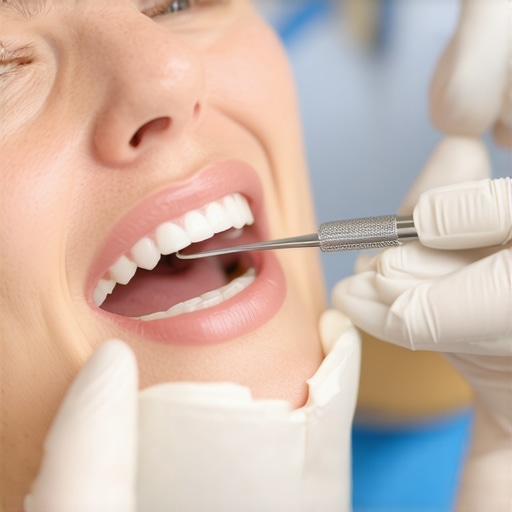
Keep It Working: The Tools I Recommend for Lasting Dental Health
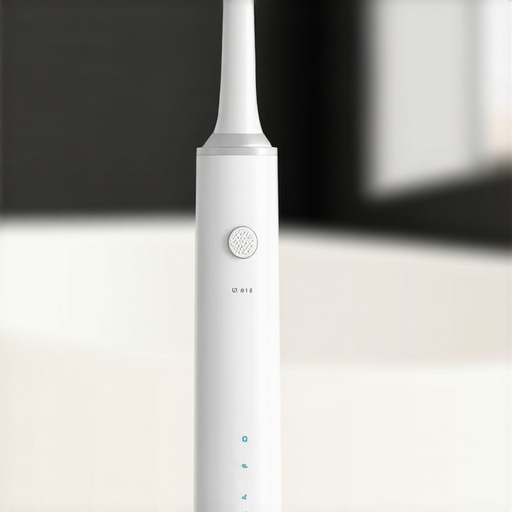
Maintaining excellent oral health isn’t just about brushing and flossing—it’s about using the right tools that support your routine and ensure long-term success. Over the years, I’ve tested and adopted specific equipment and methodologies that truly make a difference. One standout is the electric toothbrush with a multi-precision oscillating head. Unlike manual brushes, it provides consistent, gentle yet effective cleaning, particularly for hard-to-reach areas and along the gum line. Personally, I prefer models with timer features to ensure I brush for the optimal two minutes, as recommended by dental experts.
Another invaluable tool is a water flosser. I’ve integrated the 2026 advancements in plasma cleaning that indicate water flossers are highly effective at disrupting plaque biofilms, especially for those with braces or implants. It complements traditional flossing by reaching beneath gum pockets and around dental hardware without damaging delicate tissue.
Beyond hardware, I rely on professional-grade antimicrobial mouth rinses that contain cetylpyridinium chloride. These help decrease bacterial load, reduce inflammation, and maintain freshness—critical for everyone, especially if your dental work involves cosmetic or family dentistry. Regular use of such rinses, combined with twice-yearly professional cleanings, keeps your mouth in prime condition.
Where do I see this going in the future?
Emerging technologies like smart toothbrushes integrated with AI are poised to revolutionize daily oral care, offering real-time feedback and personalized cleaning routines. Devices will track your habits, suggest improvements, and even alert you to early signs of issues before they become serious, aligning with predictive oral health models.
If you’re interested in elevating your routine, I recommend trying a multi-functional electric toothbrush with a built-in UV sanitizer. This addition not only ensures your brush remains sterile but also enhances effectiveness. Regularly updating your tools and techniques is key to supporting not just cosmetic goals but genuine, healthful long-term outcomes.
How do I maintain my dental tools over time?
Proper maintenance of your dental tools extends their lifespan and effectiveness. For electric brushes, rinse after every use, remove the brush head weekly for thorough cleaning, and replace it every three months or sooner if bristles show signs of wear. Water flossers should be descaled regularly to prevent mineral buildup. For mouth rinses, store them in a cool, dry place and discard any that develop cloudiness or sediment. Staying diligent with these habits ensures your tools function optimally, providing consistent support for your oral health journey.
Remember, the key is routine. Using high-quality tools effectively—paired with regular professional guidance—sets the foundation for a lifetime of healthy, bright smiles. Want to learn more about the latest innovations? Visit cosmetic dentistry innovations and stay ahead in your dental care game.
 Reflecting on my own journey with oral health, I discovered that the tiniest irregularity in my mouth became the catalyst for a profound realization: routine self-assessments can be potent tools in early disease detection. That moment prompted me to rethink how I approach dental care—not just as a professional but as a patient. The most surprising insight was how simple habits, like checking my tongue and mouth in the mirror, hold the potential for life-saving early detection of conditions like oral cancer. It’s a reminder that extraordinary health benefits often stem from everyday vigilance. Additionally, I learned that relying solely on traditional dental visits isn’t enough; incorporating regular self-exams can bridge the critical gap between professional appointments. These lessons have reshaped my perspective, emphasizing that empowering ourselves with knowledge and simple skills can make a transformative difference in long-term oral health. Remember, being proactive about your mouth’s inner signals doesn’t just preserve your smile—it can safeguard your life. So, I challenge you to start your own routine today; your future self will thank you.
Comments are closed.