
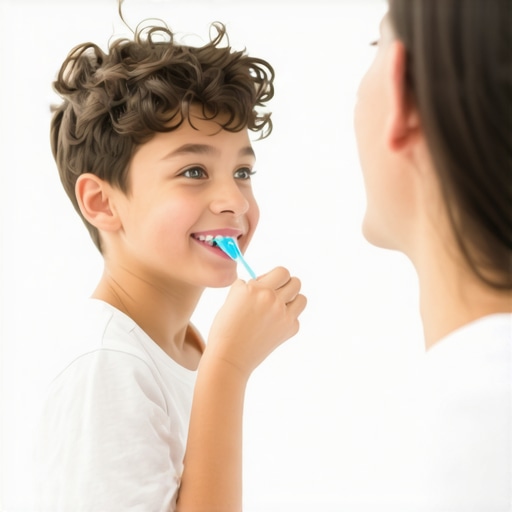
It was one of those mornings where I found my teenager, laptop open, phone in hand, brushing his teeth with half-hearted enthusiasm—more of a ritual than a real effort. As I watched, I felt a familiar mixture of frustration and worry. Why is it so hard to get teens to care about their teeth? I remember my own struggles, the failed attempts, the sneaky extra candies, and the endless nagging. But then, a sudden lightbulb moment hit me—if I could tap into what *really* motivates them, changing the game would be possible.
Why Getting Your Teenager to Care About Oral Hygiene Is So Challenging
Teens are at a stage where independence and identity matter more than ever. Everything is about peer approval, fitting in, and asserting their individuality. Asked to brush their teeth regularly, they often see it as a mundane chore, unrelated to their self-image or social life. Plus, many underestimate the importance of oral health, assuming that cavities or gum issues happen to someone else, not to them. I’ve learned from experience that traditional nagging rarely works; instead, tapping into their values and interests creates real change.
Early on, I made a mistake that many parents do—assuming that simply telling my teen to
Set the Right Expectations with Clear Instructions
Start by explaining to your teen why brushing and flossing are crucial, linking it to values they care about, like confidence and social acceptance. For instance, share how a bright smile can boost their self-esteem and improve peer interactions. During a messy evening, I once sat down with my teen and explained that neglecting oral hygiene impacts their appearance and overall health, making the conversation more relatable and less confrontational. By framing expectations positively, they’re more likely to adopt new habits.
Make Oral Care Convenient and Engaging
Set up a dedicated oral hygiene space equipped with their favorite flavored toothpaste and fun dental accessories. Use modern tools like electric toothbrushes—think of them as the sports cars of teeth cleaning—that make the process enjoyable. Introducing timers patterned after their favorite games or apps can turn brushing into a timed challenge, encouraging thorough cleaning. Once, I surprised my teen with a new water flosser, branding it as a high-tech gadget to make flossing easier and more appealing. The result was increased enthusiasm and better flossing habits.
Incorporate Visual and Cosmetic Dentistry Goals
Appeal to their desire for a beautiful smile by discussing cosmetic options like whitening treatments or veneers—these can be game-changers for self-image. Show them before-and-after photos to ignite their motivation. For example, I referenced articles like how cosmetic dentistry elevates confidence to demonstrate real-life benefits. Frame these possibilities as achievable milestones, making oral health a pathway to a confident smile rather than just maintenance.
Establish a Family Ritual and Routine
Create a family bonding experience around oral care by brushing together or sharing daily dental tips. Use humor and encouragement to keep the atmosphere light, reducing resistance. I remember a weekend morning where we made it into a fun contest, seeing who could brush the longest and reach the furthest back molars. This shared activity not only improved their habits but also strengthened our relationship, turning routine into quality time.
Use Positive Reinforcement and Rewards
Reward consistent effort with small incentives—stickers, privileges, or noteworthy praise. Recognize their progress publicly and sincerely to boost self-motivation. Once, I printed a progress chart, and each week my teen received a star for brushing twice daily. Beyond the fun, this instilled a sense of accomplishment that encouraged ongoing commitment. Remember, the goal is to make oral hygiene an internalized value, not just a chore for a reward.
Seek Professional Support When Needed
If motivation remains low, consider involving a family dentist who can personalize advice and demonstrate the importance of oral health. Dental visits can provide a real-world perspective, especially when the dentist discusses topics like family dentistry tips that emphasize care for all ages. Sometimes, a professional’s insights serve as a turning point, making the importance tangible and urgent.
Stay Consistent and Lead by Example
Your behavior sets the tone. Maintain good oral hygiene practices yourself and share your routines openly. When your teen sees you investing time and care into your teeth, they perceive it as a normal part of daily life. I started flossing regularly after reading about expert advice on lifelong oral health, and my teen took notice, gradually adopting my habits without resistance.
 Many people believe that brushing harder leads to cleaner teeth, but in reality, aggressive brushing can damage your enamel and gum tissue, increasing sensitivity and recession. Another pervasive myth is that whitening teeth weakens them, yet advances in cosmetic dentistry, such as {https://gentlesmiledentist.com/transform-your-smile-the-impact-of-cosmetic-dentistry-in-2025, cosmetic dentistry innovations}, have shown that safe whitening procedures can brighten your smile without compromising tooth strength. It’s also a misconception that flossing causes bleeding; in fact, bleeding is often a sign of gum disease, which requires professional intervention {https://gentlesmiledentist.com/oral-health-myths-debunked-what-you-need-to-know-in-2025}.
A common flawed approach in family dentistry is waiting until pain or obvious decay appears before seeking help. Preventive visits are crucial, and regular checkups can detect issues early, saving money and preserving oral health {https://gentlesmiledentist.com/family-dentistry-tips-that-make-oral-care-effortless-and-effective}.
For advanced readers, a vital question arises: how do subtle signs like gum recession or tooth wear indicate deeper systemic issues? Recognizing these nuances can prevent extensive treatments. Research indicates that periodontal disease links to systemic health problems like cardiovascular disease, emphasizing the importance of early intervention and comprehensive care {https://gentlesmiledentist.com/the-hidden-signs-of-gum-disease-you-cant-see-in-the-mirror}.
Avoid the trap of thinking that all dental products are equally effective—many over-the-counter options lack the proof or safety features provided by professional-grade treatments. Always consult with your trusted dentist to tailor a care plan suited to your unique needs. Remember, assumptions about oral health can be costly, so stay informed and proactive.
Have you ever fallen into this trap? Let me know in the comments and share your experiences.
Investing in Your Smile’s Future
Maintaining excellent oral health requires more than just regular brushing and flossing; using the right tools can make a significant difference. I personally recommend a high-quality electric toothbrush, such as the Soniclear Elite, which employs sonic technology to break up plaque more effectively than manual brushes. Its timers and pressure sensors ensure you brush thoroughly without damaging gums. For interdental cleaning, I favor the water flosser—specifically the Waterpik Aquarius—because it reaches areas traditional floss can miss, especially for patients with braces or implants. Regular use of these tools not only keeps teeth cleaner but also prolongs the lifespan of dental restorations and implants. Looking ahead, technological advancements like AI-powered toothbrushes might soon customize cleaning routines based on your oral microbiome, personalizing care like never before.
How do I maintain my tools over time?
Cleaning your electric toothbrush head every three months prevents bacteria buildup and ensures optimal performance. Replace water flosser tips every six months to maintain hygiene and effectiveness. Regularly check and replace the batteries or charge cycles, and keep devices stored in a dry, sanitized area. Just as you care for other health devices, proper maintenance extends their usefulness and capacity to support your smile. Additionally, many dental practices are adopting smart cleaning devices that sync with smartphone apps, providing real-time feedback on your technique, helping you improve and stay consistent. Incorporate these tools into your daily routine, and you’ll notice a tangible difference in your long-term oral health outcomes. For personalized guidance, schedule a consultation through our contact page.
Lessons Nobody Tells You About Oral Health’s Hidden Skills
The most surprising lesson I learned was that nourishment and hydration play a more critical role in oral health than I initially thought. Drinking sufficient water doesn’t just keep your body hydrated; it actively flushes out bacteria and neutralizes acids that cause decay. Another eye-opening revelation was the power of mental focus during brushing—being mindful of the technique often yields better results than rushing through the routine. Lastly, I discovered that consistent scheduling, like setting a specific time for oral care, can transform a chore into a habit that sticks—turning dental hygiene into a part of your life that you actually look forward to. These insights revealed that effective teeth cleaning is less about fancy tools and more about intentional, consistent habits that nurture your smile’s future.” ,