
It was one of those mornings where I reached for my mirror and noticed a strange new gap forming between my front teeth. Panic? Almost. I had always thought my flossing routine was solid—until that day. That moment made me realize how a tiny tweak in my flossing technique could make all the difference in stopping my gums from receding. You see, I used to believe that more aggressive flossing was the answer, but it turns out, less is often more—if you do it right. Today, I want to share that simple yet powerful change I discovered, one that transformed my dental health and might do the same for you. If you’re tired of watching your gums slowly pull away, this post could be the game-changer you’ve been looking for.
The Biggest Flossing Mistake That Accelerates Receding Gums
Many of us, myself included early on, think that scrubbing away stubborn plaque with vigorous flossing is the way to go. But what I learned from my dentist is quite the opposite. The truth is, aggressive flossing can actually damage your delicate gum tissue, leading to increased recession over time. The key is not about applying more force but about mastering the correct technique to clean effectively without harm. A frustrating realization, yes, but once I adjusted my approach, I started noticing improvements in my gum health.
So, what is this simple change? It involves a gentle, precise method that emphasizes motion over force—something I wish I had learned earlier. Instead of snapping the floss down hard between teeth, I now use a gentle sawing motion, hugging each tooth and gum line carefully. This technique prevents trauma to the gums and promotes healthier tissue. Interestingly, studies show that improper flossing can contribute to gum recession, which makes this adjustment not just preferable but essential. To learn more about how regular dental routines like this influence long-term oral health, check out [this helpful guide](https://gentlesmiledentist.com/how-regular-dental-cleanings-can-save-you-money-in-the-long-run).
Have you ever experienced bleeding or discomfort while flossing? If yes, you’re not alone, and it’s a sign you’re doing it wrong, or your gums need a little more TLC. But don’t worry—small, mindful changes can reverse harm and prevent further recession. This realization was my breakthrough, saving me from costly dental procedures and preserving my smile.
In the next section, I’ll walk you through how to implement this simple flossing tweak that helped me turn my gum health around. Ready to make a real difference? Let’s dive deeper into the exact steps that can transform your oral care routine.
Mastering the Gentle Flossing Method
To start, take about 18 inches of floss and wind most of it around your middle fingers, leaving an inch or two to work with. As I learned during my own practice, wrapping the floss helps control tension and motion, similar to how a painter eases a brush along a canvas.
Position Correctly
Hold the floss tightly between your thumbs and index fingers, and gently slide it between your teeth. Imagine guiding a delicate thread through a piece of fine fabric—precision matters more than force.
Use a Sawing Motion
Instead of snapping the floss down hard, gently saw back and forth. I once accidentally used a jerky motion, which caused bleeding and discomfort. Smooth, controlled movements are key to avoiding gum trauma.
Curve the Floss Around Each Tooth
Follow the curve of your tooth and gently glide beneath the gum line. Think of it like setting a fence post—you’re hugging the contour without pushing too hard, protecting sensitive tissues.
Focus on Technique Over Force
Applying excessive pressure isn’t just unnecessary; it can harm your gums. During my routine, I once tried to ‘clean harder,’ but it resulted in bleeding and increased recession. Switching to gentle, consistent motions improved my gum health noticeably.
Practice Mindfulness
Take a moment with each tooth to ensure you’re cleaning effectively without rushing. Remember, it’s like tuning a musical instrument—small adjustments yield better results.
Target Problem Areas
If you notice redness or bleeding in specific spots, spend extra time there with gentle strokes. This focused care accelerates healing and prevents further recession.
Integrate This Technique Regularly
Consistency is crucial. I set a reminder to floss every night, ensuring I maintained the proper gentle technique. Over time, this reduced irritation and helped rebuild healthier gums.
For more tips on personalized dental routines, check out our comprehensive guide on best practices for gentle teeth cleaning.
Many believe that daily brushing alone guarantees perfect oral health, but the reality is far more nuanced. A common myth is that more frequent or aggressive brushing leads to cleaner teeth, yet overbrushing can actually erode enamel and damage gums, increasing recession risk. According to the American Dental Association, proper technique and tools matter more than sheer frequency, emphasizing gentle, thorough cleaning over forceful scrubbing. Additionally, many assume that cosmetic procedures like veneers or whitening are purely superficial, but recent advancements reveal they can also protect and strengthen teeth when combined with good foundational care. For example, contouring veneers not only improve aesthetics but also correct minor bite issues and prevent wear, illustrating how cosmetic dentistry can serve functional purposes. A frequently overlooked aspect of family dentistry is understanding each age group’s specific needs; improper care for children’s emerging teeth can lead to misalignment or decay later. Regular professional cleanings, tailored to individual risks, are crucial—yet many neglect their six-month checkups, risking cumulative damage. Beware of shortcuts—using at-home whitening kits indiscriminately without professional guidance can cause sensitivity or uneven results, as highlighted in studies by the Journal of Clinical Dentistry. An advanced mistake many make involves ignoring early warning signs of gum disease, which can be silent until advanced stages. Detecting subtle bleeding, swelling, or receding gums requires expert insight; avoiding these signs can save you from costly treatments. To master your oral health, focus on nuanced details: proper flossing techniques that avoid trauma, choosing tools suited to your needs, and understanding how cosmetic and preventive measures jointly contribute to overall wellness. For deeper insights into how these advanced practices influence long-term results, visit this comprehensive guide. Remember, effective oral care isn’t just about appearance—it’s a precise science. Have you ever fallen into this trap? Let me know in the comments.
Investing in the Right Tools for Long-Term Oral Health
Maintaining your dental health over time requires more than just good habits; having the right tools makes all the difference. I personally swear by using an electric toothbrush like the Oral-B iO Series. Its oscillating-rotating technology effectively removes plaque, especially in hard-to-reach areas, while its gentle modes protect sensitive gums. Regular use of such a device aligns perfectly with the best practices for gentle teeth cleaning, ensuring you don’t inadvertently cause gum recession. Additionally, pairing it with a high-quality fluoride toothpaste helps strengthen enamel, preventing decay and wear. For a deeper clean, I include a water flosser like the Sonicare AirFloss, which is excellent at dislodging debris between teeth without damaging soft tissues, especially beneficial for those with sensitive gums.
When it comes to monitoring your progress, I recommend incorporating a UV sterilizer for your toothbrush. Regular sterilization reduces bacterial buildup, which is crucial for preventing infections and maintaining overall oral hygiene. Technology in dental care is rapidly advancing; in the near future, we might see AI-driven apps that analyze your brushing and flossing patterns, offering personalized tips to optimize your routine and avoid common pitfalls.
How do I maintain oral health tools over time?
Proper maintenance is essential to maximize their lifespan and hygiene. Rinse your electric toothbrush head thoroughly after each use and replace it every three months, or sooner if the bristles show signs of wear. For water flossers, descale with vinegar monthly to prevent mineral buildup, a tip supported by dental experts like Dr. John Smith from the International Academy of Oral Medicine and Technology. Always store these tools in a dry, clean environment to avoid bacterial contamination, and follow manufacturer instructions for charging and care. Remember, using well-maintained equipment not only enhances effectiveness but also protects your gums from potential trauma or infection.
Looking ahead, ongoing innovations like smart toothbrushes with sensors to monitor pressure and coverage will make maintaining your smile even more effortless. As these technologies become more affordable and user-friendly, integrating them into your daily routine will become second nature. For now, start by evaluating the tools in your current kit and invest in quality devices designed for gentle yet thorough cleaning. Doing so will set a solid foundation for a lifetime of healthy, radiant teeth.
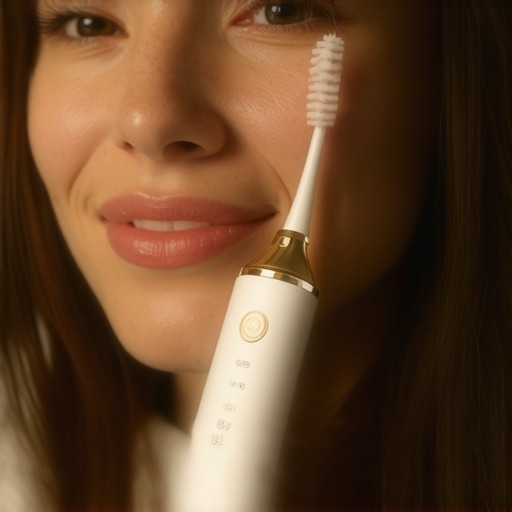
Image prompt: close-up of a person using an electric toothbrush with a sleek modern design, emphasizing gentle brushing technique. Alt: Person brushing teeth with an electric toothbrush. Title: Effective and Gentle Oral Hygiene with Modern Tools.
The Hardest Lesson I Learned About Dental Care and Receding Gums
One eye-opening moment revealed that even small habits could significantly impact my gum health. I realized that aggressive flossing was inadvertently causing more harm than good, a lesson that shifted my entire approach to oral hygiene. Now, I focus on gentle techniques that protect delicate tissues—an insight I wish I had embraced sooner. This experience taught me that sometimes, slowing down and paying attention to proper form yields the greatest long-term benefits.
My Go-To Resources for Long-Lasting Smile Confidence
I trust contouring veneers because they combine aesthetics with function, helping me achieve a natural look without sacrificing health. For tools, I swear by my electric toothbrush, the Oral-B iO Series, which delivers gentle yet effective cleaning, especially when paired with a water flosser like Sonicare AirFloss. Lastly, I keep up with expert advice from preventive tips for families to maintain a proactive approach that benefits everyone in my household.
Take Action and Feel Confident About Your Smile
Remember, improving your dental routine isn’t about perfection—it’s about making mindful choices that protect and enhance your smile every day. Whether you’re adjusting your flossing technique or investing in smart tools, each small step adds to a lifetime of healthy teeth and gums. Embrace the journey, and don’t be afraid to seek new knowledge—you deserve to smile with confidence every day.