
I remember the moment clearly. I was scrubbing away at my teeth with vigor, convinced I was doing the right thing, only to notice a slight sensitivity after brushing. That sinking feeling hit me—I was accidentally causing damage I didn’t even realize. It was a lightbulb moment that changed my entire approach to oral care.
Why Your Brushing Technique Might Be Doing More Harm Than Good
As someone passionate about maintaining healthy teeth, I’ve learned that many of us fall into a common trap—believing that vigorous scrubbing keeps our teeth spotless. But what if I told you that this exact habit could be eroding your enamel faster than those sneaky sugar crashes? The truth is, aggressive brushing can strip away the protective enamel layer, exposing dentin and leading to increased sensitivity and decay.
The good news? Small adjustments and awareness can make a significant difference. Today, we’ll explore how to avoid this damaging mistake, protecting your smile and ensuring your efforts truly benefit your health.
Is All That Scrubbing Really Worth It?
Let me be upfront—I once thought that the more I scrubbed, the cleaner my teeth would be. I believed I was doing well until I experienced my first brushing-induced sensitivity. That mistake—over-brushing and using the wrong technique—was a wake-up call. It’s a common error, especially when we think that harder means better.
According to dental expert advice, aggressive scrubbing can wear down enamel, which is irreversible (source: https://gentlesmiledentist.com/oral-health-myths-debunked-what-you-need-to-know-in-2025). Knowing this, I decided to change my routine and learned a lot about gentle, effective cleaning that actually preserves enamel.
If you’ve ever felt soreness after brushing or noticed your teeth appear more translucent, you might be making this very mistake. It’s a common issue, but one that can be corrected with simple, mindful habits. Ready to discover how to brush smarter, not harder? Let’s dive into the secrets of effective, enamel-friendly oral care.
Hold the Brush Correctly
Begin by gripping your toothbrush like a pencil—lightly and comfortably. I once clutched mine too tightly, imagining it would scrub away more plaque, but that only caused unnecessary pressure. Instead, a relaxed grip allows the bristles to do their job gently, much like guiding a paintbrush lightly across a canvas.
Use the Right Brush and Paste
Opt for a soft-bristled toothbrush—consider it the equivalent of a makeup brush for your teeth. Pair it with a fluoride toothpaste that’s free from abrasive agents. I once tried a harsh whitening paste, which left my enamel feeling rough and sensitive. Switching to a gentle formula protected my teeth while still keeping them bright.
Practice Proper Technique
Position the brush at a 45-degree angle toward your gum line. Use short, gentle strokes—think of petting a delicate cat rather than scrubbing a stubborn stain. When I first started, I felt clumsy, but focusing on small, controlled motions made a big difference. Avoid horizontal scrubbing, which can wear down enamel over time.
Target All Surfaces
Divide your mouth into sections—front, back, chewing surfaces—and spend about 30 seconds on each. Use the tip of the brush for front teeth, making tiny up-and-down motions. I remember tackling my molars with a sweeping motion, which wasn’t effective. Breaking it down into smaller sections ensures no area gets neglected or overly scrubbed.
Limit Brushing Time
Aim for two minutes—use a timer if needed. I used to rush through, thinking I was done quickly, but soon noticed my teeth felt more sensitive. Setting a timer helped me adopt a calmer, more careful routine that better preserves enamel.
Mind Your Pressure
Press lightly—imagine trying to brush a soft rose petal. If you’re pressing too hard, you’ll see their tips flatten or bend, indicating excessive force. I practiced with a gentle touch, which reduced gum irritation and avoided enamel erosion. Remember, the goal is cleaning, not scrubbing.
Rinse and Spit Gently
After brushing, rinse with water or mouthwash, but avoid vigorous swishing. A gentle rinse is enough to wash away debris. I initially rinsed vigorously, which disturbed my gum tissue; slowing down made my routine more comfortable and effective.
Adopt Regular Flossing and Mouthwash
Complement brushing with daily flossing—slide the floss gently between teeth, curving around each tooth like a love letter. Use an alcohol-free mouthwash for fresh breath and added protection. I added flossing into my routine gradually; now, it’s as natural as brushing itself and helps prevent plaque buildup that can harm enamel.
Remember, consistency is key. These mindful techniques transformed my oral health over time, protecting my enamel and giving me confidence in my smile. By approaching brushing with care and awareness, you’re protecting your teeth for decades to come.
Many people believe that cosmetic procedures are purely superficial, but in reality, they can provide significant health benefits when done correctly. However, a common misconception is that all dental treatments are equally effective or necessary, which isn’t true. For instance, some think that teeth whitening ruins enamel, but modern techniques have made this process safer than ever—when performed by professionals. The trap here is assuming that aesthetic improvements come at the cost of oral health; in fact, with proper guidance, cosmetic dentistry can enhance both appearance and function.
Why Do Some Cosmetic Procedures Fail to Deliver Long-Term Results
It’s tempting to choose quick-fix solutions like over-the-counter whitening kits or cheap veneers, but these can often backfire. Poorly executed treatments or those using inferior materials may lead to sensitivity, gum irritation, or even damage to underlying structures over time. For example, aggressive whitening without professional oversight can strip away too much enamel, increasing sensitivity and risking irreversible harm. Studies show that custom, professionally applied cosmetic treatments have higher success rates and longer-lasting results—highlighting the importance of expert-guided interventions (source: https://gentlesmiledentist.com/cosmetic-dentistry-innovations-you-cant-miss-this-year). Remember, not every treatment is suitable for everyone, and often, less invasive, minimally preparative options yield better overall health outcomes. Always consult with a qualified dentist to tailor treatments to your unique needs. Moreover, many overlook the importance of ongoing maintenance; regular check-ups and cleanings are crucial to preserve the results and prevent complications. Ignoring this can result in premature deterioration or the need for corrective procedures.
Common Misconceptions About Family Dentistry That Might Harm Your Loved Ones
One myth is that children only need dental visits once their teeth appear, but early preventive care—starting from the eruption of the first tooth—can lay a foundation for lifelong health. Failing to establish a routine can lead to cavities or developmental issues that become harder to address later. Another misconception is that family dentistry is only about basic cleaning; in reality, it encompasses comprehensive care, including education on habits, early detection of issues, and personalized strategies for all age groups (see https://gentlesmiledentist.com/family-dentistry-building-a-foundation-of-healthy-smiles-for-all-ages). When families neglect regular visits or underestimate the importance of tailored care, they risk more invasive, costly treatments down the line. The best approach is proactive, consistent care that emphasizes prevention and education, transforming dental visits from a chore into a health-positive lifestyle habit. Keep in mind that even professional cleanings are more than cosmetic—they remove plaque, prevent gum disease, and can identify early signs of systemic health issues. This integrated approach underscores the necessity of viewing dentistry as a vital component of overall health. So, are you aware of the nuances that can make or break your dental health? Engage with your dentist, ask questions, and stay informed—it’s the key to a radiant, healthy smile for life. Have you ever fallen into this trap? Let me know in the comments.
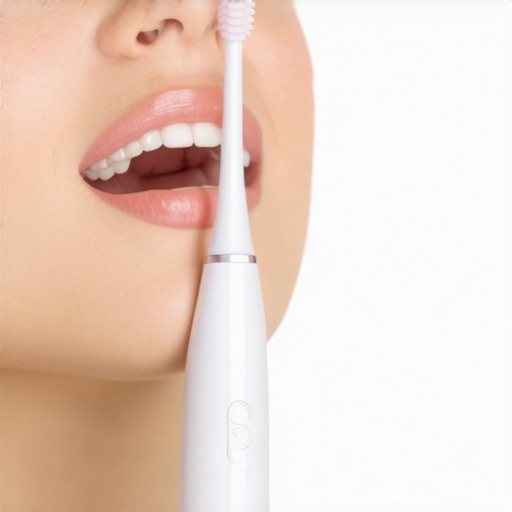
Maintaining a healthy smile over the years requires more than just good intentions; it involves employing the right tools and methods dedicated to durable results. One of my top recommendations is investing in a sonic toothbrush. Unlike traditional brushes, sonic models operate at 30,000 to 40,000 strokes per minute, effectively disrupting plaque without excessive pressure. I personally use the Philips Sonicare DiamondClean, as it offers customizable timers and pressure sensors that help prevent gum recession by alerting me when I brush too hard. Additionally, scheduling regular professional cleanings every six months ensures that any subtle buildup or early decay signs are caught before they become major issues. These sessions go beyond basic cleaning; they involve advanced techniques like ultrasonic scaling, which uses high-frequency vibrations to remove tartar safely and effectively, preserving enamel integrity. For ongoing maintenance, I utilize digital oral health tracking apps which integrate data from smart toothbrushes and allow me to set goals, monitor my brushing habits, and receive personalized feedback. This data-driven approach makes it easier to stay consistent and mindful of my oral hygiene routines. Looking ahead, the future of oral health technology points toward integrating smart implants and real-time health tracking, promising a more proactive approach to dental care that catches issues before symptoms appear.
How do I maintain my dental tools and techniques over time?
Proper maintenance begins with regular cleaning of your toothbrush, replacing it every three months or sooner if bristles fray. For electric models, follow the manufacturer’s instructions to keep the motor and charging components in optimal condition. When it comes to tools like irrigators or polishing devices, disinfect them after each use to prevent biofilm buildup, following recommended guidelines from your dental professional. Storing your tools in a dry, clean environment further extends their lifespan and performance. This consistent upkeep ensures that your investments in advanced dental technology continue providing optimal results, protecting your smile for the long haul. Remember, these steps are crucial because, as detailed in our comprehensive guide to lasting oral health, proper tool maintenance directly influences the effectiveness of your routine.
Don’t forget to incorporate routine checks with your dentist, who can advise on the latest tools and techniques tailored to your unique needs. Embracing these advanced approaches, combined with diligent care, positions you on the path toward a brighter, healthier future. Why not start today by trying out a high-tech toothbrush with real-time feedback? It’s an impactful step toward sustainable oral health.
The Hidden Wisdom Behind My Smile Journey
One of the most eye-opening lessons I’ve encountered is that consistent gentle brushing beats aggressive scrubbing every time—saving enamel and preventing sensitivity.
I’ve realized that investing in advanced tools like sonic toothbrushes dramatically enhances routine effectiveness, making a real difference in long-term health.
Understanding that early prevention and regular professional checkups can prevent costly procedures later transformed my approach and appreciation for proactive dental care.
Tools and Resources That Keep My Smile Bright
My go-to resource is the comprehensive guide on maintaining oral health, which offers tailored advice to sustain healthy teeth over decades.
I trust the Philips Sonicare DiamondClean, a sonic toothbrush that provides real-time feedback—making my brushing both effective and safe from overpressure.
Educational books like “The Oral Care Revolution” have expanded my understanding of modern techniques that prioritize enamel preservation, influencing my personal routine.
Finally, regular visits to my dentist for ultrasonic scaling confirm that professional oversight complements my daily habits perfectly.
Your Turn to Shine and Protect Your Smile
Remember, your oral health is a lifelong gift—nurture it with the right tools, habits, and professional guidance. Making mindful choices today ensures a radiant smile tomorrow and beyond.
What small change in your brushing routine could make the biggest difference? Share your thoughts below—I’d love to hear your journey toward a healthier smile!
Comments are closed.