
I will never forget the sound of my two-year-old’s face hitting the hardwood floor. It wasn’t a soft thump; it was a sickening clack. Before he even started wailing, I saw the bright red blood on his lip and a tiny white fragment on the floor. My heart didn’t just drop—it plummeted. I did exactly what you shouldn’t do. I panicked. I grabbed a wet paper towel and started scrubbing at his gums, probably introducing bacteria and definitely causing more pain because I didn’t know the first thing about managing a chipped tooth at home. It was a messy, tear-filled realization that being a parent doesn’t automatically grant you medical expertise. Today, I want to share the calm, step-by-step approach I wish I had that afternoon, so you can protect your child’s smile without the frantic Google searches at 9:00 PM.
You Don’t Need to Be a Hero to Save Their Smile
Toddlers are essentially tiny, wobbling magnets for the sharp corners of coffee tables. Their center of gravity is all wrong, and their curiosity is way too high. While we all try to implement family dental care hacks to keep them healthy, an emergency is a different beast entirely. It matters because how you react in the first ten minutes can determine if that tooth can be saved or if they’ll deal with a gap until they’re seven. One of the biggest mistakes I made early on was thinking that because it was ‘just a baby tooth,’ the stakes were low. I was wrong. According to the American Academy of Pediatric Dentistry, nearly 50% of children will sustain some form of dental injury during their childhood, and trauma to baby teeth can actually damage the permanent ones developing underneath. Have you ever stood over your child in a moment of crisis, frozen because you weren’t sure if you should call a doctor or a dentist?
Is a tiny chip really worth a late-night emergency visit?
Many parents wonder if they are overreacting. If the child stops crying and the bleeding subsides, the temptation is to just wait until Monday. However, even a small crack can expose the delicate pulp inside. I once ignored a small chip thinking it was cosmetic, only to find out later that the tooth was slowly dying. You have to look for the ‘red flags’—literally. If you see a red or black dot on the break, that’s a nerve exposure. Knowing where to go for a middle-of-the-night dental emergency before the accident happens is the best gift you can give your future self. It’s about building a foundation of healthy smiles even when things go wrong.
Stop the Bleeding Before You Assess the Damage
Your first priority is visibility. You cannot see the extent of the damage if the mouth is full of blood. Grab a clean, cold washcloth and apply firm, steady pressure to the lip or gum area. Think of it like a leaky garden hose; you have to pinch the source to stop the flow before you can find the puncture. If the cut is inside the mouth, have them rinse gently with cool water to clear the debris. While you are doing this, check for other injuries like a concussion or a jaw fracture. Understanding the emergency steps for a punctured lip or tongue is vital because soft tissue bleeds heavily, often making the situation look significantly worse than it is.
Hunt for the Missing Piece of the Puzzle
If you can find the fragment of the tooth, pick it up by the crown—the biting part—and never the root. If it is a large piece, your dentist might actually be able to bond it back on, which is the gold standard for a natural look. Store the fragment in a small container of milk or the child’s own saliva to keep the living cells hydrated. This is similar to how a cut flower lasts longer in a vase of water than on a dry counter; once the tooth dries out, the success rate for repair drops. You must know how to safely store a knocked-out tooth while rushing to the office because a dry tooth becomes brittle and difficult to reattach professionally. 
Soothe the Ouch While You Wait
Once the bleeding is controlled, focus on comfort. Toddlers do not understand the concept of ‘throbbing pain’; they just know something is wrong and they are scared. A cold popsicle works wonders as both a numbing agent and a distraction. Avoid giving them anything crunchy, salty, or acidic, which can sting the exposed area. I learned this the hard way when my daughter, Maya, tripped over her own feet while chasing a butterfly. Instead of panicking like I did the first time, I used a cold washcloth and stayed calm. She stopped crying in minutes because she fed off my energy rather than my fear. By following preventive tips for long-lasting dental health for families, you will already have an emergency kit ready. Don’t fall for oral health myths like putting an aspirin tablet directly on the gum; it causes chemical burns and does nothing for the actual tooth pain.
Recognize the Difference Between Cosmetic and Critical Damage
Not every chip is a catastrophe. A ‘craze line’ is just a hairline crack in the enamel that does not require immediate action, whereas a deep fracture can invite bacteria into the root. It is essential to learn the difference between a cracked tooth and a craze line so you don’t spend hundreds on a late-night ER visit for a surface scratch.
Why Quick Professional Assessment Wins Every Time
Even if your child seems fine, the impact could have moved the tooth or damaged the underlying permanent bud. A dentist can often use bonding to restore the shape of the tooth instantly. There are many ways how to fix a chipped front tooth without using braces, providing a quick functional fix that prevents further decay.
While that frantic afternoon with my son taught me how to handle a crisis, it also opened my eyes to how much we get wrong about daily maintenance. Most parents assume that if a child’s teeth look white and they aren’t complaining of pain, everything is fine. In reality, the most dangerous issues are often invisible to the naked eye. I used to think a thorough scrubbing was the gold standard for hygiene, but I’ve since learned that aggressive cleaning does more harm than good. In fact, following gentle teeth cleaning best practices for sensitive gums is far more effective than trying to ‘power-wash’ your way to health.
Your shiny white teeth might still be hiding a bacterial problem
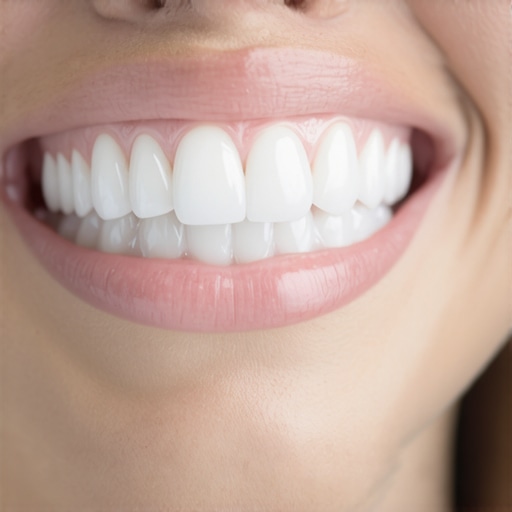
Here is a contrarian take: having white teeth does not mean you have healthy teeth. Many people obsess over surface stains, yet ignore the underlying biofilm. We often treat teeth cleaning techniques and benefits as purely cosmetic, but the true goal is managing the microbiome of your mouth. A common mistake I see is the ‘whitening at all costs’ mentality. People reach for kitchen pantry staples, but the truth about using baking soda as a toothpaste is that its high abrasivity can create microscopic scratches in your enamel. These scratches actually make it easier for bacteria to latch on and for stains to set in deeper over time. You aren’t just cleaning; you’re unintentionally ‘sanding down’ your smile’s primary defense.
The ‘natural’ whitening trap that destroys your enamel
The biggest ‘oops’ factor in modern oral care is the DIY trend. I’ve seen countless families swap professional-grade products for charcoal or lemon-juice mixtures. This is a massive risk. According to a study published in the Journal of the American Dental Association (JADA), many non-traditional whitening agents lack the necessary fluoride to remineralize enamel, and their pH levels can be acidic enough to cause permanent erosion. If you are looking for a change, exploring cosmetic dentistry innovations you can’t miss this year is a much safer route than experimenting with home chemistry. Using the wrong abrasive is like using steel wool on a fine china plate—it might get the gunk off, but you’ll never get the original luster back once the surface is ruined.
Why do some kids get cavities despite brushing twice a day?
It is one of the most frustrating questions a parent can ask. You do the work, you buy the floss, and yet the dentist still finds a soft spot. Often, the hidden nuance lies in ‘frequency of exposure’ rather than ‘quality of brushing.’ If a child is snacking on even healthy, sticky fruits throughout the day, their mouth stays in an acidic state, preventing the saliva from doing its job of repairing the enamel. This is why some kids get cavities despite brushing twice a day—the clock is working against them. Understanding this shift from ‘scrubbing’ to ‘pH management’ is what separates beginners from those who truly master family dentistry. Have you ever fallen into this trap of thinking brushing was the only factor? Let me know in the comments. Investing in professional checkups is key; how regular dental cleanings can save you money in the long run becomes obvious when you catch these pH-related issues before they become root canals.
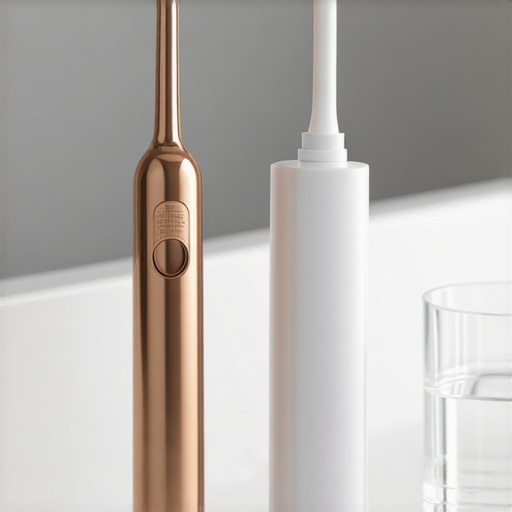
Once you move past the ‘panic’ phase of a chipped tooth and the ‘learning’ phase of proper brushing, you hit the ‘mastery’ phase of family dentistry. This is where the right tools become your best allies. I don’t just mean a high-end electric toothbrush; for me, the true game-changer was a high-quality copper tongue scraper. Most people think mouthwash is the ultimate solution for fresh breath, but why your tongue scraper is more effective than mouthwash for fresh breath is a lesson in fundamental microbiology. You are physically removing the sulfur-producing bacteria rather than just trying to mask them with minty alcohol. This simple tool is a core part of maintaining oral health with expert advice for a lifetime of healthy teeth because it significantly reduces the overall bacterial load your immune system has to navigate every single day.
Gear that actually makes a difference
I also eventually swapped my aggressive ‘sawing’ flossing motion for a combination of water flossing and interdental brushes. If you’ve ever noticed your gums starting to pull back, you need to look into the case against aggressive flossing and how to save your interdental gums. It’s about being a careful surgeon rather than a lumberjack in your own mouth. For those of us who refuse to give up our morning caffeine, finding the secret to keeping your coffee habit without the staining is the only realistic way to protect a professional whitening investment without losing your sanity. Mastery is about finding balance, not deprivation.
How can you keep your family’s smiles healthy for decades?
Success in long-term oral health isn’t about one-off heroic efforts during an emergency; it’s about the systems you automate. In our house, mastering these top 5 secrets to maintaining perfect oral health as a family meant switching to a hydroxyapatite-based paste, which mimics the natural minerals in our teeth. According to a study in the Journal of Clinical Periodontology, the industry is shifting toward ‘Guided Biofilm Therapy’ as the gold standard—a protocol that focuses on removing the sticky bacterial film before it even has a chance to calcify into tartar. By sticking to these preventive tips for long-lasting dental health for families, we’ve managed to go three years without a single cavity in a house full of growing toddlers who love their snacks.
Why your future toothbrush will talk to your doctor
We are moving toward a ‘proactive’ era where your dental gear won’t just tell you if you missed a spot. In the next five to ten years, I predict we will see integrated saliva sensors in home devices that can detect early markers of systemic inflammation or even fluctuating glucose levels. This turns your two-minute morning routine into a legitimate diagnostic checkup. If you want to get ahead of the curve and stop playing defense, I challenge you to try one advanced tip today: swap your standard mouthwash for a copper tongue scraper for exactly one week. You’ll be shocked at how much cleaner your mouth feels. This is just one of many family dentistry tips that make oral care effortless and effective when you look at the science rather than the marketing.
Looking back at that afternoon on the hardwood floor, I realize my panic stemmed from a lack of preparation. Mastery isn’t about never having an accident; it’s about knowing exactly which drawer to open when the unthinkable happens. Whether you are dealing with a minor scuff or a significant fracture, your calm response is the most powerful tool in your kit. By following the right protocols, you aren’t just fixing a tooth; you are preserving your child’s confidence for years to come.
The Hardest Lesson I Learned About Protecting a Toddler’s Smile
- Pain isn’t the only indicator of a problem. I used to think if they weren’t crying, we were in the clear. In reality, a tooth can suffer internal damage or nerve death without immediate pain. Always follow through with a professional checkup.
- The ‘Milk Trick’ is a life-saver, but timing is everything. Keeping a fragment hydrated in milk or saliva preserves the periodontal ligament cells. If you wait more than an hour, the chances of a successful bond drop significantly.
- Your energy is contagious. If you scream, they scream. I found that treating a dental emergency with the same matter-of-fact tone as a scraped knee kept my son’s heart rate down, which actually helped control the bleeding.
- Prevention involves more than just a brush. I discovered that the one nutrient most people lack for healthy tooth enamel is often missing from modern diets, making teeth more brittle and prone to chips in the first place.
The Essential Toolkit That Saved My Sanity
I stopped relying on luck and started relying on a curated set of tools. First, I keep a high-quality water flosser on the counter to make family dentistry tips that make oral care effortless and effective part of our daily rhythm. Second, I stay informed on revolutionary teeth cleaning techniques for 2025 to ensure we are using the least abrasive, most effective methods available. Finally, I keep the number of a trusted emergency dentist saved in my favorites—never assume you can just ‘find one’ at 10 PM on a Sunday.
#IMAGE_PLACEHOLDER_E#
The Future of Your Family’s Oral Health Starts Tonight
You don’t have to be a medical expert to be a hero for your child’s oral health. Every small habit, from using a tongue scraper to choosing the right paste, builds a barrier against future emergencies. We are entering an era where the impact of cosmetic dentistry in 2025 means that even accidents can be erased with seamless, natural-looking results. Take a deep breath, implement one new habit today, and remember that you are building a foundation for a lifetime of healthy, happy smiles. Have you ever had a middle-of-the-night dental scare with your kids? Let me know how you handled it in the comments below!