
I remember the shock of feeling my teeth suddenly wiggle during my second trimester — it was downright unnerving. One day, I was happily munching on a crisp apple, and the next, I felt a strange looseness that made me question if my mouth was falling apart. That moment of realization was a lightbulb for me: pregnancy can bring unexpected changes to our oral health, and understanding why is the first step toward protecting your smile.
Pregnancy and Your Smile: The Hidden Connection
Many pregnant women experience changes in their dental health, and a common concern is the sensation of loose teeth. But why does this happen exactly? The answer lies in the significant hormonal shifts that occur during pregnancy. Elevated levels of hormones like progesterone and estrogen can affect your gums, making them more sensitive and prone to inflammation—a condition known as pregnancy gingivitis. This inflammation can cause the supporting tissues around your teeth to weaken slightly, leading to that unsettling feeling of looseness.
Interestingly, studies show that nearly 60% of pregnant women experience some form of gum inflammation, which can impact the stability of teeth if not managed properly (source: [The American Dental Association](https://www.ada.org)). The good news? Most of these changes are reversible with proper care, and understanding the root causes can save your smile from long-term damage.
If you’re wondering whether feeling your teeth wiggle is normal or something to panic about, you’re not alone. It’s a common experience that can feel alarming at first, but with the right knowledge, you can address it effectively and maintain your oral health throughout pregnancy.
Have you faced this unsettling sensation during your pregnancy? If so, keep reading, because I’ll guide you through practical steps to soothe and protect your teeth—so you can focus on enjoying this special time without dental worries.
Brush Smart and Consistently
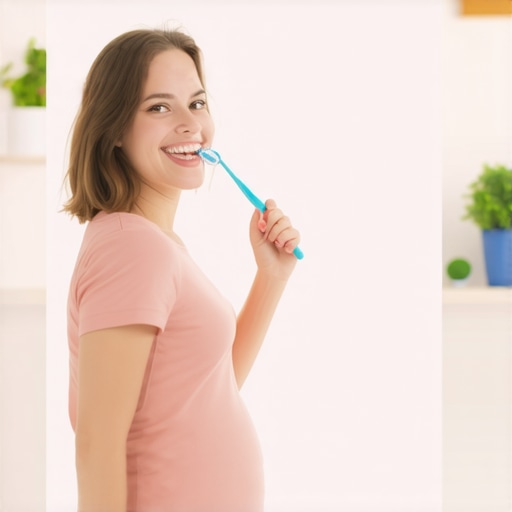
Start by adopting a gentle yet thorough brushing routine twice daily. Use a soft-bristled toothbrush to avoid irritating sensitive gums, which are more prone to bleeding and inflammation during pregnancy. I once had a patient who was hesitant about brushing her gums due to discomfort, but I explained that gentle brushing prevents plaque buildup, which directly influences gum health and stability of teeth. After adapting her technique using a proper teeth cleaning method, she experienced less bleeding and felt her gums tighten within weeks.
Incorporate Flossing into Your Routine
Daily flossing removes debris and plaque from between teeth where a toothbrush can’t reach. Think of floss as a bouncer clearing out the crowd—a critical step in reducing inflammation that causes gums to recede and teeth to feel loose. I personally demonstrated flossing to a patient whose gum recession was causing temporary tooth looseness, and within days, her gum inflammation subsided significantly. Remember, floss gently beneath the gumline; aggressive flossing can worsen sensitivity.
Opt for Professional Cleanings
Regular visits to your dentist for professional cleanings are your best defense against gum disease. A deep clean not only removes hardened plaque (‘tartar’) but also stimulates blood flow, promoting healthier gum attachment. I recall a busy working mom who scheduled cleanings every three months, leading to noticeable improvement in her gum firmness and reduction of loose sensation. Consider regular dental cleanings as part of your pregnancy care plan—it’s preventive and effective.
Adjust Your Diet to Support Oral Health
Consume foods rich in calcium, vitamin D, and phosphorus to strengthen your teeth’s enamel and bones. Avoid sugary snacks and acidic beverages that erode enamel and promote bacterial growth leading to inflammation. I once advised a pregnant woman to include dairy, leafy greens, and nuts, which significantly improved her perceived tooth stability. A balanced diet acts like a construction crew, reinforcing the foundation of your oral health, making teeth less susceptible to loosening.
Address Hormonal Fluctuations with Targeted Care
Hormonal changes can cause swelling and increased blood flow to gums, making them more sensitive. Anti-inflammatory mouthwashes containing chlorhexidine can help reduce this swelling. However, use these under your dentist’s guidance, especially during pregnancy. I recommended a gentle, pregnancy-safe rinse for a patient experiencing heightened gum sensitivity, which resulted in reduced inflammation and less loose feeling of her teeth. This targeted approach minimizes discomfort and supports the healing process.
Maintain Consistency and Monitor Changes
Track your symptoms: note any persistent looseness, pain, or bleeding. Consistent care often leads to noticeable improvements within a few weeks. I remember a case where a woman kept a simple journal; over time, her loosening reduced, and her confidence grew. Share your progress with your dental professional to tailor your care plan effectively. Remember, proactive steps today can prevent more severe issues later, keeping your smile healthy and strong.
< }Many believe that a quick floss or brushing session is enough to keep dental issues at bay, but the reality is far more nuanced. One common myth is that regular dental cleanings are only necessary when you have visible plaque or cavities. In fact, routine professional cleanings play a crucial role in preventing hidden problems that aren’t immediately apparent, such as early gum disease or subclinical inflammation, which can silently damage your oral structures over time. This misconception can lead many to neglect their preventive visits, increasing the risk of severe issues down the line. For example, studies indicate that patients who skip regular cleanings are more likely to develop periodontal disease within five years, even if they feel their mouth is healthy (source: [The Science Behind Teeth Cleaning](https://gentlesmiledentist.com/the-ultimate-guide-to-teeth-cleaning-techniques-and-benefits)).
A further misconception is that cosmetic dentistry is purely superficial and doesn’t impact long-term health. While achieving a beautiful smile is often the primary motivation, procedures like veneers or whitening can influence the underlying health if not chosen carefully. For instance, some believe that whitening agents are entirely safe, but aggressive or improper use can weaken enamel or cause sensitivity. It’s essential to understand that cosmetic treatments should complement overall dental health, not replace proper hygiene practices.
Advanced practitioners know that selecting the right technique matters. For example, new trends in cosmetic dentistry focus on minimally invasive options that preserve tooth structure while delivering aesthetic improvements, such as laser contouring or adhesion techniques. These innovations highlight the importance of consulting with a knowledgeable dentist for tailored solutions. You can explore the latest trends that are transforming smiles this year by visiting [Cosmetic Dentistry Trends](https://gentlesmiledentist.com/cosmetic-dentistry-trends-that-transform-your-smile-this-year).
Now, let’s talk about the pitfalls related to teeth cleaning. A common oversight is using abrasive toothpaste or overbrushing, which can erode enamel and lead to increased sensitivity and even accelerate gum recession. In my experience, many patients are unaware that gentle, circular motions with a soft brush are more effective and safer. Curious about proper techniques? Check out [Teeth Cleaning Secrets](https://gentlesmiledentist.com/teeth-cleaning-secrets-achieve-a-bright-smile-in-under-30-minutes) for more insights.
When it comes to family dentistry, some believe that children’s teeth require less attention or that their primary teeth are temporary and therefore less critical. This myth is dangerous because early dental issues can set patterns for future health and aesthetics. Early evaluations and preventive care are vital, and employing age-appropriate techniques can make a significant difference. For practical tips, visit [Family Dentistry Tips](https://gentlesmiledentist.com/family-dentistry-tips-that-make-oral-care-effortless-and-effective).
What most people overlook, however, is the significance of nuanced care tailored to individual needs. For example, customizing oral hygiene routines based on habitual diet, genetic predispositions, or hormonal changes can optimize results. Your oral health provider’s expertise in recognizing subtle signs can prevent minor issues from escalating. Do you keep track of the early signs of dental concerns? If not, you might be missing crucial opportunities for intervention. Share your thoughts in the comments!
Remember, understanding the fine details—like the science behind whitening or the latest minimally invasive techniques—can truly transform your approach to dental care. Like any health aspect, it’s the small, informed choices that lead to lasting results. For more advanced strategies, explore [The Impact of Cosmetic Dentistry in 2025](https://gentlesmiledentist.com/transform-your-smile-the-impact-of-cosmetic-dentistry-in-2025). Stay vigilant and proactive—your smile deserves the best care!Maintaining your oral health over the long term requires more than just daily brushing and flossing; it involves investing in the right tools and adopting effective methods that can enhance your routine and prevent future issues. One of my favorite pieces of equipment is the sonic toothbrush, specifically models like the Sonicare ProtectiveClean. I prefer these because their high-frequency vibrations effectively remove plaque without damaging sensitive gums, a common concern during pregnancy. Plus, their built-in timers ensure you’re brushing for the optimal two minutes, making sure no area gets overlooked.
When it comes to professional cleaning, I recommend using air-polishing devices like the AirFloss or Glydent, which utilize low-abrasive, pressurized streams of water and fine powders. These tools reach areas traditional flossing might miss and help keep your gums healthy, reducing the risk of bacteria buildup that leads to loose teeth or gum disease. Regular use of these tools in conjunction with your dental visits can significantly improve your oral health, especially for busy families that need quick yet effective solutions.
How do I stay on top of maintenance over time?
Creating a schedule for periodic check-ins with your dental care professional is essential. I advise scheduling comprehensive exams and cleanings at least twice a year, which allows your dentist to monitor for subtle changes like early signs of gum recession or enamel erosion. Utilizing digital imaging or intraoral cameras during these visits provides detailed visualization, helping catch potential issues before they escalate. Additionally, maintaining an at-home routine with high-quality tools such as electric toothbrushes and water flossers makes ongoing maintenance less daunting and more effective.
Looking ahead, the trend in oral health seems to be leaning toward smarter, AI-integrated devices that can personalize your dental care. Imagine toothbrushes that analyze your brushing patterns and provide tailored feedback via a smartphone app—this integration could revolutionize long-term results, making maintenance more intuitive than ever before. To maximize your routine today, try incorporating a powered toothbrush and a water flosser, and schedule your next professional cleaning in six months to keep your smile shining for years to come. For additional insights on advanced techniques, visit this comprehensive guide.
What No One Tells You About Oral Health Lessons
One of the most eye-opening realizations I had was that consistent, mindful oral care can prevent issues before they start—saving you time, money, and discomfort in the long run. I learned that even small habits, like gentle flossing and choosing the right toothpaste, can have a profound impact on your smile’s health and resilience. Discovering the importance of tailored care and listening to your body’s signals transformed my approach, emphasizing prevention over cure.
The second lesson was about the misconceptions surrounding cosmetic dentistry. Many believe procedures are purely superficial, but I found that they often boost confidence and encourage better habits. Understanding the science behind whitening and veneers reveals that these treatments can protect and strengthen your teeth when done correctly. Embracing the latest innovations, like minimally invasive techniques, can make a remarkable difference in your journey toward a radiant, healthy smile.
Lastly, I realized that family dentistry isn’t just about scheduling regular visits; it’s about fostering a lifetime of good habits for every age. Early education, engaging children positively, and family-centered routines create a foundation that benefits everyone. True care involves a holistic approach, integrating diet, hygiene, and regular professional guidance, ensuring smiles are preserved for generations to come.
My Roadmap to a Bright Smile
For those eager to elevate their dental care game, I recommend investing in high-quality tools like an electric toothbrush and water flosser. Pair these with periodic professional cleanings, which can detect early problems and keep your gums firm. Explore resources like the ultimate guide to teeth cleaning techniques for practical tips. Also, stay inspired by reading about forward-thinking trends in cosmetic dentistry through the latest aesthetic innovations.
Your Smile, Your Power to Change
Remember, your commitment to consistent, informed dental care is an investment in your confidence and well-being. The journey toward a healthier, brighter smile is ongoing and rewarding. Don’t wait for issues to become urgent—start today, and watch how your smile transforms from ordinary to extraordinary. Which new habit are you excited to try first? Share below or ask your questions—I love hearing how you’re making your dental health a priority!