
I remember sitting on the floor of my daughter’s bedroom at 3:00 AM, holding a flashlight and trying to get a peek inside her mouth while she wailed. Her back gums looked like angry, red little balloons right where her six-year molars were supposed to be. I panicked. I actually made a huge mistake early on by thinking it was a piece of stuck food and tried to ‘clean’ the area a bit too aggressively with a piece of floss. All I did was make her bleed and cry harder. If you are staring at a puffy, purple-red ridge in your kid’s mouth right now, take a deep breath. You aren’t failing as a parent, and your child’s mouth isn’t falling apart. This is a classic case of eruption gingivitis, and while it looks scary, it is usually just a sign that a big tooth is working hard to break through. Today, we are going to break down exactly why this happens, how to tell the difference between normal growth and a real infection, and the tricks I’ve learned to keep the pain at bay without losing your mind.
When Those New Molars Turn Your Toddler Into a Grumpy Bear
It is easy to forget that teeth don’t just ‘pop’ out; they have to literally cut through living tissue. When those large permanent molars start their journey, the gum tissue often gets trapped between the crown of the new tooth and the opposing teeth, leading to inflammation. This is often part of the reason your kid refuses to brush suddenly or starts acting out at mealtime. I used to think family dentistry tips were just for keeping cavities away, but they are just as much about managing these uncomfortable growth spurts. According to the American Academy of Pediatric Dentistry, eruption gingivitis is incredibly common because the ‘gingival pocket’ around a semi-emerged tooth is a magnet for plaque that is hard to reach. Have you noticed your little one pulling away when you get near those back teeth with a toothbrush lately?
Could It Be More Than Just a Tooth Coming In?
I know that nagging fear in the back of your head: What if it’s an abscess? It is the same fear I had when I saw that first purple ‘eruption cyst.’ Most of the time, it is just a bruise from the tooth pushing up, but you have to stay vigilant. We often see parents worry about the truth about fluoride varnish for toddlers when they should be focusing on the physical irritation of the gum line. If the swelling is accompanied by a fever or a bad taste in the mouth, that is when you should be looking for a professional opinion. Staying on top of oral health as a family means recognizing these milestones before they turn into emergencies. In the next section, I’ll show you the gentle cleaning method that finally worked for us without the tears.
Stop the Swelling Before It Stops the Bedtime Routine
When you see that puffy, angry ridge in the back of your child’s mouth, your first instinct might be to scrub it clean with extra vigor. Please, don’t. Imagine trying to wash a fresh scrape on your knee with a stiff floor brush—that is exactly what a standard toothbrush feels like for your child right now. To manage this at home, we need to shift our focus from aggressive cleaning to strategic debris removal and inflammation control. The goal isn’t just a clean mouth; it is a comfortable child who can actually sleep through the night.
Master the Art of the Gentle Swipe
I remember the first time I tried a ‘micro-swipe’ with my daughter during her six-year molar eruption. I had previously been using a standard brush, and the result was always a battle. I switched to a clean, damp, cold washcloth wrapped around my index finger. By gently wiping the gum line in a circular motion, I could disrupt the plaque without the sharp bristles poking the sensitive tissue. This is where the case against aggressive flossing becomes so relevant; your goal is to manage the biofilm, not to punish the tissue. If you notice a tiny bit of spotting on the cloth, stay calm. The tissue is stretched incredibly thin over the crown of the tooth, making it prone to minor bleeding.
Wash Away Bacteria with a Simple Salt Solution
One of the most effective family dental care hacks to keep your kids smiling daily is the classic warm salt water rinse. If your child is old enough to spit, have them swish a half-teaspoon of salt in a cup of lukewarm water for thirty seconds. Salt is a natural desiccant, meaning it draws excess fluid out of the swollen gum tissue, reducing that ‘balloon’ feeling that causes the most distress. For my youngest, who hadn’t mastered spitting yet, I would dip a sterile cotton swab in the solution and gently dab it directly onto the eruption site. It is a trick we often suggest for how to stop a canker sore from hurting immediately, and it works wonders for localized gum inflammation too. 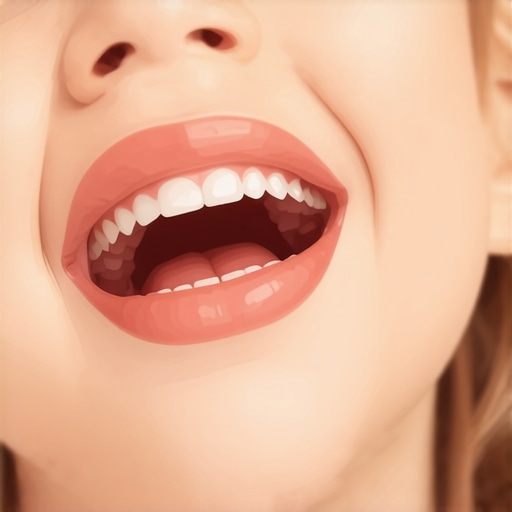
Harness the Power of Cold to Reduce Throbbing
If the gum looks purple or deep red, it is likely an eruption cyst—essentially a small bruise where a blood vessel was pinched as the tooth pushed upward. Heat will only make this throb more by increasing blood flow to the area. You want cold, and you want it often. I found that providing the best foods for kids to eat after having a tooth pulled, such as chilled applesauce, frozen yogurt tubes, or even a cold smoothie, provides a natural numbing effect that lasts longer than most topical gels. While they are snacking on these cold treats, it is the perfect time to ensure they are getting the one nutrient most people lack for healthy tooth enamel, like Vitamin D and Calcium, which helps the incoming permanent tooth develop a strong outer layer as it finally breaks through the surface.
Why Scrubbing Harder Actually Makes Red Gums Bleed More
One of the biggest mistakes I see parents make is assuming that a red, puffy gum line is a sign of laziness or poor hygiene. We have been conditioned to think that more redness equals more scrubbing. However, the nuance most people miss is that the inflammation during tooth eruption is often mechanical, not just bacterial. In my experience, and as noted in several oral health myths busted what every family should know, the gum tissue is under immense physical pressure from the underlying tooth. If you go in with a deep clean mentality, you are not just removing plaque; you are traumatizing already compromised tissue. I have even seen well-meaning parents try the truth about using baking soda as a toothpaste thinking it will sanitize the area, but the abrasive nature of baking soda on a raw eruption site is like pouring salt in a wound. 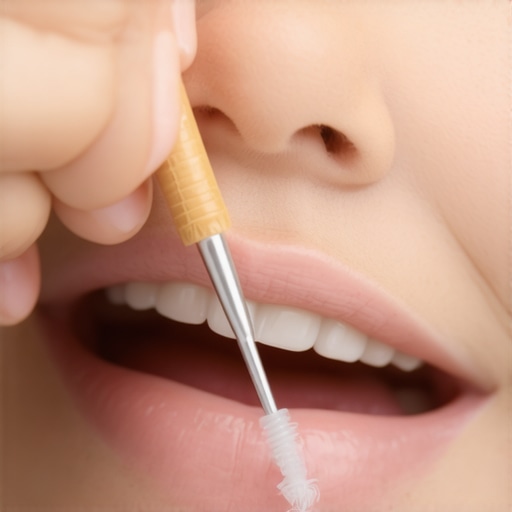
How Can You Tell if the Swelling Is Actually Dangerous?
This is the question that keeps parents up at night when the usual remedies do not seem to work. The advanced trick is to look at the direction and spread of the swelling. According to the American Academy of Pediatric Dentistry, normal eruption gingivitis stays localized strictly to the immediate area of the emerging tooth. If the swelling starts to migrate toward the cheek or the floor of the mouth, that is your red alert. This is why gentle teeth cleaning best practices for sensitive gums are so vital; they allow you to keep the area clean enough to monitor changes without causing the artificial redness of manual irritation. A common trap is ignoring a high feeling in the bite or a sudden refusal to close the jaw. If your child suddenly complains that their teeth do not fit together, it might not just be the new tooth; it could be a localized abscess pushing the tooth slightly out of the socket. Have you ever fallen into this trap of over-cleaning a sore spot only to make it worse? Let me know in the comments below! Remember, the case against aggressive flossing applies here too; if you force it, you risk pushing bacteria deeper into the gingival pocket rather than lifting it out.Once that big tooth finally breaks through the surface, you might feel like the battle is over, but this is actually where the real work of maintaining oral health expert advice for a lifetime of healthy teeth begins. I’ve found that the tools we choose during these sensitive transitions set the stage for how our kids view the dentist for years. Personally, I stopped using manual brushes for my kids the moment their first molars appeared and switched to a Sonicare for Kids. The reason is specific: the built-in pressure sensor. Most parents don’t realize they are pressing too hard, which is one of the oral health myths busted what every family should know—that more pressure equals cleaner teeth. In reality, that pressure can further irritate erupting gums.
How can I maintain a healthy mouth as my child grows?
To keep the momentum going, I recommend a ‘two-brush’ system. We use a high-quality electric brush for the heavy lifting and a secondary, ultra-soft manual brush for those days when a new tooth is acting up. This variety is one of the best preventive tips for long-lasting dental health for families because it gives the child a sense of control over their discomfort. Dr. Paul Casamassimo, a renowned expert and former president of the American Academy of Pediatric Dentistry, notes in his clinical papers that the transition to permanent dentition is the highest-risk period for developing long-term gingival habits. If we make it painful now, they’ll avoid the back of their mouth for a decade. 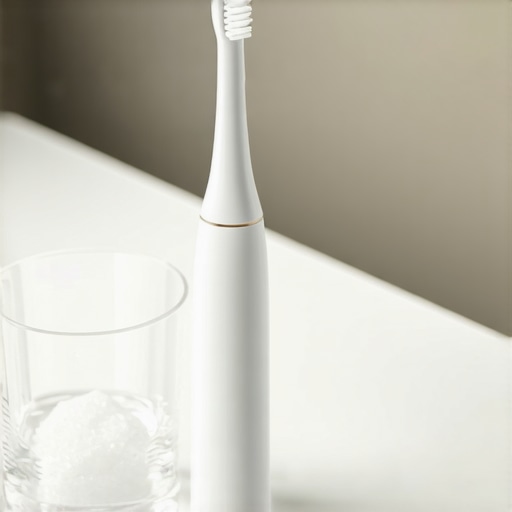 Looking ahead, I predict we are going to see a massive shift toward AI-integrated brushes that don’t just track time but actually map the specific anatomy of a child’s changing jaw to ensure no plaque is left behind in those deep molar grooves. This is part of the broader cosmetic dentistry innovations you can’t miss this year where technology meets daily prevention. To bridge the gap until then, ensure you are practicing gentle teeth cleaning best practices for sensitive gums by using the ‘Pinky Check’—if you can’t comfortably press your pinky finger against the gum, your brush is too stiff. I challenge you to try the warm salt water dab tonight, even if they aren’t complaining; it’s a proactive way to keep the biofilm from hardening into tartar while those teeth are still in their ‘vulnerable’ stage.
The Hard Lessons I Learned While Watching Molars Break Through
Reflecting on those long nights, I realized that my own anxiety was often the biggest obstacle. One of the most important things I learned is that a purple bump on the gum, known as an eruption hematoma, looks terrifying but is actually a sign that the tooth is just days away from appearing. I also found that oral health myths busted what every family should know often fail to mention that slight bleeding is a normal part of the tissue thinning out. Most importantly, I learned to trust the process; if there is no fever and the swelling is localized, your child is likely just fine. It’s also vital to remember that why some kids get cavities despite brushing twice a day often comes down to the deep grooves in these new molars, making early protection even more critical.
The Gear That Saved Our Bedtime Routine
I have built a small toolkit that helps us manage these growth spurts without the tears. My first recommendation is a Sonicare for Kids electric toothbrush because its pressure sensor stops my kids from scrubbing too hard on raw gums. Secondly, I always keep silicone mesh feeders in the freezer filled with frozen berries; the cold provides instant relief while they chew. For professional guidance, I frequently check the American Academy of Pediatric Dentistry (AAPD) parent portal for updated safety standards. Finally, I rely on the top 5 secrets to maintaining perfect oral health as a family to ensure our overall routine stays consistent even when things get uncomfortable. These tools turn a painful milestone into a manageable part of growing up.
Building a Future of Healthy Smiles Together
Watching your child deal with the discomfort of eruption gingivitis is never easy, but your patience and gentle care are laying the groundwork for their future. By focusing on gentle teeth cleaning best practices for sensitive gums, you are teaching them that dental care doesn’t have to be a source of fear or pain. This phase is just a temporary stepping stone toward maintaining oral health expert advice for a lifetime of healthy teeth. Keep up the great work, stay observant, and don’t forget that those big, permanent teeth are a sign of a healthy, growing child. Which of these molar stages has been the hardest for your little one so far? Let me know in the comments below!