
I remember the moment vividly. I was biting into an apple, and suddenly, a sharp pang shot through one of my molars. That dull ache turned into a persistent pain, and it hit me—I never scheduled that dental cleaning I kept putting off. Honestly, it was one of those excuses I told myself: “I’ll do it next month,” or “My teeth still look fine.” But the truth is, neglecting routine dental visits can cost more than just a little discomfort.
Why Skipping Your Dental Cleaning Might Be Claring Your Wallet
It’s easy to think that missing a six-month appointment is no big deal—after all, my teeth looked pretty clean at home. But dental cleanings are about more than just a fresh smile. They are a crucial line of defense against cavities, gum disease, and other oral health issues that sneak up on you unnoticed. When I missed mine, I didn’t realize how small problems can compound over time, leading to costly treatments like fillings, root canals, or even implants. The American Dental Association emphasizes that regular professional cleanings not only prevent decay but can save you a significant amount of money in the long run, especially since early-stage issues are easier and cheaper to treat than advanced problems.
Facing the Fear: Is Dental Cleaning Really That Important?
Early on, I made the mistake of thinking my teeth would stay healthy simply by brushing and flossing diligently. While personal oral hygiene is vital, it can’t replace professional cleanings. If you’re skeptical, I get it—some people worry about discomfort or think it’s unnecessary if their teeth look fine. If that’s you, let me ask a question: Have you ever felt that tiny twinge of sensitivity that turned into a full-blown toothache? That’s often a sign early enough to prevent bigger issues, but only if caught in time during a dental exam.
Think net: I used to ignore professional cleanings, convinced that my home routine was enough. But I learned the hard way that small signs of trouble can be missed without a professional eye—and that skipping cleanings can lead to more intense problems and higher costs down the line. In fact, studies show that regular cleanings can even help catch signs of oral cancers early, saving your life as well as your teeth.
So, if you’ve been postponing your dental appointment, you’re not alone. But consider this your gentle nudge—skipping your six-month cleaning might seem harmless now, but the consequences can be far from it. Ready to get back on track? Next, I’ll walk you through practical tips to make your dental visits easier, more effective, and less intimidating.
Schedule Regular Appointments Like Clockwork
Set reminders for every six months to visit your dentist. I once used my phone calendar to block out appointment times, and surprisingly, I didn’t miss my cleanings for an entire year. This consistency prevents plaque buildup and catches issues early, saving you money and discomfort.
Brush Correctly to Prepare for Your Dental Visit
Think of your teeth as a garden; regular brushing removes the weeds before they take over. Use a soft-bristled brush at a 45-degree angle to your gums, gently sweeping in circular motions. A micro-story: During one session, I noticed my gumline was bleeding slightly, prompting my dentist to check for early gum disease—early action saved me from more serious problems.
Floss Daily to Remove Hidden Nests
Flossing is like weeding between tiles—reaching places your brush can’t. Slide the floss gently between teeth, hugging the sides, and avoid snapping it into gums. In my experience, consistent flossing reduced my sensitivity and prevented cavities in tight spots.
Maintain a Healthy Diet and Hydration
Limit sugary snacks and drinks that act like fertilizer for cavity-causing bacteria. Drinking water after meals rinses away acids and food particles. I started carrying a water bottle daily, which not only improved my digestion but also kept my mouth cleaner between brushings.
Use Mouthwash as an Extra Layer of Defense
After brushing, a dab of fluoride mouthwash strengthens enamel. Think of it as a sealant that fills microscopic cracks. I prefer alcohol-free options for sensitivity, especially before bed, to avoid drying out my gums.
Prepare for Your Appointment with the Right Mindset
Arrive on time and communicate openly with your hygienist about any sensitivities or concerns. I once brought up my mild gum bleeding, which was addressed proactively, resulting in personalized tips and a better cleaning session next time. Remember, your active participation ensures you get the most benefits from each visit.
Consider Cosmetic or Family Dentistry When Needed
If you’re interested in brightening your smile or maintaining family oral health, explore options like teeth whitening or family-friendly services. For example, I opted for a quick whitening treatment, which transformed my confidence—more info can be found on cosmetic dentistry trends.
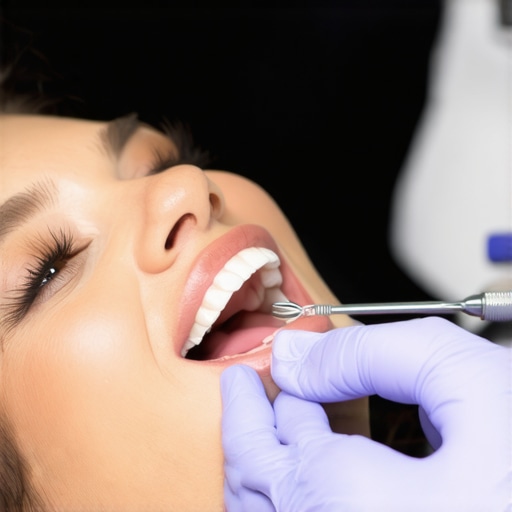 When it comes to maintaining excellent oral health, many people operate under misconceptions that could hinder their progress. A common myth is that dental cleanings are solely for aesthetic purposes—the truth is, professional cleanings play a vital role in preventing serious issues like gum disease and oral cancers, which early detection significantly improves outcomes for, as noted by the American Dental Association. Additionally, many believe that whitening treatments are permanent, but in reality, they require maintenance and can even weaken enamel if overused. An often-overlooked nuance is the importance of understanding how systemic health links to oral health; conditions like diabetes can influence gum disease severity, making it essential to coordinate care with your healthcare provider.
An advanced mistake many make is neglecting the nuances of cosmetic dentistry procedures—assuming one quick fix will last forever. For example, porcelain veneers can be durable but are not invincible; improper oral hygiene or habits like teeth grinding can compromise them over time. Recognizing the importance of customization and ongoing care is crucial. As suggested by experts in dental prosthetics, comprehensive planning enhances long-term satisfaction and health.
For those curious about the deeper mechanics, consider how saliva’s composition varies among individuals and impacts cavity risk—research from the Journal of Dental Research indicates that saliva in some people has lower buffering capacity, making them more susceptible to decay. This nuance underscores the need for personalized treatment plans, including saliva testing for tailored advice.
Are you aware of how lifestyle choices influence the longevity of cosmetic procedures? For instance, smoking can discolor whitening results and weaken teeth, reducing the overall benefit. Moreover, with family dentistry, many overlook the importance of early intervention; habits learned or started early can prevent costly treatments later. Regular checkups are more than cleaning—they’re an opportunity for the dentist to detect subtle signs of problems like early decay or bite issues, which if addressed promptly, save money and discomfort.
Remember, true mastery of oral health involves understanding these subtleties. Don’t fall for the trap of superficial fixes or misconceptions—invest in knowledge and personalized care. Want to explore more about the latest in cosmetic dentistry? Check out the latest trends that can enhance your smile. Also, ensure you’re aware of how systemic health impacts your oral health, as discussed in the dental myths to know in 2025. Stay proactive, and don’t hesitate to consult with your dental professional about nuanced concerns—your smile deserves expert attention. Have you ever fallen into this trap? Let me know in the comments.Maintaining excellent oral health over the long term requires more than just regular brushing and flossing; it demands specific tools and routines that support your efforts daily. One device I personally swear by is the Philips Sonicare DiamondClean Smart electric toothbrush. Its multiple brushing modes, including gum care and whitening, help me target problem areas and maintain my smile’s brightness. The electric brush’s oscillating and sonic technology effectively remove plaque more consistently than manual brushing, reducing my risk of gum disease and cavities.
For interdental cleaning, I rely on the Waterpik Ultra Water Flosser. Unlike traditional floss, this device uses a directed water jet that reaches deep between teeth and below the gumline, which has been shown to reduce gingivitis and improve gum health significantly. I prefer it because it’s gentler on my gums and much more convenient, especially for hard-to-reach spots. Regular use of the Waterpik has helped me avoid persistent sensitivity and keeps my gums firmly attached, proving the value of choosing the right interdental cleaner.
In the realm of cosmetic maintenance, I incorporate whitening treatments like Zoom! Teeth Whitening at their clinic, but to preserve results, I use a high-fluoride toothpaste with stabilized pentasodium triphosphate. This specific compound, studied extensively, helps remineralize enamel and prevent staining over time. While over-the-counter kits are popular, I trust professional-grade products and techniques for the best, safest outcomes. It’s likely that the trend of at-home whitening will evolve with smart technology integration, allowing for even more personalized and controlled whitening routines in the future.
Beyond tools, I embrace software solutions as well. My dentist recommends using the Dental Monitoring app, which allows virtual check-ins to monitor my progress and catch issues early. This integration of technology complements in-office visits, offering the benefit of ongoing oversight without constant trips to the clinic. For families, such tools help instill good habits in children and keep parents informed about their kids’ oral health status.
Thinking about long-term results, I focus on personalized oral health plans, emphasizing routine assessments that adapt as your needs change. A recent study published by the Journal of Clinical Dentistry indicates that custom care, including specific tools and tailored routines, significantly prolongs the lifespan of restorative work such as crowns, veneers, and implants. In this way, investment in quality tools and technologies pays dividends over the years.
If you’re inspired to upgrade your daily oral hygiene, I suggest trying a water flosser combined with an electric toothbrush—these are game changers in preventing gum disease and maintaining a brighter smile. Remember, consistent use of these instruments, paired with regular professional checkups, is the best strategy for sustainable oral health. Want to learn more about the latest innovations? Visit the latest trends in cosmetic dentistry for an in-depth look at how technology is transforming smile care.
Lessons That Changed My Approach to Smiles
- Realizing that oral health isn’t a one-time effort but a lifelong journey taught me patience and consistency. Small daily actions, like proper brushing and flossing, compound over time, preventing expensive and invasive procedures.
- Understanding the systemic link between your overall health and oral well-being was an eye-opener. Knowing that conditions like diabetes influence gum health motivated me to prioritize regular checkups, not just for my teeth but my whole body.
- My biggest lightbulb moment was that professional cleanings catch early signs of issues that at-home routines can’t detect—saving me money, discomfort, and even my smile’s appearance.
- Embracing technology, such as at-home monitoring apps and advanced dental tools, transformed my perspective on proactive care, making routines more engaging and effective.
Tools That Keep My Smile Bright and Strong
- Electric toothbrushes like the Philips Sonicare DiamondClean are game-changers—efficacious and gentle, they ensure every surface gets the attention it deserves.
- Water flossers, especially models like the Waterpik Ultra, are perfect for my hard-to-reach spots and make daily flossing effortless and enjoyable.
- Professional whitening treatments, such as Zoom! Whitening, combined with high-quality remineralizing toothpaste, help me maintain a dazzling smile, feeling confident daily.
- Digital health apps recommended by my dentist allow me to keep an eye on my progress and address issues early, reinforcing my commitment to oral health.
Take That First Step Towards Your Best Smile
Investing time and effort into your oral health opens doors to a lifetime of confidence and well-being. Remember, each small step counts—it’s never too late to prioritize your smile. If you’re unsure where to start, scheduling a visit can be the most impactful decision you make today. Curious about the latest advancements in cosmetic dentistry? Check out the newest trends that can enhance your smile. And if you’re ready to take action, don’t hesitate to reach out through our contact page. What small change will you commit to this week to improve your oral health? Let me know below.