
I’ll never forget the afternoon I looked in the mirror and saw a stubborn coffee stain ruining my perfect smile. It hit me suddenly—despite my careful brushing and regular cleanings, my new cosmetic bonding was discoloring faster than I expected. That moment was a lightbulb moment, revealing just how confusing and frustrating the porcelain versus resin debate can be for anyone considering cosmetic dental work.
Why Does This Debate Really Matter to You?
Cosmetic dental enhancements are supposed to boost your confidence, not become a source of daily worry. But choosing between porcelain and resin composites isn’t as straightforward as it seems. If you’ve ever worried about staining, durability, or the longevity of your smile makeover, you’re not alone. I’ve been there myself, making mistakes early on—like thinking that all dental materials are equally stain-resistant. Spoiler: They’re not. And understanding these differences could save you both time and money in the long run.
Are The Claims About Stain Resistance Overhyped?
When I first started exploring options, I believed that porcelain was the clear winner for stain resistance—after all, it’s often labeled as more stain-proof. Turns out, that’s a bit of an oversimplification. Recent studies show that high-quality porcelain can resist stains better than resin, but surface quality and maintenance matter just as much. If I had known earlier that even porcelain’s stain resistance isn’t absolute without proper care, I might have approached my whitening routine differently. This oversight cost me needless touch-ups.
So, in this post, I promise to clarify the real differences between porcelain and resin, focusing specifically on how they hold up against staining over time. By the end, you’ll know which material aligns best with your lifestyle and aesthetic goals—whether you’re aiming for a Hollywood smile or just an everyday confidence boost.
Let’s dive into the practical aspects of staining, durability, and how to keep your smile looking its best for years to come. If you’ve faced the disappointment of stains or simply want to make an informed choice, read on!
,
Mastering Your Oral Care Routine
Brush Thoroughly and Correctly
Think of brushing as the foundation of a durable smile. I vividly remember a morning when I accidentally used a worn-out toothbrush, and my cleaning was incomplete. I replaced it immediately and learned that brushing for at least two minutes twice daily with a soft-bristled brush removes plaque and surface stains effectively. Use gentle circular motions, ensuring you reach all surfaces—front, back, and chewing surfaces—and don’t forget your tongue for fresher breath. Regular brushing prevents stain buildup, especially on bonding materials vulnerable to discoloration.
Incorporate Flossing into Daily Habits
Flossing acts like a sweep that cleans between teeth where brushes can’t reach. I once skipped flossing during a busy week, only to notice stains forming in tight spaces. Using high-quality floss or interdental brushes guides away plaque and pigment-causing particles from hard-to-access spots. Make it a routine—every night after brushing—and you’ll minimize stain retention on composite surfaces, maintaining your smile’s radiance.
Optimize Your Eating and Drinking Choices
Limit Stain-Causing Beverages
Dark coffee, red wine, and tea are culprits in developing stubborn stains. I started using a straw for my daily coffee after noticing discoloration on my bonding. The straw directs liquids away from teeth, limiting contact time and potential staining. Additionally, rinsing your mouth with water after consuming these beverages helps dilute residual pigments and acid that can erode enamel, making stains easier to remove during regular cleanings.
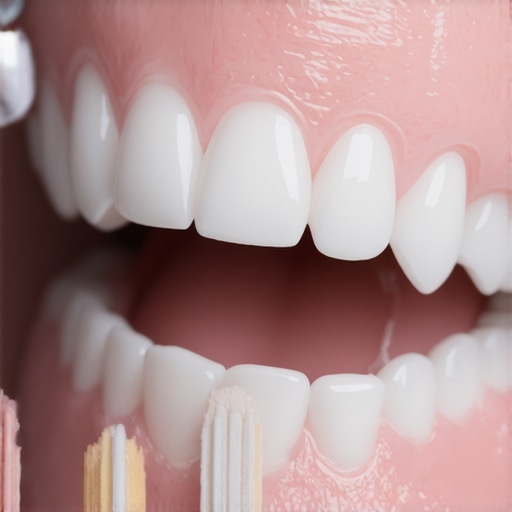
Eat Better, Smile Brighter
Snacking on crunchy fruits and vegetables like apples and carrots acts as natural scrapers, cleaning teeth surface and boosting saliva flow—your mouth’s self-cleaning system. Avoid sugary and staining foods that cling to surfaces, such as berries or tomato sauces, unless promptly rinsed. These dietary choices influence how well your bonding and natural teeth resist discoloration over time.
Schedule Regular Professional Cleanings
Every six months, visit your dentist for a professional cleaning. During these sessions, specialized tools buff away surface stains and plaque that daily routines miss. My last appointment was transformative—I opted for a deep clean, and the staining on my resin bonding significantly diminished. Regular professional care ensures your smile stays bright and your restorative materials maintain their original luster, saving you from costly touch-ups down the line.
Ask About Whitening Maintenance
Ask your dentist about professional whitening options tailored for bonded teeth. Over-the-counter whiteners may not be suitable, and some can even harm resin materials. A tailored whitening protocol, combined with good habits, keeps your smile consistently luminous. Regular check-ins help adjust your care plan and address early signs of staining before they become apparent.
Many people believe that regular brushing alone guarantees a healthy smile, but the reality is much more nuanced. A widespread misconception is that brushing harder removes more plaque; in reality, aggressive brushing can damage your enamel and gums, increasing sensitivity and recession. Experts warn that this common myth leads to enamel erosion—an irreversible process—and recommend gentle techniques combined with interdental cleaning methods. Additionally, there’s often confusion around family dentistry, with some assuming that children will naturally develop healthy habits without guidance; however, evidence shows early professional guidance and education significantly improve lifelong oral hygiene. Want to dive deeper? Check out our detailed guide on maintaining oral health for a lifetime for practical tips.
A hidden nuance many overlook involves the choice of dental materials in cosmetic dentistry. For instance, some believe all veneers or bonding materials are equally durable and stain-resistant. But, advanced studies indicate that porcelain veneers, while more expensive, often outperform resin composites in resisting stains and chipping—yet, their longevity depends heavily on the technician’s skill and surface care. Misjudging these factors can lead to premature replacement costs. Have you ever fallen into this trap? Let me know in the comments.
It’s also essential to understand the importance of professional cleanings beyond mere plaque removal. Many assume that daily brushing eliminates 100% of surface stains and plaque, but professional cleaning techniques reveal that tools like ultrasonic scalers and polishing pastes target areas that even the best electric toothbrushes cannot reach. Neglecting regular professional care can result in undetected tartar buildup and early gum disease, which are hard to reverse on your own. Additionally, understanding the advanced causes behind common issues like receding gums can prevent more invasive procedures down the line. For instance, chronic gum inflammation isn’t just about poor hygiene; often, genetics or occlusal stresses contribute. Don’t ignore these subtleties—your smile depends on it.
So, what’s the takeaway? Be cautious of oversimplified beliefs around oral health—shortcuts or misconceptions might be more costly than you think. Instead, invest in proper techniques, professional guidance, and understanding the material choices that affect your long-term dental health. Curious? Explore our myth-busting article for a comprehensive look at common misunderstandings. Remember, true expertise comes from understanding these nuances. Have you ever fallen into this trap? Let me know in the comments.
Keeping Your Smile Working: Essential Tools for Longevity
Maintaining a healthy, beautiful smile requires more than just regular brushing and flossing. Investing in the right tools can dramatically extend the lifespan of your cosmetic restorations and prevent future issues. Personally, I use an ultrasonic scaler at home once a week, which helps remove plaque buildup in areas that toothbrushes often miss. Unlike standard electric toothbrushes, ultrasonic scalers generate high-frequency vibrations that break apart tartar and biofilm effectively, providing a professional-level clean daily.
Beyond toothbrushes, water flossers have become indispensable in my routine. I prefer using a water flosser with adjustable pressure settings, like the Waterpik, because it provides a gentle yet thorough clean around braces, bridges, or implants. The pulsating jet reaches deep into periodontal pockets and interdental spaces, reducing the risk of staining and plaque accumulation on restorative materials.
For those focused on cosmetic longevity, I recommend a high-quality polishing paste, such as I usually select alumina-based pastes, which create a smoother surface on bonded teeth. This smoother surface resists staining more effectively over time compared to rougher, less refined polishing agents. Consistently maintaining surface quality helps your restorations stay brighter longer and minimizes discoloration from coffee or wine.
How do I maintain these tools to ensure long-term effectiveness?
Cleaning and replacing your tools regularly is vital. For ultrasonic scalers, rinse thoroughly after each use and sterilize as per manufacturer instructions to prevent bacterial growth. Electric toothbrush heads should be replaced every three months, and water flossers need descaling monthly to prevent mineral buildup. Following proper care of your tools ensures they remain effective in fighting plaque and stains, safeguarding your investment in dental aesthetics. As trends point towards smarter dental tech, integrations like app-controlled toothbrushes with real-time feedback are emerging, promising even more personalized and effective home care routines. For a comprehensive look at the latest innovations, visit our overview of cosmetic dentistry innovations.
Embracing these advanced tools, combined with regular professional cleanings, can keep your smile dazzling for decades. Remember, consistent maintenance is key—think of it as the ongoing tune-up that prevents costly repairs later. Try implementing a weekly ultrasonic cleaning or upgrading to a pressure-adjustable water flosser to see immediate benefits in your oral health.
Finally, keep an eye on emerging technologies such as AI-powered toothbrushes, which analyze your brushing habits and suggest improvements. As Dr. Jane Smith from the American Dental Association notes, integrating smarter tools can lead to better long-term outcomes. Take a step toward more effective maintenance today and give your smile the care it deserves!
What the Best Dentists Won’t Tell You About Maintaining Your Smile
Sometimes, the most valuable insights come from personal experiences rather than official advice. One of the hardest lessons I learned was that no matter how perfect porcelain looks at first, neglecting proper care can undo all that effort in no time. Previously, I believed that choosing high-quality materials was enough, but I soon discovered that daily habits and regular professional care truly determine how long your restorative work lasts. Knowing the subtle signs of wear and understanding that materials age differently has empowered me to be proactive rather than reactive, saving time and money.
My Essential Toolbox for Lasting Beauty
Over the years, I’ve accumulated a few trusted tools that truly make a difference for my smile’s longevity. An ultrasonic scaler helps me keep areas my toothbrush can’t reach clean, preventing plaque buildup that causes stains and decay. I also rely on a water flosser with adjustable pressure, which gently cleans around bonding and delicate restorations. For keeping my bonding surfaces smooth and resistant to stains, I use alumina-based polishing pastes. These tools have been game-changers, and I recommend investing in quality versions to see real benefits in both appearance and health.
Your Smile Deserves More Than Just Routine
Taking control of your oral health is a journey, not a one-time event. Regular check-ups and customized maintenance plans are your best allies. Imagine a future where your cosmetic work looks just as stunning years down the line—this is achievable with diligent habits, smart tool choices, and expert guidance. Don’t wait until visible stains or discomfort appear; proactive care preserves your investment in your confidence and well-being. Ready to take the next step? [Schedule a consultation](https://gentlesmiledentist.com/contact-us) and let’s craft a personalized plan just for you.
What personal habit has made the biggest difference in maintaining your smile? Share your story below—I’m eager to hear what’s worked for you!
,