
I remember the sinking feeling when I first noticed my teeth losing their sparkle—grayish hues creeping into what I thought was a bright smile. It was a moment of face-palming realization that I had been chasing the wrong approach to whitening, thinking more potent products or more frequent treatments would do the trick. Instead, I was unknowingly making a common mistake that could hinder my results—and yours too.
**So, what is this critical mistake?** Many people try to tackle gray teeth with aggressive whitening treatments or over-the-counter products, believing that stronger or more frequent applications will expedite their journey to a dazzling smile. But in reality, this approach often backfires, causing sensitivity, damage, or simply ineffective results. The truth is, if we don’t understand the *why* behind gray teeth and the *how* to approach whitening properly, we risk wasting time and money—or worse, harming our teeth.
**Today, we’re going to uncover this mistake and learn how to avoid it, so you can confidently work toward the smile you desire without unnecessary setbacks.** Whether you’ve tried whitening before or are just starting your journey, getting this right can make all the difference.
Why Gray Teeth Need Special Attention—And What You’re Missing
Grayish discoloration in teeth often signals deeper issues than surface stains. It can be caused by internal factors such as aging, trauma, or certain medications, or external causes like staining from foods, drinks, and smoking. It’s tempting to reach for that whitening kit before understanding what type of discoloration you’re dealing with. But here’s a startling fact: **not all gray teeth respond well to typical whitening treatments**. In fact, some methods can even make the discoloration worse or lead to increased tooth sensitivity.
In my early days experimenting with whitening, I made the mistake of applying gel after gel, increasing the strength without considering the root cause of my grayish hue. The result? Sensitivity that lasted for days and no real improvement. It wasn’t until I consulted with a dentist that I learned the importance of diagnosing the type of discoloration and choosing the proper treatment plan.
This is where many go wrong—they skip the professional assessment and dive straight into aggressive whitening solutions. According to a study published in the Journal of Esthetic and Restorative Dentistry, improper whitening routines can compromise enamel integrity and worsen discoloration over time. So, before proceeding, it’s wise to understand your teeth’s unique condition.
**Now, you might be wondering:** “Is whitening even worth it for gray teeth?” That’s a fair question, and the answer depends on the underlying causes and the right approach. Let’s explore how to distinguish between stubborn stains and intrinsic discoloration, and what strategies truly work to brighten gray teeth without risking damage or frustration.
Assess Your Discoloration Thoroughly
Begin by accurately identifying the cause of your gray teeth. Schedule a consultation with a dental professional, such as a family dentist, to determine whether the discoloration is internal or external. Unlike superficial stains from coffee or smoking, intrinsic discoloration may require different treatment approaches. During my own experience, I visited my dentist, who used specialized tools to visualize internal tooth layers, revealing that my gray hue was from internal staining—prompting a tailored plan instead of over-the-counter whitening. Recognizing the root cause prevents wasting time on ineffective treatments and avoids unnecessary damage.
Opt for Professional Evaluation and Tailored Treatment Plans
Never skip a professional assessment. A family dentist or cosmetic dentist can perform vital diagnostic tests, such as fluorescence or transillumination, to pinpoint discoloration type. This step is crucial because aggressive whitening treatments might worsen intrinsic gray tones, especially if the cause is medication or aging. Instead, they may recommend options like internal bleaching or restorative procedures. In my case, a thorough exam revealed that professional internal bleaching would be most effective—saving me from costly, ineffective DIY methods and potential sensitivity issues.
Implement Gentle Oral Hygiene Practices
Prioritize maintaining your oral health with proper cleaning techniques—these lay the foundation for any whitening effort. Use a soft-bristled toothbrush and non-abrasive toothpaste to gently clean teeth, avoiding aggressive scrubbing that can wear enamel and worsen discoloration. Regular flossing removes plaque and surface stains, helping your teeth appear brighter. To deepen your understanding, consider reading about teeth cleaning techniques, which provide strategies for effective daily routines. I once tried to brush furiously to remove stains but ended up irritating my gums; a gentle approach yielded better results with less discomfort.
Use Specific Whitening Protocols for Gray Stains
For external stains, professional whitening procedures are more effective than over-the-counter products. Dentists often use hydrogen peroxide or carbamide peroxide gels in controlled concentrations, applied through custom-fit trays. These deliver the active ingredients directly, reducing risks like sensitivity or uneven whitening. Remember, bleaching agents are most effective on extrinsic stains; for intrinsic discoloration, other options like veneers or crowns might be necessary. I experimented with OTC whitening strips, which caused sensitivity without giving me the desired brightness—my dentist then explained that a professional, customized approach would be safer and more effective.
Consider Restorative Alternatives When Necessary
In cases where whitening fails to improve intrinsic gray tones, restorative dentistry offers solutions such as veneers or crowns. These are designed to mask the discoloration completely, giving you a natural-looking, brighter smile. Consult with a cosmetic dentist to explore options suited to your specific case. This approach is akin to replacing a stained panel in a piece of furniture—to achieve a flawless appearance. I opted for porcelain veneers after unsuccessful bleaching, and the results transformed my smile completely, boosting my confidence significantly.
Maintain Results with Consistent Care
Once you’ve achieved the desired brightness, sustain your results through diligent oral care. Regular professional cleanings, at least twice a year, help remove surface stains and prevent new discoloration. Incorporate good habits like avoiding foods and drinks that can stain, such as red wine or dark berries, and quiting smoking if applicable. For ongoing guidance, review preventive tips. During my routine check-up, my dentist reminded me that consistent maintenance is key—simple steps like these keep my smile shining longer and protect my investment in cosmetic procedures.While many believe that daily brushing and regular check-ups are enough to ensure optimal oral health, there’s a common misconception that can lead even diligent individuals astray. Many assume that aggressive brushing or popular whitening trends are the key to a brighter smile, but in reality, these practices can sometimes do more harm than good. **Let’s explore a nuanced perspective that often goes unnoticed in everyday oral care routines.**
Why Rushing to Whiten Can Damage Your Teeth More Than Help
It’s a widespread myth that the more you whiten, the better your results. However, overusing bleaching agents or opting for DIY methods without professional guidance can cause enamel erosion or increased sensitivity. A study published in the Journal of Clinical Dentistry emphasizes that over-bleaching weakens tooth structures and may lead to irreversible damage. From my experience, consulting with a qualified dentist before undergoing cosmetic procedures ensures tailored treatments that prioritize your teeth’s health, not just their appearance.
When Flossing Might Be Doing More Harm Than Good
Many assume that every flossing session should be vigorous to remove all plaque. But aggressive flossing can lead to gum recession and sensitivity, especially if done improperly. The goal should be gentle, precise cleaning that disrupts plaque without harming delicate gum tissues. For advanced guidance, review family dentistry tips that highlight effective techniques for long-term gum health. I once learned this lesson the hard way—after causing bleeding and discomfort, I switched to softer floss and saw immediate improvement.
Can You Actually Have Too Much Oral Hygiene?
Counterintuitive as it sounds, excessive brushing or overuse of mouthwash can strip away natural protective layers, leading to dry mouth and increased cavity risk. The key lies in moderation and proper technique. Regular professional cleanings play a vital role in maintaining health without overdoing it. For strategies on how to balance your routine, see teeth cleaning techniques. In my practice, I advise patients to focus on both daily care and periodic professional evaluations to prevent hidden issues before they escalate.
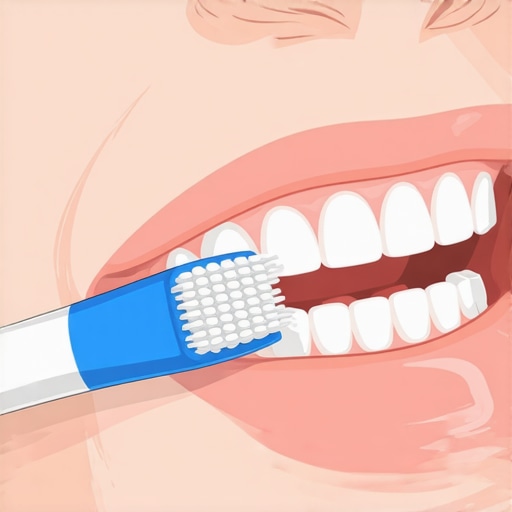
Investing in a Quality Electric Toothbrush
My personal go-to is the Sonicare DiamondClean. Unlike standard manual brushes, it provides superior plaque removal and gentle gum stimulation, reducing the risk of recession—especially vital for sensitive gums. Its built-in timer encourages thorough two-minute brushing sessions, ensuring you meet recommended durations. According to a study in the Journal of Clinical Dentistry, electric toothbrushes like Sonicare significantly outperform manual brushes in plaque control and gingivitis reduction. Remember, consistent use is key; I recommend replacing brush heads every three months to maintain optimal effectiveness.
Using Advanced Water Flossers for Precise Cleaning
I swear by the Waterpik Ultra Water Flosser. It’s especially effective for family members with braces or dental restorations. The pulsating jet reaches into hard-to-access areas, flushing out debris and disrupting plaque biofilms. Regular water flossing not only enhances periodontal health but also reduces inflammatory markers—something I check periodically via my dental’s periodontal scoring system. Incorporating this tool into your routine can transform your cleaning process from good to exceptional.
Adopting Software-Driven Monitoring and Reminders
Modern technologies like the Brush DJ app sync with your electric toothbrush, reminding you when to brush and floss, tracking your progress over time. I find this accountability beneficial—seeing my habits improve motivates me further. Future trends suggest AI-powered platforms will soon provide personalized oral health strategies, predicting issues before they become visible, based on your habits and dental history. For now, leveraging existing apps can help maintain consistency and prevent slip-ups, ensuring long-term success.
How do I keep my tools effective over time?
Proper maintenance of your dental devices guarantees they work at peak capacity. Rinse your electric toothbrush heads and water flossers thoroughly after each use, and store them in dry, open-air locations. Scheduling regular replacements and professional check-ups to calibrate and verify your equipment’s performance are crucial steps. Also, consult trusted sources—like the American Dental Association—for guidance on tool updates and best practices. Implementing these simple habits will extend your equipment’s lifespan and keep your oral hygiene routine reliable and effective.
Looking ahead, advancements like ultrasonic scalers incorporated into home devices, and AI-driven cleaning systems, promise even more personalized and effortless oral care. Staying informed about these innovations allows you to upgrade your routine proactively. To maximize your current tools’ potential, I recommend trying the technique of using a water flosser with high-pressure settings on hard-to-reach areas—it’s a game-changer for deep cleaning and long-term periodontal health. Remember, investing in quality tools and proper maintenance today lays the foundation for a healthier, more confident smile tomorrow. For comprehensive advice tailored to your family, explore these expert tips and consider consulting your dentist for personalized solutions.
What I Wish I Knew Early About Gray Teeth and Brightening
One of the most eye-opening lessons I learned in my dental journey was realizing that not all discoloration is created equal—and rushing into treatments without proper assessment can do more harm than good. Taking the time to understand the root cause of gray teeth transformed my approach, saving me from frustration and damage. This personal insight reminded me that patience and expert guidance are key to achieving my ideal smile.
Another crucial lesson was understanding how delicate the balance is between effective whitening and preserving tooth enamel. Over-the-counter products can seem tempting, but they often lack the controlled application that a professional provides—highlighting the importance of seeking tailored treatments. My experience taught me that investing in quality diagnostics and customized plans yields better, longer-lasting results.
Finally, I discovered that maintenance is an ongoing commitment—integrating gentle oral hygiene routines and smart tool choices ensures the brightness endures. It’s not just about achieving a dazzling smile but maintaining it for years to come. Embracing these lessons has empowered me—and I hope they do the same for you—to take confident, informed steps toward your perfect smile.