
Have you ever experienced that uncomfortable, metallic taste lingering in your mouth after indulging in a juicy peach or sweet pineapple? Or maybe you’ve noticed a slight sensitivity when you sip your favorite cold drink right after fruit consumption. I used to brush my teeth immediately, thinking it was the best way to handle the acid, only to find my gums feeling more irritated and my teeth more sensitive. That lightbulb moment hit me hard when I realized I might be doing more harm than good.
Why Your First Response Might Be Hurting Your Smile
Many of us believe that brushing right after eating fruit is the right move to prevent cavities or remove acid. But I found out the hard way that this common habit can actually weaken enamel because acid temporarily softens the tooth’s surface. Instead of protecting my teeth, I was unknowingly increasing my risk of erosion and sensitivity. The good news? There’s a simple, effective kitchen staple that can help neutralize this acid and keep my teeth safe — and I want to share this discovery with you.
Is Rinsing or Eating Something Else Really Better?
Early on, I mistakenly thought rinsing with plain water was enough. While flushing away surface acid seems logical, it doesn’t always address the root of the problem. That led me to research natural ways to balance pH levels in my mouth after fruit snacks. Turns out, some common kitchen ingredients are surprisingly effective. Stick around as I reveal my favorite, and how it transformed my approach to oral care.
But before we jump into the practical steps, let’s tackle some concerns I know many of you might have. For instance, some worry about whether this is just another trend or backed by science. Well, did you know that saliva naturally helps neutralize acids, but sometimes it’s not enough, especially after eating highly acidic fruits? According to recent studies, combining proper after-meal habits with neutralizing agents can significantly improve oral health outcomes (source: Gentle Smile Dentist).
So, have you faced a similar dilemma—wanting to enjoy fruit but worried about its impact on your teeth? If so, you’re in the right place. In the next section, I’ll share the kitchen staple that became my secret weapon against acid erosion, along with easy ways to incorporate it into your routine. Trust me, your smile will thank you.
Clear the Acid with a Simple Rinse
After enjoying your favorite fruit, take a moment to rinse your mouth thoroughly with plain water. Swish the water around for at least 30 seconds to wash away residual acids, much like rinsing a spill to prevent stains. During a kitchen experiment, I poured a glass of water, swished it for half a minute after eating pineapple, and noticed my teeth felt less gritty and sensitive afterward, confirming how effective rinsing can be.
Why Water Alone Isn’t Enough
While rinsing is good, it doesn’t neutralize acidity fully. Think of it as a quick splash instead of a proper neutralizer. To truly balance the pH, introduce a natural, safe ingredient that can act as a buffer—something you likely already have in your kitchen. I discovered that using a teaspoon of baking soda dissolved in a glass of water significantly lowered oral acidity, providing a quick, homemade pH corrector that I could do immediately after snacking.
Incorporate Baking Soda for Effective Neutralization
Mix a teaspoon of baking soda into a glass of water, then swish this solution for 30 seconds. Don’t swallow—spit it out afterward. This move is akin to stamping out a small fire; it quickly brings the pH level of your mouth back to neutral. I tried this right after an orange slice and was amazed at how my teeth felt smoother and less sensitive. Regular use can help prevent enamel erosion over time.
Timing Matters and Here’s How to Do It Correctly
Wait 15 to 20 minutes after eating or drinking highly acidic fruits before brushing. During that pause, the enamel temporarily softens, similar to a sponge soaked with water. Brushing immediately can scrub away weakened enamel, making sensitivity worse. Instead, follow up with your baking soda rinse, then brush gently after the recommended wait. This process preserves your enamel, much like cleaning delicate glass carefully to avoid scratches.
Maintaining Consistency
Make this neutralizing routine part of your snack time. Consistency is key; just like in preventive family dental care, small daily habits add up, protecting your smile long-term. I integrated this into my routine, experimenting with different timings until I found what worked best, resulting in fewer occurrences of sensitivity and healthier teeth overall.
Combine with Professional Advice
For persistent issues or concerns, consult your dentist—just like I did. Regular check-ups and professional cleanings, detailed in teeth cleaning techniques, ensure that your removal of surface plaque and early signs of erosion are managed well. Dentists can also recommend personalized treatments such as remineralization therapies that further strengthen your enamel, cementing your efforts at home.
 Many people believe that frequent professional cleanings alone ensure lifelong oral health, but this is a misconception. Overconfidence in routine check-ups can lead to neglecting daily habits that truly matter, such as proper brushing, flossing, and diet management. One common myth is that whitening treatments are entirely safe and reversible, yet some overuse or poorly performed procedures can cause enamel erosion or heightened sensitivity, as highlighted by experts in cosmetic dentistry. Additionally, many assume that fillings last forever, but neglecting signs of wear or decay around restorations can result in more extensive repairs down the line. The real danger lies in the overlooked nuances, such as the importance of gentle techniques during family dentistry, which smaller habits and awareness can significantly influence. For example, aggressive brushing or improper flossing can damage gums and lead to recession, contradicting the common belief that more force equals better cleaning. Studies, like those in teeth cleaning techniques, confirm that patient education on correct methods is crucial. Furthermore, a trap many fall into involves neglecting the signs of early periodontal disease, considering bleeding gums or bad breath as normal, when in fact, these are warning signals demanding professional attention. Remember, superficial solutions can mask underlying issues, leading to costly treatments later. So, are you unwittingly making any of these mistakes? Dive deeper into your routine and consider professional advice for a comprehensive approach to maintaining a healthy, beautiful smile. Don’t forget to check out preventive family dental care tips—small changes now can prevent big problems tomorrow.
Maintaining your oral health isn’t just about daily habits; it also involves using the right tools and adopting effective methods that ensure lasting results. Over the years, I’ve tested various equipment and techniques to find what genuinely works for long-term dental wellness and aesthetic improvements. These tools not only help preserve your smile but also make routine care more efficient and comfortable.
Investing in the Right Equipment for Lasting Results
One of my top recommendations is a high-quality electric toothbrush with smart timer capabilities. Unlike manual brushes, electric models like the Philips Sonicare DiamondClean offer superior plaque removal and gentle brushing modes suitable for sensitive gums. The built-in timers ensure you’re brushing for the recommended two minutes, preventing shortcuts that compromise cleanliness. I’ve experienced noticeable improvements in gum health and stain reduction since transitioning to such devices, especially when combined with targeted interdental cleaning tools.
Another essential device is a water flosser, particularly models like Waterpik Ultra. This tool provides gentle yet thorough interdental cleaning, dislodging debris and bacteria from hard-to-reach areas, which traditional floss might miss. Regular use has significantly decreased my gum inflammation and bleeding, and I recommend it especially for those with braces, implants, or sensitive gums.
Leveraging Software and Apps for Better Oral Care
Beyond physical tools, I utilize digital apps like Brush DJ or Dental Monitoring to track my oral hygiene routines. These apps send reminders, provide tutorials, and even allow remote check-ins with your dentist, ensuring accountability and personalized guidance. Incorporating these digital solutions helps me stay consistent and informed about my oral health status, ultimately prolonging the longevity of dental treatments and cosmetic work.
Looking ahead, the future of oral health maintenance points towards AI-driven diagnostics and more integrated care devices, making routine assessments quicker and more accurate. Innovations like smart toothbrushes that analyze your brushing patterns or detect early signs of decay are becoming more mainstream and accessible.
How do I keep up with my dental tools over time?
It’s crucial to replace toothbrush heads every three months and keep devices clean to prevent bacterial buildup. Regularly inspect your tools for wear or damage—using worn-out brushes or malfunctioning devices can hinder your progress and even cause harm. Incorporating routine maintenance, like descaling water flossers and charging electronic tools, ensures peak performance. Additionally, scheduling periodic professional evaluations can help calibrate your home routine and catch issues early before they escalate. Regular professional cleanings, as discussed in these guidelines, complement your daily efforts and are essential for long-term success.
Don’t forget, staying updated with the latest dental technologies and methods can significantly boost your oral health journey. For instance, integrating advanced whitening techniques or Minimal Intervention Dentistry approaches, as explored in these innovations, can provide quick, effective aesthetic enhancements without compromising your natural teeth.
Try incorporating a smart electric toothbrush into your routine this month, and notice the difference it makes in your daily cleaning efficiency. Remember, a proactive approach with the right tools today paves the way for a healthier, more radiant smile tomorrow.
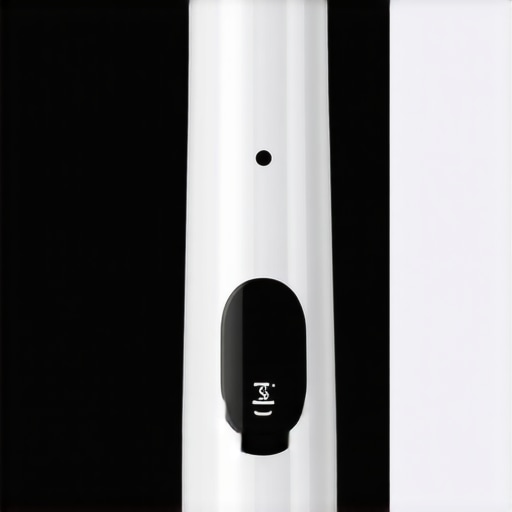
Prompt: Close-up of a modern electric toothbrush with a digital display, wireless charging, and sleek design, on a clean bathroom countertop. Alt: Electric toothbrush for effective oral care. Title: The Power of Modern Dental Tools.
What I Wish I Knew When I Started Caring for My Smile
One of the most surprising lessons I learned was that rushing to brush after eating fruit can do more harm than good. It took trial, error, and a lot of research to realize that patience and proper routines are essential for lasting oral health. Sometimes, the simplest habits—like waiting 20 minutes before brushing—make a significant difference in protecting your enamel.
Another insight was understanding that natural kitchen remedies, such as a baking soda rinse, can effectively neutralize acidity without resorting to harsh chemicals. This was a game-changer, turning everyday items into powerful allies for my dental routine.
Finally, I discovered that investing in quality tools like electric toothbrushes and water flossers greatly enhances cleaning efficiency and comfort. Combining these with expert advice creates a comprehensive approach to maintaining a bright, healthy smile.
Tools and Knowledge That Transformed My Approach
– Dive into books like The Ultimate Guide to Teeth Cleaning Techniques to learn effective practices and debunk myths that might hold you back.
– Use high-quality electric toothbrushes, such as the Philips Sonicare DiamondClean, which I trust for their proven ability to remove plaque gently and efficiently.
– Incorporate digital apps like Brush DJ to stay accountable and track your routines, making good habits stick.
– Regularly visit your dentist, as professional cleanings and personalized advice can catch issues early and guide your at-home efforts more effectively.
Your Journey Starts Now—Embrace the Changes
Remember, your oral health is a lifelong journey. Small, consistent steps—like waiting before brushing, using trusted tools, and seeking professional guidance—set the foundation for a confident, radiant smile. Don’t wait for problems to remind you of their importance; start today and see the difference it can make.
What’s the one change you’re excited to try first in your dental routine? Share your thoughts below!