
I remember the exact moment I looked in the mirror and realized that my tobacco stains weren’t just surface-level anymore. It was a sweltering summer afternoon, and I had just finished a cup of coffee when I caught my reflection. That stubborn, dark hue on my teeth seemed to call out louder than ever, making me self-conscious during social gatherings. No matter how much I brushed or used whitening toothpaste, those deep tobacco stains refused to budge. It was like trying to scrub away indelible ink with water—frustrating and ultimately ineffective.
Understanding Why Deep Tobacco Stains Stay Put
The truth is, superficial whitening methods can only do so much. Tobacco stains are notorious because they tend to penetrate deeply into the enamel and even reach the dentin layer underneath. Regular toothpaste can remove surface stains caused by foods or drinks, but the stubborn, darkening effect of tobacco requires more advanced solutions. Early on, I made the mistake of thinking that my routine brushing was enough. It wasn’t. That led me on a quest to find a real answer, not just temporary cover-ups.
Will Treatments Like Whitening Strips or Toothpaste Work for Deep Tobacco Stains?
Many folks, including myself initially, fall for the hype that over-the-counter whitening strips or specialty toothpastes can handle everything. The reality? They often fall short with heavy tobacco staining. In fact, a 2025 study highlights that these methods only successfully remove minor surface discoloration and are ineffective for deep-set stains. The mistake I made early was believing that a quick fix could replace professional care. Trust me, when it comes to deeply embedded stains, you need targeted treatments tailored to your specific situation.
If you’re tired of seeing a grimy, dull smile staring back at you and are ready for a real change, keep reading. I’ll share what truly worked for me—clinically proven methods that turned my stained smile into one I was proud to show off. But first, let’s address whether these solutions are worth trying and what you should watch out for to avoid common pitfalls.
,
Prep Your Teeth for Targeted Cleaning
Start by brushing with a fluoride-rich toothpaste to remove any loose surface debris. Use a soft-bristled toothbrush to avoid damaging enamel, especially when dealing with stained areas. Take a damp cloth and gently wipe your teeth to loosen superficial stains. I vividly remember the first time I did this; the initial scratchy sensation was uncomfortable, but it created a cleaner surface for more intensive treatments.
Incorporate Professional-Grade Whitening
Schedule a Dental Examination
Before diving into whitening procedures, visit your dentist for a thorough assessment. They will evaluate the depth of your stains and recommend suitable treatments, such as in-office bleaching or custom-fitted whitening trays. When I scheduled my appointment, I learned that professional whitening targets deeper stains more effectively than over-the-counter options, which only address surface discoloration. The procedure involves applying a high-concentration peroxide gel and activating it with a special light, breaking down stubborn pigments.
Use Custom Whitening Trays at Home
Once your dentist provides custom trays, fill them with the prescribed gel, and wear them consistently—usually for a few hours daily. I set an alarm to remind me, and during my first session, I felt a slight tingling. Over a week, I noticed a significant reduction in tobacco stains, especially around the front teeth. This method ensures even application and better contact with all stained surfaces.
Implement Deep Cleaning Strategies
Book Regular Professional Cleanings
Professional cleanings remove tartar buildup and extrinsic stains that brushing alone can’t eliminate. Dentists use ultrasonic scalers and polishing tools to scrub away stubborn deposits. I learned this the hard way during a routine cleaning where the hygienist revealed areas where tobacco’s grip was particularly strong, requiring special attention. Regular cleanings prevent stains from setting in deeper, making future whitening more effective.
Ask About Dental Microabrasion
For severe staining, microabrasion removes a thin layer of enamel, lifting embedded discoloration. This technique is minimally invasive and can produce immediate results. I debated trying it, but after a detailed explanation, I scheduled the procedure. The result was a brighter smile without the need for veneers or extensive work.
Adopt Lifestyle and Maintenance Practices
After treatment, maintain your results by avoiding further tobacco use and limiting stain-causing foods and drinks. Rinsing with an alcohol-free mouthwash can help protect your newly restored brightness. Remember, consistency is key; brushing twice daily and flossing regularly enhances longevity. I made a point to brush right after meals and to use interdental brushes, which you can learn about in this guide.

Visualize the process with an image of a dentist applying whitening gel under a light to demonstrate professional treatment.
Many people assume that all dental procedures and oral health practices are straightforward, but in reality, there’s more beneath the surface. A frequently overlooked misconception is that cosmetic dentistry is purely about appearance; however, many treatments also have functional benefits, such as improving bite alignment or preventing future issues. For instance, some believe that veneers are purely cosmetic and unnecessary, but recent research indicates they can also reinforce weakened teeth, reducing the risk of fractures.
Another nuance many overlook is the importance of comprehensive oral health assessments before undertaking cosmetic procedures. Skipping a thorough examination can lead to overlooked issues like gum disease or decay, which can undermine aesthetic results or cause complications later. Regular dental cleanings, for example, are often dismissed as routine, yet they play a crucial role in preventing deep-seated issues that can compromise cosmetic treatments. Investing in (and maintaining) routine professional cleanings can save you money and discomfort in the long run, as detailed in [this article](https://gentlesmiledentist.com/how-regular-teeth-cleaning-can-prevent-major-dental-issues).
It’s also common to believe that whitening treatments are universally safe and effective for everyone, but the reality is more nuanced. Overuse or incorrect application of whitening products can damage enamel or cause sensitivity. A common myth is that natural remedies like baking soda are equally safe, yet studies show that abrasive home remedies can erode enamel if not used carefully. For advanced stains or sensitive teeth, professional-grade whitening administered by dentists, supported by scientific research like [this study](https://gentlesmiledentist.com/the-science-behind-teeth-whitening-achieve-stunning-results-fast), offers safer and more predictable results.
Diving deeper, many believe that flossing is only necessary because of bad breath or gum disease. But in fact, flossing helps prevent the buildup of plaque that can lead to cavities between teeth—areas that brushing alone can’t reach. Neglecting this step can lead to hidden decay, ultimately affecting both oral health and appearance.
For families, a hidden nuance is the importance of early intervention. Delaying children’s dental visits doesn’t just risk cavities; it can also impact the development of proper bite and alignment, which are vital for functional and aesthetic outcomes. Resources like [family dentistry tips](https://gentlesmiledentist.com/family-dentistry-building-a-foundation-of-healthy-smiles-for-all-ages) highlight the significance of early assessments.
A critical advanced question for informed patients concerns the impact of emerging technologies: “How do new laser-assisted treatments compare to traditional methods in terms of safety, effectiveness, and long-term outcomes?” Recent advancements suggest that laser dentistry can offer minimally invasive and more comfortable procedures, but it’s essential to understand their specific indications and limitations.
In conclusion, understanding the nuanced realities behind cosmetic and general dental practices can empower you to make better decisions. Don’t fall prey to oversimplified myths—equip yourself with knowledge and consult qualified professionals. Have you ever fallen into this trap? Let me know in the comments.
How Do I Maintain My Bright Smile Over Time?
Maintaining a radiant, healthy smile requires more than just occasional visits to the dentist. Investing in the right tools and adopting consistent routines can make all the difference. One device I personally recommend is an **electric toothbrush** with a timer and pressure sensor. Unlike manual brushes, electric models like the Sonicare DiamondClean or Oral-B Genius provide superior plaque removal, especially in hard-to-reach areas. The built-in timers ensure you brush for the optimal two minutes, promoting thorough cleaning, while pressure sensors prevent you from brushing too hard, protecting sensitive gums and enamel. Why is this important? Gentle yet effective brushing preserves your enamel and prevents gum recession, which is crucial for long-term oral health.
Complementing your toothbrush with a high-quality interdental cleaner, such as WaterPik or AirFloss, helps reach areas between teeth that traditional brushing misses. These devices use pulsating water streams to dislodge plaque and food particles, reducing decay risk and aiding in stain prevention. I personally find that integrating interdental cleaning into my routine keeps my gums healthy and prevents the buildup of stubborn stains.
Future Trends in Dental Maintenance Tools
Looking ahead, advancements like AI-powered toothbrushes that analyze brushing patterns and provide real-time feedback are becoming more accessible. These smart tools will enable personalized oral care, making maintenance easier and more effective. According to recent studies on oral health tech innovations, integrating technology into daily routines will significantly improve long-term results, especially for busy families and professionals.
Trying Out New Techniques
If you’re curious, I highly suggest experimenting with ultrasonic toothbrushes that offer sonic vibration frequencies beyond manual capabilities. Scientific research indicates that sonic technology enhances plaque removal by disrupting bacterial films more efficiently. To maximize your investment, pair your device with a fluoride-rich toothpaste and schedule biannual professional cleanings, as detailed in this article.
Remember, consistency is key. Regular maintenance with reliable tools not only preserves your current smile but also enhances the longevity of cosmetic treatments like whitening or veneers. Make it a habit to inspect your tools periodically, replace brushes every three months, and stay updated on emerging innovations for optimal results.
What Are Simple Steps for Long-Term Success?
Start with setting a daily routine that includes brushing twice with an electric toothbrush, flossing or using interdental cleaners, and rinsing with an alcohol-free mouthwash. Combine these habits with periodic professional checkups, and you’re on the right path to maintaining your smile’s brilliance for years to come. For more detailed guidance on establishing long-term oral health habits, visit this resource.
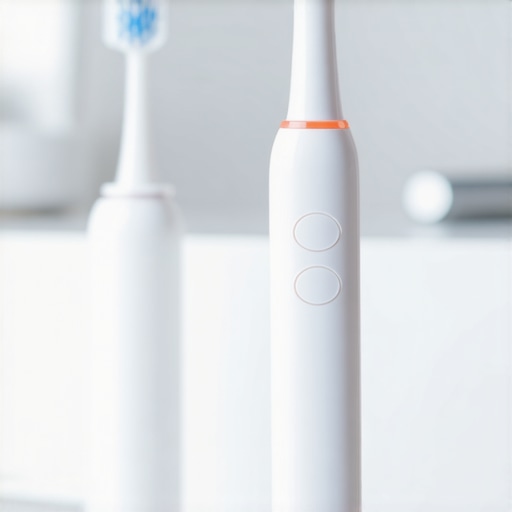
Visualize your at-home maintenance setup with an image of a modern electric toothbrush, interdental cleaner, and fluoride toothpaste to inspire daily care routines.
Embarking on the journey to restore your smile isn’t just about choosing the right treatment—it’s about understanding the nuances that make the difference. One of the most profound lessons I learned was the importance of a personalized approach; what works for one person might not work for another, especially when battling deep tobacco stains. Investing in comprehensive care, including professional cleaning combined with customized whitening, transformed my experience from frustration to success. Remember, a tailored plan crafted by your trusted dentist can unlock results you never thought possible, turning a dull smile into your greatest asset.
Insider Lessons That Changed My Perspective
- Deep stains require more than surface solutions. Over-the-counter products only address superficial discoloration, leaving stubborn tobacco stains untouched. A professional assessment uncovered that targeted treatments like microabrasion or laser whitening are essential for meaningful change.
- Consistency outperforms quick fixes. Regular follow-ups and maintenance routines, including at-home care with custom trays, proved crucial in preserving my results. Skipping these steps often led to faster receding of whitening effects.
- Every smile is unique—trust the expertise. A personalized plan, considering your specific staining depth and oral health, was a game-changer. Relying solely on generic advice can delay true progress, emphasizing the need for expert guidance.
- Preventive habits are the backbone of long-term brightness. Avoiding tobacco and stain-causing foods, combined with diligent oral hygiene, locked in my results and prevented further discoloration. Sustainable habits are the real secret to lasting confidence.
My Go-To Resources for Optimal Oral Care
- The Ultimate Guide to Teeth Cleaning — This resource offers comprehensive techniques that help maintain a clean, stain-free smile daily, empowering me to keep my teeth in top condition.
- Preventive Care Insights — Regular professional cleanings played a pivotal role in my journey, and this article underscores their importance for deep stain prevention and overall oral health.
- The Science Behind Whitening — Understanding the science gave me confidence that the procedures I underwent were backed by research, ensuring safety and efficacy.
- Family Dentistry Tips — For ongoing maintenance and establishing habits suited for all ages, this helped me include my family in my oral health journey, making it a shared commitment.
Your Bright Future Starts Today
Taking control of your smile’s brightness isn’t just about cosmetic results—it’s a testament to self-care and confidence. By embracing personalized treatments, maintaining consistent habits, and leveraging expert resources, you can enjoy a radiant, stain-free smile that lasts. Don’t wait for stains to take over; start today and transform your oral health with approaches backed by science and tailored to your needs. Remember, your smile is the most powerful thing you wear—shine with pride!
Have you ever struggled with maintaining your smile after whitening treatments? Share your experiences below and let’s inspire each other toward healthier, brighter smiles!