
It happened silently, a sudden crunch during breakfast, and suddenly my smile was less perfect. You know that sinking feeling when you look in the mirror and notice a tiny chip on your front tooth? It’s one of those moments where you wonder, “Is this something I can fix myself?” or if I should rush to the dentist. I’ve been there, and honestly, I used to stress about it because I thought a chipped tooth meant a costly, complicated procedure. But here’s the good news: I discovered that composite bonding—a simple, affordable cosmetic fix—can often restore that chip and boost your confidence. Today, I want to share my personal experience and guide you through how this small repair can make a big difference in your smile.
The Lightbulb Moment: When I Realized There’s a Quick Fix for Chipped Teeth
Just last year, my kid accidentally bumped into me during a game, and I saw the small fracture in my front tooth. My initial instinct was panic, imagining expensive crowns or veneers. But after a quick consultation, I learned about composite bonding—a technique that involves applying a tooth-colored resin to repair chips, cracks, or discolorations. I was surprised how straightforward and minimally invasive the process was. Plus, the cost was much more manageable than I’d expected. That day, I realized that waiting or delaying could only make the problem worse—or more noticeable. So, I decided to give it a shot, and honestly, I don’t regret it.
Is Composite Bonding Actually Worth the Hype?
Before I committed, I asked myself whether this solution was durable enough. Early on, I made the mistake of not letting my dentist know about my habits—like clenching my jaw—which could affect the longevity of the repair. That’s one tip I wish I’d known earlier. Many people worry that composite bonding isn’t strong enough, but with proper care, it can last several years. According to recent studies, advances in resin materials have dramatically improved their strength and aesthetic results, making them a popular choice for quick cosmetic fixes. So, if you’re tired of hiding your smile because of a small chip, this might be an excellent first step.
Interested in discovering more about how to keep your teeth and smile healthy? Check out [the ultimate guide to teeth cleaning techniques and benefits](https://gentlesmiledentist.com/the-ultimate-guide-to-teeth-cleaning-techniques-and-benefits) or learn preventive tips for long-lasting dental health [here](https://gentlesmiledentist.com/preventive-tips-for-long-lasting-dental-health-for-families). Let’s move forward and explore what makes composite bonding an appealing option for many—maybe even for you.
Prepare for the Repair
Start by gathering your materials: a small mirror, clean gloves, dental resin (available at pharmacies or online), a tooth-cleaning brush, and over-the-counter dental bonding kits if available. Clean your hands thoroughly and rinse your mouth with warm water to remove any debris around the chip. This preparation is like prepping a surface before painting—clean, dry, and ready.
Assess and Clean the Damage
Use the mirror to examine the chip closely. Gently brush the chipped area with a soft toothbrush to remove plaque and any loose fragments. If there’s bleeding, apply gentle pressure with a clean gauze or cloth. Ensuring the area is dry and free of debris helps the resin bond properly, much like priming a wall before painting.
Apply the Bonding Material
If you’re using a DIY bonding kit, follow the instructions carefully. Usually, you’ll apply a small amount of the composite resin to the chipped area using a clean applicator. Use it sparingly—think of it as a tiny patch of spackle for your tooth. Shape the resin to mimic the natural contour of your tooth, smoothing it out as much as possible with the applicator or a toothpick.
Cure the Resin Properly
Most kits include a small curing light or recommend curing by sunlight. Position the light close to the resin or expose it to sunlight as directed, usually for about 30 seconds. This step hardens the resin, locking it into place. It’s akin to setting concrete—ensure it’s fully cured to prevent chipping or detachment.
Shape and Finalize the Repair
Once cured, examine the shape. Use a fine dental file or an emery board to gently refine the contours, making it feel natural and comfortable. Be careful not to remove too much material; aim for a seamless blend with your natural tooth, like sanding down a rough edge.
Maintain and Protect Your Repair
Immediately after, avoid biting on hard foods or chewing excessively on that side. For long-term protection, consider using a mouthguard during sports or at night if you grind your teeth. Regularly check your repair and schedule a dental visit within a few days for professional evaluation. Proper maintenance ensures the longevity of your DIY fix, much like caring for a new paint job.
Remember, while these steps can temporarily restore minor chips, consulting a dentist for a thorough evaluation is essential, especially if the damage is significant or causes discomfort. For ongoing oral health, regular professional cleanings and preventive care are vital—discover more about professional cleaning techniques to keep your smile bright.
Many people enter the world of dental care with preconceived notions that can ultimately hinder their oral health journey. While general advice is helpful, some widespread beliefs are actually misconceptions that can lead to costly mistakes or overlooked issues. Let’s dig deeper into what most get wrong about family dentistry, oral health, cosmetic procedures, and teeth cleaning, so you can make informed decisions and avoid common pitfalls.
Myth of Universal Solutions
One of the biggest misconceptions is thinking that a single approach suits everyone. For instance, brushing twice daily is universally recommended, but the type of toothbrush and technique matter significantly. Harsh scrubbing, for example, can wear down enamel and cause gum recession, especially in sensitive areas. The key lies in personalized care—adapting strategies based on individual needs rather than following generic rules. For expert guidance on tailoring your oral hygiene, explore professional teeth cleaning techniques that suit your unique situation.
Avoiding the `Oops` of Neglecting Early Signs
Many underestimate the importance of addressing minor issues promptly. Small signs like slight gum bleeding or mild sensitivity are often dismissed as minor inconveniences. However, these can be early indicators of more serious problems such as periodontal disease or enamel erosion. Delaying treatment can lead to more complex and expensive interventions later. Recognize the warning signs early and consult your dentist; for preventative tips, check out preventive oral health tips for families.
What Advanced Care Looks Like
For the discerning, understanding the nuances of cosmetic dentistry and family care is essential. For example, veneers and contouring are often misunderstood. Some believe these procedures are purely superficial, but innovations in cosmetic dentistry, such as contouring veneers, not only enhance appearance but also protect tooth structure and improve functionality. Recognizing these subtle advantages can help you make smarter choices for long-term oral health.
Beware of the Artificial Image of Perfection
It’s tempting to think that professional teeth whitening or veneers are the ultimate fix for aesthetic concerns. However, overdone whitening or poorly executed veneers can look unnatural and even damage enamel. Moreover, cosmetic enhancements are most effective when integrated with solid foundational oral habits. For maintaining a beautiful and healthy smile, consistent cleaning and regular dental visits are irreplaceable—discover expert-approved routines in the science behind whitening.
Have you ever fallen into this trap? Let me know in the comments. Remember, understanding the nuanced aspects of dental health empowers you to avoid pitfalls and achieve your best smile.Maintaining optimal oral health over time requires more than just regular brushing and flossing; it involves investing in the right tools and adopting effective methods. I personally swear by selecting high-quality toothbrushes with gentle, rounded bristles, such as the **Oral-B iO Series**, which I find gentle on sensitive gums yet effective at removing plaque. Additionally, electric flossers—like the **Waterpik Aquarius**—have revolutionized my daily routine, ensuring thorough cleaning between teeth, especially in hard-to-reach areas. These devices are backed by studies highlighting their superior plaque removal compared to manual methods, as discussed in our comprehensive cleaning guide.For long-term results, I incorporate ultrasonic toothbrushes like the **Philips Sonicare DiamondClean**, which use high-frequency vibrations to disrupt plaque and reduce staining without damaging enamel. Predicting future trends, advancements such as AI-powered oral health apps and smart toothbrushes will likely become standard, offering real-time feedback and personalized care plans.
How do I maintain my dental tools over time?
To keep your tools functioning effectively, regular replacement of toothbrush heads every three months is key. Proper cleaning of electric devices with isopropyl alcohol ensures disinfection and longevity. Store tools in dry, ventilated spaces to prevent microbial growth. Periodic professional cleanings and calibrations can also extend their lifespan and performance, much like routine maintenance on a vehicle. For those aiming to go further, investing in a **CAD/CAM** system for at-home impressions, as adopted in advanced practices, provides precise modeling for cosmetic or restorative procedures, streamlining treatment planning and execution. Remember, your tools are an extension of your commitment to oral health—treat them with care.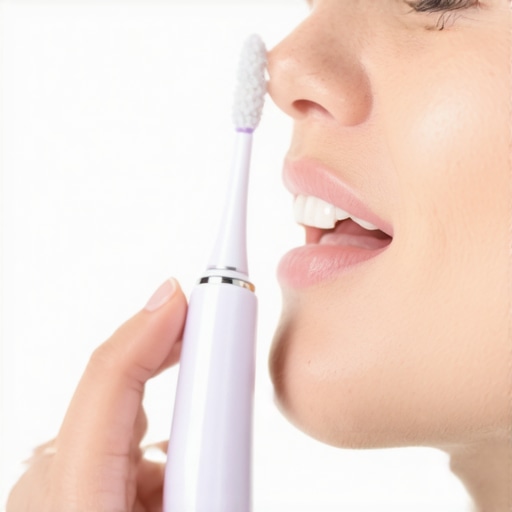
Think about upgrading your brushing routine with an ultrasonic toothbrush; try the Philips Sonicare DiamondClean for a noticeable difference in plaque removal. For expert advice on these tools and techniques, explore our guide on teeth cleaning techniques and take an active step towards a brighter, healthier smile.
What I Learned From My Smallest Dental Mishap
Faced with a tiny chip that changed my smile, I discovered that sometimes the most straightforward solutions, like composite bonding, can save the day and prevent costly procedures. This experience taught me to consult early and skip the hesitation, saving both time and money.
Why a Quick Fix Might Be Better Than You Think
Initially, I thought a chipped tooth was just cosmetic, but I realized that addressing it promptly with simple techniques like composite bonding not only restores appearance but also protects your tooth from further damage. It’s amazing how resilience and early action can make a lasting difference.
Deep Lessons Hidden in Everyday Dental Care
- Personalized approaches matter: Not every solution fits all—know your needs and consult professionals who tailor advice specifically for you.
- Prevention outweighs repair: Investing in regular checkups and proactive care saves headaches and expenses in the long run.
- Small issues can grow: Tiny chips or sensitivity are signals—ignore them at your peril.
My Toolkit for Maintaining That Bright Smile
Trusted tools like the best teeth cleaning guides and high-quality toothbrushes such as the Oral-B iO Series help me maintain optimal oral health. Combining these with professional advice keeps my smile resilient and sparkling.
Embrace Your Journey Toward Confidence
Taking control of your dental health with informed choices and effective techniques can empower you to enjoy a lifetime of confidence. Remember, every small step toward better oral care builds the foundation for a radiant smile that lasts a lifetime.
Have you ever hesitated to fix a dental imperfection early on? Share your story below—I’d love to hear how a small change made a big difference in your life!
/* Internal link for further reading: https://gentlesmiledentist.com/the-ultimate-guide-to-teeth-cleaning-techniques-and-benefits */