
One morning, I reached for my usual floss, only to find a tangled mess that I couldn’t quite manage. My fingers refused to cooperate, and frustration washed over me. That’s when I had my lightbulb moment—how am I supposed to keep my teeth healthy when arthritis makes the simplest tasks so challenging? It’s a dilemma many of us face, and frankly, it can feel downright discouraging.
Why Keeping Up with Flossing Matters, Even With Arthritis
If you’ve got arthritis, chances are that brushing still feels manageable, but flossing or cleaning between teeth becomes a real struggle. Yet, neglecting this vital step can lead to plaque buildup, cavities, and gum disease, which only worsen your overall health. I learned early on that skipping this step wasn’t an option if I wanted to maintain my smile and oral hygiene.
Fortunately, over time, I discovered techniques and tools designed specifically for folks like us—those with joint pain or limited dexterity. These tools don’t just make cleaning easier—they actually help prevent costly dental issues down the line. Did you know that regular, effective cleaning between teeth can reduce the risk of gum disease by up to 25%, according to recent studies? That’s a huge motivator to find ways around the physical hurdles.
Is Effortless Oral Hygiene Worth the Hype?
When I first started exploring alternatives, I made a costly mistake—using regular floss wrapped around my fingers, which only caused more pain and frustration. It took me a while to realize that specialized tools aren’t just a convenience—they are essential. If I had known sooner, I might have avoided some of those uncomfortable experiences early on.
Choose the Right Tools for Ease and Efficiency
Start by investing in an ergonomic dental floss holder or a flossing tool designed for limited dexterity. I remember struggling with traditional floss, which felt like trying to thread a needle during a storm. Switching to a flosser with a comfortable handle transformed my routine—no more awkward twisting or pain. Look for devices with cushioned grips or extended handles, making reaching difficult areas simpler. Family-friendly flossers can be a game-changer, especially when sharing routines with children or elderly family members.
Develop a Systematic Cleaning Technique
Focus on Consistency and Method
Create a consistent routine, cleaning between every tooth using gentle, controlled motions. Position your flosser on the gum-line, then curve it around each tooth in a ‘C’ shape, gently sliding beneath the gum. For me, breaking down the process into small steps made it manageable. I dedicated five minutes after brushing, focusing solely on interdental cleaning. Regularity beats the intensity here; fewer strokes multiple times a day prevent plaque buildup effectively. This approach not only minimizes discomfort but also reinforces good habits.
Utilize Water Flossers for Superior Comfort
Water flossers, or oral irrigators, are excellent alternatives for those with arthritis. During my initial trial, I used a water flosser with adjustable pressure settings, which allowed me to clean without force—reducing jaw fatigue. Aim the jet along the gum line in slow, deliberate motions for maximum benefit. They are particularly useful for cleaning around braces or dental restorations, providing a thorough clean without the manual effort of traditional flossing. Integrate this into your routine for a consistent, pain-free experience.
Incorporate Dental-Friendly Habits
Complement your flossing with habits that support oral health. For instance, using an electric toothbrush with a timer ensures effective cleaning without extra effort or over-brushing. Additionally, rinsing daily with an alcohol-free mouthwash can reduce bacteria and freshen breath—doing so with limited hand mobility is simplified with a pump dispenser or a large-cap bottle. Remember, avoiding sugary snacks and maintaining a balanced diet also play pivotal roles in your dental health.
Schedule Regular Professional Cleanings
Despite diligent at-home care, professional cleanings are essential, especially with arthritis. Scheduling visits every six months helps prevent tartar buildup that’s tough to remove alone. During my visits, the hygienist used gentle ultrasonic scalers, which are less invasive and more comfortable for sensitive joints. Regular check-ups catch issues early, saving you from more intensive procedures later. Learn more about the cost-saving benefits of consistent dental care.
Modify Your Environment for Ease
Keep your dental tools within reach—using a small caddy on your bathroom counter avoids unnecessary stretching. Also, install larger, easy-to-grip handles on toothbrushes and flossers. During my messy mornings, these small changes made a significant difference, preventing frustration and encouraging adherence. Making your space ergonomic reduces physical strain, supporting consistency in your oral hygiene efforts.
Many people assume that brushing vigorously is the best way to clean their teeth, but in reality, aggressive brushing can damage enamel and gums over time. This common misconception often leads to increased sensitivity and recession. It’s a nuanced aspect that many overlook, emphasizing the importance of gentle, methodical brushing and proper technique, as detailed in comprehensive teeth cleaning guides.
Investing in Precision Tools for Lasting Oral Health
Maintaining perfect oral hygiene over the years requires more than just good habits; it demands reliable, high-quality tools. Personally, I swear by the Waterpik Ultra Water Flosser. Its adjustable pressure settings and targeted jet stream make cleaning around braces, implants, and restorations a breeze, especially for those with limited dexterity. Unlike traditional floss, which can cause discomfort or even gum bleeding if misused, this device ensures a thorough clean without unnecessary trauma. Learn about common water flosser mistakes here and how to avoid them.
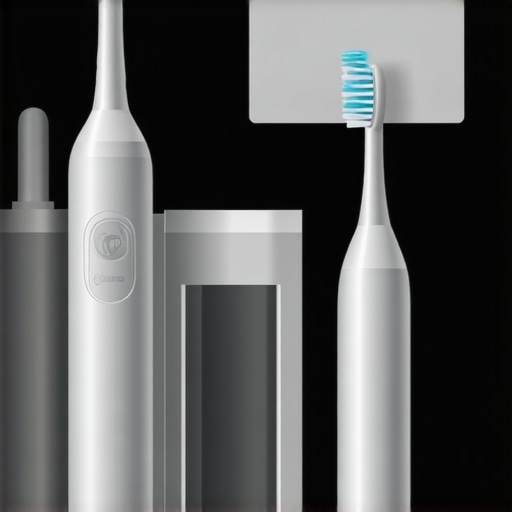
Another essential is a high-quality sonic toothbrush. I prefer the Oral-B Genius X because it has AI-powered brushing guidance, helping me ensure every quadrant gets adequate attention. Its oscillating-rotating technology removes plaque more effectively than manual brushes, which is crucial for maintaining long-term gum health and preventing decay. Regular use of a sonic toothbrush paired with a water flosser creates a synergy that keeps my smile shining and minimizes the need for invasive procedures down the line.
Calibration and Technique: Key to Longevity
Using the right tools is only part of the equation. How you employ them matters profoundly. For example, I keep a digital plaque disclosing tablet nearby to check my cleaning efficacy weekly. It highlights plaque buildup areas I might have missed, allowing me to adjust my technique promptly. Ensuring consistent, gentle motions while flossing or brushing prevents gum recession and enamel wear. Modern ultrasonic tools like the Sonicare ProtectiveClean 6100 come with pressure sensors that alert you if you’re brushing too hard—a feature I highly recommend to protect delicate gum tissue.
Future Trends and Predictions in Oral Care Tools
The future of dental maintenance tilts toward personalized, smart devices integrated with AI analytics. Imagine toothbrushes that analyze your saliva for early disease markers or flossers that optimize pressure based on your unique gum sensitivity. This technology aims to make long-term care intuitive and effective, reducing reliance on frequent dental visits. Companies are already experimenting with app-connected devices that provide real-time feedback, pushing the industry toward a truly proactive approach to dental health.
How do I maintain my tools over time?
Proper maintenance of your oral care devices ensures they perform optimally and last longer. Rinse toothbrush heads thoroughly after each use, replace them every three months, and keep water flossers clean by periodically running vinegar solutions through the system. Storing equipment in a dry, well-ventilated area prevents mold buildup and bacterial growth. Following the manufacturer’s instructions for cleaning and replacing parts will preserve device integrity and hygiene, guaranteeing your investment in these tools pays dividends in your oral health journey.
For an in-depth look at maintaining a consistent routine, https://gentlesmiledentist.com/maintaining-oral-health-expert-advice-for-a-lifetime-of-healthy-teeth is an excellent resource. Remember, the effectiveness of your tools hinges on regular upkeep and proper use—so set reminders, stick to a schedule, and keep your equipment in top shape for a brighter, healthier smile.
Throughout my journey, I’ve discovered that the real game-changer isn’t just about tools but embracing a mindset that prioritizes gentle, consistent care. One profound lesson was recognizing that patience and adaptability trump brute force. By experimenting with different techniques and tools, I found personal routines that respect my body’s limits while maintaining a radiant smile.
Lessons That Changed My Approach to Dental Care
- Consistency Over Intensity: I learned that gentle, daily habits outweigh sporadic aggressive cleaning. Small but regular efforts keep plaque at bay and gums healthy.
- Personalized Tool Selection: Investing in ergonomic, user-friendly devices transformed my routine, making caring for my teeth an act of self-love rather than a chore.
- Listening to My Body: Recognizing signs of fatigue or discomfort allowed me to adjust techniques, preventing injury and ensuring ongoing motivation.
The Perfect Tools That Make a Difference
- Ergonomic Flossers: Devices with cushioned grips and extended handles tailor to limited dexterity, reducing frustration.
- Water Flossers: Adjustable pressure settings offer thorough cleaning with minimal effort, ideal for sensitive gums and arthritis.
- Sonic Toothbrushes: Technologies that adapt to your brushing pressure protect delicate tissues while enhancing plaque removal.
- Digitally Guided Devices: Emerging AI-powered tools personalize your routine, catching missed spots and optimizing technique.
Embrace the Change and Shine Bright
Remember, maintaining a healthy smile despite arthritis isn’t just possible—it’s a rewarding journey of discovering what works best for you. By leveraging the right tools and a mindful approach, you can preserve your oral health for years to come. Start small, stay consistent, and let your smile be your enduring confidence. To deepen your knowledge, explore our expert tips and join a community committed to lifelong dental wellness.