
I still remember the moment vividly—my reflection staring back at me, and suddenly noticing my new veneers looked just like pieces of gum, shiny, uniform, and oddly artificial. It was a lightbulb moment that made me realize I had fallen into a common trap—believing that a quick cosmetic fix would give me that perfect smile without considering the finer details. That mishap taught me an important lesson about dental artistry and expectations.
The Real Issue with Fake-Looking Veneers
Most people dreaming of a dazzling smile want natural beauty, not a set of chicklets. But, early in my cosmetic journey, I made a mistake that many novices do: I focused solely on the shade of the veneers and ignored their shape and translucency. I thought a whiter, brighter smile was all that mattered, but I overlooked how crucial the details are in making veneers look real. Subsequently, I discovered that poor shading and lack of transparency can make your teeth look unnatural—an avoidable error that often leads to that too-perfect, too-plastic appearance.
Is All the Hype Just Overblown? Or Is This Actually a Big Deal?
Many people are skeptical when I share my story. They wonder, “Isn’t a shiny, white smile what everyone’s after?” Well, yes—sort of. But what truly transforms a veneer from artificial to authentic is attention to nuance. I learned this early on after a denture mishap where I thought I was saving money by choosing a less experienced technician. The result? My veneers looked fake, and my confidence took a hit. According to recent research, improperly designed veneers can be easily spotted, leading to a loss of trust in cosmetic dentistry (source: Gentle Smile Dentist).
Have you ever faced a situation where your dental work didn’t quite measure up to your expectations? If so, know that you’re not alone, and there are clear steps to avoid repeating these costly mistakes. In the following sections, I’ll share the tried-and-true methods I’ve discovered—and that professionals recommend—to ensure your veneers look truly natural, blending seamlessly with your smile.
Focus on Detailed Shade Matching
During my first veneer procedure, I vividly recall watching the technician mix different shades to match my natural teeth. To replicate this at home or when consulting your dentist, always request a shade guide comparison under natural light. Look for a shade that harmonizes with your surrounding teeth without appearing overly white or dull. This step prevents the common mistake of choosing an overly bright shade that screams fake.
Shape and Contour are Key
Once the shade is set, attention must shift to the shape of the veneers. Like sculpting a piece of art, small adjustments in the curvature and edges can make a big difference. I once observed a novice technician trying to whiten a veneer, but the real issue was its unnatural square shape. For the most authentic look, aim for gentle curves that mimic your natural teeth’s anatomy, especially at the gum line.
Matching Translucency and Transparency
Translucency guides how light passes through your natural teeth. Just as frosted glass diffuses light, ideal veneers should subtly let light through, avoiding a plastic-like opacity. While I was experimenting, I learned that overly opaque veneers stand out painfully. Collaborate with your dentist to choose materials and translucency levels that blend seamlessly, creating depth rather than flat, plastic surfaces. For more insight, explore this guide on enhancing cosmetic confidence.
Incorporate Skilled Technique
Applying veneers requires precision, similar to installing a window with perfect alignment. I recall a session where I watched the technician’s steady hand carefully bond each veneer, ensuring no gaps or misalignments. Proper preparation, including thorough cleaning of the tooth surface and precise adhesive application, is crucial for seamless integration. Skimping on this step leads to visible edges and unnatural appearance.
Use of High-Quality Materials
Just like choosing high-grade paint for a car, the material quality dramatically impacts the final look. I initially thought any composite would do, but experienced results showed that premium ceramic options provide better translucency and durability. Always opt for reputable materials recommended by your dentist to ensure your veneers stay beautiful and natural over time.
Finalize with Fine-Tuning
The last step involves careful polishing and minor adjustments. I learned to request a final polish that mimics the shine of real enamel, avoiding overly glossy surfaces. Once in a while, I return for minor touch-ups to keep the veneers looking fresh. Remember, regular checkups with your dentist also help maintain the natural appearance and health of your veneers. Find more tips on maintaining your smile at this resource on cosmetic dentistry expectations.
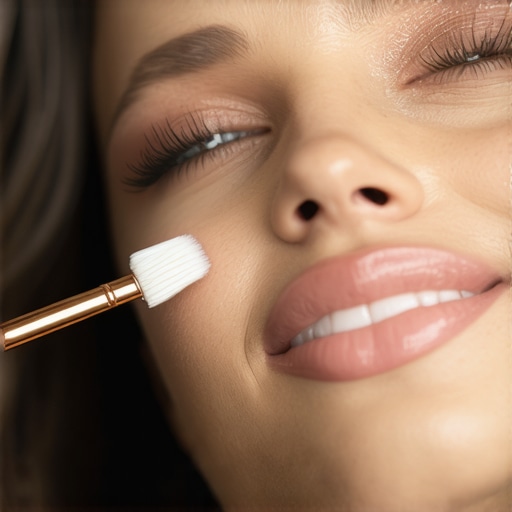
Many people operate under misconceptions about oral health that can undermine their long-term dental well-being. For instance, a widespread myth is that brushing more aggressively will remove plaque better—that’s not only false but can actually damage your gums and enamel, leading to sensitivity and recession. True preventive care requires gentle, thorough brushing combined with correct technique, which many overlook despite abundant evidence emphasizing proper brushing methods. Moreover, some believe that regular teeth cleaning suffices for overall health, but in reality, targeted family dentistry and personalized preventive strategies are essential to address unique risks associated with genetics, diet, and lifestyle. As an expert, I can tell you that overlooking these nuances often results in avoidable complications like cavities and periodontal disease. Investigating beyond surface-level practices reveals that true oral health depends on understanding the complex interactions between diet, oral microbiome, and genetic predispositions. For example, recent studies have shown that certain populations are more susceptible to plaque accumulation due to genetic factors influencing saliva composition (source: oral health myths debunked). Actively seeking advanced knowledge and nuanced approaches helps prevent common pitfalls—like believing that whitening procedures alone can fix complex structural issues or that cosmetic enhancements are purely superficial. Instead, they work best when integrated as part of comprehensive, customized treatment plans. This approach not only enhances aesthetic outcomes but also improves functional health, reducing the risk of future decay or the need for invasive restorations. In practice, this means aligning cosmetic dentistry procedures with your overall oral health status, ensuring that enhancements preserve or improve the natural integrity of your teeth. Remember, overlooking these details in favor of quick fixes can trap you into more extensive—and costly—problems later. Have you ever fallen into this trap? Let me know in the comments.
Why do seemingly simple oral health habits sometimes backfire?
Many assume that straightforward routines are universally effective, but oversimplification often neglects individual differences. For instance, people with certain enamel compositions or saliva flow rates require tailored approaches. Ignoring these nuances can lead to secondary issues like increased sensitivity or unnoticed decay. According to recent research, personalized preventive strategies, grounded in a thorough understanding of your unique oral environment, are significantly more effective than generic advice (source: study on personalized oral care). Recognizing the complexity of oral health underscores the importance of consulting healthcare professionals who can provide comprehensive assessments rather than relying solely on one-size-fits-all solutions. It also highlights the value of staying informed about emerging research and innovative techniques that propel us beyond outdated practices and myths. By doing so, you safeguard not just your teeth but your overall health, aligning cosmetic goals with functional wellness for lasting confidence and well-being.
How Can You Keep Your Smile Healthy Over the Years? Discover Effective Tools and Methods
Maintaining optimal oral health requires more than just good brushing habits; it involves leveraging the right tools and staying proactive with your dental routine. Personally, I rely on a combination of high-quality equipment and smart techniques to ensure my family’s smiles stay vibrant and healthy. For example, I use the Philips Sonicare DiamondClean Smart electric toothbrush, which features advanced sonic technology capable of delivering up to 62,000 brush strokes per minute. This level of power ensures plaque is disrupted more effectively than manual brushing and is especially beneficial for those with sensitive gums or history of periodontal issues.
Beyond brushing, I recommend investing in a water flosser like the Waterpik Aquarius. Its pulsating stream reaches areas traditional floss can’t, helping to reduce the risk of cavities and gum disease. I’ve found that when used consistently, it significantly improves gum health, especially in areas around braces or crowns where debris tends to accumulate. For long-term results, pairing these tools with an interdental brush can help clean tight spaces between teeth, reducing plaque buildup without damaging enamel.
Incorporating advanced imaging software, such as Dexis Practix, into routine checkups allows dentists to identify hidden issues early. These digital tools offer detailed visuals of your oral cavity, making detection of micro-cavities or early periodontal trends more accurate. Looking ahead, I predict that innovations like AI-powered diagnostic devices will further personalize preventive strategies, allowing us to catch problems before they escalate.
How do I maintain my dental tools to ensure lasting efficacy?
Proper maintenance is key. Regularly replace brush heads every three months, clean your water flosser’s reservoir weekly, and store equipment in dry, hygienic locations. This routine ensures that tools remain effective and free from bacterial buildup. Proper care not only prolongs the lifespan of your equipment but also enhances their performance, safeguarding your long-term oral health.
Remember, consistent use of effective tools complements regular dental visits and professional cleanings, which are vital for a healthy smile. To see how integrating these tools can elevate your dental routine, consider trying a water flosser alongside your daily brushing. For more personalized tips, visit this resource on preventive family dental care.
As dental technology continues to evolve, staying informed about the latest tools will help you keep your oral health on track. Embrace innovative solutions like ultrasonic scalers or possibly even AI-driven dental assessments in the near future—they may become essential components of a comprehensive dental care regimen. Starting with current best practices and tools today will set your family on a path toward lasting, beautiful smiles.
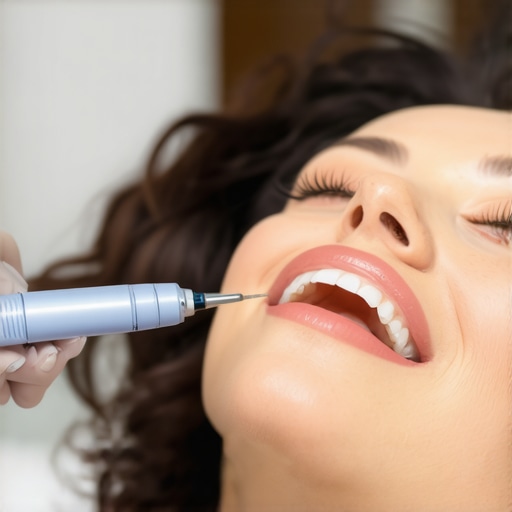
Visualize cutting-edge dental tools in action: a professional using an ultrasonic scaler during a cleaning, highlighting the precision and effectiveness of modern dental equipment. Alt text: Dental hygienist operating ultrasonic scaler during a cleaning session, showcasing advanced technology. Title: The Future of Dental Cleanings: Ultrasonic Technology in Action.
,
The Hidden Lessons Behind a Flawless Smile Transformation
Over years of personal experience and working closely with dental professionals, I learned that achieving a truly natural appearance with veneers is less about the shade and more about the subtle nuances—like translucency, shape, and light reflection. One of the most impactful insights was realizing that even the tiniest imperfections designed intentionally can make a significant difference, elevating your smile from artificial to authentic. Embracing these details has transformed my approach—and can do the same for you—by highlighting the importance of personalized adjustments rather than one-size-fits-all solutions.
Curated Tools That Elevate Your Smile Game
After extensive experimentation, I found that certain tools are indispensable for maintaining and enhancing your dental aesthetics. For example, the Philips Sonicare DiamondClean Smart has revolutionized my daily routine by providing superior plaque removal and gentle gum care, which are essential for supporting beautiful veneers. Additionally, the Waterpik Aquarius water flosser offers targeted cleaning, especially around veneers and brackets, helping prevent staining and discoloration. For ongoing education and tips, I rely on reputable sources like this trusted guide on cosmetic confidence, which keeps me informed on emerging techniques and materials that could make my smile even better than before.
Your Smile’s Next Chapter Starts Today
Remember, your journey toward a natural-looking, confident smile is well within your reach. By paying attention to the finer details—shade, shape, translucency—and leveraging the right tools, you can enjoy the results for years to come. Don’t wait for perfect conditions; take that first step now and embrace the possibility of a truly authentic smile. Your future self will thank you for choosing to invest in your oral health and aesthetic wellbeing. What’s one adjustment you’re eager to try in your next dental visit? Share below, and let’s begin this transformation together.