
I remember the moment clearly—biting into my morning toast, expecting that satisfying crunch, only to be met with a strange, metallic taste and a sudden sensitivity in my teeth. It was a lightbulb moment for me. That irritating heartburn I’d thought was just a minor annoyance was actually doing more damage than I realized, slowly eroding my tooth enamel. If you’ve ever experienced a burning sensation in your chest after meals, chances are you’ve also noticed some unusual changes in your teeth. This connection might sound surprising, but it’s genuinely something that affected my own oral health—and it could be affecting yours too.
Why Heartburn and Dental Health Are More Connected Than You Think
Frequent heartburn, medically known as gastroesophageal reflux disease (GERD), isn’t just about that uncomfortable burn. The acidic stomach contents that escape into your mouth can wear down your dental enamel over time. Enamel is your teeth’s outermost protective layer—once damaged, it doesn’t regenerate, leaving your teeth vulnerable to sensitivity, discoloration, and even decay. What’s eye-opening is that studies have shown people with GERD are at a higher risk for enamel erosion—yet many brush off the symptoms as just an occasional upset stomach.
Early on, I made the mistake of believing that brushing immediately after experiencing heartburn would help. Wrong move. Brushing right after acid attacks the enamel even more; the acid softens the surface, and brushing can scrub it away. Learning this from my dentist was a game-changer. Now, I focus on neutralizing the acids first—by rinsing with water or a baking soda solution—and wait before cleaning my teeth.
Are you struggling with similar issues? Do you find that your teeth feel sensitive or look discolored even though you’re diligent about brushing? You’re not alone. Recognizing the signs and understanding the root cause is the first step toward protecting your smile.
Skeptical About the Link? Here’s Why It Matters
When I first heard this connection, I too was skeptical. I thought, “Heartburn? That’s just indigestion.” It wasn’t until I actively researched and consulted professionals that I realized how overlooked this problem is. Many early mistakes, like ignoring frequent heartburn or rushing to brush immediately, can accelerate damage. According to the American Academy of Oral and Maxillofacial Radiology, acid erosion from GERD significantly contributes to enamel loss, which can compromise overall dental health if left unchecked. Understanding this link motivated me to change my habits and take preventive action.
Now that I’ve shared my story, let’s dive into actionable steps you can take today to protect your teeth from what might seem like an unrelated discomfort but is actually a hidden threat. From lifestyle tweaks to professional treatments, there’s plenty you can do to safeguard your smile before the damage becomes irreversible. Want to learn how? Stay tuned for the next section.
Neutralize Acid Before Brushing
After experiencing heartburn, wait at least 30 minutes before brushing your teeth. During that interval, rinse your mouth with plain water or a baking soda solution to help neutralize the acidity. I once forgot to do this and noticed increased sensitivity the next day—a clear sign that acid-softened enamel was being scrubbed away during brushing. Taking this simple step can preserve your enamel and prevent further erosion.
Adjust Your Oral Hygiene Routine
Use a soft-bristled toothbrush and gentle strokes to avoid damaging the enamel that has been temporarily softened by acid exposure. Opt for toothpaste designed for sensitive teeth; I found that switching to a gentle, fluoride-rich toothpaste reduced my discomfort and helped strengthen my enamel over time. Remember, aggressive brushing does more harm than good, especially after acid attacks.
Incorporate rinsing with fluoride
Fluoride rinses can help remineralize your enamel and provide a protective barrier against future acid exposure. I started using a fluoride rinse nightly, which noticeably improved my teeth’s resilience. This simple addition reinforces your enamel and reduces sensitivity.
Limit Acidic Diet Choices
Identify and reduce consumption of foods and drinks that trigger heartburn, such as spicy foods, coffee, or citrus. I kept a journal to track my triggers and discovered that cutting back on soda and spicy meals greatly decreased my acid reflux episodes, protecting my teeth in the process. Swapping out acidic beverages for water or herbal teas is a practical way to minimize erosion risk.
Consult Your Dentist Regularly
Schedule routine dental check-ups to monitor enamel health and catch early signs of erosion. My dentist performed a thorough examination and applied fluoride varnish, which strengthened my teeth further. Regular professional cleanings also remove plaque and surface stains, keeping your teeth healthy and resilient against acid wear. You can learn more about how professional cleanings make a difference at this detailed guide.
Consider Cosmetic Restoration if Needed
If erosion has significantly damaged your teeth, cosmetic solutions like veneers or bonding can restore strength and appearance. I worked with my dentist to choose porcelain veneers, which not only protected my teeth but also enhanced my smile. These procedures can be game-changers, especially when combined with preventive measures. To explore what cosmetic dentistry can do for you, check out this resource.
Maintain Consistent Oral Care Habits
Establishing a daily routine—brushing twice, flossing, and using fluoride rinses—creates a strong defense against acid damage. I set reminders and made it part of my bedtime routine, which greatly improved my oral health. Remember, consistency is key to minimizing long-term damage from acid reflux.
}Many people believe that brushing harder is the best way to ensure clean teeth, but this is actually a common misconception that can lead to enamel erosion and gum damage. Instead, gentle brushing with proper technique is more effective and safer. Another widespread myth is that teeth whitening treatments damage your enamel long-term; in reality, when performed professionally, these procedures are safe and can boost your confidence significantly. But beware: overusing at-home whitening kits without guidance can cause sensitivity and uneven results. A frequently overlooked nuance is the importance of understanding the science behind dental materials. For example, some assume all fillings are the same, but choosing the right material—like zirconia for durability—depends on the location and function of the tooth. Consulting with your dentist can help you make informed decisions tailored to your unique needs. Regarding family dentistry, many mistakenly think children don’t need professional cleaning until they are teenagers; however, early dental visits and regular cleanings are essential to instill good habits and prevent decay. Additionally, there’s a misconception that cosmetic dentistry is purely superficial, but advancements like contouring and veneers can significantly improve oral health by correcting misalignments that trap plaque. Have you ever fallen into this trap? Let me know in the comments. For more insights on maintaining healthy teeth and debunking common myths, check out the comprehensive article on oral health myths. Remember, informed choices lead to long-lasting smiles.Maintaining your dental health over the years requires more than just good brushing habits; it calls for the right tools and consistent techniques. As someone passionate about family and cosmetic dentistry, I recommend investing in a high-quality electric toothbrush, such as the Philips Sonicare DiamondClean. Its sonic technology delivers up to 62,000 brush movements per minute, which effectively removes plaque and reduces gingivitis when used correctly. I personally rely on this device because it provides real-time feedback through a connected app, helping me maintain optimal brushing techniques and duration, ensuring my smile remains bright and healthy. Additionally, incorporating interdental brushes like the TePe Interdental Brush helps clean between teeth where floss might miss, especially after long-term restorations or orthodontic treatment, preventing plaque buildup and cavities. To complement manual tools, I favor water flossers such as the Waterpik Aquarius, which use pressurized water streams to gently clean along the gumline and under dental appliances—an essential step for those with crowns, implants, or braces. These tools are backed by research indicating their superior performance over traditional floss in reducing plaque and bleeding. Looking ahead, the trend is moving toward smarter, AI-integrated dental devices that monitor your technique and provide personalized feedback, making maintenance more effective than ever.
How do I maintain my dental tools over time?
Regularly replace heads of electric toothbrushes every three months, clean interdental brushes and water flosser nozzles after each use with warm water, and store all tools in dry, hygienic spaces to prevent bacterial growth. Remember, investing in quality tools isn’t just about better cleaning—it’s about long-term health, reducing the need for invasive procedures later. For detailed guidance on proper technique, check out this comprehensive guide. Incorporating these tools and habits into your routine ensures that your efforts are both effective and sustainable, helping you preserve your smile for decades to come. Start by trying out a water flosser today—your gums will thank you! 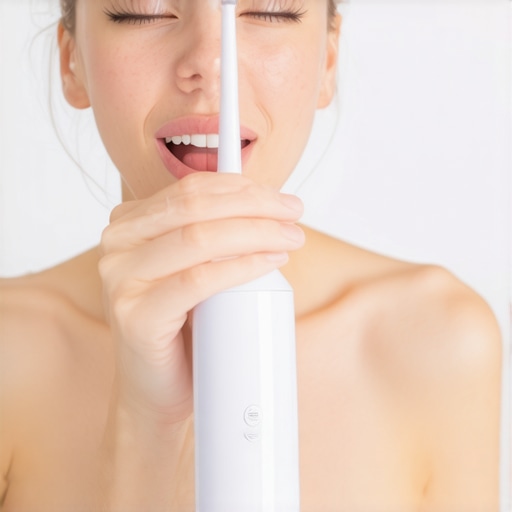 Use a visual of a person demonstrating proper use of an electric toothbrush alongside a water flosser, emphasizing technique and consistency.
Hidden Truths That Changed My Approach to Dental Care
One of the most eye-opening lessons I learned was the underestimated power of early detection. Catching enamel erosion in its infancy allowed me to adopt simple yet effective habits that prevented further damage. It’s a reminder that regular check-ups are an investment in your long-term smile.
Another insight was the importance of understanding the science behind dental tools and materials. Knowing why softer brushes are better after acid exposure or how fluoride works transformed my routine from routine to strategic. Empower yourself with knowledge—your teeth will thank you.
Finally, I realized that ongoing education is crucial. Trends like {https://gentlesmiledentist.com/cosmetic-dentistry-trends-that-transform-your-smile-this-year|cosmetic dentistry trends} and updates in preventive care mean that staying informed can dramatically improve your oral health journey, ensuring you always make the best decisions for your smile’s future.