
Ever had that jarring moment when you wake up, and there’s a dull ache or even a sharp pain in your jaw? I used to think it was just the aftermath of a tough workout or perhaps biting into an overly hard apple. But then, I experienced it myself — an unexplainable discomfort every morning, making me hesitant to greet the day with a smile.
The Morning Jaw Warning Sign
It wasn’t until I started paying attention to my routines and stress levels that I noticed a pattern. Those mornings when I was particularly anxious or juggling multiple deadlines, my jaw would be tense or sore. It was like my body was telling me something’s off — a silent protest from my muscles.
Could Stress Be Sabotaging Your Sleep and Comfort?
Scientifically, there’s a strong link between chronic stress and muscle tension, especially around the jaw area. This condition, known as bruxism, often occurs subconsciously and can be exacerbated by stress. Noticing this connection changed everything for me. I realized that managing stress isn’t just about feeling better emotionally; it directly impacts physical health, including oral comfort.
But how do you break this cycle? That’s exactly what this post will help you uncover. We’ll explore practical, proven strategies to alleviate morning jaw pain rooted in stress — because waking up refreshed and pain-free should be your new normal.
Addressing Your Skepticism
Now, I know what some of you might be thinking: “Is this really a big deal? Or am I just overreacting?” Early on, I made the mistake of dismissing the pain as trivial. Ignoring it only allowed the problem to deepen, leading to more discomfort and even dental issues down the line.
Trust me, neglecting jaw pain, especially if linked to stress, can set off a domino effect — from headaches to sleep disturbances. If you’ve ever wondered whether stress could be causing your morning discomfort, you’re not alone. And yes, there are effective ways to break free from this cycle. Curious how? Stay tuned as we dive into actionable steps and expert tips that can transform your mornings.
Want to learn more? You might find it helpful to explore how regular dental check-ups and proper oral hygiene can support your overall health. For example, regular teeth cleaning plays a significant role in maintaining a healthy mouth and detecting early signs of stress-related issues.
Let’s get started on understanding and tackling this sneaky connection between daily stress and morning jaw pain — because you deserve mornings free of discomfort and full of smiles.
,
Start with Gentle Jaw Exercises
Begin your daily routine with slow, deliberate jaw stretches to loosen tense muscles. For example, sit upright, relax the shoulders, and gently open and close your mouth for 5 seconds each cycle. I once committed to this for a week, and I noticed a decrease in morning stiffness. Repeating this every morning can train your muscles to relax more naturally.
Adopt Stress-Reducing Habits
Practice Mindfulness and Deep Breathing
Spend 5-10 minutes each morning focused on slow, deep breaths. Inhale through your nose, hold for a few seconds, then exhale slowly through your mouth. This technique lowers cortisol levels and reduces muscle tension. I found that pairing this with gentle stretching made a noticeable difference in my morning discomfort.
Limit Caffeine and Stimulants Before Bed
Reducing caffeine intake evening can smooth out your stress levels and prevent nighttime jaw clenching. Instead, opt for herbal teas or water. Once I cut back on late-day caffeine, my morning jaw soreness diminished significantly.
Adjust Your Sleep Environment
Use supportive pillows to keep your head and neck aligned, which minimizes undue pressure on the jaw. I replaced my standard pillow with an ergonomic one, which helped keep my jaw relaxed overnight and reduced morning pain.
Implement Oral Habits to Prevent Nighttime Clenching
Use a Custom Nightguard
Consult your dentist for a tailored mouthguard that fits comfortably. I personally visited my dentist, who crafted a custom-nightguard, and I experienced fewer symptoms of bruxism upon waking. Regularly wearing it acts as a physical barrier, preventing teeth grinding and easing jaw muscles.
Avoid Chewing Gum and Hard Foods
Chewing puts unnecessary stress on your jaw muscles. I made a conscious effort to avoid gum and hard candies, especially in the evening. This simple change prevented my jaw from overexerting during sleep.
Stay Consistent and Track Progress
Maintain these habits daily for at least two weeks. Keep a journal noting any changes in pain levels or morning stiffness. I found that consistency was key; by keeping up with these steps, my mornings became substantially more comfortable.
Seek Professional Guidance When Needed
If pain persists beyond two weeks despite these measures, consult a dentist experienced in family dentistry. Early intervention can prevent long-term issues. Remember, managing stress-related jaw pain is a process that involves both self-care and professional support.
 Many people assume that a quick trip to the dentist is all it takes to maintain oral health, but this misconception can lead to costly mistakes. Contrary to common beliefs, routine check-ups are just one piece of the puzzle; understanding the nuances of family and cosmetic dentistry can significantly impact long-term results. For instance, some believe that all dental procedures are equally durable, but advanced cosmetic treatments like veneers or aligners require precise planning and maintenance, which many overlook. Additionally, there’s a myth that expensive teeth whitening guarantees lasting brightness, yet without proper oral hygiene and professional guidance, discoloration often returns quickly. It’s also a common trap to ignore minor dental issues, thinking they will resolve on their own, but small problems like early cavities or gum inflammation can escalate if not addressed promptly. From an expert perspective, it’s crucial to recognize that personalized treatment plans tailored to each patient’s unique needs yield the best outcomes, especially with emerging innovations like digital smile design, which enhances aesthetic results while preserving natural tooth structure. Beware of oversimplified advice online—consulting with specialists who understand the complex interplay between oral health and holistic well-being is vital. Moreover, many underestimate the importance of preventive measures; regular professional teeth cleaning and patient education not only prevent decay but also strengthen overall oral resilience. For example, studies show that consistent maintenance reduces the likelihood of invasive procedures later on (source: here). So, are your dental practices aligned with the latest insights? Let’s dig deeper into common pitfalls and the subtle details that can elevate your dental health to the expert level. Have you ever fallen into this trap? Let me know in the comments.
Maintaining excellent oral health extends beyond daily brushing and annual check-ups. Having the right tools and adopting proven strategies can significantly enhance your long-term dental wellness. As someone deeply interested in cosmetic and family dentistry, I’ve tested various devices and methods to find what truly delivers lasting results.
Investing in a Quality Electric Toothbrush
For personalized effectiveness, I personally recommend the oscillating-rotating electric toothbrush. Unlike standard manual brushes, this device provides consistent plaque removal, especially in hard-to-reach areas. It’s been shown to reduce gingivitis more effectively over time. I use one that features a timer and pressure sensor to ensure I don’t brush too aggressively, protecting my gums and enamel. For detailed insights, check out this guide on electric toothbrushes.
Harnessing the Power of Advanced Water Flossers
I’ve integrated a high-end water flosser into my routine, which makes cleaning around braces and dental implants effortless while reducing gum inflammation. The pulsating water not only dislodges debris more effectively than traditional floss in my experience but also promotes healthier gums. When used daily, it prevents tartar buildup and supports the longevity of cosmetic procedures like veneers. Regular usage, combined with professional gentle cleaning techniques, keeps my smile bright and healthy.
Smart Dental Monitoring Applications
Technological advances have made tracking oral hygiene simpler. I use a dedicated app that syncs with my electric toothbrush, providing feedback on brushing duration and technique. Over time, I’ve noticed improvements in gum health and a decrease in sensitivity. These digital tools are especially valuable for busy families, ensuring everyone adheres to their routines. Interestingly, studies suggest that digital monitoring encourages better compliance and can even flag early signs of issues, allowing for proactive dental care (source: expert-recommended methods).
Future Trends Point to Personalized Oral Care
Looking ahead, I predict a rise in customizable whitening systems and AI-driven diagnostics, which will tailor treatments to individual genetics and lifestyle factors. Adopting these innovations now can set a robust foundation for lifelong oral health.
How Do You Maintain Your Oral Health Over Time?
Consistent use of advanced tools like electric toothbrushes and water flossers, complemented by smart technology, is key. Regular professional cleanings and staying informed on the latest innovations ensure that your smile stays healthy and radiant for years to come. I encourage you to try integrating a high-quality electric toothbrush and monitor your progress with apps—they’re game changers. Think of these tools as essential investments in your dental future. Ready to upgrade? Explore cutting-edge cosmetic dentistry options that align with your goals.
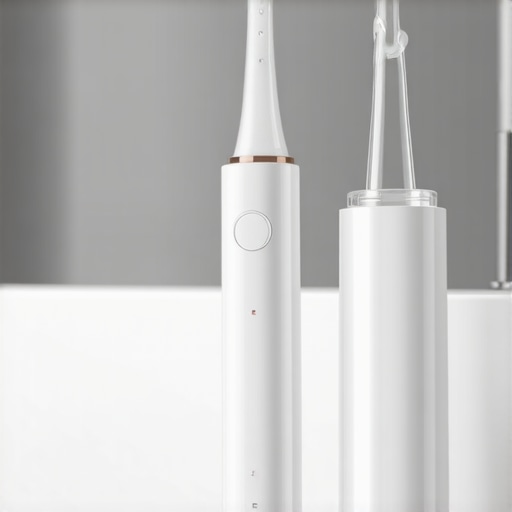
Image showcasing a modern electric toothbrush alongside a water flosser, emphasizing the importance of tech-savvy oral maintenance tools. Alt: “High-tech dental tools for long-term oral health care”. Title: “Modern Dental Tools for Effective Oral Maintenance”
What No One Tells You About Family Dentistry’s True Power
Reflecting on my journey through family and cosmetic dentistry, I realize that one of the biggest lessons is the importance of proactive prevention. Over time, I’ve seen how early detection and personalized care prevent small problems from snowballing into costly issues. Sometimes, minor concerns like slight gum irritation or tiny cavities are the first signs that more comprehensive care is needed — ignoring them might lead to bigger surprises later. Embracing routine visits coupled with innovative tools like regular teeth cleaning is a game-changer for long-term health.
What Tools Are Seriously Worth It for Your Family’s Smile
From my own experience, investing in quality electric toothbrushes and high-tech flossers makes a noticeable difference. Personally, I trust brands that integrate AI tracking and gentle cleaning modes, because they motivate consistent habits and reduce the risk of gum recession. These tools are more than gadgets; they’re an extension of your commitment to lasting oral wellness. When paired with expert guidance from cutting-edge cosmetic dentistry, your tools support a holistic approach that emphasizes both beauty and strength.
Feeling Confident in Your Smile Starts Here — Are You Ready?
The future of family dentistry is about personalized, tech-forward care that empowers you and your loved ones to maintain healthy, beautiful smiles for years to come. Small daily habits combined with trusted innovations lay a solid foundation. So, I encourage you to embrace these insights wholeheartedly — your family’s oral health is worth it. Remember, every step you take today is an investment in happier, healthier mornings tomorrow.
Now, I want to hear from you: Have you tried integrating any new tools or routines into your family’s dental care? What changes made the biggest impact? Share your story below and let’s grow together in creating confident smiles!