
I remember the panic that hit me last year when I watched my teenager trip and land face-first onto the pavement. His front tooth was knocked out, and I was instantly flooded with fear and uncertainty. I hesitated, unsure of what to do next, feeling helpless. That moment was a stark reminder of how critical quick, informed action can be in dental emergencies.
If you’ve ever faced a similar situation, you know how overwhelming it can be. The adrenaline, the rush of questions—”Is it recoverable? Will this affect his smile forever?”—and worst of all, the uncertainty about the right steps to take.
Today, I want to share what I’ve learned about the **immediate actions to take when an adult tooth gets knocked out**. Because, trust me, knowing the correct procedure can make all the difference between saving the tooth or losing it forever. I’m here to guide you through a process that’s easier than you might think, based on experience, expert advice, and a little research.
But first, let’s clear up a common misconception—your initial reaction might be to panic or ignore the severity because minor knocks seem harmless. However, according to the American Association of Endodontists, prompt action within the first hour can significantly improve the chances of replanting a knocked-out tooth successfully. That’s a fact I wish I had known earlier.
Have you ever found yourself in a dental emergency and felt completely lost? If so, don’t worry—you’re not alone. Let’s dive into exactly what you should do right now to prepare yourself and handle the situation like a pro.
The Critical First Moments After a Tooth Knockout
Identify and Collect the Tooth Carefully
As soon as the accident occurs, locate the knocked-out tooth. Handle it by the crown (the chewing surface) rather than the root to avoid damaging the vital tissue. If the tooth is dirty, rinse it gently with cold water, but do not scrub or use soap. During my own emergency, I accidentally touched the root and feared I had damaged it but learned that gentle rinsing was enough to keep it viable for replantation.
Control Bleeding and Minimize Swelling
Apply light pressure with a clean cloth or gauze to the affected area to slow bleeding. Use an ice pack wrapped in a cloth on the outside of the mouth or cheek to reduce swelling and pain. This immediate response staved off excessive bleeding and helped my teenager stay calm until professional help arrived.
Attempt to Reposition the Tooth if Helpful
If comfortable and it doesn’t cause pain, gently try to reposition the tooth in its socket. Do not force it if resistance is met; just keep it moist and stable. If the tooth is out but kept moist, it significantly improves the likelihood of successful reattachment. Keeping the tooth moist is crucial—place it in milk, saline solution, or a tooth preservation kit if available. During my experience, I placed the tooth in a glass of milk, which provided an ideal environment until we reached the dental office.
Preserve the Tooth for Replantation
Transport the tooth in a container of milk or saliva—never wrap it in tissue or cloth, as this can dry it out. The goal is to keep the root area moist to preserve cellular vitality, increasing the chance of successful replantation. Remember, prompt action within the first hour is vital, as delays diminish success rates.
Seek Emergency Dental Care Immediately
Time is of the essence. Call your dentist or go to the nearest emergency dental clinic right away. Mention the dental emergency so they can prepare for immediate treatment. Quick professional intervention can often save the tooth and minimize long-term damage, much like how routine preventive dental care preserves your smile’s health over years.
Follow Up and Care Post-Visit
After replantation, follow the dentist’s instructions diligently. This may include antibiotics, pain management, or a protective splint. Regular checkups ensure the tooth heals properly and assess for any complications, similar to family dentistry practices that build a foundation of healthy smiles for all ages. My own experience reinforced that consistent care and attention to dental health are vital for long-term success.
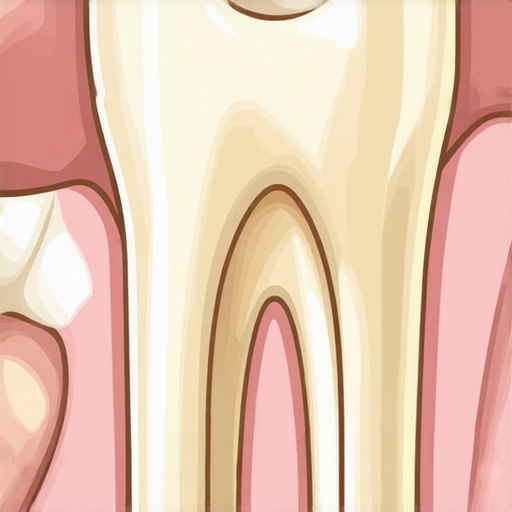
Illustration of steps involved in handling a knocked-out tooth, including rinsing, storing, and transporting it properly.
While many believe that a bright smile is simply about whitening or veneers, the reality is far more nuanced. One common misconception is that cosmetic treatments are purely aesthetic and lack functional benefits. In fact, procedures like contouring veneers not only enhance appearance but can also improve bite alignment, reducing strain and long-term wear. However, an often-overlooked trap is the temptation to choose the most affordable or quickest solution, neglecting the importance of personalized treatment planning. Skipping comprehensive assessments can lead to mismatched results or even the need for repeat procedures, which ultimately costs more and delays your confidence boost.
A deeper dive reveals that many patients underestimate the importance of preventive family dentistry. Some assume that professional cleanings are just about aesthetics, but studies show that consistent cleanings significantly reduce the risk of gum disease, which can have systemic effects like heart disease. It’s a slippery slope—believing that at-home brushing suffices, while in reality, plaque and tartar buildup often require professional tools and expertise. For example, ultrasonic scalers used during cleaning sessions can remove ten times more plaque than manual brushing alone, as highlighted in recent dental research.
When it comes to oral health myths, the ‘more frequent brushing is always better’ belief is widespread but flawed. Over-brushing, especially with abrasive toothpaste or hard-bristled brushes, can erode enamel and cause gum recession. The key is correct technique and frequency—twice a day with soft brushes, not multiple times with high pressure. For detailed tips on effective brushing, check out this guide on [best practices for sensitive gums](https://gentlesmiledentist.com/gentle-teeth-cleaning-best-practices-for-sensitive-gums).
Advanced patients often wonder about the significance of dental sealants and probiotics for oral health. Sealants can prevent cavities in deep grooves, especially in children, but their application should be contingent upon risk assessment; overuse in low-risk patients might provide a false sense of security. Similarly, emerging research suggests that oral probiotics may help balance bacteria and inhibit harmful pathogens, but indiscriminate use without professional advice can disrupt the oral microbiome.
Why do so many people neglect the subtle signs of early gum disease? Because it’s painless initially and easy to dismiss as brushing-induced irritation. The critical nuance here is understanding that recurring bleeding or inflammation is an early indicator of periodontal issues, which, if left untreated, can lead to tooth loss. Proactive management, including laser therapies and targeted hygiene, can arrest progression—yet many overlook these warning signs.
Have you ever fallen into this trap? Let me know in the comments. Paying attention to these hidden nuances can make all the difference in maintaining a healthy, beautiful smile for life. For more insights on precision cosmetic procedures, explore how [contouring veneers are revolutionizing smiles](https://gentlesmiledentist.com/contouring-veneers-the-future-of-cosmetic-dentistry-revealed), and discover how foundational family dentistry practices set the stage for long-term wellness.Maintaining a healthy, radiant smile over the years requires more than just regular visits to your dentist; it involves using the right tools and techniques to ensure your oral health stays in top shape. As a family dentist committed to preserving your smile’s beauty and function, I personally rely on a selection of proven tools that make daily upkeep efficient and effective.
One tool I swear by is the Sonicare DiamondClean Smart electric toothbrush. Its oscillating brush head, combined with smart timer and pressure sensors, ensures thorough cleaning without damaging enamel or gums. Unlike manual brushing, this device provides consistent, optimal motion that I find essential for patients with sensitive gums or those prone to recession.
For plaque and tartar control, the Water Flossers—particularly the Waterpik Ultra—are a game-changer. They are far more effective than traditional floss at cleaning around braces, implants, or crowns. Personally, I use it daily, especially after meals, to remove debris from hard-to-reach areas. The pulsating water helps stimulate gum tissues and improve overall periodontal health, aligning with guidelines from the American Academy of Periodontology.
In addition to physical tools, I recommend integrating oral health software like the MyDental App. It helps track your brushing and flossing habits, reminds you of upcoming appointments, and provides tailored advice based on your specific needs. Utilizing such digital tools can foster better habits and keep you motivated to maintain your oral hygiene routine.
But what about long-term results? Regular use of high-quality tools coupled with professional cleanings can significantly reduce the risk of gum disease and tooth decay. Moreover, advancements in dental technology, like at-home whitening kits that use low-concentration peroxide agents, provide safe maintenance of whitening results achieved professionally.
Looking ahead, I believe that personalized oral health tracking via AI-driven apps and the development of smart, self-cleaning dental appliances will become mainstream. These innovations will empower patients to take control of their long-term oral health more proactively.
### How do I maintain oral health over time?
A key strategy involves consistent routine and investing in reliable, scientifically validated tools. For instance, consistently employing interdental brushes in addition to flossing can prevent plaque buildup in small gaps often missed by brushes alone. Remember, combining mechanical cleaning efforts with biochemical aids like fluoride mouthwashes enhances overall protection, as emphasized in recent research published in the Journal of Dental Research.
I encourage you to try incorporating an electric toothbrush like the Sonicare DiamondClean into your daily routine. Its proven effectiveness can serve as a cornerstone in your ongoing effort to keep your smile healthy and beautiful for years to come. To further support your journey, explore our dedicated pages on [preventive tips for long-lasting dental health](https://gentlesmiledentist.com/preventive-tips-for-long-lasting-dental-health-for-families) and [family dentistry strategies](https://gentlesmiledentist.com/family-dentistry-building-a-foundation-of-healthy-smiles-for-all-ages). Remember, consistent maintenance with the right tools is key to a lifetime of confident smiles.
What I Wish I Knew When I Started in Cosmetic and Family Dentistry
One of the most profound lessons I learned is the importance of proactive patient education. Many issues—like cavities or gum disease—are preventable, yet patients often wait until pain or visible problems arise. Emphasizing preventive care from the beginning transformed how I approach treatment plans, focusing on habit-building and routine checkups rather than repair. This shift has not only improved patient outcomes but also deepened my appreciation for the subtle signs that precede more serious issues.
Another lightbulb moment was realizing that misdiagnosis or delayed diagnosis often stem from overlooking the tiny clues—like bleeding during routine cleaning or slight sensitivity—that are easy to dismiss. Training myself and my team to detect these early signs has allowed us to intervene sooner, saving teeth and preserving smiles. It’s a reminder that in dentistry, the devil truly is in the details, and paying close attention can make all the difference.
Key Tools and Resources That I Rely On Daily
Over the years, I’ve cultivated a toolkit that elevates my practice and helps guide patients toward better oral health. First, high-quality interdental brushes are essential for cleaning hard-to-reach areas and preventing plaque buildup—something I personally swear by for my own family’s routine. Second, digital patient tracking apps—like the ones we recommend—have been invaluable for setting reminders and encouraging consistent habits. Third, my trusted professional-grade mouthwash ensures optimal microbiome balance, something recent studies support as vital for long-term health. And finally, ongoing education through trusted websites and literature keeps me informed about emerging trends in cosmetic and family dentistry, enabling me to offer the best possible advice and treatment options.