
I remember the first time I caught my toddler munching happily on a colorful snack pack, only to discover a tiny, suspiciously brownish spot on her freshly brushed teeth the next morning. That sinking feeling hit me hard — could this innocent-looking treat be sabotaging her smile from within? As a parent, I thought I was doing right by choosing ‘healthy’ snacks, but I soon learned that many toddler snacks hide a sneaky enemy: added sugars that can lead to early cavities. Today, I want to share what I’ve uncovered about this hidden threat, so you can protect your child’s precious smile without constantly worrying about every bite.
The Real Trouble Starts with Hidden Sugars in Kids’ Snacks
Most parents are unaware that some of the most common toddler snacks are loaded with surprising amounts of added sugars. These sugars aren’t just empty calories; they’re villains that feed the bacteria in your little one’s mouth, accelerating acid production that erodes enamel and triggers cavities. I used to think if the label didn’t say ‘candy’ or ‘soda,’ my kid was safe. But the reality is more insidious. Many snack foods like flavored yogurts, fruit snacks, and even some cereals contain added sugars that can be just as harmful, especially because young children’s teeth are still developing and more susceptible.
Early cavities aren’t just a cosmetic concern; they can cause pain, difficulty eating, and even impact the growth of adult teeth. I learned this the hard way after noticing my child’s persistent tooth sensitivity. It was a wake-up call I wish I had before her first cavity formed. Trust me, understanding what’s really in those supposed ‘healthy’ snacks is foundational for safeguarding your child’s oral health.
Research shows that excessive sugar intake in children can set the stage for lifelong dental issues and even influence their overall health (source: Gentle Smile Dentist), so it’s critical to know what to look for on labels and how to make smarter choices.
Are you puzzled by all the hidden sugars lurking in toddler foods? Have you experienced a surprise dental visit because of a seemingly innocent snack? If so, you’re not alone. I’ve been there, and I’m here to help you decode those labels, so your child’s diet becomes a true ally for their smile, not a foe.
Is Overlooking Hidden Sugars Actually Putting Your Child’s Smile at Risk?
Early on, I made a crucial mistake — I blindly trusted marketing claims about ‘organic’ or ‘natural’ snacks. But these labels don’t always mean low sugar. It was a tough lesson in reading ingredients carefully. Knowing what to avoid and how to spot added sugars on nutrition labels can make a significant difference. For more detailed guidance on maintaining a healthy oral routine, you can explore [this comprehensive article on expert advice](https://gentlesmiledentist.com/maintaining-oral-health-expert-advice-for-a-lifetime-of-healthy-teeth).
Next, let’s explore practical steps you can take today to see through the sugar disguise and keep cavities at bay.
Check Labels Religiously Every Time
Start by making it a habit to scrutinize nutrition labels on all snacks. Focus on ingredients like high-fructose corn syrup, glucose, sucrose, or anything ending in -ose, which indicate added sugars. When I caught my toddler’s favorite yogurt label displaying 12 grams of sugar, I immediately replaced it with a plain Greek yogurt topped with fresh fruit. That small switch cut sugar intake significantly and improved her oral health.
Swap Out Sugary Snacks for Real Food
Think of your child’s diet as a fortress against cavities. Whole fruits, vegetables, nuts, and cheese are like sturdy walls—rich in nutrients and naturally low in added sugars. For instance, instead of fruit snacks, give sliced apple with peanut butter or cheese sticks. This simple shift reduces sugar’s sneaky presence and supplies minerals like calcium and phosphorus, which strengthen the enamel—your teeth’s natural armor.
Establish Routine Dental Hygiene Habits
Consistent brushing and flossing are the frontline defenses. Use a fluoride toothpaste appropriate for your child’s age and teach them to brush thoroughly for at least two minutes twice daily. I remember practicing brushing with my daughter on the bathroom mirror, turning it into a game where she brushed as if she was scrubbing away sugar monsters. Over time, this routine became second nature, making her more resistant to cavities.
Master Proper Brushing Techniques
Angle the toothbrush at 45 degrees towards the gum line, and use gentle circular motions to dislodge plaque and debris. Do not scrub harshly; think of it as polishing delicate porcelain—aggressive brushing wears down enamel and gums alike. Also, don’t forget to clean the tongue, which harbors bacteria that contribute to bad breath and decay. Incorporate tongue scraping into your routine; I found a simple plastic scraper worked wonders for my family.
Schedule Regular Professional Cleanings
Professional cleanings are like tune-ups for a car—essential for maintaining optimal performance. A visit every six months, or as recommended, ensures plaque and tartar are removed thoroughly. During these visits, your dentist can spot early signs of cavities or enamel erosion caused by hidden sugars, allowing for prompt intervention. I learned that even with diligent home care, some areas are hard to reach—dentists are crucial allies in the battle for healthy teeth.
Create a Supportive Environment at Home
Limit access to sugary snacks altogether. Store treats out of sight, and replace them with healthier options. Implementing this at home was challenging initially—they’ll always ask for snacks—but eventually, my kid adapted to the new routine. Remember, a supportive environment minimizes temptation and reinforces good habits. Also, consider incorporating educational stories or cartoons about teeth so your child understands why avoiding sugar helps keep their smile bright and strong.
Stay Informed and Be a Role Model
Children mimic their parents’ habits. When they see you choosing water over soda or brushing your teeth diligently, they pick up those behaviors instinctively. I made a point to share my own dental routines and explain how I keep my teeth healthy, which motivated my child to follow suit. Staying educated about ingredients and dental best practices keeps you a step ahead in safeguarding your child’s oral health.
Many people believe that brushing vigorously is the best way to clean teeth, but in reality, this common misconception can do more harm than good, leading to gum recession and enamel erosion if done excessively. Proper technique, such as gentle circular motions, is key to effective cleaning, a point emphasized by experts in [professional teeth cleaning](https://gentlesmiledentist.com/how-regular-teeth-cleaning-can-prevent-major-dental-issues). Another often-overlooked nuance is that family dentistry isn’t just about treating cavities but about building a comprehensive foundation for lifelong oral health, as detailed in [this guide](https://gentlesmiledentist.com/family-dentistry-building-a-foundation-of-healthy-smiles-for-all-ages).Maintaining stellar oral health over the years requires more than just regular brushing and flossing; it demands the right tools, consistent routines, and a proactive approach. I personally rely on a combination of high-quality equipment and smart strategies to ensure my family’s smiles stay bright and healthy. One essential tool I recommend is the **electric toothbrush with pressure sensors**. Unlike manual brushes, these devices alert you if you’re brushing too hard—a common mistake that can lead to gum recession and enamel wear. I use the Philips Sonicare DiamondClean because it provides real-time feedback, ensuring gentle yet effective cleaning, which is crucial for long-term gum health. Additionally, incorporating **water flossers such as the Waterpik** has transformed our daily routine. They are especially beneficial for family members with braces or dental implants, as they clean deeper into crevices that traditional floss might miss. Personally, I find that the pulsating jet more effectively reduces plaque buildup and is gentler for sensitive gums. For tracking and motivating my family, I utilize apps like *Brush DJ*, which remind us to brush twice daily and even provide tips for proper technique. Regular monitoring through such apps helps catch habits that might compromise long-term results, like neglecting tongue cleaning or missing hard-to-reach areas. Looking ahead, the trend points towards **integrating smart technology with dental devices**, enabling real-time monitoring and personalized recommendations via AI. As these innovations become more affordable and widespread, maintaining your oral health will become easier and more data-driven.
How do I keep my dental tools in optimal shape over time?
Proper maintenance of your dental tools extends their lifespan and effectiveness. For electric toothbrush heads, I replace them every three months—as recommended by dental professionals—to prevent bacteria buildup and ensure optimal plaque removal. Regularly, I clean the water flosser’s reservoir and tips with mild soap, avoiding mineral buildup. This simple practice prevents device malfunction and ensures consistent performance. Alcohol-based disinfectants are great for quick sterilization of removable parts, especially during flu season. Another vital step is routine calibration of electronic devices to maintain their sensitivity and accuracy, which I do annually. When it comes to software, keeping your apps updated not only introduces new features but also patches security vulnerabilities. This way, you’re leveraging the latest advancements to support your family’s oral health effectively. Looking forward, advancements in AI will likely personalize dental routines further, analyzing wear patterns and providing tailored brushing strategies—imagine an app that guides you through correcting your brushing angle in real time. Embracing these tools now, however, can significantly improve your results today.
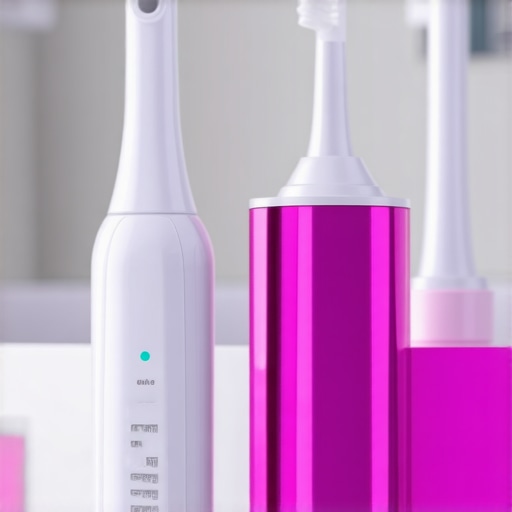
Investing in quality tools and regular upkeep isn’t just about convenience; it’s a long-term investment in your happiness and confidence. I encourage you to try upgrading your toothbrush to a model with pressure sensors and integrate a Waterpik into your routine. These small changes can dramatically reduce plaque, prevent cavities, and promote healthier gums. For comprehensive guidance on preserving your smile, explore [this insightful article](https://gentlesmiledentist.com/maintaining-oral-health-expert-advice-for-a-lifetime-of-healthy-teeth). Remember, consistent maintenance is the cornerstone of durable oral health—so don’t wait for problems to arise to act. Your future self will thank you!
Embarking on the journey toward optimal oral health goes beyond routine brushing and flossing; it’s about uncovering the insider secrets that truly make a difference. Over the years, I’ve learned that small, intentional choices can lead to remarkable transformations in your child’s smile and overall wellbeing.
What No One Tells You About Maintaining That Dazzling Smile
- Consistent, gentle brushing with smart tools like pressure-sensitive electric toothbrushes can preserve enamel and gum health for years to come.
- Choosing real, nutrient-rich foods over sugary snacks isn’t just good for the body; it’s a primary defense against cavities and enamel erosion.
- Scheduling routine professional cleanings earlier rather than later ensures early detection of potential issues, saving you time, money, and discomfort.
- Fostering a home environment that promotes healthy choices—like storing treats out of reach—can dramatically cut down on sugar intake and associated dental problems.
- Leading by example in your own oral habits inspires your family to adopt lifelong healthy routines that keep smiles bright and confident.
Tools and Resources That Made a Difference for My Family
- Investing in a high-quality electric toothbrush like the Philips Sonicare DiamondClean transformed our daily routine, offering gentle yet effective cleaning and real-time feedback.
- Using a Waterpik water flosser significantly improved plaque removal, especially around braces and dental implants, reducing the need for invasive procedures.
- Reading trusted guides on family dentistry, such as those at Gentle Smile Dentist, helped me tailor a comprehensive oral care plan that lasts a lifetime.
- Keeping dental tools well-maintained—replacing brush heads every three months and cleaning water flosser tips periodically—ensures effectiveness and longevity.
Take Charge of Your Smile’s Future Today
Every small choice, from selecting the right toothbrush to establishing routines, builds toward a future where your smile shines with confidence and health. Don’t wait for issues to crop up; be proactive and embrace the strategies that secure your family’s oral wellbeing for years to come. Remember, your dedication now can prevent costly treatments later and leave a legacy of radiant smiles. Are you ready to implement one new tip today that can make a difference? Share your thoughts below — I’d love to hear your success stories or questions on building a cavity-free family!