
It was a typical Tuesday morning when I caught myself inspecting my tongue in the mirror, squinting at that little white film I thought was just leftover coffee. But suddenly, a little alarm bell went off in my head. For days, I had been experiencing a dull, persistent taste that just wouldn’t go away—nothing severe, just enough to make me curious. That lightbulb moment made me realize: I was overlooking an early sign of oral thrush that many people tend to ignore, including myself at first.
The Power of Recognizing Early Signs of Oral Thrush
As someone deeply interested in maintaining healthy smiles, I learned the importance of catching oral issues early. Often, symptoms like a coated tongue, mild discomfort, or a slight redness can be mistaken for something benign. Yet, these tiny clues can signal the beginning of a fungal infection that, if left untreated, might lead to more significant discomfort or complications. The good news? With a bit of awareness and prompt action, you can often halt the progression before it becomes serious. Today, I want to share how I started noticing these subtle cues and what you can do to stay ahead of oral thrush.
Is Spotting Oral Thrush Actually Worth the Hype?
Many people dismiss early signs, thinking they’re just normal variations or minor irritations. I used to make the mistake of ignoring that slight coating on my tongue, assuming it would resolve itself. But the truth is, overlooking these symptoms might give the fungi a chance to multiply, leading to more uncomfortable manifestations and potential oral health issues. According to research, early detection can significantly reduce the duration and severity of oral thrush, making preventive awareness invaluable (source). Recognizing these signs is not about paranoia; it’s about empowering yourself to act swiftly.
If you’ve recently noticed a persistent coating, whiteness, or minor soreness in your mouth, you’re not alone—and it’s worth looking into. The next steps involve understanding what these signs mean and how to respond effectively. So, let’s dive into the practical ways to identify and manage early symptoms of oral thrush—before it takes hold and affects your overall health.
Assess Your Mouth: What to Look For
Begin by inspecting your tongue and inside your cheeks for any unusual white patches or coatings. Use a clean mirror in good lighting, and gently stretch your tongue with a clean finger to spot hidden areas. Remember, subtle signs like a sticky feeling or mild soreness can be early indicators of oral thrush. During my experience, I noticed a faint white film that I initially mistook for residual food, but now I recognize it as a warning sign. Regular self-examinations keep you informed about your oral health and help catch issues early.
Improve Your Oral Hygiene Routine
Maintain rigorous oral hygiene by brushing at least twice daily with fluoride toothpaste and using a soft-bristled toothbrush. Floss daily to remove plaque and food debris, especially around the gum line and between teeth, where fungi can hide. Incorporate an antimicrobial mouthwash, preferably with ingredients like chlorhexidine, to reduce fungal buildup. When I suspected early thrush, I adjusted my routine to include a gentle, thorough brushing sequence, which helped reduce fungal presence. Consistency in these steps creates an inhospitable environment for fungi and prevents their proliferation.
Adjust Your Diet to Support Oral Health
Limit sugar intake, as sugar feeds Candida fungi responsible for thrush. Incorporate yogurt with live probiotics or fermented foods to restore natural oral flora. Stay hydrated with water to promote saliva flow, which acts as a defense against infections. I personally noticed that cutting back on sugary snacks and increasing my water intake significantly improved my mouth’s resilience. Think of saliva as a natural cleanser and protector—keeping it flowing is essential to prevent fungal overgrowth.
Seek Professional Dental Advice Promptly
If you observe persistent white patches, soreness, or a bitter taste despite maintaining good hygiene, schedule an appointment with your dentist. They can perform a simple examination and determine if you have oral thrush. During my visit, my dentist used a gentle swab to analyze the patches, confirming the diagnosis. Professional intervention might include antifungal medications, which are most effective when applied early. Don’t ignore ongoing symptoms; early treatment can prevent complications and more invasive procedures later.
Utilize Preventive Measures for Long-Term Safety
Consider regular dental check-ups at least twice a year, especially if you’re prone to recurring issues. Discuss any underlying health conditions, such as diabetes or immunosuppressive treatments, which can increase susceptibility. Explore family-friendly preventative strategies like educating your loved ones about oral hygiene. For families, consistent routines and routine visits, as explained in preventive tips for families, are key to avoiding fungal infections. Staying proactive with these steps ensures healthier mouths for everyone involved.
Visualize Your Progress

Illustration of a person gently inspecting their mouth for early signs of oral thrush, emphasizing the importance of regular self-examination in maintaining oral health.
While many people believe that a quick brushing twice a day is enough to ensure dental health, the reality is far more nuanced. One widespread myth is that professional teeth cleanings are solely for aesthetic purposes, but in fact, they play a critical role in preventing gum disease and catching early signs of oral health issues. Dentists emphasize that regular cleanings can actually save you money over time by avoiding costly treatments later, as detailed in expert research. However, many overlook the importance of customized maintenance programs tailored to individual risk factors, which can significantly impact long-term oral health.
An often underestimated aspect of family dentistry involves the advanced techniques used for preserving tooth structure and enhancing natural aesthetics. For instance, modern contouring and veneers are not just cosmetic tricks but are backed by scientific advancements that improve both function and appearance, as explained here: future-focused treatments. Still, confusion persists about when these procedures are truly necessary versus when they might be overused for quick cosmetic fixes.
One critical mistake many make is believing that whitening treatments are a one-size-fits-all solution. In reality, the best approach depends heavily on individual enamel thickness, existing restorations, and overall oral health status. Professional whitening is scientifically proven to be safer and more effective when performed under expert supervision, as outlined in cutting-edge research. Over-the-counter products, while tempting, often fall short and may even cause sensitivity or damage if misused.
Have you ever fallen into this trap of believing surface-level solutions? Let me know in the comments. Recognizing these misconceptions is vital because they can lead to unnecessary procedures, higher costs, or even dental damage. The real expertise lies in understanding the nuanced, personalized nature of oral health care—something that goes beyond basic brushing and flossing to include tailored, scientifically validated treatments and preventative measures.Maintaining optimal oral health requires more than just good brushing techniques; the right tools can make all the difference in your long-term dental routine. Personally, I swear by my ultrasonic toothbrush, which uses high-frequency vibrations to effectively remove plaque and reduce gingivitis—an upgrade from manual brushing that I find truly transformative. Incorporating a water flosser into my daily routine has also been a game-changer, especially for cleaning between challenging molars and around dental restorations. Unlike traditional floss, water flossers provide a gentle yet thorough clean, which is particularly beneficial for family dental care, ensuring even the kids get a dentist-approved level of cleanliness.
How do I keep my dental tools working flawlessly over time?
Regular maintenance is crucial. For instance, replacing brush heads on your electronic toothbrush every three months prevents bacterial buildup and maintains optimal cleaning power—I’ve set reminders to stay consistent. Descaling water flossers monthly ensures that mineral deposits don’t hinder performance, extending their lifespan. Using manufacturer-recommended cleaning tablets helps keep device components like reservoirs and nozzles hygienic and functioning smoothly.
To monitor your progress and adjust your routine accordingly, I recommend adopting digital tracking apps that sync with your electric toothbrush or flossers. These apps offer insights into your brushing duration, frequency, and coverage, providing actionable feedback to improve technique. I personally track my oral hygiene habits with one app that specifically highlights areas I might miss, which inspires me to be more diligent. With technological advancements predicting a future where AI-powered dental devices will analyze your oral health in real-time, staying vigilant with your current tools now prepares you for this exciting evolution in dentistry.So, investing in quality equipment is a smart move, but equally important is maintaining them properly. Regular cleaning, timely replacements, and leveraging technology can all prolong your tools’ lifespan and keep your smile shining brightly for years to come. For more detailed tips on family-wide routines, check out family dentistry tips. Additionally, exploring innovative treatments such as contouring and veneers can further enhance long-term results, as discussed here.”}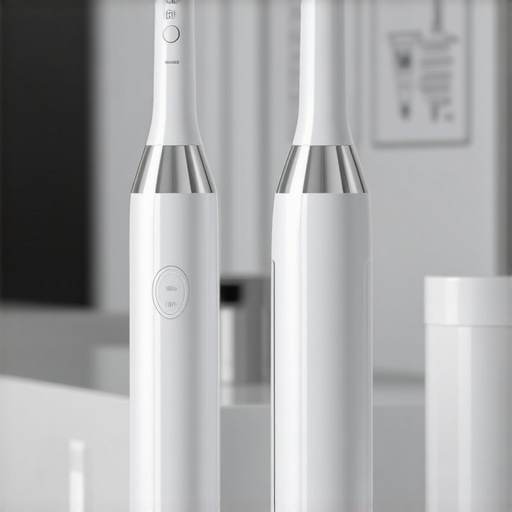 {
{
What I Wish I Knew About Catching Oral Thrush Sooner
Discovering the subtle signs of oral thrush transformed my approach to oral health; early detection empowered me to seek prompt treatment and avoid discomfort. Learning to spot the coated tongue and minor soreness early on taught me the importance of listening to my body and maintaining regular self-examinations.
My Go-To Resources for Staying One Step Ahead
I rely on expert articles like those on Gentle Smile’s guides and trusted dental advice from professionals. Books like “The Oral Health Revolution” broaden my understanding, and tools such as a high-quality mirror and antimicrobial mouthwash are my daily allies. These resources help me stay vigilant and informed about my oral well-being.
Seize Control of Your Oral Health Journey
Take charge today by performing regular self-inspections and optimizing your oral hygiene routine. Remember, recognizing early signs of oral thrush can save you discomfort and treatment time, leading to a confident, healthy smile. Don’t wait for symptoms to worsen—your proactive steps today shape your smile’s future.