
I remember the exact moment I realized I didn’t understand the differences between dental sedation and general anesthesia. Sitting in the dentist’s chair, trembling with nerves before a routine procedure, I felt totally unprepared. It hit me then—most of us have vague ideas about these options but little clarity on what truly suits our needs. That lightbulb moment changed everything for me, and I knew I had to share what I’ve learned.
Why Knowing the Difference Matters More Than You Think
Choosing the right sedation method isn’t just about comfort; it can impact your safety, recovery, and even your willingness to seek dental care. If you’re like I was—confused, anxious, or just curious—you deserve clear, honest information. I’ll walk you through the essentials of dental sedation and general anesthesia, based on my experience and trusted dental insights.
Is All This Fuss About Sedation Really Necessary?
Early on, I made a mistake I see many others repeating: assuming all sedation options are the same. That misunderstanding could have led me to choose something less suitable for my case. Knowing the nuances can help you avoid unnecessary risks and discomfort. According to the American Dental Association, understanding your sedation options ensures safer, more effective treatment experiences. Let’s get into the specifics that will help you make an informed decision—because your comfort and safety are worth it.
Choose the Right Sedation Option for You
Start by consulting with your dentist to understand the sedation methods available. Personally, I once agreed to oral sedation without fully understanding its effects. My dentist explained that oral sedation involves a pill that relaxes you but doesn’t make you unconscious. This clarity helped me choose what was best for my anxiety level, leading to a smoother experience. Review your options, weigh the pros and cons, and ensure your choice aligns with your medical history.
Prepare Your Medical History Thoroughly
Gather all relevant health information before your appointment. I remembered to bring a list of medications I took, including supplements. Inform your dentist about allergies, existing conditions, or recent illnesses. This step ensures the sedation is safe and tailored to your needs. My oversight in this area previously caused a delay, emphasizing the importance of detailed preparation.
Follow Pre-Procedure Instructions Carefully
Adhere strictly to your dentist’s guidance, such as fasting or avoiding certain medications. I once accidentally ate breakfast before a sedation procedure, which led to discomfort. To prevent this, I set reminders and double-checked instructions. Proper preparation reduces risks and enhances sedative effectiveness. If you’re unsure about any instructions, don’t hesitate to contact your dental team for clarification.
Arrange Transportation and Support
Ensure someone can drive you home after the procedure. I learned this the hard way when I tried to leave alone and felt drowsy. Having a trusted friend or family member accompany you provides peace of mind and assistance if needed. This is especially vital if your sedation affects your alertness or coordination.
Stay Calm and Communicate Openly
Share your worries with your dentist. During my first sedation, expressing my fears allowed the staff to comfort me and adjust the sedation levels. Clear communication helps tailor the process to your comfort, reduces anxiety, and ensures your safety. Remember, your dental team is there to support you every step of the way.
Post-Procedure Care and Recovery
Follow your dentist’s advice on recovery, such as avoiding driving or operating machinery. I waited the recommended time before eating or drinking and avoided strenuous activities. Staying hydrated and resting helps your body recover quickly. For additional tips on maintaining oral health after sedation, consider exploring these expert suggestions.
Reflect and Share Your Experience
After your procedure, evaluate what went well and what could improve for next time. Personal stories, like mine, highlight the importance of thorough preparation and open dialogue. Sharing your experience can also provide reassurance to others considering sedation options.

When it comes to maintaining optimal oral health, many believe that routine brushing and flossing are enough to keep teeth shining and gums healthy. However, this common assumption masks deeper nuances and misconceptions that can lead to overlooked issues or ineffective treatments. As someone deeply involved in dentistry, I’ve observed that understanding these subtleties can significantly impact your oral health outcomes.
Myth Busting: More Brushing Means Better Health?
Many people assume that brushing harder or more frequently will enhance their oral health. In reality, excessive force can damage enamel and irritate gums, increasing sensitivity and recession. The American Dental Association emphasizes gentle, thorough brushing using soft-bristled brushes. Overbrushing can cause receding gums and enamel erosion, which ironically worsens overall dental health. Recognizing the right brushing technique is a nuanced skill that goes beyond just scrubbing harder.
Moreover, many believe that frequent whitening treatments or cosmetic procedures are risk-free. But, improper application or overuse can cause lasting damage to enamel integrity. Advancements in cosmetic dentistry, such as porcelain veneers or direct bonding, offer stunning results, but only when performed by trained professionals who understand the subtleties of material properties and the patient’s unique oral anatomy.
Why Do So Many Miss the Signs of Gum Disease?
Gum disease often develops silently, and early signs like bleeding gums or mild inflammation are frequently dismissed or unnoticed. Interestingly, these subtle cues are crucial indicators of underlying pathology. If ignored, they can progress to periodontitis, leading to bone loss and tooth loss. Regular dental check-ups and professional cleanings can detect these early signals—a process that requires an expert’s eye for nuanced oral tissue responses that patients may overlook.
Some individuals mistake bad breath solely for poor hygiene; however, halitosis can also be caused by deeper issues like infections or systemic conditions. A comprehensive approach, including detailed examination and diagnostic tools, is essential for accurate diagnosis. This nuance underscores why a thorough understanding of oral signs and symptoms is crucial for effective prevention and treatment strategies.
Advanced Mistake to Avoid
One of the most overlooked mistakes is neglecting the importance of occlusion—the way upper and lower teeth fit together. Malocclusion can lead to uneven wear, jaw pain, and even headaches. Many think that as long as teeth are clean and cavity-free, all is well. But improper bite mechanics can silently cause long-term damage. An expert approach involves detailed analysis of bite dynamics and sometimes even custom orthodontic solutions, like clear aligners or bite adjustments, to address these nuanced issues effectively.
For those interested in exploring how advanced techniques can preserve or enhance their smile, I recommend reviewing contouring and veneers advancements for smile optimization.
In conclusion, mastering the nuances of oral health involves more than just surface-level hygiene habits. It requires a keen eye for subtle signs, an understanding of advanced concepts like occlusion, and a cautious approach to cosmetic treatments. By recognizing these hidden details, you’re better equipped to maintain not just a beautiful smile but a healthy, functional set of teeth for years to come. Have you ever fallen into this trap? Let me know in the comments.
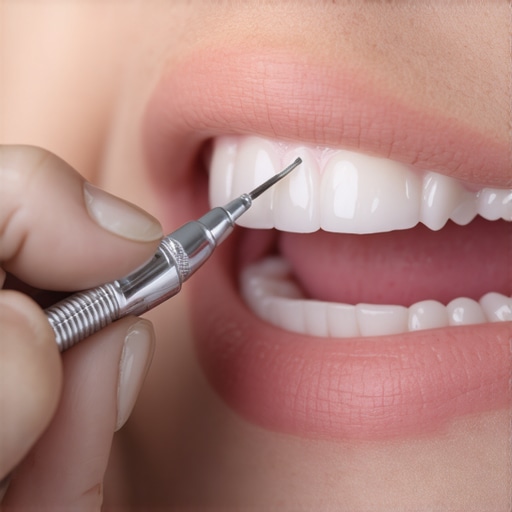
Keeping It Working: Tools and Techniques for Lasting Results
Maintaining your oral health over the years is much like tending a garden; it requires the right tools, consistent care, and an understanding of how each element contributes to overall well-being. As someone deeply rooted in dental practice, I’ve honed my arsenal of equipment and techniques to ensure my patients enjoy durable, beautiful smiles well into the future.
One of my top recommendations is investing in a high-quality electric toothbrush like the Sonicare DiamondClean. Its sonic technology provides superior plaque removal, especially in hard-to-reach areas, which manual brushing often misses—a crucial factor in preventing long-term issues. Coupled with an electronic timer, it ensures you brush for the optimal two minutes, making every session effective.
For flossing, I advocate for water flossers such as the Waterpik Ultra. They are particularly effective for families, especially those with braces or implants, as they gently remove debris and reduce bleeding gums. This tool complements regular brushing by targeting areas that traditional floss might overlook, promoting healthy gums and preventing periodontal disease.
In-office, I rely heavily on ultrasonic scalers during cleanings. These devices use high-frequency vibrations to remove tartar more thoroughly and comfortably than manual methods. Regular professional cleanings, approximately every six months, are essential to prevent the buildup that leads to cavities and gum disease, which can be insidious over time.
When it comes to cosmetic improvements, I often recommend at-home whitening kits with LED activation, which I customize for each patient. These kits, when used properly, can maintain a brighter smile between professional whitening sessions, which is vital for preserving confidence and aesthetic results. For professional whitening, I prefer LED-activated gel systems, as they minimize sensitivity and produce consistent, safe results.
How do I maintain [family] dental tools over time?
Cleaning your tools—whether at home or in the clinic—is key. Rinse toothbrush heads or replace them every three months, and disinfect water flossers regularly following manufacturer instructions. For in-office tools, sterilization protocols, including autoclaving, are non-negotiable to prevent cross-contamination. Regular maintenance not only prolongs the equipment’s lifespan but also ensures your ongoing safety and efficacy.
Looking ahead, the trend is moving toward smart dental devices that sync with mobile apps, offering real-time feedback and personalized coaching—making compliance both easier and more engaging. These technological advances will undoubtedly play a larger role in family dentistry, emphasizing preventive care and education.
Remember, a consistent routine with the right equipment makes all the difference. For more insights on maintaining your smile, visit this comprehensive guide. I encourage you to try upgrading your routine with one of these tools, like switching to a Sonicare toothbrush or adding a Waterpik, to experience the long-term benefits firsthand.
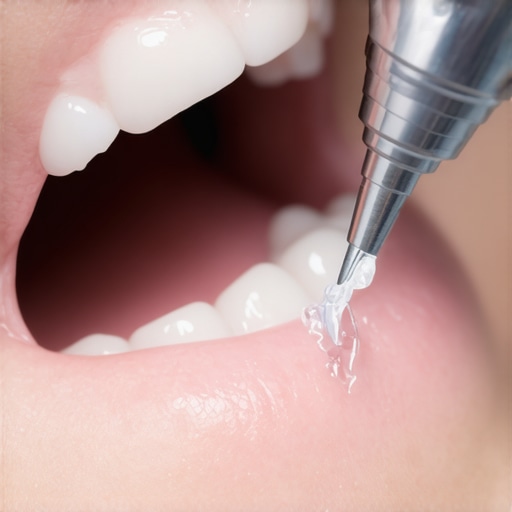
Proper tools and maintenance practices ensure that your efforts in oral hygiene pay off for years to come. Regularly inspect your equipment, replace worn-out components, and stay informed about emerging innovations to keep your smile shining and healthy. Remember, investing in the right tools today can save you from costly dental issues tomorrow.
What I Wish I Knew Before My First Dental Sedation
My biggest lightbulb moment was realizing that sedation isn’t a one-size-fits-all solution. Understanding the nuances between sedation and general anesthesia transformed my entire approach and made my experiences much smoother. This lesson taught me to ask deeper questions and advocate for personalized care, which is crucial for anyone navigating dental treatments.
Tools That Changed How I Maintain My Smile Daily
Investing in a high-quality electric toothbrush and water flosser revolutionized my oral hygiene routine. Trustworthy tools like the Sonicare DiamondClean and Waterpik Ultra aren’t just splurges—they’re essential for effectively preventing long-term issues. My advice: don’t underestimate the power of the right equipment combined with consistent habits.
What Truly Keeps Your Smile Bright Over the Years
Maintaining your dental health goes beyond brushing and flossing; it’s about understanding subtle signs like gum bleeding, enamel erosion, or bite issues. Recognizing these hidden cues early can save you from costly, invasive procedures later. Regular check-ups and a keen eye for what’s normal versus concerning are your best defense.
Make Yourself Shine: Embrace Experts’ Wisdom for a Lasting Smile
Personal growth in dental care stems from learning beyond the basics. Reading trusted sources like [this comprehensive guide](https://gentlesmiledentist.com/maintaining-oral-health-expert-advice-for-a-lifetime-of-healthy-teeth) or consulting with your dentist can uncover nuanced insights that truly make a difference. Remember, your smile deserves continuous, informed attention.
Your Next Step Towards Confident Smiles Starts Today
Action breeds confidence—so take that first step with an open mind and a proactive attitude about your oral health. Whether it’s scheduling an extra cleaning or exploring cosmetic options, your efforts today lay the groundwork for a healthier, happier future. Don’t wait—your radiant smile is worth it!
Which area of your dental routine do you think could use a refresh or more attention? Let me know below and share your experiences!