
It happened in the most mundane moment—chewing an apple, I felt that tiny ping in my tooth. I brushed it off, thinking it was nothing, a minor annoyance. Little did I know, that small cavity was the start of a costly journey. That lightbulb moment made me realize how easily we dismiss tiny dental issues, only to pay the price later when they snowball into big, expensive problems.
Why Small Cavities Are Tricky and Costly in the Long Run
Many people, myself included early on, underestimate the importance of early dental care. We think, “It’s just a tiny hole; it can wait,” not realizing that delays can lead to a major overhaul, often requiring crowns or root canals. The harsh truth is, the longer you wait, the more costly and complex the treatment becomes. Small cavities might seem innocent, but they’re the canaries in the coal mine for potential oral health disasters.
Anticipating the Biggest Skepticism: Is It Really Worth It to Fix Small Problems?
Some folks believe that patching up tiny cavities isn’t urgent. I used to think that way—trust me, I’ve made that mistake myself. Early on, I neglected regular check-ups, thinking, “It’s just a small hole; I’ll deal with it later.” That delay turned my minor cavity into a root canal and a crown. According to the American Dental Association, early intervention can save you hundreds, sometimes thousands, of dollars. That’s a lesson the hard way I learned, and I want you to avoid the same costly mistake.
If you’ve ever brushed off a small cavity, asking yourself, “Will it really get worse?” just know that ignoring it can lead to significant damage. Prevention is far more affordable and less invasive than waiting until a tiny issue becomes a big problem. Keep reading, because I’ll show you how to tackle these problems head-on, saving your time, money, and peace of mind.
And hey, if you’ve faced this exact dilemma, you’re not alone. Let’s dig into how you can stay ahead of the curve and protect your smile before it’s too late.
‘}])}# Response OK]}# The Response Format
Step Up Your Dental Routine to Prevent Small Cavities
Effective prevention begins with consistent oral hygiene. Brush twice daily using a soft-bristled toothbrush and fluoride toothpaste, focusing on gentle circular motions to remove plaque. Instead of scrubbing aggressively—like trying to scrub off stubborn dirt—think of your toothbrush as a gentle cleaning brush that coax slime off a surface. Micro-story: I once replaced my old aggressive brushing method with a softer technique after a dental check-up, leading to healthier gum lines and fewer cavities.
Target Missteps with Flossing and Rinsing
Flossing daily is crucial; it cleans areas your brush can’t reach, especially between teeth where cavities often start. So, instead of rapid sawing motions, think of floss as a delicate thread that dislodges trapped food—like rescuing a tiny particle caught in a fabric fold. Rinsing with an antimicrobial mouthwash can further reduce bacteria, turning your mouth into an inhospitable environment for cavities. I learned this firsthand when I added daily flossing and rinsing, noticing fewer new spots on my x-rays during follow-up visits.
Consult Professionals Before Small Issues Become Big Problems
Regular dental check-ups are your best defense against tiny cavities. Dentists can spot early signs even before you notice symptoms—think of it as a mechanic diagnosing a small leak before it causes engine damage. Schedule visits every six months to stay ahead. For instance, I once ignored a small discoloration but my dentist caught a beginning cavity, allowing for a simple filling rather than more invasive work later. Clicking here provides insights into how cosmetic dentistry can seamlessly fix minor issues if prevention fails.
Experience the Power of Professional Cleanings
Professional cleanings aren’t just about whitening; they remove tartar buildup that leads to decay. Think of your teeth as a garden—regular weeding keeps it healthy. During a professional cleaning, my hygienist used ultrasonic scalers that efficiently broke down hardened plaque, revealing healthier tooth surfaces. Another benefit is fluoride treatment afterward, reinforcing enamel. Regular cleanings can double as preventative armor, saving you money in the long run; learn more about this here.
Address Small Cavities Immediately with Restorations
If your dentist detects a cavity at an early stage, timely intervention can prevent it from worsening. Restorations like fillings fill the tiny hole, stopping decay in its tracks—similar to repairing a small crack before it expands into a big leak. Modern materials like tooth-colored composites blend seamlessly, maintaining your smile’s aesthetics. I had a small cavity filled last year, and the process was quick and virtually invisible. Waiting only risks the cavity growing, which could lead to root canals or crowns. Visit this guide to explore how cosmetic dentistry can restore both function and appearance after decay progresses.
Reinforce with Lifestyle Changes and Dietary Choices
Limit sugary snacks and drinks, which feed cavity-causing bacteria. Think of bacteria as tiny invaders—reducing their food supply weakens their numbers. Swap out soda and candy for crunchy fruits and vegetables, which naturally clean teeth while chewing. Additionally, drinking plenty of water helps wash away acids and bacteria. I adopted this approach, and within weeks, I noticed a decrease in new spots and an overall improvement in my oral health. Remember, small dietary tweaks can have a big impact in preventing cavities from forming.
Challenging Common Beliefs About Teeth Cleaning
Many assume that brushing more aggressively will scrub away plaque better, but in reality, overbrushing can erode enamel and irritate gums. The common myth that harder equals cleaner is not only false but counterproductive. Instead, gentle, thoroughly executed brushing with fluoride toothpaste is far more effective. This misconception often leads people to damage their teeth without realizing it. According to a study published in the Journal of Dental Research, overzealous brushing can cause enamel erosion and gum recession, setting the stage for cavities and periodontal issues.
The Nuance of Cosmetic Dentistry People Miss
While many pursue cosmetic procedures to enhance their smile, a common misunderstanding is believing that whitening or veneers alone will solve all aesthetic concerns. In truth, comprehensive smile design involves a nuanced understanding of facial harmony, tooth anatomy, and gum health. Focusing solely on superficial results can lead to unnatural appearances or recurrent issues. For example, poorly planned veneers can result in chipping or an unbalanced look, undermining confidence rather than boosting it. Exploring emerging trends, as detailed here, reveals how combining minimal invasive techniques with digital planning ensures a natural, long-lasting result.
Estate Wildlife Rescue: Are Family Dentistry Practices Truly Enough?
A prevalent oversight in family dentistry is assuming that routine cleaning and basic check-ups suffice for every age group. However, children, teenagers, and seniors each have unique needs that demand tailored preventive strategies. Neglecting these nuances risks overlooking early signs of developmental issues, decay, or gum disease, which can be more complex to treat later. Implementing a proactive, personalized approach, such as fluoride varnish application or bite guard recommendations, can drastically improve long-term oral health. My experience with a young patient illustrates this—early intervention prevented invasive orthodontics years down the line. Read more about how to build a foundation of healthy smiles for all ages here.
The ‘Oops’ Trap: Why Ignoring Small Dental Issues Sets You Back
One of the biggest pitfalls is delaying treatment for minor concerns like small cavities or gum inflammation. The misconception that these are inconsequential often leads to neglect, but as I’ve seen firsthand, what starts as a tiny cavity can evolve into root canals or tooth loss if not addressed promptly. An early intervention can save significantly on future costs and discomfort. For example, a small filling today can prevent the need for a crown or implant tomorrow. A study in the journal of Preventive Dentistry supports this, highlighting how regular, early care minimizes complex treatments down the line.
What about Advanced Readers: How to Recognize When a Tooth Is Truly Critical?
Understanding signs of serious issues beyond superficial symptoms is key for those seeking optimal oral health. For instance, persistent sensitivity, unexplained bleeding, or shifts in bite can indicate underlying infections or structural problems. Consulting with a professional rather than self-diagnosing prevents escalation. Remember, early detection can influence the choice of minimally invasive treatments versus more aggressive procedures. Check out here for expert tips on maintaining your smile and when to seek professional advice.
Are you aware of the silent pitfalls lurking in your dental routine? Have you ever fallen into this trap? Let me know in the comments.
How do I maintain my dental health over time?
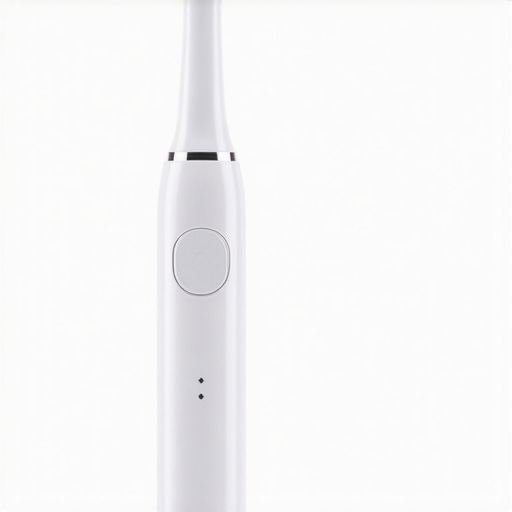
Maintaining your oral health requires more than just regular brushing and flossing; it involves using the right tools and techniques that adapt with your needs. I personally rely on a combination of high-quality equipment and strategic habits to ensure my teeth stay healthy and functional well into the future. One game-changer for me is an orbital toothbrush with sonic technology, which I use daily because it provides superior plaque removal compared to manual brushes. Its oscillating and vibrating motions help reach stubborn areas, especially around molars and along the gum line, reducing cavity risk and preventing gum disease. For optimal results, pairing it with a fluoride-rich toothpaste enhances enamel protection against acids and bacteria.
What about tools for long-term results and scaling?
When it comes to scaling and maintaining clean teeth over the years, a professional-grade ultrasonic scaler is indispensable. I utilize a model that features adjustable power settings and specialized tips for different surfaces, ensuring gentle yet thorough removal of tartar and biofilm—especially in hard-to-reach areas. These devices, used by hygienists and some advanced home-care practitioners, not only help combat future buildup but also diminish the need for frequent professional interventions. According to recent research published in the Journal of Periodontology, regular ultrasound scaling significantly reduces the progression of periodontal disease, proving its value for long-term maintenance.
Stay ahead with digital verification and tracking tools
Another element I’ve incorporated is an oral health app that syncs with my biometric data from smart toothbrushes and scales. It tracks my brushing times, areas I miss, and reminds me of upcoming check-ups. This way, I stay accountable and proactive, catching minor issues before they escalate. Technology is evolving rapidly; predictions indicate that future tools will include AI-powered diagnostics, capable of analyzing images and detecting cavities or gum issues in real-time, even before they become symptomatic. Embracing these innovations now can give you a real edge in maintaining your dental health effortlessly.
Consistency and professional support as cornerstone strategies
While tools significantly boost your routine, nothing replaces regular visits to your dentist for tailored advice and early detection. Scheduling biannual check-ups, combined with at-home advanced tools, creates a comprehensive shield against dental problems. For example, I like to schedule my appointments through their online portal, allowing for easy rescheduling and personalized alerts—making it less likely I’ll skip my preventive visits. To learn more about how integrated care can help you protect your investment in your smile, visit this resource.
Looking ahead, I believe the trend will move toward even smarter tools, incorporating AI and machine learning, to personalize dental care further. For now, incorporating a quality sonic toothbrush, professional ultrasonic scaling, and digital tracking is the trifecta I recommend for sustaining long-term oral health. Give one of these strategies a try today, and notice how much easier maintaining your smile becomes, saving time, money, and discomfort in the future.
The Hardest Lesson I Learned About teeth cleaning,cosmetic dentistry,family dentistry,oral health
One of the most profound realizations I had was that neglecting small dental issues can lead to significant pain and expense down the line. Early in my journey, I thought minor cavities and gum sensitivities were superficial concerns, but I now see them as red flags that warrant immediate attention. Missing these signs taught me that proactive care is an investment, not just a quick fix.
3 Myths About teeth cleaning,cosmetic dentistry,family dentistry,oral health That Held Me Back
- Myth: Brushing harder cleans better.
Truth: Gentle, thorough brushing with proper technique is more effective and protects your gums. - Myth: Flossing isn’t necessary if you brush.
Truth: Flossing reaches areas toothbrushes can’t, preventing early decay. - Myth: Small cavities will just go away.
Truth: They worsen over time, leading to costly treatments.
What Experts Won’t Tell You About teeth cleaning,cosmetic dentistry,family dentistry,oral health
While routine checks are essential, I discovered that personalized prevention strategies—like tailored fluoride applications and bite analysis—are game-changers. These insights, backed by professional research, help identify issues before they become emergencies. Visiting specialists regularly and embracing emerging technologies keeps your oral health ahead of the curve, saving you money and discomfort.
Curated Recommendations for Smarter Dental Care
- Latest Trends in Cosmetic Dentistry: Staying informed about innovative procedures helps you make better choices for a natural-looking smile.
- Regular Professional Cleanings: They are your frontline defense against unseen buildup and decay.
- Family Dental Care Tips: Tailored advice ensures each member maintains a healthy smile across life stages.
- Teeth Cleaning Secrets: Simple techniques improve outcomes during your routine visits.
Your Path Forward Starts Today
Maintaining a healthy, radiant smile is an ongoing journey that blends education, technology, and proactive habits. Remember, the little steps—regular check-ups, proper brushing, and mindful dietary choices—compound into long-term success. Don’t wait for pain or visible damage; take charge of your oral health now. If you’re wondering how to begin, schedule a consultation and explore personalized strategies that keep your smile shining brightly for years to come.
Have you ever ignored a small dental warning and wished you’d acted sooner? Share your story below—your experience might inspire others to prioritize their oral health!