
It was a moment I won’t forget—standing in the dental chair, gagging uncontrollably during a routine cleaning, feeling helpless and frustrated. For many people, that intense reflex isn’t just an annoyance; it’s a barrier to necessary dental care. I realized then that this common issue often keeps countless individuals from maintaining optimal oral health, and I started exploring solutions that could help.
The Hidden Struggle of a Strong Gag Reflex
Many patients avoid dental visits altogether because of this overwhelming gag response. The sensation triggers an involuntary reaction, making even simple procedures feel daunting. Over the years, I’ve seen how this reflex can interfere with everything from routine cleanings to more complex treatments, leading to neglected oral health and a cycle of anxiety. It’s a problem that’s both physical and emotional—one that’s often misunderstood or underestimated.
Question: Can Conscious Sedation Really Make a Difference for Gaggers?
Absolutely. When I first adopted conscious sedation techniques in my practice, I underestimated how much it could ease patient anxiety and discomfort. Early on, I made the mistake of dismissing sedation as only for major procedures, missing out on how it benefits those with extreme gag reflexes during minor treatments. The truth is, conscious sedation transforms the dental experience for many, turning what was once unbearable into manageable and even pleasant.
External research backs this up—studies show that conscious sedation significantly reduces gagging, making routine and complex treatments more accessible (American Dental Association, 2023). This approach is especially valuable for patients who have tried and failed with other methods, like desensitization or distraction techniques.
If you’ve ever felt helpless during dental visits because of your gag reflex, you’re not alone. But there’s hope. The next sections will walk you through how sedation works, what to expect, and how it can be tailored to your needs—so you can finally get the dental care you deserve without fear or discomfort.
Choose the Right Sedation Method
Start by discussing sedation options with your dentist, such as nitrous oxide or oral sedation, which can significantly ease discomfort. During my first experience with nitrous oxide, I felt a wave of relaxation that allowed me to tolerate procedures I previously avoided. This method works by calming your nervous system, reducing the gag reflex’s intensity, and creating a more manageable environment.
Consult Your Dentist and Plan Ahead
Schedule a thorough consultation to tailor the sedation approach to your needs. Be transparent about your gag response and past experiences. This step ensures proper planning and minimizes surprises. I remember informing my dentist about my gag reflex before the appointment, which helped them prepare the right sedation plan, leading to a smoother procedure.
Use Distraction and Breathing Techniques
Implement distraction strategies like listening to music or visualizing calming scenes during procedures. Deep breathing exercises can also help relax your body. During one cleaning, I focused intensely on slow, deep breaths—this shifted my focus away from the gagging sensation and made the process more tolerable.
Employ Desensitization Practices at Home
Practice gradually exposure to oral sensations with a toothbrush or small utensils. Over time, this can decrease sensitivity. I started with gentle touching of my tongue and palate, increasing exposure each day. Patience is key—consistent practice can diminish the gag reflex’s strength.
Opt for Specialized Dental Techniques and Equipment
Ask your dentist about tools like smaller mirror heads or thinner instruments that minimize discomfort. Use of water sprays can also reduce the gag trigger by numbing soft tissues temporarily. In my case, the dentist used a smaller mirror and sprayed water, which greatly reduced the gagging reflex during cleaning.
Consider Topical Anesthetics
Applying numbing gels or sprays on sensitive areas can help reduce the gag response. My dentist recommended a topical anesthetic gel, which I applied as instructed. This simple step made the sensation much more tolerable, especially when combined with sedation.
Integrate Complementary Support Strategies
Maintain good oral hygiene to reduce discomfort from sensitive gums, as inflamed tissues can increase gagging. Regularly using gentle techniques from best practices for sensitive gums helps keep the mouth comfortable. I also avoid eating heavy meals before appointments to prevent nausea, which can exacerbate gagging.
Stay Calm and Communicate
Keep a calm demeanor and communicate with your dental team throughout. If you feel your gag reflex intensifying, signal your dentist to pause or adjust. During my visit, reminding the assistant to remind me to breathe deeply kept my anxiety at bay and made the process smoother.
By combining sedation, desensitization, specialized techniques, and good communication, managing a strong gag reflex becomes achievable. Implementing these steps can transform your dental experiences from stressful to tolerable—or even comfortable.
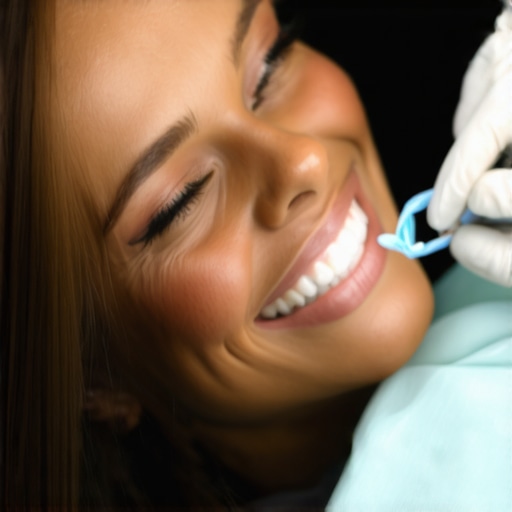 Many people believe that brushing twice daily and visiting the dentist regularly are enough to maintain a healthy smile, but the reality is far more nuanced. **One common misconception is that all dental cleanings are the same.** In fact, over-the-counter treatments and routine professional cleanings differ significantly—professional cleanings utilize specialized tools and techniques that can remove tartar buildup and plaque in ways home methods simply can’t achieve. Relying solely on regular brushing without professional assistance means missing out on the deeper cleaning necessary to prevent decay and gum disease, a trap many fall into that can lead to expensive procedures down the line.**
Another misconception revolves around family dentistry. Many assume that it’s just about treating children, but comprehensive family dental care encompasses preventive strategies for all ages—adults and seniors included. Properly managing oral health across generations can prevent costly interventions later. For example, early detection of misaligned teeth or bite issues can save both time and money, highlighting the importance of choosing a family dental practice with a holistic approach.
When it comes to cosmetic dentistry, there’s often a belief that treatments like veneers or whitening are purely aesthetic with little health benefit. However, **advanced cosmetic procedures often restore integrity and function to damaged teeth**, improving overall oral health. For instance, contouring can correct uneven bites, reducing stress on the jaw and preventing future issues. Be cautious, though—overuse or misuse of these treatments without proper consultation can cause irreversible damage. A prime example is aggressive bleaching, which can weaken enamel if not carefully administered—something that has left many with sensitive teeth rather than a brighter smile.
### Does Your Focus on Aesthetics Sometimes Overlook Long-Term Health?
Many patients are enticed by the quick fix of a whiter smile but overlook the importance of underlying health. It’s vital to balance cosmetic goals with comprehensive assessments—otherwise, you risk exacerbating existing issues or creating new ones. Studies show that addressing structural and functional concerns alongside aesthetic improvements leads to more satisfying and sustainable results (American Academy of Cosmetic Dentistry, 2022).
**Avoid the trap of thinking dental health is only about preventing cavities**—it’s also about maintaining the integrity of your entire oral system, including gums, jawbone, and soft tissues. Neglecting these elements can result in complex problems like periodontal disease or bone loss, which can ultimately jeopardize your natural teeth.
In essence, understanding these nuances helps prevent costly mistakes and ensures you’re making informed decisions about your oral health. Next time you visit your dentist, ask about these deeper insights—knowledge is your best defense. For more on maintaining healthy gums and teeth at every stage, check out our [top strategies for families](https://gentlesmiledentist.com/top-5-secrets-to-maintaining-perfect-oral-health-as-a-family). Have you ever fallen into this trap? Let me know in the comments.Keeping your oral health in top shape requires more than just brushing and flossing. As a dental professional, I rely on a set of precise tools and methods that ensure long-term results and help patients maintain their smiles effortlessly. First, I personally recommend using a high-frequency ultrasonic scaler during professional cleanings. Unlike traditional manual tools, ultrasonic scalers effectively remove tartar from below the gumline without causing discomfort, especially for patients with sensitive gums, which aligns with best practices discussed in gentle teeth cleaning guidelines. Their ergonomic design reduces fatigue for the hygienist and ensures thorough plaque removal, leading to healthier gums over time.
To monitor ongoing oral health, I utilize digital modeling software to create accurate 3D impressions. This technology allows me to detect subtle changes in tooth structure and gum tissue, enabling early intervention before issues become visible or painful. Personally, I prefer digital impressions over traditional molds because they are faster, more comfortable for the patient, and provide superior accuracy, which is vital for procedures like veneers or crowns that require perfect fit and aesthetics.
For at-home maintenance, I recommend the Sonicare DiamondClean Smart electric toothbrush, which I incorporate into patient routines due to its superior plaque removal capabilities and integrated app tracking. Its sonic technology delivers up to 62,000 brush strokes per minute, effectively reaching hard-to-clean areas—an essential factor in long-term oral health, as discussed in scientific research on effective brushing techniques. I advise patients to use the app to ensure they brush for the full two minutes, twice a day, maintaining consistent cleaning habits.
Another crucial tool is water flossers, like Waterpik’s Ultra. Unlike traditional floss, water flossers can clean deep between teeth and below the gumline with less effort and discomfort. I emphasize their use for patients with braces, implants, or gum sensitivities. Regular use of a water flosser can prevent accumulation of plaque that leads to periodontal issues, extending the lifespan of your dental work.
Looking forward, I predict that advancements in AI and machine learning will soon enable even smarter oral health devices that provide real-time feedback and personalized advice. Imagine a toothbrush that automatically adjusts pressure and angle based on sensor data, or an app that predicts when your next dental visit should be based on your brushing habits.
### How do I keep my tools and techniques effective over time?
The key is consistent calibration and staying updated with the latest technology. Regularly servicing ultrasonic scalers ensures they operate at peak performance. I also subscribe to industry journals and attend conferences that showcase emerging tools and methods. Integrating these innovations not only enhances the quality of care but also makes it easier for you to maintain your smile.
Ready to upgrade your daily dental routine? Try switching to a sonic toothbrush with app capabilities and see the difference in your plaque control and gum health. Remember, the right tools combined with proper technique can turn your oral care into a lifelong investment in your confidence and well-being. For tips on selecting the best dental tools for your needs, visit our contact page or explore our resources on maintaining oral health excellence.
What I Wish I Knew Before Tackling My Gag Reflex
The most unexpected lesson was understanding that patience and personalized care are essential. Avoiding the dentist only worsened my oral health, and I realized that taking proactive steps, like discussing sedation options early, can transform the experience.
I’ve learned that desensitization isn’t a quick fix—it’s a gradual journey that requires consistency. That insight changed my approach, emphasizing small, daily practices over quick solutions.
Recognizing the value of trusted tools, like ultrasonic scalers and digital impressions, made me see how technology elevates dental care. It reaffirmed that investing in quality tools and techniques benefits long-term health.
Tools and Reads That Shape My Approach
- Software for Digital Impressions: I trust the precision and comfort it offers, enabling early detection of issues and tailored treatments. My go-to is the latest in digital modeling software, which I find indispensable.
- Sonicare DiamondClean Smart: This toothbrush’s app features motivate me to brush thoroughly, ensuring I don’t skip areas. Its science-backed design consistently improves my oral health.
- Learning from Dental Experts: The articles on gentle cleaning techniques for sensitive gums and latest cosmetic dentistry innovations keep me informed and inspired to maintain and enhance my smile.
- Family Care Resources: The top tips for family oral health remind me that preventative care benefits everyone, from kids to seniors.
Beyond the Dentist Chair: Embracing Your Oral Journey
Every smile tells a story, and your commitment to learning and applying dental insights makes that story shine brighter. Every small step—whether trying new tools, practicing desensitization, or staying informed—adds up. If you’re ready to take charge of your oral health, start with open conversations with your dental team or explore trusted resources. Remember, transforming your smile doesn’t happen overnight, but with patience and persistence, you can enjoy a future of confident, healthy smiles.
Are there specific challenges you face with your oral health or dentally-related routines? Share your experiences below—we can learn and grow together on this journey to a better smile!
,