
It was a morning like any other when I suddenly felt a sharp sensitivity in my teeth after biting into my favorite apple. That uncomfortable jolt made me stop in my tracks. I used to think that biting into fruits was harmless, even beneficial for my health. Little did I realize, I was inadvertently setting myself up for enamel erosion before I even brushed.
Why Fruit Might Be Sabotaging Your Smile Before You Start Brushing
Many of us enjoy the tangy zest of citrus or the crisp sweetness of apples, believing they’re a healthy snack. But during my early days of trying to maintain good oral health, I made a costly mistake: I didn’t consider how acidic fruits can temporarily soften enamel—the hard protective layer that shields our teeth. This realization was a lightbulb moment for me. The acidity in fruits can cause a process called demineralization, weakening your enamel just when you’re about to brush it clean. The problem? Brushing immediately after consuming these fruits can actually do more harm than good.
Is Fresh Fruit Actually Worth the Hype
Honestly, I used to be skeptical about this advice—thinking, “Surely, a bit of fruit won’t hurt.” But studies show that the acids in many fruits can lower the pH level in your mouth, making it more susceptible to erosion. According to research from the American Dental Association, brushing too soon after acidic meals or snacks can abrade already softened enamel, leading to increased sensitivity and decay. My early mistake was neglecting this fact and brushing right after eating, which compounded the enamel’s vulnerability.
If you’ve ever experienced discomfort after snacking on fruit and then brushing, you’re not alone. I want to help you avoid the same pitfalls I did. In the sections to come, I’ll share practical steps to protect your enamel and tricks to make fruit a truly healthful part of your diet without risking your smile. But first, let’s address a common concern: is all this fuss really necessary, or are these claims hyped up? Stay tuned, because understanding the role of acidity and timing can transform your oral care routine and keep your teeth looking their best.
Delay Brushing After Acidic Snacks
After enjoying a slice of citrus or a crisp apple, wait at least 30 minutes before brushing your teeth. During this period, your enamel is in a softened state due to acidity. I once overlooked this advice and immediately brushed after a fruit snack, which felt like scrubbing my teeth with a toothbrush on sandpaper—leading to increased sensitivity and even small chips. To prevent this, set a timer and avoid brushing during this critical window, allowing saliva to naturally remineralize and re-harden your enamel.
Use Remineralizing Rinses and Chewing Gum
To speed up recovery, incorporate remineralizing mouthwashes containing fluoride or calcium phosphate into your routine. Chewing sugar-free gum stimulates saliva flow, delivering minerals to your enamel. I started using a fluoride rinse after meals and was surprised to notice fewer sensitive spots within a week. This simple step strengthens your teeth without costly procedures and serves as a mini shield against erosion.
Incorporate Protective Foods and Supplements
Eating foods rich in minerals like calcium and phosphate helps reinforce enamel. Think cheese, almonds, and leafy greens. During a family outing, I brought along a cheese platter, and my kids snacked on it after fruit consumption, which helped buffer the acidity. Additionally, consider oral health supplements if dietary intake is lacking. These nutrients are like the construction workers reinforcing the walls of your mouth’s fortress, making it more resistant to acids and wear.
Adjust Your Brushing Technique
Use a soft-bristled brush with gentle strokes—imagine polishing glass rather than scrubbing a stained pot. I once tried to clean my teeth with an aggressive scrub, which only increased sensitivity. Switching to a gentle, circular motion minimizes enamel loss and gum irritation. Remember, overzealous brushing can damage your enamel more than any fruit acid can.
Schedule Professional Teeth Cleanings Regularly
Professional cleaning removes plaque and tartar that harbor acids and bacteria. It also checks for early signs of erosion or decay. I scheduled a session with my dentist and learned that polishing with special pastes can re-harden enamel’s surface. Regular visits—at least twice a year—are your best defense against unseen damage, keeping your smile bright and resilient.
By adopting these straightforward, actionable steps—waiting before brushing, enhancing remineralization, choosing supportive foods, refining your brushing technique, and visiting your dentist—you create a robust defense for your teeth against acid erosion. These practices are easy to integrate into daily life and significantly extend the health of your enamel, ensuring a brighter, more comfortable smile in the long run.
,While many believe that a sparkling white smile is solely a matter of frequent brushing and whitening treatments, the truth runs much deeper. A common misconception is that cosmetic dentistry is just about aesthetics, but in reality, it involves understanding subtle nuances that can dramatically impact your oral health and longevity of procedures. For instance, many underestimate how the choice of materials in veneers or crowns affects both appearance and durability. Materials like porcelain and zirconia differ not just in looks but also in their interaction with your natural teeth and gums, influencing long-term success. Exploring these details is crucial for making informed decisions—more than just a cosmetic layering but decisions rooted in biocompatibility and functional integration. Have you ever wondered if your dentist’s choice of veneer material is optimized for your unique situation? Dive deeper into latest innovations in cosmetic dentistry to discover what truly matters for lasting results.
Another often overlooked aspect is the importance of proper occlusion—how your teeth come together. Misaligned bites may seem minor but can lead to uneven wear, TMJ issues, or even tooth fractures over time. Many assume that straightening teeth with braces or aligners is purely aesthetic; however, aligning your bite optimally is essential for long-term oral health and can prevent costly repairs later. A nuanced understanding of occlusion is what separates good results from great ones. Want to learn how expert-level dentists approach this subtle yet vital factor? Visit how orthodontic treatment preserves dental integrity.
Common myths also persist around teeth whitening methods. Many believe that peroxide-based products are the only safe options, but this can be misleading. Using overly aggressive bleaching agents or frequent bleaching without professional guidance can weaken enamel or cause sensitivity. Advanced techniques now incorporate low-peroxide formulations and special delivery systems that maximize efficacy while minimizing risks. Recognizing these nuances empowers you to choose treatments that protect your oral tissue long-term. Curious about how to whiten your teeth safely and effectively? Check out expert advice on whitening with sensitive gums.
Moreover, many fail to realize that oral health is intertwined with overall body health. Chronic inflammation caused by neglected gum disease can contribute to systemic issues like heart disease or diabetes. The common mistake is to treat gum problems as isolated issues, overlooking that comprehensive family dentistry that emphasizes prevention can save money and health in the long run. Good family dentistry isn’t just about treating cavities but about creating a foundation of lifelong oral wellness for all ages. For tailored strategies, explore family dental care tips that make a difference.
Finally, some practitioners underestimate the importance of advanced cleaning techniques. Standard dental cleanings remove plaque but may miss subgingival deposits that harbor bacteria causing periodontal disease. Modern approaches like ultrasonic scaling and laser therapy are more effective at targeting hidden buildup, thereby preserving your natural teeth longer. Skipping these expert procedures can be an expensive mistake, especially for those at higher risk of gum issues. Learn why not all cleanings are created equal.
Understanding these subtle, often overlooked factors can transform your approach to oral health. Instead of settling for superficial solutions, embracing advanced knowledge ensures that every aspect of your dental care contributes to a healthier, more resilient smile. Have you ever fallen into any of these traps? Let me know in the comments.Maintaining your oral health over time requires more than just regular brushing and flossing; it demands the right set of tools and techniques to ensure long-term success. One of my go-to devices is the **water flosser**, specifically models like the Waterpik Aquarius, which I personally use daily. Unlike traditional string floss, it effectively cleans between teeth and below the gumline, reaching areas that often harbor plaque. The pulsating water helps disrupt bacteria and debris, reducing inflammation and bleeding—even in hard-to-reach spots. Incorporating a high-quality **electric toothbrush** like the Oral-B Genius X into my routine has also made a significant difference. Its oscillating-rotating technology ensures thorough plaque removal without over-aggressiveness, protecting my gums and enamel. Beyond tools, I rely on software like the *Smile Reminder App*, which tracks my dental appointments and alerts me to personalized care tips based on my dental history. Regular professional assessments using intraoral cameras allow me to identify early signs of issues like enamel erosion or gum recession—allowing for timely intervention. Looking ahead, advancements in **AI-powered diagnostic tools** are poised to personalize and optimize long-term oral health maintenance even further, tailoring treatments to individual risk profiles. 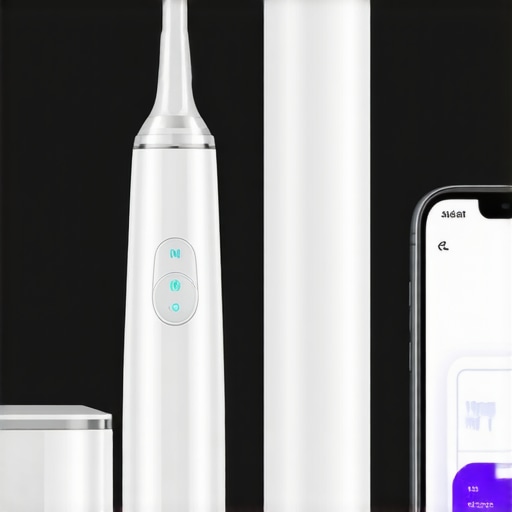 So, how do I maintain these tools over time? For starters, I schedule biannual replacements of my water flosser tips and periodically update my electric toothbrush heads to maintain optimal performance. Proper storage and adherence to manufacturer cleaning instructions prevent bacterial buildup and ensure longevity. Additionally, I keep software and apps synchronized and up-to-date to benefit from the latest features and recommendations. From a practical perspective, investing in high-quality equipment and committing to regular maintenance routines have helped me sustain a healthy smile for years. If you’re serious about long-term results, I highly recommend trying the water flosser technique, which has been shown in clinical studies to improve gum health significantly—more than traditional flossing alone. Explore detailed insights into advanced dental tools and procedures at your ultimate oral health toolkit. Remember, a proactive approach transforms routine care into a durable shield for your teeth and gums, enabling a confident smile today and in the years ahead.
What I Wish I Knew About Oral Health—And Wish You Did Too
One of the most profound lessons I learned in my journey with cosmetic dentistry and family oral health is that the smallest details can have the biggest impacts. I once believed that brushing more often was enough, only to discover that timing, technique, and understanding acidity are equally vital. Tiny mistakes, like brushing immediately after consuming acidic foods, can silently erode your enamel. Recognizing these overlooked nuances has transformed how I approach my daily routine, and I hope sharing my insights helps you avoid common pitfalls.
Tools That Made All the Difference for My Smile
After years of trial, I found that strategic investments in quality tools—like a soft-bristled, circular toothbrush and a water flosser—significantly improved my oral health. I rely on resources such as your ultimate oral health toolkit for guidance on selecting the best devices. These tools aren’t just gadgets; they’re allies in maintaining the integrity of my teeth, especially when combined with professional cleanings and remineralizing rinses. Consistency with these tools has truly fortified my smile.
Stay Ahead With Knowledge That Empowers
The most emotional realization was understanding that proactive education and maintaining regular dental visits enable me to catch issues early. Knowing that advanced procedures like laser therapy can prevent long-term damage or that understanding occlusion helps avoid costly repairs made me feel more in control of my oral health. I’ve learned that staying curious and informed—by exploring trusted resources—turns routine care into a shield against time, decay, and habits that jeopardize my smile.
Seize Your Right to a Radiant, Lasting Smile
Armed with these lessons, I invite you to take charge of your dental wellbeing. Every healthy smile starts with small, mindful choices—delaying brushing after acidic foods, using proven tools, and seeking professional advice when needed. Whether you’re contemplating cosmetic enhancements or basic family dentistry, remember that informed decisions amplify your confidence and health. Your journey to a brighter, more resilient smile is uniquely yours. Are you ready to embrace these insights and make your oral health a true priority? Share your experience below—your story might inspire someone else to take that crucial step.