
I remember the exact moment it hit me—standing in my bathroom, toothbrush in hand, realizing I had neglected my oral health for too long. I’d always been diligent with teeth cleaning and visits to the dentist, but it wasn’t until a fleeting glance at my tongue and gums that I saw something off. A small, unnoticed bump, unfamiliar and unsettling. That lightbulb moment made me question—what else am I missing in my routine? That seemingly tiny discovery might have saved me from a much bigger problem. And now, I want to share a simple but powerful habit that can make all the difference.
The Little Check That Could Make a Big Difference
Every month, in the comfort of my own home, I dedicate a mere ten seconds to perform a quick check for oral cancer. It sounds almost too simple, doesn’t it? But this tiny routine is a game-changer. Given that oral cancer, when caught early, has a high survival rate—up to 83%—it’s worth investing just a moment of our time. The trick is not to catch everything, but to notice the subtle signs that often slip past even the most attentive eye during regular dental visits. Doing a quick check allows you to become familiar with your own mouth, making you attuned to any new or unusual changes that could warrant a professional look.
Is It Really Worth The Fuss?
I’ll admit, at first I thought, “It’s just ten seconds; how much can I really learn from this?” I was skeptical—until I made a mistake early on. I dismissed a small, painless white patch on my tongue as nothing. Weeks later, it grew larger and more noticeable. Had I trusted that instinct from the beginning, I could have caught a potential issue early. That mistake taught me the importance of paying attention, even to seemingly insignificant signs. That’s why I now firmly believe that this simple monthly check can be a vital step in preserving your overall health.
Curious about how to do this quick assessment correctly? Let’s dive into the easy steps that can help you detect warning signs early, potentially saving you from painful or costly treatments down the road.
,
Start With a Clear Mirror and Good Lighting
Choose a well-lit area in your bathroom and use a mirror that allows you to see all parts of your mouth clearly. A full-length mirror is best for inspecting your tongue and floor of the mouth. As I learned early on, proper lighting prevents missing subtle signs—like a small white or red patch—that could indicate early issues.
Examine Your Tongue Carefully
Stick out your tongue and look at its top, sides, and underside. Use your fingertips to feel for any lumps, thickened areas, or unusual bumps. I remember once noticing a tiny white spot on my tongue, which my initial glance dismissed. It was painless, but I made a mental note to keep an eye on it. If you find anything that persists beyond two weeks, schedule a visit to your dentist’s office, like contact us.
Check the Inside of Your Cheeks
Pull back your cheeks with clean fingers or a tongue depressor if you have one. Look for red or white patches, raw areas, or swelling. Feel for any lumps or firm areas that weren’t there before. This step is like inspecting the walls of a house for cracks—subtle signs can be easy to overlook but critical to notice early.
Inspect Your Gums and Hard Palate
Look around your gum line for bleeding, swelling, or discoloration. The hard palate, the roof of your mouth, should be uniformly pink. Any persistent white patches or ulcers should raise a flag. One time, I noticed a small, painless ulcer that lasted weeks; it turned out to be nothing worrisome after a dentist examination, but catching it early prevented future concerns.
Examine the Floor of the Mouth and Under the Tongue
Lift your tongue gently with a clean cloth or your fingers and look at the floor of your mouth. Feel for firmness or lumps. Remember, the floor of the mouth is a common site for early signs of oral cancer, so don’t miss this critical area. Doing this regularly, like I do, builds familiarity with your own mouth—making changes immediately noticeable.
Don’t Forget the Lips and the Area Around Them
Check your lips and surrounding skin for sores, discoloration, or thickening. Use a mirror for a detailed view. I once ignored a small crusty patch on my upper lip, dismissing it as dryness. Weeks later, it was more prominent, prompting an urgent appointment. Early detection can mean easier treatment and peace of mind.
What to Do When You Spot Something Unusual
If you notice any persistent red or white patches, sores that don’t heal, or lumps, document their appearance with photos and note their size and position. Then, schedule a professional examination—don’t ignore it. Remember, early detection saves lives, and every minute you spend can be crucial. Learn more about common oral health issues at this resource.
Keep Practicing Consistency and Attentiveness
Set a calendar reminder each month to perform your check. As I did, combine it with existing routines—like teeth cleaning—to make it a habit. Building this awareness is akin to tuning a musical instrument—small adjustments over time lead to a finely tuned result. Regular checks empower you to catch problems early and stay proactive about your oral health.
Remember, these simple steps can be life-saving, especially when combined with regular professional care. Stay vigilant, stay healthy, and make this quick but vital routine part of your monthly self-care.
Many people believe that brushing twice a day and visiting the dentist annually are enough to maintain optimal oral health, but this oversimplification can lead to misconceptions and overlooked risks. For instance, the myth that whitened teeth are permanently resistant to stains ignores the nuances of enamel porosity and lifestyle habits, such as coffee or smoking, which can quickly diminish their brightness. Advanced studies reveal that enamel thickness varies significantly among individuals, affecting how well whitening treatments work and how durable they are, emphasizing the importance of personalized dental care. Moreover, common mistakes include neglecting the subtle signs of gum recession or underlying bone loss, which are often misunderstood as mere cosmetic issues rather than indicators of serious periodontal disease needing early intervention.
One trap many fall into is assuming that regular teeth cleaning suffices to prevent cavities and decay, without considering the importance of targeted, professional debridement to remove biofilm beneath the gums. Overlooking this can accelerate periodontal pockets and eventual tooth loss. An expert-level insight is recognizing that family dentistry isn’t just about routine checkups—it’s about tailored preventative strategies that adapt as your family members grow, develop, and face different risks. You can learn more about how to optimize your family’s oral health at [family dentistry tips](https://gentlesmiledentist.com/family-dentistry-tips-that-make-oral-care-effortless-and-effective).
Have you ever fallen into this trap? Let me know in the comments.
Understanding cosmetic dentistry’s intricacies reveals that procedures like contouring or veneers are not solely aesthetic luxuries but carefully designed enhancements that consider bite function and long-term health. Many assume veneers are purely superficial, yet modern techniques integrate minimal reduction and advanced materials to preserve enamel integrity, reducing risks like sensitivity or veneer failure. Conversely, some believe that all whitening options are equal, but expert analysis shows that laser whitening offers faster results with more predictable outcomes, whereas over-the-counter solutions often lack consistency and can damage enamel if misused. For example, aggressive whitening can thin the enamel, increasing sensitivity and vulnerability to decay, which underscores the need for professional guidance.
A common mistake is opting for quick fixes over comprehensive assessments, which can lead to future complications requiring costly repairs. Specialists recommend combining aesthetic procedures with functional evaluations to ensure a harmonious, healthy smile. For an in-depth look at the future of cosmetic options, see [contouring and veneers](https://gentlesmiledentist.com/contouring-veneers-the-future-of-cosmetic-dentistry-revealed).
Paying attention to these advanced nuances ensures you’re making informed decisions that benefit your overall oral health. So, next time you consider whitening or veneers, ask your dentist about personalized options that suit your unique smile and health profile.
Maintaining your oral health beyond regular brushing and dental visits requires the right equipment and methods. Personal tools, when chosen thoughtfully, can significantly extend the results of professional cleanings and treatments, ensuring that your smile remains healthy and radiant for years to come. In this section, I’ll share the exact tools I personally recommend, explaining why they stand out and how they can make a real difference in your routine.
Invest in an Oscillating-Rotating Toothbrush for Daily Care
I swear by an electric toothbrush with oscillating-rotating technology, such as the Sonicare DiamondClean. Its high-frequency vibrations and round brush head effectively remove plaque more thoroughly than manual brushing. The consistent power helps reach areas that are often missed, like the back molars and between teeth, reducing the risk of cavities and gum disease. Moreover, its built-in timers encourage thorough brushing sessions, turning a routine chore into a precise, efficient process.
Use a Water Flosser for Deep Cleaning
While traditional flossing is vital, I find that a water flosser like the Waterpik Sonic-Fusion 2.0 combines the benefits of flossing and brushing in one device. Its pulsating streams gently remove debris and biofilm beneath the gum line, especially in tight spaces and around dental work. This tool is a game-changer for maintaining long-term periodontal health, particularly for individuals with braces, implants, or crowns. Regular use not only prevents gum recession but also boosts confidence, as it keeps the gum tissue firm and pink.
The Significance of Laser Cavity Detection Devices
In my practice, I incorporate advanced cavity detection using devices like DIAGNOdent. This laser fluorescence tool identifies early signs of decay that are often invisible to the naked eye or traditional X-rays. By catching microcaries early, I can recommend minimally invasive treatments, preserving more of your natural tooth structure. As research by the American Dental Association highlights, early intervention is key to avoiding complex restorations later on.
Integrating these sophisticated tools into your routine reinforces the importance of proactive care. They help you maintain a clean oral environment, prevent future issues, and keep your smile in top shape for the long haul. Remember, while investing in quality equipment is beneficial, consistent use and proper techniques are equally critical. If you’re unsure how to optimize your daily routine, consider consulting your dental professional for personalized advice.
How do I maintain my tools over time?
Proper maintenance of your oral health tools extends their lifespan and maintains their effectiveness. Regularly replace brush heads every three months or sooner if bristles wear out, and keep devices dry and clean after each use to prevent bacterial buildup. Follow manufacturer guidelines for specific cleaning instructions—most recommend rinsing thoroughly and disinfecting with alcohol wipes periodically. This simple upkeep ensures your tools perform optimally, supporting your long-term oral health strategy. Biannual professional checkups can also include assessments of your home care devices, ensuring you’re utilizing them correctly and replacing parts when necessary. Curious about the latest innovations? Check out upcoming trends like ultrasonic toothbrushes and AI-powered dental diagnostics that are shaping the future of at-home oral care.
By embracing these advanced tools and maintaining them diligently, you’re investing in a future where dental problems are caught early, treatments are less invasive, and your smile remains beautiful and healthy. For personalized recommendations or professional guidance, don’t hesitate to reach out to your dentist. Taking constant, informed action today sets the foundation for lifelong oral well-being.
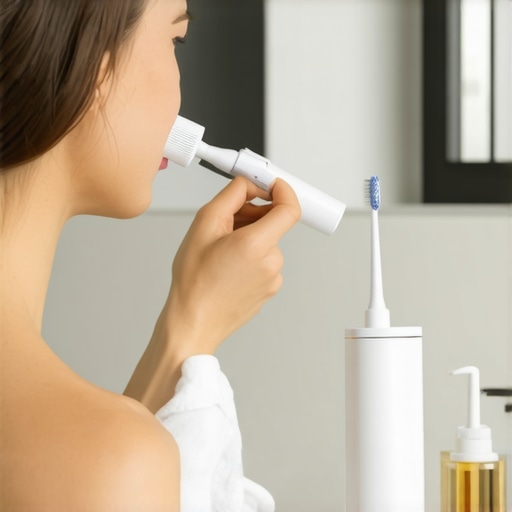
Lessons That Changed My Perspective on Oral Care
- Early on, I believed regular brushing and flossing were enough—until I realized subtle signs like gum discoloration or tiny bumps often go unnoticed but are critical indicators of underlying issues. Paying attention to these small cues can transform your dental health.
- My biggest lightbulb moment came when I saw how personalized dental care, including routine assessments for cosmetic considerations, can prevent more invasive procedures later—saving time, money, and discomfort.
- discovering that many common myths about teeth whitening and veneers can lead to poor choices—I learned the importance of consulting professionals who tailor treatments to your unique smile instead of relying solely on over-the-counter products.
Tools and Resources That Elevate My Oral Routine
- Electric Toothbrushes with Gentle Modes: They clean more effectively and are kinder to sensitive gums, an essential aspect I personally trust for daily care.
- Water Flossers: Devices like the Waterpik have helped me reach areas traditional floss can’t, especially around dental work—boosting overall health and confidence.
- Laser Cavity Detectors: Utilizing advanced tools in professional settings has revolutionized early cavity detection, emphasizing the importance of regular dental visits with high-tech diagnostics.
- Educational Resources on Family Dentistry: Sites and books that offer tailored tips for all ages help me maintain a proactive approach to family oral health, ensuring everyone stays on top of their routine.
Take Action for Your Smile’s Future
Remember, your smile is a vital part of your identity and confidence. Embrace these insider insights and curations to elevate your dental care—your future self will thank you. Don’t wait for problems to surface; act now and make a habit of attentive, personalized oral health practices. Ready to boost your smile? Start today, and feel empowered on your journey toward lifelong dental wellness.
Have you ever discovered a small sign that turned out to be more significant than you initially thought? Share your experience below—I’d love to hear how you caught something early or how it changed your perspective on oral health.