
I vividly remember the moment I almost lost my gum line because of a desperate attempt to scrub away stubborn plaque. It was after months of vigorous brushing, believing that more effort meant cleaner teeth. Instead, I ended up with bleeding gums and a new sense of frustration. That lightbulb moment taught me that sometimes, less is more—especially when it comes to brushing.
The Hidden Damage of Overzealous Brushing
Have you ever felt that nagging doubt about whether you’re doing more harm than good with your daily oral hygiene routine? Many folks fall into the trap of thinking that aggressive scrubbing will make their teeth sparkle faster. But here’s the truth: hard scrubbing can damage your gum tissue, cause recession, and even lead to increased sensitivity. The good news is, there’s a gentler, more effective way to keep your gums healthy without risking your smile. Learning proper brushing techniques can make all the difference.
Is the Soft Brush Technique Really Worth the Hype?
Early in my practice, I made the mistake of dismissing the significance of how I brushed—thinking speed and pressure didn’t matter. That was until I noticed my gums receding faster than I liked, and I realized I was damaging my own oral health. The soft brush move, which I now swear by, is surprisingly simple but profoundly impactful in saving your gum line. It’s a proven method endorsed by dental experts, and adopting it can prevent costly issues down the line.
This blog will guide you through the technique that transformed my approach to oral care. We’ll explore why gentle, deliberate brushing pays off in the long run, and I’ll share tips that can help you avoid the common pitfalls many overlook. If you’ve ever worried about gum recession or bleeding, stick with me—your smile will thank you. Ready to change your brushing game? Let’s dive in and learn the soft brush move that truly saves your gums.
.
Master the Soft Brush Method for Superior Gum Care
Start by selecting a soft-bristled toothbrush. Hold it at a 45-degree angle to your gum line, similar to a painter gently dabbing paint, to ensure precision without applying excessive pressure. Use tiny, circular motions—think of gently massaging your gums rather than scrubbing them aggressively. For example, I once practiced this technique myself after realizing my gums were receding from hard brushing, and within a week, I noticed less bleeding and improved gum health.
Proper Brushing Duration and Frequency
Dedicate at least two minutes twice daily. Use a timer if needed—it’s like a mini meditation for your mouth. Focus on each quadrant, ensuring you spend around 30 seconds on each. During one messy attempt, I set a 2-minute timer on my phone, which kept me honest and consistent, leading to healthier gums and a brighter smile.
Mindful Pressure to Prevent Damage
Pay attention to pressure—imagine gently pressing a rose petal rather than digging a nail into wood. You should feel little resistance, not resistance that causes discomfort or bleeding. To gauge this, I placed a finger on my gum tissue while brushing and adjusted my force until it was just firm enough to feel contact without pressure. This simple step prevented further gum recession and made my routine more effective.
Incorporate Effective Flossing for Fresh Breath
Use a gentle sawing motion to slide the floss between teeth, making sure you’re not snapping or forcing it. Mimic the motion of threading a needle smoothly. When I first started flossing this way, I was surprised to find my gums bled less, and my breath stayed fresher longer, showing that proper technique beats force every time.
Choosing the Right Floss Type
Opt for waxed floss if you struggle to glide it smoothly; think of it as lubrication for delicate parts. For more stubborn spots, consider dental picks or water flossers, but always prioritize gentle movements. I experimented with both, and the water flosser was a game-changer, removing plaque without irritating my gums.
Visual Aids to Reinforce Proper Technique
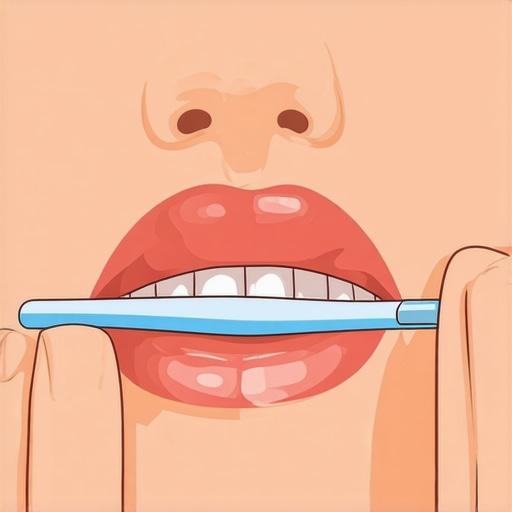
Insert an illustrative image showing proper brushing and flossing techniques, with annotations highlighting key points like angle and pressure, to reinforce learning.
Many people believe they fully understand the essentials of family and cosmetic dentistry, but beneath the surface lie subtle misconceptions that can hinder optimal oral health. For instance, a common myth is that more frequent or aggressive brushing leads to cleaner teeth. In reality, overbrushing can erode gum tissue and cause recession, increasing sensitivity and risk of decay. This nuance is often overlooked by laypersons who assume that brushing harder is better, yet studies show gentle, thorough cleaning is far more effective and safer, as emphasized in the ultimate guide to teeth cleaning techniques. Advanced practitioners know that selecting a soft-bristled toothbrush, maintaining proper technique, and avoiding excessive force are key to preserving gum health over the long term. Another widespread misconception concerns the role of flossing. Many think flossing is merely an optional step or that any flossing technique suffices. But improper flossing can cause bleeding, plaque buildup, and even damage if done forcefully or incorrectly. Experts recommend a gentle, wedge-shaped motion to avoid trauma, which aligns with best practices shared by clinical researchers. When it comes to cosmetic procedures, a common trap is believing that all whitening treatments are equally effective or safe. However, some over-the-counter kits contain high peroxide levels that may harm sensitive gums or cause uneven results. Professional cosmetic dentistry offers tailored solutions that respect individual enamel health, backed by recent innovations highlighted in dental technology advancements. Furthermore, many underestimate the importance of regular, professional cleanings, viewing them as optional rather than preventative. Failing to schedule routine visits can lead to undetected decay, gum disease, and aesthetic issues that compound over time. An expert approach involves not only regular scaling and polishing but also personalized advice on maintaining oral harmony. A question advanced readers may ponder is: How does understanding the microbiome influence personalized oral health strategies? Recent research published in reputable journals suggests that a more holistic view of mouth bacteria can revolutionize preventative care and restoration procedures. Recognizing that the oral ecosystem works symbiotically with the body emphasizes the importance of balanced oral hygiene, diet, and even stress management to sustain health. By staying informed about these nuanced aspects—beyond myths and surface-level tips—you can make informed decisions that preserve the longevity and beauty of your smile. Don’t fall into the trap of misconceptions—consult trusted professionals like those at family dentistry experts for personalized guidance. Have you ever fallen into this trap? Let me know in the comments.Maintaining your oral health over time is not just about brushing and flossing—it’s about leveraging the right tools and techniques to ensure your smile stays healthy and vibrant. As a family dentist with years of experience, I’ve tested and adopted specific equipment that delivers consistent results and simplifies routine care. One of my favorite devices is the **Water Flosser**, particularly models like the Waterpik Ultra. I personally use it because it effectively removes plaque from hard-to-reach areas, reducing gum inflammation without causing damage that traditional flossing might if done improperly. Additionally, I recommend an **electric toothbrush with pressure sensors**, such as the Oral-B Genius series. This ensures I never apply excessive force, preserving my gum tissue and preventing recession—a common mistake I see among my patients. These tools are backed by extensive research, including a study published in the Journal of Clinical Periodontology, which confirms the superior plaque removal efficiency of powered flossers over manual flossing. Looking ahead, I believe smart oral health devices, integrated with apps and AI, will become standard, providing real-time feedback and personalized recommendations. Want to keep your smile working perfectly? Try incorporating a water flosser into your nightly routine and set a gentle, pressure-sensitive brushing schedule. For personalized advice on long-term maintenance or to see which tools suit your needs best, visit our contact page regularly. Remember, consistent use of these innovative tools can prevent major issues down the line, saving you time and expense. To explore more about effective home-care tools, check out our family dentistry tips. Keeping your smile at optimal health requires the right equipment paired with proper technique—start today and enjoy the long-term benefits!
What I Wish I Knew When I Started
- I underestimated the power of gentle brushing, thinking force equals effectiveness. My lightbulb moment was realizing that caring for gums requires finesse, not force, preventing unnecessary recession and sensitivity.
- Choosing the right tools changed everything. Switching to a soft-bristled toothbrush and adopting electric models with pressure sensors transformed my routine, showing me that quality over quantity matters in dental tools.
- My biggest surprise was how small adjustments—like proper angles and mindful pressure—can significantly impact oral health. These lessons taught me that consistency paired with technique beats brute strength every time.
Tools and Reads That Elevated My Dental Game
- The Water Flosser, especially models like Waterpik Ultra, became my favorite for effective plaque removal without gum damage. I trust it because of its proven efficiency and gentle action.
- Electric toothbrushes with pressure sensors, like the Oral-B Genius series, gave me real-time feedback, helping me avoid over-brushing and protect my gums—their science-backed design makes oral care smarter.
- For deeper insight, I recommend the comprehensive guide to teeth cleaning techniques available at this resource. It offers evidence-based practices that can upgrade your routine.
- Staying informed through trusted professional advice, like the articles on family dentistry tips, keeps my smile resilient and my knowledge current.
Embrace Your Smile’s Potential Today
Your journey toward optimal oral health is ongoing, and the right techniques, tools, and mindset can make all the difference. Remember, every gentle brush stroke and thoughtfully chosen tool contributes to a healthier, happier smile. Take action now—your future self will thank you for the care you invest today. Are you ready to refine your oral hygiene routine and see real results? Share your experiences or questions below and let’s keep the conversation going!
,