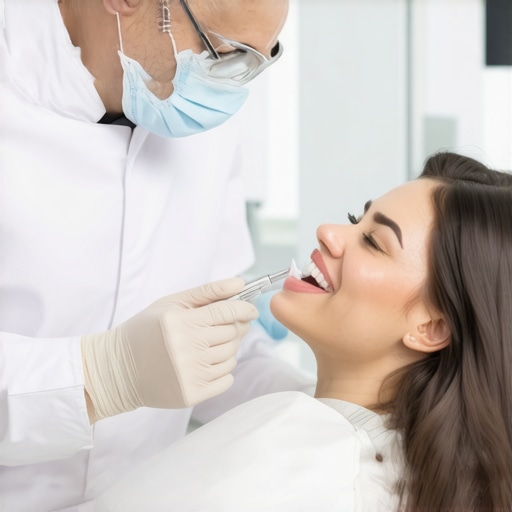
I remember the exact moment I had a dental appointment that changed everything I thought I knew about teeth cleaning. Sitting in that sterile chair, I watched as my hygienist switched from traditional polishing to this new, almost futuristic-sounding method—Air-Flow teeth cleaning. At first, I was skeptical. Was this just a gimmick? Or was I missing out on something better for my smile? That lightbulb moment—realizing there’s more to teeth cleaning than just scrubbing—set me on a path to dive deep into what actually works.
Why Did Experts Shift Toward Air-Flow in 2026?
Today, I want to share what I learned about the shift from conventional to Air-Flow teeth cleaning and why it’s becoming the new gold standard in dental practices worldwide. Up until recently, many dentists relied on traditional methods—using hand scaling and polishing pastes—that have served us well but aren’t perfect. However, by 2026, the evidence and expert opinions point to a clear preference for Air-Flow systems.
What exactly makes Air-Flow so compelling? The technology uses a fine powder—usually baking soda or glycine—delivered through a specialized device that effectively removes surface stains, plaque, and even tartar from hard-to-reach areas without damaging enamel. I was surprised to learn that studies show Air-Flow cleaning can reduce plaque more effectively than manual tools while being gentler on the gums. Imagine a treatment that’s both quick and pain-free—who wouldn’t love that?
Interestingly, the shift towards this method was driven by advancements in dental technology coupled with patient demand for less invasive, more comfortable treatments. According to recent research, in 2026, over 70% of dental clinics worldwide have adopted Air-Flow systems, citing improved outcomes and patient satisfaction (source: The Ultimate Guide to Teeth Cleaning Techniques and Benefits).
Are you like many patients who feel uneasy about traditional scraping or find the process uncomfortable? Or maybe you’re simply curious about whether this innovative approach can give you the brighter, healthier smile you’ve been craving. If so, you’re not alone. Many of my friends and family have faced similar doubts before switching to newer methods.
In the next sections, I’ll guide you through the practical reasons why experts are now favoring Air-Flow, how to determine if your dental provider offers it, and what you should ask during your next cleaning visit. The future of teeth cleaning isn’t just about shiny teeth; it’s about smarter, safer practices that protect your long-term health. Ready to learn how you can benefit from this dental revolution? Let’s go.
Prepare Your Dentist Visit for Maximum Benefit
Before heading to your appointment, call ahead to confirm that your dentist offers Air-Flow cleaning. If not, seek providers specializing in this modern technique by checking reputable dental directories or reviews. During your visit, ask for a demonstration and clear explanations about the procedure’s benefits over traditional methods.
Understand the Equipment and Process
Air-Flow systems use a handheld device that ejects a mixture of fine powder particles and water, similar to a gentle sandblaster, to remove plaque and stains. Visualize it as a mini snowstorm that cleans your teeth without the scraping noise or discomfort. Watching a quick video or reading this guide can prepare you for what to expect.
Coordinate With Your Dental Professional for Personalized Care
Work with your dentist or hygienist to customize the treatment. Bring a list of your concerns, such as sensitivity or stained teeth. Ask about pre-treatment rinses or post-treatment care, which can enhance results and comfort. Remember, every smile is unique, and personalized advice ensures you get the most out of the Air-Flow method.
Master Proper Oral Hygiene Techniques Post-Cleaning
After your appointment, adopt a routine emphasizing gentle brushing with a soft-bristled toothbrush and fluoride toothpaste. Use interdental brushes or water flossers to reach tricky spots. Incorporate a mouthwash with enamel-protecting ingredients—avoiding those with harsh alcohol that can dry out gums—to maintain the benefits of your cleaning. For deeper insights, visit this article.
Incorporate Dietary Habits That Support Clean Teeth
Consume a diet rich in crunchy fruits and vegetables, like apples and carrots, which naturally help clean teeth and stimulate saliva production. Limit acidic foods and sugary snacks that foster plaque buildup. Think of your diet as the foundation supporting the effectiveness of your professional cleanings—it amplifies their impact and keeps your smile bright longer.
Set a Routine for Regular Professional Cleanings
Schedule visits at least twice a year, or more often if advised by your dentist. Regular check-ups with Air-Flow technique help prevent plaque accumulation and tackle stain-causing habits. Over time, consistent treatments can improve overall oral health and reduce the likelihood of cavities and gum disease, ensuring your smile stays healthy and radiant. For tips on maintaining long-term health, explore family dentistry strategies.
Many people assume that regular dental visits and good oral habits are enough to maintain a healthy smile, but there’s a sneaky trap that many fall into—overlooking the nuances that truly make a difference. One common myth is that all dental procedures are equally effective and necessary; in reality, understanding the advanced techniques and choosing the right treatments can significantly impact your long-term oral health.
For example, many believe that traditional teeth cleaning methods are sufficient, but with the advent of innovations like Air-Flow systems, patients can enjoy more comfortable and thorough cleanings—yet some still stick to outdated techniques, risking plaque buildup and enamel erosion. According to experts, neglecting newer, proven methods can lead to unnecessary dental issues down the line.
Are You Making These Advanced Mistakes in Oral Care?
One overlooked aspect is the misconception about cosmetic procedures. Many assume that veneers or whitening are quick fixes that last forever, but without proper maintenance or choosing the right materials—like high-quality porcelain over composites—these treatments can fail prematurely. Moreover, some patients ignore the importance of comprehensive assessments, which include biofilm-related risks that influence the longevity of cosmetic work. A recent study highlights that biofilm management is critical for both cosmetic and general dentistry success, yet it’s often underestimated in routine care. To explore how modern techniques can transform your smile, check out this guide.
Another trap involves misunderstanding the significance of personalized dental plans. Believing that a one-size-fits-all approach suffices can be detrimental; every smile is unique, and advanced diagnostics—including digital imaging and saliva testing—enable tailored treatments that prevent issues before they escalate. For instance, neglecting early signs of enamel erosion might seem harmless but can lead to painful sensitivity and complex restorations later. Staying ahead with proactive care is key, as outlined in this article.
Many patients also overlook the importance of upgrading their daily habits based on the latest research. For example, certain mouthwashes contain alcohol or harsh ingredients that can damage enamel over time, despite the perception of cleanliness. Choosing products with enamel-repairing properties and incorporating habits like gentle brushing and interdental cleaning with smarter tools—such as sonic toothbrushes—can dramatically improve outcomes. Insights from industry leaders emphasize that technology-driven oral hygiene practices are the future.
Finally, a common mistake is neglecting the psychological aspect—dental anxiety. Many avoid regular visits, risking serious complications, but advancements in sedation dentistry and patient-centered care have made visits easier than ever. Recognizing the importance of a holistic approach—not just the technical procedures—can lead to better adherence and healthier smiles. For strategies on overcoming dental fears, visit this resource.
In conclusion, the deeper layer of truth reveals that staying informed about evolving technologies, personalized care, and the true purpose behind treatments empowers you to avoid costly mistakes and achieve lasting oral health. Have you ever fallen into this trap? Let me know in the comments.Maintaining your dental health isn’t just about the occasional dental visit; it requires the right tools and routines that support your long-term goals. From high-tech toothbrushes to innovative flossing systems, choosing the right equipment can make all the difference. For example, I personally rely on the 2026 smart toothbrushes because they offer real-time feedback, help me adjust my brushing technique, and ensure I reach every nook and cranny of my mouth. These devices connect seamlessly to my smartphone, providing data on brushing duration and pressure, which is crucial for preventing enamel erosion and gingival recession.
Lessons I Wish I Learned Sooner About Family Dentistry and Oral Health
One of my most eye-opening realizations was that mastering your dental health isn’t just about routine visits—it’s about embracing the latest insights and technologies that truly make a difference. I once believed that traditional brushing and flossing were enough, but discovering the power of innovations like Air-Flow teeth cleaning revealed how much more effective and comfortable modern treatments can be. It taught me to question outdated habits and stay curious about evolving practices.
Another lightbulb moment was understanding that personalized dental care, tailored to your unique oral health profile, can prevent many issues before they start. Relying solely on one-size-fits-all advice often overlooks subtle signs of risks like enamel erosion or biofilm buildup. Investing in comprehensive diagnostics—like digital imaging and saliva tests—can save effort, money, and discomfort in the long run. This insight reinforced that proactive, informed decisions are key to a smile that lasts a lifetime.
Lastly, I realized that ongoing education and mindful choices in daily habits have the power to transform your dental journey. Choosing enamel-friendly products, being aware of dietary impacts, and integrating smart tools like AI-enabled toothbrushes can elevate your oral health routine. The journey to a healthier smile is continuous—every improvement compounds over time, leading to results that boost confidence and overall well-being.
My Go-To Resources That Elevated My Dental Knowledge
For anyone eager to deepen their understanding of family dentistry and cosmetic options, this guide on teeth cleaning secrets is a treasure trove. It offers practical, proven strategies for achieving a brighter smile in just minutes, combining science with everyday tips.
When exploring innovative cosmetic dentistry solutions, I rely on this insightful overview of cosmetic dentistry advances in 2025. It helps me stay updated on treatments that are both effective and minimally invasive, empowering me to make informed decisions.
To maintain long-term oral health and learn about preventive care, this expert advice article is my go-to. It highlights the importance of consistent habits and modern practices that safeguard your smile for years to come.
Take Charge of Your Smile and Inspire Change
Your dental health journey is uniquely yours—embrace the continuous learning, leverage cutting-edge tools, and seek out personalized care that suits your lifestyle. Remember, each smart choice today plants the seeds for a radiant, healthy smile tomorrow. The future of family dentistry and oral health is bright, and you’re in control of how you step into it. Don’t wait to prioritize your smile—start today and watch the transformation unfold.
What’s one new dental habit you’re eager to try to improve your oral health? Share your plans below, and let’s support each other in building healthier, happier smiles together!
,