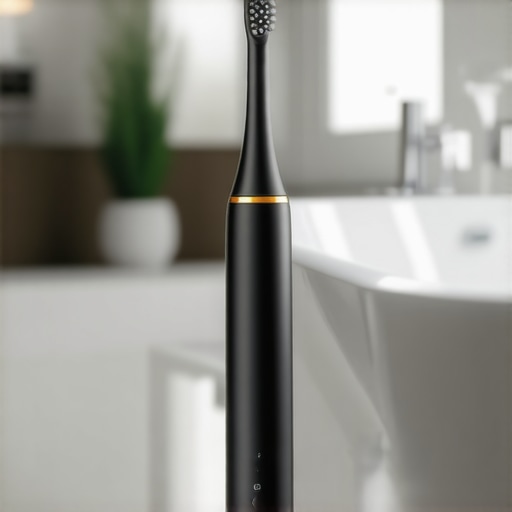
There was a moment last month in my bathroom when I looked into the mirror and caught a glimpse of my reflection—my teeth weren’t as bright as I wished, and I realized I’d been neglecting my oral health more than I thought. It hit me hard: investing in a new gadget might be the solution I need. That’s when I first stumbled upon the buzz around 2026 smart toothbrushes priced at a hefty $300. Honestly, I was skeptical—big price tags often come with big promises, but do they deliver?
The Great Dental Gadget Dilemma
If you’re anything like me, you probably wonder whether splurging on the latest tech is worth it or just an overhyped trend. After all, I’ve tried traditional brushes, electric models, and even those quirky battery-powered ones, but nothing seemed revolutionary enough to justify a new expense. Yet, the promise of smarter, better oral care keeps beckoning, especially with devices that claim to analyze your brushing habits or detect hidden plaque. The question is: does this extra technology truly improve your smile, or is it just an expensive gadget that collects dust?
Is It Actually Worth the Hype?
Early on, I made the mistake of believing all marketing claims without digging deeper. I purchased a fancy gadget, only to find that it didn’t significantly outperform my trusty electric toothbrush. That was a costly lesson in research—many devices promise the moon but don’t always deliver consistent results. It’s essential to separate the hype from real benefits. The good news? Scientific studies show that regular, proper brushing combined with professional cleanings can prevent major issues like cavities and gum disease (source). So, the real question becomes: can a smart toothbrush elevate your dental routine enough to justify its price?
Today, I’ll break down what these high-tech toothbrushes bring to the table, whether they’re worth the investment, and how you can make an informed decision that truly benefits your family’s oral health. If you’ve faced the frustration of spending too much on gadgets that don’t quite meet expectations, stay tuned—because we’re about to uncover whether this year’s smart oral care tools are worth the splurge or just another pricey fad.
**
,
Establish a Consistent Family Dental Routine
Start by scheduling regular appointments with your family dentist to create a foundation of healthy smiles. Personally, I set reminders on my phone for biannual visits, which helped my family stay consistent and prevented small issues from escalating. Regular checkups, like those described in family dentistry, ensure early detection and personalized care tailored to each family member’s needs.
Perfect Your Brushing Technique
Think of brushing as sculpting—precision matters. Use a soft-bristled brush and gentle circular motions to clean each quadrant thoroughly. I once hurried through my routine, missing spots near the back molars, which led to early cavities. After watching teeth cleaning techniques, I adopted the proper method, resulting in brighter, healthier teeth. Remember to replace your toothbrush every three months or when bristles fray, as worn tools are less effective.
Harness the Power of Flossing and Interdental Cleaning
Flossing might seem tedious, but it’s vital—like cleaning the nooks and crannies that toothbrushes can’t reach. I switched to water flossers, inspired by the latest smart flossers, making daily interdental cleaning easier and more effective. Incorporate floss into your routine immediately after brushing to remove plaque and prevent gum disease, echoing the advice found in oral health strategies.
Stay Updated with Modern Whitening Techniques
If you’re aiming for a brighter smile, explore cosmetic options that suit your needs. I tried clinical whitening after reading whitening fixes, which provided faster, safer results than at-home kits. Always consult your dentist before starting any whitening regimen, especially with newer methods like nano-bonding or laser whitening, to ensure safety and suit your enamel’s health.
Implement Smart Monitoring Tools
Embrace technology by using smart toothbrushes and apps to track your brushing habits. I began analyzing my daily routine with a connected device, which highlighted missed areas and encouraged better technique. This parallels the discussion in AI-guided tools, making oral care more interactive and personalized. Regular data review helps modify habits before problems develop, ensuring long-term health.
Prioritize Professional Cleanings
Schedule professional cleanings at least twice a year for comprehensive plaque removal, much like having a reset button for your mouth. During one visit, my hygienist used ultrasonic cleaning, which proved more effective than manual scraping, especially for stubborn tartar. This aligns with advice in ultrasonic cleaning benefits. These sessions not only improve aesthetics but also significantly lower risks of cavities and gum disease.
Maintain a Balanced Diet for Oral Health
What you eat directly impacts your teeth. Incorporate crunchy vegetables and dairy to naturally strengthen enamel. I noticed my teeth dulling after frequent sugary snacks; switching to healthier options improved my oral health visibly. Avoid foods that stain or erode enamel, and consider consulting your dentist on optimal dietary choices via diet tips. Consistent dietary habits complement your daily cleaning routine, ensuring a radiant smile.
Utilize Evidence-Based Oral Health Knowledge
Stay informed by reading reputable sources that debunk myths and clarify effective practices. For example, understanding the difference between charcoal whitening and nano-bonding can prevent wasted money and potential enamel damage, as detailed in whitening myths. Regularly update your knowledge and adapt your routine accordingly to maintain optimal oral health.
While it’s common to believe that regular dental visits and brushing are enough for optimal oral health, many overlook nuanced factors that could undermine their efforts. Contributing to the misconception is the idea that all dental practices are equally effective, but in reality, not all clinics follow the same standards or utilize advanced techniques that make a real difference. The average person often assumes that once they visit the dentist annually, their teeth are completely protected, yet deeper issues like subtle gum recession or enamel erosion can be missed if the practice doesn’t incorporate cutting-edge diagnostics, as discussed in this article. This oversight can lead to serious consequences over time, such as unnoticed deep periodontal pockets or early signs of decay.
Another common myth is that cosmetic dentistry purely focuses on aesthetics without considering the underlying oral health. However, intelligent cosmetic solutions prioritize restoring function and health first, which is crucial because appearance is inherently linked to oral integrity. For example, newer techniques like nano-bonding not only enhance smiles but also strengthen enamel, as detailed in this innovative approach. Failing to analyze the subtle structural differences among procedures can lead to choosing options that might look good initially but risk deterioration or sensitivity down the line.
Now, let’s consider the ‘Oops’ factor which many overlook: neglecting personalized care tailored to individual risk profiles. Commonly, patients rely on generic advice such as
How Do I Maintain My Dental Tools Over Time?
Maintaining your dental tools, like electric toothbrushes and interdental cleaners, is essential to ensure they remain effective and safe. Personally, I prioritize regular cleaning of my electric toothbrush head—removing debris and bacteria not only prolongs its lifespan but also prevents potential microbial growth that could harm my oral health. I use a simple disinfectant solution once a week, following the guidance from dental research that emphasizes the importance of cleansing for long-term results. This routine helps me avoid the buildup of plaque and ensures each brush passes hygiene standards. For interdental tools like water flossers, I follow manufacturer instructions rigorously, replacing filters and attachments as recommended, which prevents mold and bacteria accumulation. Regularly inspecting your devices for wear and tear, particularly frayed bristles or damaged heads, is a simple step that can prevent ineffective cleaning and potential damage to your gums. As technology advances, smart toothbrushes and connected oral health devices are becoming more prevalent—these require firmware updates and app synchronization, which should be performed periodically to keep them functioning optimally. Maintaining your equipment isn’t just about hygiene; it’s about preserving the quality of your daily routine, which ultimately impacts your oral health outcomes. As I see it, a well-maintained toolkit is your first line of defense against dental issues, making it a habit worth cultivating. Keep tools in a dry, protected place to prevent corrosion or damage, and avoid sharing devices among family members to prevent cross-contamination. Digital reminders to replace brush heads every three months also help me stay consistent with this essential habit. Moving forward, I predict that the integration of UV sterilization chambers into toothbrush storage will become standard, further enhancing hygiene and long-term results. In summary, taking simple, proactive steps to care for your dental devices ensures their effectiveness and contributes to a lifetime of healthy smiles.
What I Wish I Knew Before Choosing a Family Dentist
One vital lesson I learned is that not all family dentistry practices are created equal. Personal experience taught me to look beyond just location and price, focusing instead on the clinic’s commitment to using advanced diagnostic tools and personalized care. This insight saved my family from years of unnecessary treatments and costly procedures, emphasizing the importance of research before committing to any practice, as discussed in this article.
Why Tiny Details Make a Big Difference in Oral Health
One of the breakthrough moments in my journey was realizing how much proper brushing technique impacts long-term health. Small adjustments, like angling the brush at 45 degrees and using gentle circular motions, transformed my routine. It wasn’t just about brushing more; it was about doing it right. This change profoundly impacted my dental health, aligning with strategies in this guide.
How Smart Tools Offer More Than Just Convenience
Embracing technology, such as smart toothbrushes, opened my eyes to habits I never knew I had. The app tracking and habit analysis motivated me to improve and stay consistent. I discovered that these gadgets are more than high-tech gadgets—they’re personalized health coaches that help prevent decay and gum disease, supported by research in this article.
Knowing When to Invest in Cosmetic Dentistry
My experience with cosmetic dentistry taught me the importance of combining aesthetic goals with health benefits. Treatments like nano-bonding not only improved my smile’s look but also strengthened my enamel, demonstrating how modern solutions are more durable and health-conscious. To explore options suitable for your needs, visit this resource.
Building Habits That Last a Lifetime
The real secret isn’t in quick fixes but in cultivating sustainable habits. Regular checkups, consistent cleaning routines, and mindful diet choices create a resilient foundation for oral health. My journey has shown that investing in these habits yields greater long-term benefits than impulsive gadget splurges. For a comprehensive approach, I recommend exploring this advice.
How I Discovered the Power of Personalization in Dental Care
Personalized care plans tailored to my unique needs made all the difference. Recognizing my risk factors—like family history and dietary habits—helped my dentist design targeted treatments, including custom fluoride applications and specific hygiene routines. This tailored approach emphasized that one-size-fits-all solutions are often ineffective, a concept highlighted in this article.
Where to Go from Here
If you’re ready to elevate your family’s dental health, start by evaluating your current routines and tools. Prioritize professional checkups, adopt precise brushing techniques, and consider integrating smart technology for better habits. Remember, the journey to a radiant smile is ongoing—small improvements compound over time, transforming your family’s oral health for the better.
Your Turn to Take Action
Have you uncovered any hidden tricks that made your family dentistry routine more effective? Share your experiences below—I’d love to hear what worked for you and your loved ones!
1 thought on “Are 2026 Smart Toothbrushes Worth the $300 Price Tag?”
Reading this post really made me reflect on my own oral health habits. I used to think that simply brushing twice a day was enough, but after a few dental issues, I started exploring smarter tools and techniques. I recently invested in a connected toothbrush, and honestly, the habit tracking and feedback have pushed me to pay more attention to areas I was neglecting. I agree that technology can be a game-changer, but I’m curious—do others find that these gadgets truly motivate better habits over the long term, or does the novelty wear off? I’d love to hear your experiences with smart toothbrushes or other high-tech dental tools. Also, while the initial investment is steep, I wonder if the long-term savings on dental treatments balance it out. For those who’ve tried both traditional and smart routines, what differences have you noticed in your dental health outcomes? It’s an exciting time with so many innovations, but balancing cost and effectiveness is key.
Reading this post really made me reflect on my own oral health habits. I used to think that simply brushing twice a day was enough, but after a few dental issues, I started exploring smarter tools and techniques. I recently invested in a connected toothbrush, and honestly, the habit tracking and feedback have pushed me to pay more attention to areas I was neglecting. I agree that technology can be a game-changer, but I’m curious—do others find that these gadgets truly motivate better habits over the long term, or does the novelty wear off? I’d love to hear your experiences with smart toothbrushes or other high-tech dental tools. Also, while the initial investment is steep, I wonder if the long-term savings on dental treatments balance it out. For those who’ve tried both traditional and smart routines, what differences have you noticed in your dental health outcomes? It’s an exciting time with so many innovations, but balancing cost and effectiveness is key.