
Have you ever finished a meal, only to realize your breath isn’t quite as fresh as you’d like? You rinse, brush, maybe even scrub your tongue, but that lingering odor persists. One lightbulb moment for me was when I noticed my breath seemed worse in the mornings, despite diligent brushing. That realization led me down a path to uncover a hidden culprit: my tonsils. It’s not something we think about every day, but understanding whether your bad breath stems from your tonsils can make a world of difference in tackling the issue effectively.
Why Your Tonsils Might Be the Hidden Enemy Behind Bad Breath
Usually, when we think of bad breath, we blame the obvious—poor hygiene, coffee, or spicy foods. But sometimes, the source is deeper, literally nestled in the back of your mouth. Your tonsils are part of your immune system, acting like tiny filters catching bacteria and debris. When they become inflamed or harbor small craters called tonsil stones, they can trap bacteria and dead cells that cause a foul odor. This isn’t just a minor annoyance; it can severely impact your confidence and social interactions. If you’ve been frustrated despite maintaining good oral hygiene, it might be time to consider your tonsils as the culprits.
Have You Faced This Problem? You’re Not Alone
In my early days, I kept brushing and flossing, convinced my bad breath was just a hygiene issue. It wasn’t until I noticed white deposits and a persistent bad smell that I realized my tonsils were playing a role. Early missteps—like ignoring tonsil stones or dismissing throat discomfort—are common. Many people overlook this because most focus on teeth and gums, ignoring the tonsils’ influence.
If you’re wondering whether your tonsils are the source of your bad breath, stay tuned. I’ll share simple, effective ways to identify if your tonsils are the problem and what you can do about it. After all, addressing the root cause is key to freshening your breath and boosting your confidence.
Understanding the Connection Between Tonsils and Oral Freshness
Did you know that studies show up to 80% of bad breath cases are linked to factors within the mouth, including tonsil issues? According to research from the Journal of Clinical Periodontology, persistent halitosis often relates to intraoral sources like tonsil stones, especially when standard hygiene routines don’t help (https://www.jcpa.net). Recognizing this link can help you take targeted action instead of wasting time on ineffective remedies.
Now that we understand why your tonsils may be culprits, let’s explore how to reliably tell if they’re behind your chronic bad breath, and what steps you can take next to reclaim your fresh breath and confidence.
Start with a Proper Oral Inspection
Set aside a mirror and good lighting. Use a clean finger or a tongue depressor to gently press down your tongue and examine the back of your throat. Look for white deposits, swelling, or craters indicating tonsil stones. I once tried this method after waking up with persistent bad breath; to my surprise, I noticed small, yellowish chunks lodged in my tonsil crevices. Recognizing these signs is crucial before taking further action.
Optimize Your Oral Hygiene Routine
Brush Effectively to Disrupt Bacteria Clusters
Use a soft-bristled toothbrush to clean your teeth and gums twice daily. Focus on the inner surfaces where bacteria accumulate. Integrate tongue scraping into your routine to remove bacteria from the tongue’s surface, which often houses debris contributing to bad breath. During my experience, I learned that neglecting tongue cleaning left bacteria undisturbed, worsening the odor despite regular brushing.
Floss Daily to Remove Debris
Flossing helps eliminate food particles and plaque from between teeth that can sequester bacteria. It also reduces overall bacterial load in the mouth. I adopted this step after noticing food getting stuck, which worsened my breath—taking just two minutes made a significant difference.
Target Tonsil Stones Directly
Gargle with Saltwater to Loosen Debris
Mix half a teaspoon of salt in a cup of warm water. Gargle for 30 seconds, then spit out. Saltwater promotes healing and reduces bacterial growth. I tried this after feeling a bump in my throat; it helped dislodge some stones and alleviated discomfort. Regular gargling prevents their formation and keeps breath fresher.
Manual Removal with Cotton Swabs (Caution Needed)
If you feel comfortable, gently push on your tonsils to dislodge stones. Use a clean, moistened cotton swab to carefully extract visible stones. However, be cautious—avoid injuring your delicate throat tissues. During a messy attempt, I accidentally triggered a gag reflex, emphasizing the need for gentle handling or seeking professional help if unsure.
Enhance Your Defense with Professional Care
Schedule an appointment with a dentist skilled in family dentistry or cosmetic dentistry, who can perform a comprehensive exam and remove stubborn stones or inflamed tissue. Routine check-ups can prevent recurrent issues. I visited my dentist after persistent problems and appreciated their expertise in safely extracting stones and providing tailored advice, preventing future flare-ups.
Maintain Long-Term Oral Health
Follow daily routines diligently, replace your toothbrush regularly, and stay hydrated to reduce bacterial proliferation. Consider using antimicrobial mouthwashes (preferably alcohol-free to avoid dryness) for added protection. Regular visits, at least twice a year, ensure that any developing issues are caught early, preserving fresh breath and overall oral health. Learn more about maintaining a lifetime of healthy teeth with expert advice at this guide.
Myth Busting: Brushing More Isn’t Always Better
Many believe that brushing vigorously or more frequently guarantees cleaner teeth. However, over-brushing can damage enamel and gums, leading to increased sensitivity and recession. Dentists emphasize that proper technique and gentle motions are crucial—scrubbing can cause more harm than good. According to a 2022 study published in the Journal of Dental Research, aggressive brushing accelerates enamel erosion and gum recession (source).
The Overlooked Role of Flossing and Its Common Mistakes
While flossing is often heralded as essential, many get it wrong—either skipping it altogether or using improper technique. Flossing too aggressively can harm gums, leading to bleeding and recession. Moreover, some forget that flossing should reach just below the gumline without forcing it. Consistent, correct flossing removes plaque but isn’t a magic bullet; it must complement regular brushing and professional cleanings. Experts say that neglecting flossing or doing it improperly reduces its benefits significantly. Learn effective techniques at this comprehensive guide.
Advanced Question: Do All Whitening Products Weaken Enamel?
Many consumers assume that whitening gels and strips are universally safe. However, some products with high peroxide concentrations can cause enamel erosion if used excessively or improperly, especially on sensitive teeth. Research from the American Dental Association highlights that overuse of certain whitening agents can lead to increased sensitivity and enamel thinning (source). Therefore, consulting with a dentist before starting whitening treatments ensures personalized, safe outcomes.
Common Traps: DIY Dental Care and At-Home Kits
Another widespread misconception is that at-home dental kits and DIY remedies substitute professional care. While some over-the-counter products can help maintain health, they often fall short of addressing underlying issues like plaque buildup beneath gums or structural problems. Using unregulated products or attempting self-repairs without guidance can cause harm, including gum injuries or worsening decay. The subtle nuance here is recognizing when professional intervention is necessary; routine check-ups can prevent small issues from becoming major expenses. Discover more at this article.
neglected nuance: Building a Foundation for Lifelong Dental Health
Beyond the immediate technique, the biggest oversight in oral care is neglecting preventive strategies that support long-term health. Regular professional cleanings, tailored oral hygiene plans, and early diagnostics are essential but often overlooked by those solely focusing on brushing or whitening. For example, the connection between gum health and systemic conditions like diabetes underscores that oral care impacts overall wellness. Investing in education and consistent routine maintenance, such as exploring tips at family dentistry resources, is critical for avoiding advanced problems. Have you ever fallen into this trap? Let me know in the comments.
Maintaining Your Dental Routine with Precision Tools
For long-term oral health, investing in the right tools is crucial. I personally rely on an ultrasonic scaler like the Waterpik Sonic-Fusion because it combines effective cleaning with ease of use. Its combination of water pressure and vibration technology helps disrupt plaque and bacteria beneath the gumline, a task that manual flossing can often miss, especially in hard-to-reach areas. I particularly appreciate the way it integrates with my daily routine, ensuring consistent care without requiring extra time or effort. As technology advances, these devices are becoming more sophisticated, offering personalized cleaning modes and app-guided routines to keep you motivated and on track.
The Power of Strategic Software in Oral Care
Modern dental hygiene extends beyond physical tools. I recommend utilizing software like Digital Dental Advisor or dedicated mobile apps that track your brushing consistency, remind you of appointments, and provide tailored tips based on your oral health history. Personally, I synchronize my app with my smart toothbrush to receive real-time feedback on brushing angles and pressure, which helps prevent gum recession caused by over-aggressive brushing. These digital solutions make it easier to identify patterns that could lead to long-term issues, subtly guiding you towards better habits each day.
Consistency Is Key: Why Routine Monitoring Matters
Establishing a habit of routine monitoring ensures your efforts don’t falter over time. Regularly inspecting your mouth with a mirror, combined with the data collected by your devices, can catch early signs of problems such as plaque buildup or gum inflammation. I recommend scheduling quarterly professional cleanings, during which your dentist can calibrate your tools and provide expert advice. As emphasized in this resource, proactive care coupled with smart equipment helps you maintain a radiant smile for decades.
Emerging Trends and Future Directions
Looking forward, I predict that AI-driven diagnostics and personalized dental care plans will become the standard. With smart sensors embedded in toothbrushes and mouthguards, we’ll be able to receive instant feedback on everything from enamel wear to early cavities—making preventive care more accessible and less invasive. For those committed to a proactive approach, experimenting with these emerging tools now—like high-tech interdental brushes or app-integrated whitening systems—can set the foundation for a future-proof oral health routine.
How do I maintain my oral tools and routines over time?
Proper maintenance starts with cleaning your electric toothbrush heads or water flosser nozzles after each use, following manufacturer instructions. Replacing brush heads every three months prevents bacteria buildup and ensures optimal effectiveness. Regularly updating your apps and firmware also keeps your tools functioning correctly, integrating the latest innovations. Remember, consistency in using these items as part of your daily routine maximizes their benefits and supports long-term results. Curious about further optimization? Try setting weekly challenges for yourself to improve your technique, inspired by the tips at this guide.
Incorporating these technological advancements and routine practices ensures your oral health stays robust year after year. Embrace the tools that make a difference, and you’ll find maintaining your smile isn’t just sustainable—it becomes second nature. Ready to upgrade your dental care arsenal? Start by trying out a smart water flosser or scheduling your next digital check-in today!
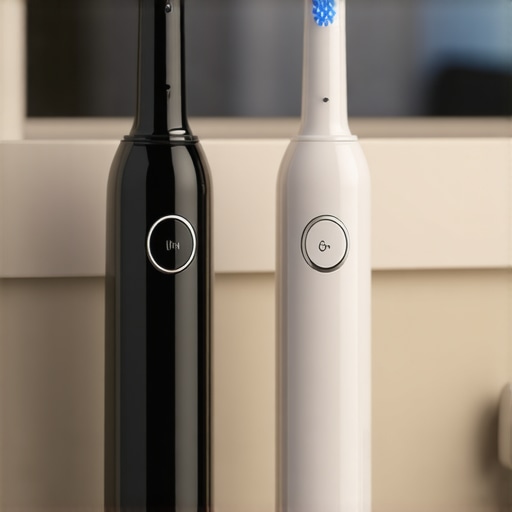
What Secrets Do Dental Experts Keep Close? I’ve Learned That Consistency Beat Quick Fixes Every Time
Throughout my journey with oral health, I realized that the real game-changer isn’t just finding the newest gadget but sticking diligently to fundamentals like regular brushing, flossing, and routine check-ups. It’s tempting to chase after quick treatments or trendy whitening products, but sustainable results come from building habits grounded in professional guidance, like those offered in this comprehensive resource. That insight proved invaluable, transforming my approach into a lifelong commitment rather than a fleeting effort.
Tools That Transformed My Dental Routine—And Should Certainly Do the Same for You
I’ve come to rely heavily on advanced yet user-friendly tools like the Waterpik Sonic-Fusion, which seamlessly combines water flossing and brushing for maximum plaque removal. Pairing this with my smart toothbrush, which provides real-time feedback, has genuinely elevated my preventive care. These choices weren’t random; I trust them because they’re backed by dental research and tailored for busy lives. If you’re serious about protecting your smile, consider exploring these innovations, which can be found in my curated teeth cleaning techniques guide.
Standing at the Crossroads of Confidence and Health—My Final Reflection
In the end, the most profound lesson is this: your dedication today lays the foundation for a vibrant, confident smile tomorrow. Even amidst myriad options—whether cosmetic enhancements or family dental strategies—what matters most is forming habits rooted in knowledge and consistency. Remember, each small, deliberate step not only preserves your oral health but also amplifies your self-esteem. If you’re contemplating where to begin, ask yourself: what’s one simple change I can commit to this week to upgrade my dental routine? Share your thoughts below—let’s grow together toward healthier, happier smiles.