
It was a morning like any other, but as I looked in the mirror after waking up, I noticed something unsettling—my reflection showed teeth that felt like they were on their last legs. A bit of discoloration, some uneven gaps, and a general feeling that my smile no longer reflected the vibrant person I knew. That moment was my lightbulb moment, realizing I needed to seriously evaluate my options for restoring my smile and confidence. Have you ever faced a similar realization, staring in the mirror and questioning if your dental health is holding you back?
Discovering if You’re a Candidate for Life-Changing Dental Implants
Deciding to improve your smile isn’t just about aesthetics; it’s about restoring function, confidence, and your overall quality of life. When I first considered alternatives, I was overwhelmed by the options—do I opt for traditional dentures, bridges, or consider something like All-on-4 implants? What I wish I had known back then is that understanding whether you’re a suitable candidate can save you time, money, and emotional stress. Today, we’ll explore how to tell if you are a good fit for All-on-4 implants, a solution that has transformed many lives, including my own.
Is the Hype About All-on-4 Implants Justified?
Back when I was exploring, one mistake I made was trusting the glossy advertisements without doing my homework. Like many, I was skeptical about whether I could really qualify for such a procedure. The truth is, candidacy depends on several factors, including bone density, overall health, and your dental history. If you’re considering this option, ask yourself: Am I healthy enough to undergo dental surgery? Do I have enough bone support for implants? And most importantly, am I prepared for the commitment to oral health post-surgery?
Understanding these criteria is crucial. For example, people with significant bone loss might need additional procedures like bone grafts before placement. Conversely, some conditions might disqualify you from immediate candidacy but can be managed. My early mistake was not asking the right questions and assuming implants weren’t an option because of my age and bone loss. But with professional guidance and thorough evaluation, many find themselves eligible.
Ready to dive deeper? Next, we’ll walk through practical steps to assess your suitability, and I’ll share real-life tips I wish I had known beforehand. If you’re curious about how modern techniques are making such procedures more accessible, check out this [insightful article](https://gentlesmiledentist.com/transform-your-smile-the-impact-of-cosmetic-dentistry-in-2025) on upcoming dental innovations.
Evaluate Your Oral Health Thoroughly
Begin by scheduling a comprehensive dental examination with your dentist. During this visit, expect a detailed assessment of your teeth, gums, and jawbone to identify potential issues that could affect implant success. I remember my first consultation, where the dentist took digital x-rays to evaluate bone density—this step was crucial in determining my candidacy and planning the procedure.
Assess Bone Density and Support
Bone support is like the foundation of a house; without a strong base, the entire structure is at risk. Your dentist may use advanced imaging techniques, such as cone-beam computed tomography (CBCT), to precisely measure bone volume. If bone loss is significant, options like bone grafting can rebuild support, much like reinforcing a crumbling wall before building upon it. I had to undergo a minor graft, which temporarily delayed my implant placement but ultimately provided a solid foundation.
Optimize Your Overall Health and Habits
Implant success depends on your health. Conditions like uncontrolled diabetes or habits such as smoking can impair healing. Think of the healing process as a marathon—not a sprint—where your body needs optimal conditions to recover. I quit smoking a month prior, improving my healing time and reducing risks. Ensure that any medications you take do not interfere with the procedure by discussing this with your dentist.
Manage Dental Hygiene Rigorously
Good oral hygiene is non-negotiable. Regular brushing and flossing keep bacterial levels low, preventing infections that could jeopardize implants. I used to neglect flossing, leading to gum inflammation; however, adopting a consistent routine made a noticeable difference. Use antiseptic mouthwash to reduce oral bacteria further and prepare your gums for the procedure. Check out essential tips on maintaining oral health at this link.
Consult with an Experienced Dental Surgeon
Finding a skilled implant specialist is like choosing a trusted guide for an intricate journey. Schedule a consultation to discuss your options, ask about the procedure specifics, recovery expectations, and success rates. I recall asking my surgeon about post-operative care, which helped me prepare mentally and physically for the healing phase. Remember, a thorough discussion ensures clarity and confidence moving forward.
Plan for Post-Surgery Care
After the implant placement, your mouth needs time to heal and integrate the implant. Use soft foods, avoid strenuous activities, and adhere strictly to prescribed medications. I kept a detailed journal of my recovery, noting any discomfort or changes, which was helpful for follow-up visits. Regular check-ins are essential, similar to tuning a musical instrument for perfect harmony.
Embrace Lifestyle Changes for Longevity
Maintaining your new smile isn’t only about the procedure; it’s about ongoing commitment. Limit sugary foods, stay hydrated, and continue excellent oral hygiene practices. Think of your implants as a investment—proper care extends their lifespan significantly. I integrated routine check-ups into my schedule and was rewarded with a confident, natural-looking smile lasting years.
By following these concrete steps, you can confidently prepare for your dental implant journey. Remember, patience and diligence are your best allies in achieving lasting oral health improvements.
When it comes to family dentistry and oral health, many people operate under misconceptions that can hinder their dental journey. A common myth is that regular brushing and flossing alone guarantee cavity-free teeth; however, recent research indicates that this overlooks other crucial factors like microbiome balance and genetic predispositions. In reality, overemphasizing mechanical cleaning without addressing bacterial composition can leave plaque bacteria unchallenged, increasing the risk of decay despite good habits. For an in-depth understanding, visit our comprehensive oral health guide.
How Advanced Are Your Teeth Cleaning Techniques
Many assume that basic polishing suffices, but the latest innovations in teeth cleaning tech go far beyond, employing laser and ultrasonic devices to remove tartar more effectively while minimizing enamel wear. Falling behind on such advancements might mean missing out on preventive measures that can stave off periodontal disease early.
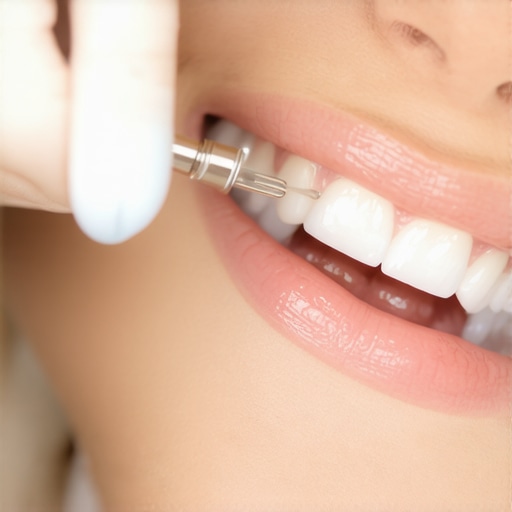
Be wary of the oversimplification that cosmetic dentistry is purely superficial. A deep understanding reveals how solutions like contouring or veneers are intertwined with functional benefits, such as correcting bite issues or preventing wear. Many think they just need a brighter smile, but the nuances of cosmetic advancements unlock both aesthetic and health improvements.
The Hidden Risks of Ignoring Subtle Indicators
Failing to recognize early signs—like minor gum bleeding or slight tooth sensitivity—can escalate into complex problems, including bone loss or systemic health issues. Some believe that absence of pain equals health, but experts warn that silent progression is commonplace. Don’t overlook the importance of routine check-ups, as they often catch these nuances before they develop into costly treatments. For more on preventing major issues, browse our long-term prevention strategies.
Have you ever fallen into this trap? Let me know in the comments and share your experiences. The more we understand these hidden nuances, the better equipped we are to maintain lifelong oral health.
Maintain Your Dental Routine with Precision Tools
Ensuring long-lasting oral health requires more than just basic brushing; it involves using the right equipment to tackle different aspects of dental maintenance. I personally swear by a high-quality sonic toothbrush like the Sonicare DiamondClean. The sonic technology generates over 31,000 brush strokes per minute, which I find superior at removing plaque and reaching tight spaces that manual brushes often miss. Investing in a device with multiple modes—such as whitening, gum care, and deep clean—allows me to customize my routine based on my specific needs, especially after cosmetic procedures that require gentle yet effective cleaning.
Why I Recommend Ultrasonic Flossing Devices
Traditional flossing can be tedious and inconsistent, leading to overlooked areas. I transitioned to ultrasonic flossers like the Waterpik Sonic-Fusion because they combine brushing and flossing into one step, saving time and enhancing effectiveness. The water pulses help disrupt plaque biofilms in hard-to-reach spots, such as between molars or along the gumline, reducing the risk of periodontal issues. Regular use of such devices has contributed to maintaining my implants and preventing gum recession, prolonging the benefits of my cosmetic treatments. For more insights, explore this study on ultrasonic tools and their impact on oral hygiene.
Optimize Your Oral Hygiene with Advanced Software
Tracking your oral health progress becomes simpler with modern apps like Brush DJ or Tuftin. I personally follow my brushing habits with the Oral-B app, which syncs with my electric toothbrush to monitor coverage and duration. These tools provide real-time feedback, reminding me to brush longer in neglected areas and maintain consistency. As technology advances, I predict that AI-powered dental assistants will soon offer personalized advice—like adjusting your technique or recommending specific products—based on your unique oral microbiome and habits, improving long-term outcomes.
How do I maintain my dental tools over time?
Proper cleaning and storage of your dental instruments are essential to keep them effective and safe from bacteria. I make it a point to rinse my electric toothbrush head thoroughly after each use and replace it every three months, following manufacturer guidelines. For flossers and water picks, I periodically disinfect the tips with antibacterial solutions and store them in dry, ventilated containers. Regularly inspecting your devices for wear and tear ensures they perform optimally, preventing micro-damage that can harbor bacteria. Adopting these maintenance habits extends the lifespan of your tools and safeguards your oral health. Consider implementing a routine similar to the professional recommendations outlined in the dental hygiene literature for optimal care management.
Future of Dental Tools and Personal Maintenance
The trend in family dentistry clearly points toward smarter, integrated systems that combine hardware and software for comprehensive care. As highlighted in recent analyses of upcoming dental innovations, expect devices that not only clean but also analyze saliva and plaque composition to tailor treatments. This personalized approach will empower families to take control of their long-term oral health and catch issues early. Meanwhile, I encourage you to test one of the advanced cleaning techniques discussed—such as upgrading to an ultrasonic flosser—to immediately experience the difference in your daily routine.
What I Wish I Knew About Oral Health Before My Transformation
One of the most significant lessons I learned was the importance of proactive maintenance. Regular check-ups and advanced cleaning techniques can prevent minor issues from becoming major problems. Ignoring early signs, like slight gum sensitivity, almost cost me my confidence and comfort—something I never want others to experience. Now, I emphasize building habits that prioritize prevention over correction.
The Power of Personalizing Your Dental Routine with Innovative Tools
Discovering high-tech toothbrushes and flossers tailored my approach to oral care. Instead of generic routines, I now use ultrasonic devices and app-tracked habits to ensure comprehensive coverage. This personalized system not only keeps my smile radiant but also deepens my understanding of my unique dental needs, reaffirming that technology can be a game-changer in family dentistry.
Transform Your Mindset and Embrace Your Dental Journey
Mastering family dentistry and cosmetic procedures goes beyond procedures; it’s about cultivating confidence and resilience. My experience taught me to view dental health as a vital part of overall well-being. By embracing this mindset, you empower yourself to take charge, ask the right questions, and seek expert guidance—making your smile transformation a lifelong journey, not just a one-time fix.
Chart Your Path with Curated Resources You Can Trust
To deepen my understanding, I relied on trusted sources like expert insights on cosmetic dentistry innovations and comprehensive oral health guides. These resources provided clarity and confidence, highlighting the importance of staying informed about advancements that can protect and enhance your family’s smiles. Investing in knowledge truly amplifies your ability to make informed decisions.
Your Future Starts Today—Make It Bright
Taking action on your oral health journey is an investment in your confidence, health, and happiness. Remember, every small step—like upgrading your toothbrush or scheduling a check-up—contributes to a lifetime of radiant smiles. Don’t wait for issues to surface; be proactive and embrace the possibilities that modern family dentistry offers. Your best smile is waiting to shine bright—start today.