
Ever woken up with a dull headache or sore jaw, only to realize you’ve been unknowingly grinding your teeth all night? It’s more common than you think—and honestly, it’s a bit embarrassing to admit. I remember the first time I caught myself clenching in my sleep; the feeling of having a mouthguard shoved uncomfortably between my teeth made me wonder if there was a better way. After trying bulky night guards, I found myself frustrated and still waking up with headaches. That lightbulb moment led me on a quest to discover how to stop this habit without feeling like I’m wearing a dental weapon every night.
Why Teeth Grinding is More Than Just an Annoyance
Teeth grinding, or bruxism, isn’t just about morning jaw soreness. It can cause significant long-term damage—wearing down enamel, creating cracks, and even leading to misalignment. According to research, approximately 10% of adults experience bruxism regularly, often unknowingly. It’s one of those silent issues that sneaks up on you, quietly undermining your oral health. And let’s be honest—an uncomfortable mouthguard that’s too bulky can make sleep miserable, defeating the very purpose of restful nights. That’s why finding effective, less obtrusive ways to break the cycle is so crucial.
Is a Custom Mouthguard the Only Solution? My Early Mistake
Thinking a custom-fitted mouthguard was the ultimate answer, I rushed to my dentist. But that wasn’t enough. Early on, I made the mistake of believing I just needed to wear the guard and everything would be fixed. Turns out, that approach only masked the problem temporarily. The truth is, addressing bruxism is more about understanding the root causes and developing habits that naturally reduce nighttime clenching. If you’re tired of bulky guards and still waking up sore, you’re not alone—and the good news is, there are alternative solutions worth exploring. To see how minor lifestyle changes can make a big difference, check out these simple teeth cleaning secrets.
Identify and Track Your Clenching Habits
Start by paying attention to when you unconsciously clench or grind. Keep a sleep diary or record yourself using a voice or video recorder to catch nighttime activity. I once set up my phone on my bedside table and was surprised to see evidence of grinding during early REM sleep. Recognizing patterns helps you target specific triggers, like stress or certain sleep positions.
Adjust Your Sleep Environment for Better Relaxation
Create a Calm Atmosphere
Maintain a cool, dark, and quiet bedroom. Use blackout curtains and white noise machines to enhance sleep quality. I found that reducing ambient noise decreased my nighttime tension, subtly lessening my clenching severity.
Incorporate Relaxation Techniques
Practice deep breathing, progressive muscle relaxation, or meditation before bed. For example, I started spending five minutes doing diaphragmatic breathing, which visibly reduced my jaw tension the following mornings. Consistent relaxation reduces overall stress that may contribute to bruxism.
Implement Physical Strategies and Exercises
Jaw Relaxation Exercises
Regularly perform gentle jaw stretches—open wide, then relax and move side to side. Once, I spent a few minutes each night stretching my jaw muscles, which gradually alleviated morning soreness. These exercises help limit muscle fatigue and improve flexibility.
Strengthen and Condition Jaw Muscles
Engage in exercises to balance muscle strength, like light resistance training for the jaw area. Consult a physical therapist or dentist trained in orofacial therapy for tailored routines. Over time, this reading helped me develop better muscle control, reducing involuntary clenching.
Create a Habit of Maintain Oral Relaxation
Be mindful during the day about keeping your jaw relaxed—avoid resting your chin on your hands or biting pencils. A micro-story: I remembered to consciously relax my jaw while working, and after a week, the night grinding diminished noticeably. Small daily habits compound to significant changes over time.
Use a Supportive Night Guard as a Last Resort
If you have persistent bruxism, consider a customized night guard prescribed by your dentist. Unlike bulky off-the-shelf options, a well-fitting guard protects your teeth without constricting your jaw. My dentist suggested a thin, flexible guard that felt natural, making me more likely to wear it consistently, ultimately safeguarding my enamel and reducing headaches.
While these steps may need gradual implementation, consistency is key. For comprehensive strategies, explore this guide on teeth cleaning techniques or consult a professional for personalized advice.
When it comes to oral health, most people cling to common beliefs that seem logical but are actually misconceptions leading to suboptimal care. Many assume that brushing harder removes plaque better—yet, in reality, this harsh approach damages enamel and gums over time. According to a 2024 study in the Journal of Dental Research, aggressive brushing can cause gum recession and enamel erosion, emphasizing the importance of gentle, effective techniques. This misunderstanding is a classic example of how intuitive actions aren’t always beneficial and highlights the need for nuanced understanding of proper oral hygiene.
What advanced dental strategies might be overlooked by the average patient?
An often-underestimated element is the role of interdental cleaning tools. While flossing remains a staple, many neglect tools like water flossers or interdental brushes that can target hard-to-reach areas more effectively, especially for patients with dental implants or braces. Misusing or underusing these tools can leave plaque hiding in unseen spots, increasing the risk of cavities and periodontal disease. Experts recommend incorporating a variety of devices tailored to individual needs, as outlined in this comprehensive guide.
Furthermore, the myth that all whitening treatments are equally safe is widespread. Many believe over-the-counter whitening kits are harmless, but improper use can cause sensitivity or uneven results. Professional cosmetic dentistry offers customized, safer options that consider your enamel health, as discussed in this article. Overusing products like charcoal toothpaste, often marketed as natural remedies, can be abrasive enough to wear down enamel prematurely, as highlighted in recent research published in the Journal of Oral Science.
Why do some routine dental practices fall short despite good intentions?
Regular visits, for example, are vital, but frequency isn’t the only factor. Inadequate cleaning techniques during professional cleanings or neglecting personalized oral care plans diminish their effectiveness. A common trap is relying solely on brushing and flossing without considering factors like saliva composition, diet, or genetic predisposition that influence oral health. For instance, patients with dry mouth due to medications need customized strategies beyond standard advice. The importance of tailored care is emphasized in findings from the American Dental Association, which underscore that a one-size-fits-all approach misses these critical nuances.
So, what are some subtle signs indicating your routine might actually be harming your teeth? Watch for increasing sensitivity, persistent bad breath, or gum recession—these often point to deeper issues unaddressed by conventional methods. Staying informed and consulting with your dental professional for advanced insights ensures you’re not falling into these common traps. Remember, mastering your oral health isn’t just about doing the basics—it’s about understanding the complexities behind each action. Have you ever fallen into this trap? Let me know in the comments.
Investing in the Right Equipment Makes All the Difference
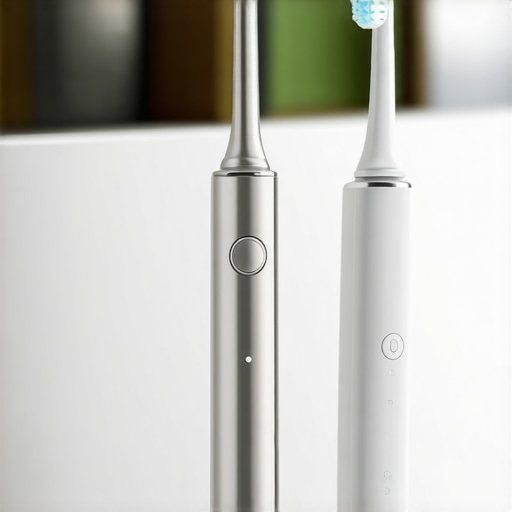
Maintaining optimal oral health over the long term requires more than just consistent brushing and flossing; it depends heavily on using the right tools. I personally swear by a high-quality electric toothbrush like the Philips Sonicare DiamondClean. Its sonic technology produces 62,000 brush movements per minute, effectively removing plaque while being gentle on gums. Unlike traditional brushes, this device ensures thorough cleaning even in hard-to-reach areas, reducing the risk of cavities and gum disease. For interdental cleaning, I prefer water flossers such as the Waterpik Ultra, which helps dislodge debris from tight spaces better than string floss alone, especially for those with braces or implants.
When selecting a toothbrush, opt for one with soft bristles to prevent gum recession. Additionally, replace your toothbrush every three months or sooner if bristles fray — worn brushes are less effective and can harbor bacteria. Incorporating a compact UV sanitizer, like the CleanSmart UV sanitizing system, helps keep your toothbrush free from germs, offering added peace of mind, particularly during flu season.
Implement Advanced Techniques for Lasting Results
Beyond tools, I recommend adopting methods that enhance your daily routine. One game-changer is the use of whitening LED devices, such as the AuraGlow Teeth Whitening Kit, which combines peroxide gel with blue LED light to accelerate stain removal. Using these devices weekly can maintain a bright smile, especially after professional whitening treatments. However, it’s vital to use them responsibly to avoid sensitivity—consult your dentist for personalized advice.
Regularly performing tongue scraping with a metal scraper like Dr. Tung’s, after brushing, can also dramatically improve oral hygiene by reducing bacteria that cause bad breath. Remember, consistent maintenance is key: scheduling semi-annual professional cleanings can detect issues early and keep your smile shining. For a comprehensive understanding of effective cleaning techniques, I refer to this detailed guide.
Predicting the Future of Dental Tools
Looking ahead, advancements such as AI-powered toothbrushes with real-time feedback and integrated app tracking are expected to revolutionize home oral care. These smart devices will help identify habits like brushing duration and pressure, providing personalized tips to optimize cleaning. As technology evolves, I believe our ability to maintain oral health effortlessly will improve, reducing the incidence of long-term problems like cavities and gum disease.
How do I keep my dental tools functioning well over time?
To ensure your tools deliver consistent results, clean your electric toothbrush head monthly with soap and water or soak it in a vinegar solution to remove mineral deposits. Replace brush heads every three months or sooner if bristles show wear. Store your devices in dry, well-ventilated areas to prevent bacterial growth. Regularly inspect your water flosser’s nozzle and replace it if you notice buildup or damage. These simple steps preserve the effectiveness of your equipment and protect your oral health. For more tips on maintaining your routine, consider reviewing these expert guidelines.
Give one of these tools a try today—perhaps a water flosser or a new toothbrush—and notice the difference it makes over time. Remember, small, consistent upgrades can have lasting effects on your smile’s health and appearance. Stay proactive, and your teeth will thank you for years to come!
What Personal Experiences Taught Me About Perfecting Dental Care
One of the most eye-opening lessons was realizing that even the most advanced tools can’t replace mindful habits. I used to think a high-tech toothbrush was enough, but consistent, gentle technique and awareness of my habits made a profound difference. Watching my progress unfold over months showed me that patience and personal accountability are essential for long-term oral health. Sometimes, the smallest daily adjustments—like relaxing my jaw or choosing the right floss—can lead to breakthroughs I never expected.
Tools and Resources That Changed My Approach
My favorite go-to resource has been this comprehensive guide on teeth cleaning techniques. It offers evidence-based tips that I trust because they come from dental professionals who understand both science and practical application. Additionally, I swear by the Waterpik Ultra water flosser and my Philips Sonicare DiamondClean toothbrush—they’ve helped me maintain a squeaky-clean feeling daily and prevent issues before they start. Investing in quality tools has paid off by making my routine more effective and enjoyable.
Embracing the Power of Small Wins for Better Smiles
Changing how I care for my teeth wasn’t about overnight perfection but about celebrating progress—like finally mastering relaxation exercises before bed or switching to softer bristles. These micro-successes rebuilt my confidence and motivated me to stick with healthier habits. Remember, your journey to a confident smile doesn’t have to be grand—small, consistent improvements create lasting change. So, start somewhere today, whether it’s trying a new tool or relaxing your jaw during work. Your future self will thank you for each positive step you take now.