
I’ll never forget the day my youngest had his first cavity filled. We walked out of that office feeling like champions because he didn’t even cry during the sleepy juice injection. I was so relieved that I completely let my guard down. Five minutes into the drive home, I glanced in the rearview mirror and saw him staring blankly out the window, chewing rhythmically on the side of his mouth. I thought he was just playing. By the time we pulled into the driveway, his lower lip was twice its normal size, raw and bleeding. He couldn’t feel the pain yet, but I certainly felt the mom-guilt. It was a classic rookie mistake, and honestly, one of the messiest family dental care lessons I’ve ever had to learn the hard way.
The Real Battle Starts When You Leave the Dentist’s Chair
Most parents think the hard part is over once the drill stops. In reality, the hour following the appointment is the danger zone. When a toddler’s face feels like a giant, tingly marshmallow, their natural instinct is to explore it with their teeth. I used to think a simple “don’t bite” would suffice. It doesn’t. You are competing with a sensation they’ve never experienced before. Today, I’m going to show you how to distract, physically block, and monitor your little one so you don’t end up back at the office with a “fat lip” emergency. We want to keep that expertly maintained oral health on track without a painful detour.
Can a toddler actually be trusted to stop biting?
The short answer is no. According to the American Academy of Pediatric Dentistry, soft tissue trauma is remarkably common because children lack the sensory feedback to realize they are hurting themselves. It’s not that they are being “bad”; they literally cannot feel the damage they are doing. Have you ever had to deal with the “after-numbness” swelling? It’s stressful, right? Let me know if you’ve been through this lip-biting gauntlet too!
Keep the Cotton in Place Until the Tingling Stops
The most effective tool in my kit—one I failed to use that first time—is the humble cotton roll. If you can keep a physical barrier between the teeth and the lip, the battle is halfway won. While getting toddlers to sit still in the chair is a major win, keeping them focused on not chewing afterward is the real gold medal.
Keep the Barrier Tight and the Teeth Apart
You have to treat those cotton rolls like gold. If the dentist gives you extras, take them. Think of them as a protective bumper on a bowling lane. Without them, your toddler’s teeth are the heavy ball, and their lip is the gutter. I once tried to swap the professional cotton for a folded paper towel in a pinch—big mistake. It got soggy in seconds and my daughter just spat it out, immediately going back to ‘testing’ her numb tongue with her incisors. For robust family dentistry success, the physical block is non-negotiable. If the cotton falls out or becomes saturated, replace it immediately with a fresh, dry roll. This keeps the cheek pushed away from the teeth, making it physically impossible for them to clamp down on the soft tissue. Even if you are focusing on preventive tips for long-lasting dental health for families, the immediate hour after a procedure requires this level of mechanical intervention.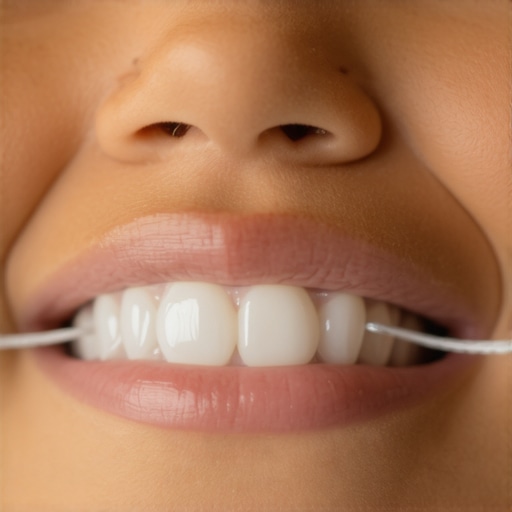
Watch for the Silent Chew Habit
The most dangerous thing a toddler can do is ‘explore’ the numbness. It feels like a thick, heavy alien attached to their face, and their natural curiosity is to poke, prod, and—most dangerously—nibble. I remember sitting on the sofa with my son after his filling, thinking he was perfectly content watching his favorite cartoon. He wasn’t crying, so I thought we were safe. Then I noticed his jaw moving in a slow, rhythmic grind. He wasn’t even aware he was doing it. When I checked, he had already nibbled a small raw patch on the inside of his cheek. I had to use the same patience required when explaining a cavity to a toddler to remind him that his mouth was ‘sleeping’ and we couldn’t wake it up by biting. If your child is prone to this, stay within arm’s reach and keep a gentle hand on their jaw to feel for any chewing motion.
Only Serve Cold Liquids and Soft Mush
Until that ‘sleepy juice’ wears off, chewing is completely off the table. Think of it like trying to walk on a leg that has fallen completely asleep—you have no control and you’re going to stumble. In the dental world, that stumble is a painful laceration. Stick to smoothies, milkshakes, or very cold water. The cold actually helps with any minor inflammation from the injection site as well. When I first started navigating how to stop your kids from getting cavities, I didn’t realize how much the post-op diet mattered for the soft tissue, not just the teeth. Avoid straws if possible, as the suction can sometimes cause a child to accidentally pull their lip between their teeth. Instead, use a spoon or a regular cup. This is similar to the advice for snack options for kids with new braces, where the goal is to minimize heavy mechanical chewing while the mouth is sensitive or compromised. Keep the ‘mushy’ diet strictly in place for at least two hours or until you see them regain full motor control of their smile.Thinking back to my son’s swollen lip, I realized that many parents—and even many adults—view dental visits through a lens of ‘crisis management.’ We go when it hurts, or we go because we’re ‘supposed’ to get a cleaning twice a year. But here’s the nuance that most people miss: a professional cleaning isn’t just about removing tea stains or making your breath fresh for a date. In my years of navigating family dentistry tips that make oral care effortless and effective, I’ve learned that the ‘prophy’ (as the pros call it) is actually a complex bio-film disruption. Everyone says you should brush better at home, but even the best electric toothbrush can’t reach the specific bacterial colonies that calcify into tartar in under 48 hours. When you skip that appointment, you aren’t just skipping a polish; you are allowing a permanent bacterial foothold to establish itself near your bloodstream.
Stop Treating Cleanings Like a Luxury Spa Day
One of the biggest mistakes I see is the ‘wait and see’ approach. We’ve been conditioned to think that if nothing hurts, nothing is wrong. This is the ultimate trap. According to a landmark study published in the American Journal of Preventive Medicine, individuals who received regular dental cleanings and periodontal care had significantly lower medical costs and fewer hospitalizations for conditions like Type 2 diabetes and coronary artery disease. It turns out that how regular dental cleanings can save you money in the long run is a literal medical fact, not just a way to save on fillings. By the time you feel pain, the damage is often already five steps deep into the pulp.
The Danger of Ignoring a Slightly Off Bite
Have you ever left the dentist and felt like one side of your mouth hits a millisecond before the other? Most of us just ‘get used to it.’ Don’t. A common myth is that your teeth will eventually ‘settle’ into place. In reality, a high filling or a slightly misaligned crown can lead to T-M-J issues, cracked teeth, and even chronic migraines. Dealing with the reason your bite feels off after getting a new filling immediately is crucial. Your jaw is a precision-engineered machine; if one gear is slightly out of alignment, the whole system starts to grind down.
Why does my mouth feel different even when I haven’t had a filling?
Sometimes, even after a thorough cleaning, your bite might feel ‘sharper’ or ‘thinner.’ This is often because the removal of heavy tartar (calculus) has revealed the true shape of your teeth for the first time in months. It’s a sign that your regular teeth cleaning can prevent major dental issues by allowing your gums to actually reattach to the tooth surface properly. However, if the sensation persists for more than 48 hours, it’s time to call the office. We often assume it’s just ‘sensitivity,’ but it could be a sign of receding gums that were previously hidden by plaque.
Don’t Fall for the Harder is Better Brushing Myth
In 2025, we are still seeing patients come in with ‘toothbrush abrasion.’ There is a dangerous belief that ‘scrubbing’ teeth makes them cleaner. It doesn’t. It actually destroys the enamel and pushes the gum line back, leading to permanent sensitivity. When we look at oral health myths debunked, the ‘medium’ or ‘hard’ bristle brush is the biggest villain. Stick to soft bristles and let the chemistry of the toothpaste do the work. Have you ever fallen into this trap of over-scrubbing or skipping a cleaning because ‘nothing hurt’? Let me know in the comments—I’d love to hear your experiences!Moving from basic hygiene to what I call ‘dental optimization’ requires a shift in the tools you use every single day. I’ve found that the biggest difference between patients who need constant ‘patchwork’ and those who enjoy a lifetime of stable health is the precision of their home equipment. It’s not just about brushing longer; it’s about the science of mechanical plaque disruption. This is why I personally recommend high-frequency sonic toothbrushes that offer at least 31,000 brush strokes per minute. These devices don’t just scrub; they create fluid dynamics that push water and toothpaste into the tightest interproximal spaces, much like the methods described in the ultimate guide to teeth cleaning techniques and benefits.
Why Your Water Flosser is the MVP of Longevity
If you aren’t using a water flosser yet, you are essentially leaving the most dangerous bacteria to thrive in the dark corners of your mouth. For anyone who has invested in their look through cosmetic dentistry innovations you can’t miss this year, a water flosser is non-negotiable. It flushes out the ‘bio-film’ that string floss often just smears around. This is especially true for those focusing on the secret to making your dental implants last for decades, where the junction between the implant and the gum is a prime target for inflammation. According to a technical report by the American Dental Association (ADA), devices with the Seal of Acceptance for interdental cleaning are proven to be significantly more effective at reducing gingivitis than manual brushing alone.
How do I maintain my smile’s brightness over time?
Consistency with pH-balanced rinses and non-abrasive polishing is the secret. Many people think they need to use harsh chemicals to keep things white, but that actually creates a porous surface that stains faster. If you want to understand the science behind teeth whitening to achieve stunning results fast, you have to realize that keeping the enamel smooth is the first step. For my patients with clear aligners or retainers, I always tell them that how to clean a clear retainer that has turned cloudy is a direct reflection of their overall oral microbiome. If the plastic is getting cloudy, your teeth are likely covered in the same opportunistic bacteria.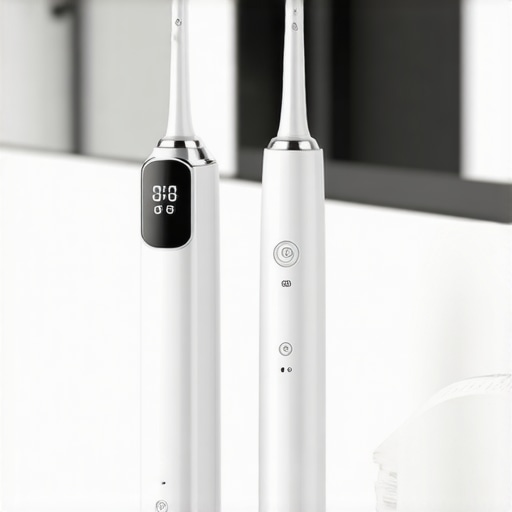
The Future of Your Bathroom Mirror
We are rapidly approaching an era where your bathroom mirror will do more than just reflect your face. I predict that within the next five years, integrated AI cameras in our home devices will use fluorescing light to highlight plaque in real-time, giving you a ‘heat map’ of where you need to brush. This kind of ‘bio-hacking’ for your mouth will turn maintaining oral health into a data-driven routine rather than a guessing game. To scale your results right now, I want you to try this one tip: use a water flosser with lukewarm, slightly salted water for two weeks. The saline helps shrink any minor gum swelling, and the warmth increases blood flow to the tissue, accelerating the healing of any micro-lesions you didn’t even know you had.
Lessons from the Lip-Biting Trenches
Reflecting on those early dental mishaps with my kids, I’ve realized that the most important part of the visit isn’t the procedure itself; it’s the transition back to reality. Here are a few lightbulb moments from my journey as a parent: First, the most dangerous time is the 30-to-60-minute mark when a child gets bored and starts ‘testing’ their lip. Second, silent gnawing is often far more damaging than a quick pinch, so don’t assume silence means safety. Finally, I’ve learned that distraction is much more effective than instruction. By staying vigilant, you can ensure that maintaining perfect oral health as a family remains a positive, trauma-free experience.
#IMAGE_PLACEHOLDER_E#
The Dental Survival Kit I Keep in My Purse
I don’t leave recovery to chance anymore. My toolkit for family dentistry success includes three non-negotiables. I always carry medical-grade cotton rolls for a superior bite-buffer, a high-frequency sonic toothbrush that ensures professional-level cleaning at home, and a small bottle of saline for soothing any accidental soft-tissue irritation. If you are specifically managing cosmetic concerns like black triangles appearing between your teeth, having these precision tools on hand is essential for preventing debris from gathering in those delicate gaps.
Your Path to a Lifetime of Healthy Smiles
At the end of the day, excellent dental care isn’t about being perfect—it’s about being proactive and informed. Whether you are navigating the tricky hour after a toddler’s filling or debunking common oral health myths, your consistent involvement is what builds a legacy of health. You have the power to change the narrative for your children so they grow up without dental dread. Remember that maintaining oral health is a marathon, not a sprint. Take it one brush, one floss, and one proactive appointment at a time. You’ve got this! Have you ever had a toddler ‘explore’ their numb lip a little too much after an appointment? Let me know your best distraction tricks in the comments below!