
I still remember the crunch of that early morning, realizing my son had chipped his front tooth during a rough soccer game. My heart sank as I saw the jagged edge, and suddenly, that familiar feeling of helplessness took over. In that moment, I learned a vital lesson: emergencies don’t watch the clock. And trust me, I’ve been there—left scrambling, wondering how to handle a dental crisis when my regular dentist’s office was closed and no immediate help was available.
Why Beach Days or Sports Mishaps Can Turn Into Dental Nightmares Without Warning
Is DIY Fixing a Broken Tooth a Good Idea or Just Risky Hacking?
Early on, I made the mistake of attempting to glue the chip back with household superglue—yep, a rookie move that made things worse. It’s a common temptation; after all, you want to fix the problem fast. But I learned that quick fixes without professional guidance can cause more harm than good. According to experts, such improvisations can lead to infections or make the repair more complicated later. Instead, knowing what to do immediately can make a significant difference in saving your tooth and avoiding costly procedures. You might be concerned, “Is this really worth losing sleep over?” Absolutely. When your child or even yourself faces a dental emergency, act wisely. Being prepared with the right knowledge ensures you’re not left helpless or rushed into unnecessary treatments. If you’re curious about maintaining your family’s oral health proactively, I highly recommend checking out this guide on how regular teeth cleaning can prevent emergencies. Now, let’s navigate the practical steps to handle issues like chipped teeth, knocked-out teeth, or severe toothaches—just like I did after that day at the soccer field—and come out on top.
Master Daily Brushing and Flossing Routines
In my experience, establishing a consistent morning and night brushing routine is the foundation of good oral health. I remember vividly the mess of trying to brush my kids’ teeth before bed—sticky toothpaste, squirming children—but that routine paid off over time. Use a soft-bristled toothbrush and fluoride toothpaste, and brush for at least two minutes, making sure to reach all surfaces. Don’t forget to gently brush your tongue—this helps eliminate bacteria and keeps breath fresh. Incorporate daily flossing, which reaches between teeth where a toothbrush can’t—the secret lies in gentle, sawing motions rather than forceful ripping. Maintaining these habits prevents plaque buildup and cavities, acting as your first line of defense. For a deeper understanding of effective techniques, check out this guide.
Use Mouthwash Strategically for Maximum Benefit
Mouthwash can be a game-changer, especially when used in conjunction with brushing and flossing. I used to skip this step, thinking it was unnecessary, until I learned how antiseptic rinses reduce bacteria and freshen breath instantly. When choosing a mouthwash, opt for alcohol-free options to avoid dryness and irritation. Swish for 30 seconds, making sure the liquid reaches all corners of your mouth—this is like giving your teeth an extra protective layer. Be cautious not to eat or drink immediately after rinsing to allow the active ingredients to work effectively. Incorporate mouthwash into your daily routine to create a comprehensive oral care habit. For specifics on effective mouthwash use, visit this resource.
Watch Your Diet to Protect Your Smile
Diet plays a crucial role in dental health, akin to fueling a car—quality fuel keeps it running smoothly. I made the mistake of indulging in too many sugary snacks, which led to early cavities in my family. Focus on nutrient-rich foods like crunchy vegetables and dairy products, which naturally clean teeth and supply calcium for strong enamel. Limit acidic drinks like soda and citrus juices—they can erode enamel over time. Drinking plenty of water, especially after meals, helps wash away food particles and neutralizes acids. Remember, what you eat directly affects your oral health, so choose wisely and regularly consult this guide for tips on maintaining a balanced diet for strong teeth.
Schedule Regular Dental Check-Ups
Despite stellar home care, professional cleanings are irreplaceable. I discovered this when my dentist removed stubborn plaque during a routine visit that I couldn’t reach with my toothbrush. Regular check-ups allow the dentist to spot early signs of issues like cavities or gum disease before they become painful and costly. During these visits, professional cleaning removes tartar and smooths surfaces exposed to daily wear. It also offers an opportunity to discuss any concerns or habits that might harm your teeth. I advise scheduling biannual appointments and keeping track of any changes in your oral health. Explore family dentistry tips to make clinic visits smooth and effective.
Protect Against Accidental Damage and Wear
Almost unknowingly, everyday habits or activities can damage your teeth—think of using your teeth as tools or grinding at night. I learned this the hard way when I accidentally bit into a hard nut with my front teeth, causing a minor chip. To prevent such damage, consider wearing a mouthguard during sports or at night if you grind your teeth (bruxism). These devices act like shock absorbers, absorbing impact and reducing stress on your enamel. Additionally, avoid habits like opening packages with teeth or chewing ice, which can lead to cracks or chips. Regular check-ups can also detect early signs of wear, allowing for interventions like cosmetic bonding to restore structure. For advanced protection options, explore cosmetic dentistry innovations.Many believe that a quick brush and floss daily suffice for optimal oral health, but the reality is far more intricate. A common misconception is that all dental cleanings are equally effective, yet professional techniques and the tools used can significantly impact outcomes. For instance, skipping regular check-ups or relying solely on at-home care can leave subtle plaque buildup, particularly in hard-to-reach areas, which gradually leads to tartar formation and gum disease, as highlighted in this comprehensive guide. One hidden nuance often overlooked is the importance of choosing the right cleaning tools; electric toothbrushes with oscillating heads have been shown to remove plaque more effectively than manual brushes, especially when combined with proper technique. In fact, a study by the American Dental Association points out that improper brushing angles can cause gum recession or enamel erosion, leading many to think they are cleaning thoroughly when they might actually be damaging their teeth—so, it’s crucial to master correct brushing habits, as discussed in this resource.
Why does superficial cleaning fall short in long-term oral health?
The key lies in understanding that plaque begins accumulating within hours, and neglecting the nuances of effective removal can allow bacteria to proliferate unnoticed. Some believe that a quick brush during busy mornings is enough, but expert advice emphasizes twice-daily, thorough cleaning combined with interdental flossing and occasional use of antimicrobial mouthwashes — methods proven to reduce gingivitis and cavities. Moreover, many underestimate the role of targeted treatments like professional scaling or fluoridation, which help rebuild enamel and protect against acid attacks. Avoiding these advanced steps can be a trap, leading to silent deterioration, as explained here.
What are the myths that could be sabotaging your dental efforts?
One prevalent myth is that whitening toothpastes can replace professional whitening; however, they only remove surface stains and don’t alter the natural shade of your teeth. Another is that sensitive teeth are solely due to brushing too hard — while this can contribute, underlying issues like receding gums or enamel erosion often play a bigger role, which calls for a professional diagnosis rather than self-treatment. Recognizing these pitfalls is essential to avoid unnecessarily damaging your teeth and wasting money. Check out this updated myth-busting article to stay informed.
Having the right knowledge about the complexities beyond simple brushing can dramatically improve your oral health trajectory. Are you making any of these common mistakes? Have you ever fallen into this trap? Let me know in the comments, and share your experiences or questions. Remember, mastering these nuanced aspects is the secret to maintaining a lifetime of healthy, confident smiles.
Keeping Your Dental Equipment and Routine Effective Over Time
Consistent oral health starts with using the right tools and maintaining them properly. I personally favor electric toothbrushes with oscillating heads, like the Sonicare DiamondClean, because studies show they outperform manual brushes in plaque removal, especially in hard-to-reach areas. Regularly replacing brush heads—every three months—is crucial to prevent bacteria buildup and maintain cleaning efficacy. Incorporating interdental cleaners like water flossers, such as the Waterpik Ultra, has transformed my routine, providing a more thorough clean between teeth than traditional flossing alone. The pulsating action effectively disrupts plaque, reducing the risk of gum disease. I suggest setting reminders to replace or sterilize tools, ensuring you’re always working with optimal equipment.
To track your progress and get personalized advice, I rely on digital apps that sync with your devices—like the Philips Sonicare app—which can give feedback on brushing habits and help set goals. As technology advances, AI-powered toothbrushes are coming soon, promising even smarter oral care. In the future, I predict a shift toward integrated oral health ecosystems that combine real-time diagnostics with professional guidance, making maintenance more proactive.
How do I keep my oral care routine effective as I age?
Maintaining long-term results involves adapting your tools and techniques. Regular professional cleanings (at least twice yearly) are essential because they remove tartar and catch early signs of issues that home care might miss. I also recommend using specialized toothpaste that contains fluoride and ingredients like CPP-ACP to strengthen enamel against acid erosion, as supported by recent research from the NIH. Additionally, lifestyle choices such as reducing sugary snacks and avoiding tobacco further protect your investment in oral health. Incorporating techniques from this comprehensive guide can help refine your daily habits.
Remember, consistent maintenance is key. By combining the right tools—like electric toothbrushes and water flossers—and staying vigilant with routine check-ups, you can preserve your smile for decades to come. Don’t forget to review recent innovations like laser dentistry and bioactive restorative materials, which are making treatments less invasive and more durable. For advanced tips on preserving your smile, I recommend trying the method of regular saltwater rinses post-cleaning, which supports healing and reduces bacterial load effectively.
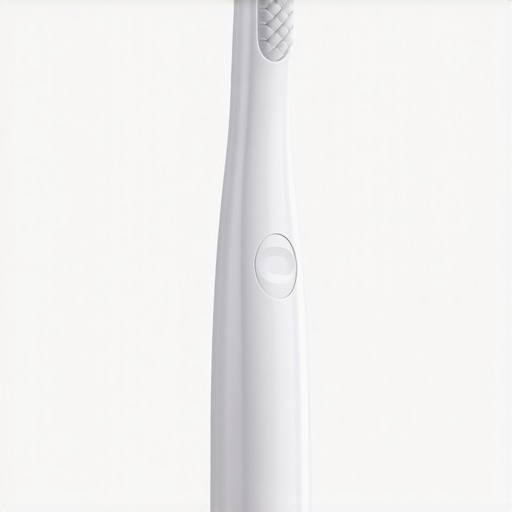
Image prompt: Close-up of modern electric toothbrush with replaceable head, disinfected and ready for use, showcasing the latest in dental tech. Alt text: Electric toothbrush with new head for optimal oral hygiene. Title: Advanced Dental Tools for Long-Term Care.
Reflecting on my dental journey, I realized that some of the most impactful lessons came from my own mistakes and revelations. Knowing which habits truly protect your smile, and which myths can sabotage your efforts, can give you an edge in maintaining oral health for life. Over the years, I’ve uncovered insights that dentists might not always emphasize but are crucial for lasting results.
The Hardest Lesson I Learned About Teeth Cleaning and Family Dentistry
- Consistency Beats Perfection: No matter how high-quality your tools are, skipping regular cleanings or rushing through routines undermines your efforts. I learned that gentle, thorough daily habits combined with professional advice deliver the best long-term outcomes.
- Everyone’s Smile Is Unique: What works for one person might not suit another. Personalized advice from your dentist can help tailor routines that respect your dental anatomy and lifestyle, preventing unnecessary damage like gum recession or enamel erosion.
- More Than Just a Clean Mouth: Family dentistry isn’t just about cavities; it’s about nurturing oral health as an integral part of overall wellness. Addressing issues early—even minor sensitivities—can save you pain and money later.
- Busting Myths—Getting Real Results: Believing that whitening toothpaste or over-the-counter remedies substitute professional treatments can delay meaningful improvements. Combining trustworthy advice with proper treatments makes all the difference.
- The Power of Education: Understanding the science behind dental care empowers you to make proactive choices, reducing fears and boosting confidence in your routines.
Tools and Tips That Transformed My Approach to Smile Care
- Electric Toothbrushes with Oscillating Heads: They outperform manual brushes by removing plaque more effectively, especially in hard-to-reach areas—an investment that pays for itself in healthier teeth.
- Water Flossers: My game-changer for interdental cleaning; they significantly reduce plaque buildup and are gentler on gums, making flossing easier and more thorough.
- Regular Check-Ups with Preventive Focus: Scheduling biannual visits allows early detection of issues like tartar buildup or gum disease, keeping small problems from becoming big ones. Explore this guide for tips on maximizing your dental visits.
- Proper Diet Choices: Limiting sugary snacks and acidic drinks, while incorporating calcium-rich foods, supports enamel strength. Drinking water after meals is a simple but powerful habit.
- Mindful Habits: Avoiding opening packages with teeth or chewing on ice preserves your enamel. Using mouthguards during sports or nighttime grinding protects against accidental chips and fractures.
Why Small, Consistent Changes Make a Life of Difference
My biggest revelation? Small, intentional habits compound over time. From choosing the right toothbrush to understanding the importance of fluoride, each choice adds up. Staying informed through trusted resources like this comprehensive guide has helped me tailor my routine and avoid costly mistakes. Remember, your smile is an investment—treat it with care, and it will reward you with confidence and health for a lifetime.