
It was a morning like any other, but as I looked into the mirror, I noticed it—the unmistakable yellowish film coating my clear aligners. Disappointing, embarrassing, and a bit disgusting. I knew I wasn’t alone in this struggle—a sneaky buildup that threatens to ruin the sleek look of my smile and the confidence I work hard to maintain. That lightbulb moment made me realize: I needed a better solution than just shrugging it off or brushing it away randomly.
Why We Can’t Ignore That Unwanted Film
Most of us get clear aligners to improve our smile discreetly, so seeing that yellow film is more than just a cosmetic annoyance. It’s a sign that bacteria and plaque are hiding right where we can’t see them, risking oral health and the longevity of the aligners. Trust me, I’ve been there—initially brushing just enough to make it look clean, only to find the film stubbornly returning. That mistake? Not cleaning them properly and assuming that regular brushing was enough. Turns out, these invisible films are a lot more resilient than they seem.
Interestingly, a study from the American Dental Association states that improper aligner care can lead to increased bacteria buildup, which may contribute to bad breath, staining, and even cavities. So, ignoring that yellow film isn’t just about aesthetics; it’s about protecting your oral health in the long run.
Have You Faced This Problem?
If you’ve ever looked at your aligners and wondered, “Why do they look so yellow?” you’re not alone. Many people underestimate how much bacteria and residue can accumulate over just a few days. I admit, early on, I made the mistake of soaking my aligners in just plain water or skipping regular cleaning—big no-no. The key is understanding that effective cleaning routines are essential to keep your smile bright and your aligners clear. Ready to learn the secrets that transformed my routine and can do the same for you? Let’s dive deeper into proven methods to banish that stubborn yellow film for good.
Establish a Daily Cleaning Routine
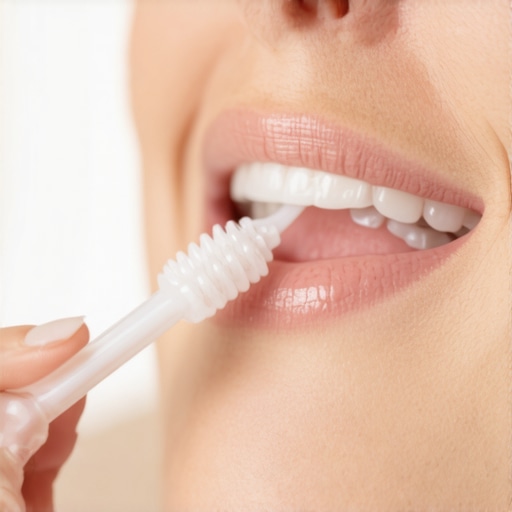
Start by rinsing your aligners with lukewarm water immediately after removal. Use a soft toothbrush dedicated to your aligners—avoid using your regular toothbrush to prevent cross-contamination. Gently brush all surfaces to dislodge plaque and residue. I once skipped this step for a couple of days, and the yellow film became more stubborn, reminding me how consistency prevents buildup.
Use Appropriate Cleaning Solutions
Soaking your aligners in a denture or retainer cleaning tablet once a day can be highly effective. Dissolve the tablet in a glass of lukewarm water, following the product instructions carefully. This process acts like a deep clean, similar to how a dishwasher restores shine to dishes—removing hidden grime. I found that weekly soaks keep my aligners crystal clear and prevent discoloration.
Avoid Harsh Chemicals and Hot Water
Hot water can warp the plastic, while bleach or hydrogen peroxide, if overused, can damage the material. Always stick to specially formulated solutions or a mixture of vinegar and water for a natural alternative. When I accidentally used boiling water once, my aligners warped slightly, making them uncomfortable—lesson learned: keep the cleaning gentle and proper.
Incorporate Whitening Pastes
For stubborn stains, gently brush your aligners with a whitening toothpaste designed for sensitive plastics. Be cautious not to scrub too hard, as abrasives can scratch the surface. This works like polishing jewelry—restoring brightness without damaging the piece. I used this method occasionally, noticing a significant reduction in yellowing after a few treatments.
Maintain Good Oral Hygiene Habits
Brush and floss your teeth thoroughly before reinserting aligners. Less residual bacteria on your teeth means less transfer onto your aligners, reducing film formation. Think of it as sealing a painted surface to keep it pristine—clean teeth help keep aligners clear. Regular visits to your family dentist (check family dentistry tips) ensure your overall oral health supports your aligner care routine.
Store Your Aligners Properly
When not in use, keep your aligners in their protective case, avoiding exposure to dust, saliva, and bacteria that can cause staining. Clean the case regularly to prevent recontamination. This step is like washing your reusable water bottle; clean storage keeps everything fresh. I adopted this practice, and it significantly minimized new buildup.
< }Many believe that achieving a perfect smile is simply about getting veneers or whitening treatments, but the reality is much more nuanced. One widespread myth is that cosmetic procedures are purely superficial and don’t impact overall oral health. In truth, neglecting the functional aspects of your dental health in pursuit of aesthetics can lead to long-term issues. For example, misaligned veneers can cause bite problems if not carefully planned, emphasizing the importance of comprehensive treatment planning, as discussed in expert sources like cosmetic dentistry insights.
Another misconception is that regular teeth cleaning is only necessary when there’s noticeable staining or discomfort. However, professional cleaning not only maintains appearance but also prevents plaque buildup that can lead to gum disease and systemic health problems. In fact, studies show that periodontal health directly influences cardiovascular health, highlighting the importance of consistent professional care. Don’t fall for the trap of thinking that brushing alone suffices; remember, effective cleanings involve tools and techniques that remove hidden tartar and bacteria—more than what daily brushing can achieve. For advanced tips, check out proven cleaning strategies.
Some people underestimate the significance of family dentistry, believing it’s only for children. In reality, a family-oriented approach provides continuous, personalized care that adapts to changing dental needs throughout life. It’s a common mistake to neglect periodic comprehensive assessments as you age, which can result in missed early detection of issues like cavities or oral cancers. Regular visits allow for early intervention, saving you money and discomfort later on. Visit family dentistry tips for more insights.
What about advanced mistakes? One often overlooked aspect is the importance of personalized oral health routines. Using generic advice or DIY remedies without professional guidance can cause more harm than good. For example, overuse of whitening agents or harsh abrasives may damage enamel, especially if you have sensitive teeth. A study by the American Dental Association emphasizes that tailored treatment plans are crucial for effective and safe results, reinforcing the need to consult with dental professionals rather than relying solely on online tips or temporary fixes.
Have you ever fallen into this trap? Let me know in the comments. Remember, understanding these nuanced aspects of dental care can save you time, money, and discomfort, ensuring your smile remains healthy and radiant for years to come.
Keeping your dental health in top shape isn’t just about daily brushing and occasional visits to the dentist; it involves investing in the right tools and adopting effective methods that ensure your smile remains vibrant for years to come. Over the years, I’ve tested and refined my arsenal of dental maintenance tools, and I can confidently say that choosing quality equipment makes all the difference.
Invest in a Sonic Toothbrush for Superior Cleaning
Traditional manual brushes can only do so much, especially when it comes to reaching tricky areas between teeth and along the gumline. I personally rely on a sonic toothbrush like the Phillips Sonicare series, which operates at high frequencies to dislodge plaque that manual brushing might miss. This technology not only enhances daily cleaning but also reduces the risk of gum disease and cavities, helping my long-term oral health.
Use Interdental Cleaners for Complete Oral Care
Even with a stellar toothbrush, plaque buildup in tight spots can be a challenge. I recommend high-quality interdental brushes like the TePe® Select or GUM Eez-Thru® for effective cleaning between teeth. These tools reach areas that floss can sometimes miss, especially if you have braces or wider gaps. Regular use prevents stubborn plaque, ultimately saving you from more invasive procedures later.
Implement a Consistent Flossing Technique
Flossing remains vital, but technique matters. I swear by the ‘C’ shape method, gently hugging the tooth surface, which effectively removes debris along the gumline without causing irritation. Flossing every night after brushing ensures no residual food or bacteria linger, maintaining fresh breath and healthy gums. For those with sensitive gums, I suggest trying silicone-based floss picks, which are gentler yet effective.
Regular Professional Cleanings with Advanced Equipment
Beyond at-home care, professional cleanings are crucial. Modern dental practices now utilize ultrasonic scalers and air polishing devices, which I find particularly effective at removing tartar even in hard-to-reach areas. Scheduling biannual visits ensures your dental team can address early signs of issues before they escalate. For an extra layer of protection, inquire about laser periodontal therapy if you have gum concerns; studies indicate it can improve healing and reduce bacterial load (American Academy of Periodontology, 2022).
Long-Term Results Through Digital Monitoring
Advancements in dental technology have introduced digital oral health monitoring tools, such as AI-powered apps that help you track your cleaning habits. I use a dental health app that reminds me when to replace my toothbrush head, record your bleeding gum scores, and provide personalized tips. Leveraging these tools enables you to refine your routine continually, ensuring sustained oral wellness.
Looking ahead, the trend is moving towards integrated health tech that consolidates dental and overall health data for personalized care plans. Staying ahead with the latest gadgets and techniques can make a significant difference in your smile’s longevity.
How do I maintain my tools over time?
Proper maintenance of your dental tools is vital. Rinse brushes thoroughly after each use and store them upright to air dry, preventing bacterial growth. Replace toothbrush heads every three months or sooner if bristles fray. Clean interdental brushes with warm, soapy water regularly, and sterilize reusable picks periodically. Using a UV sterilizer for your flossing devices and tools can also keep bacteria at bay, extending their lifespan and effectiveness. Adopting this disciplined approach ensures your tools remain effective and safe for daily use. For more tips on maintaining your oral health equipment, visit teeth cleaning secrets. Try integrating a high-frequency sonic toothbrush into your routine today and experience the difference proper maintenance can make!
Over the years, I’ve learned that achieving and maintaining a radiant smile isn’t solely about quick fixes or trendy treatments; it’s about embracing a comprehensive, personalized approach to oral health. The insights I’ve gathered from my journey—both professional and personal—have transformed the way I care for my teeth and share this knowledge with others.
Lessons That Changed My Approach to Smile Care
- Consistent routines trump sporadic efforts: I used to think occasional deep cleanings were enough, but I realized that daily habits like rinsing aligners and gentle brushing are what truly prevent stubborn yellow film and bacterial buildup.
- Personalized care beats generic advice: Every smile is unique; trusting dental professionals to customize cleaning routines and treatment plans makes a significant difference in long-term results.
- Prevention is the best investment: Addressing minor issues early with professional cleanings and proper tools saves you from costly repairs and discomfort later.
- Tools matter as much as technique: High-quality ultrasonic scalers and proper storage of dental tools ensure that maintenance is effective and safe, reducing the risk of recontamination or damage.
- Education empowers proactive care: Staying informed about the latest advancements, like digital monitoring, helps me stay ahead and keep my smile in optimal condition.
Tools and Resources That Elevate My Oral Care Routine
- Teeth Cleaning Secrets: This comprehensive guide helped me understand effective techniques for daily and professional cleaning.
- Family Dentistry Tips: Regular family check-ups ensure everyone’s oral health is maintained as it evolves over time.
- Oral Health for Families: These strategies remind me that health begins at home but is supported by expert guidance.
- Cosmetic Dentistry Trends: Keeping up with innovations helps me make informed decisions about treatments that beautify and preserve my smile.
The Power of Your Smile: Take Action Today
Remember, maintaining a bright and healthy smile is an ongoing journey that rewards you with confidence and well-being. Don’t wait for problems to arise—start applying these insights today, and your future self will thank you. Your new routine can be simple, effective, and tailored just for you. Let’s keep inspiring each other to smile brighter and healthier every day!
What small change are you ready to implement in your oral health routine today? Share your plans below – I’d love to hear your story!
,