
I vividly remember the day I finally decided to get dentures. I was brushing my natural teeth, as I did every morning, when I suddenly realized—what if this is my last real smile? That lightbulb moment hit hard. The fear of losing my teeth and the anxiety about what comes next can be overwhelming. I felt unprepared, lost in a sea of questions about how to make the transition smooth and manageable. That experience stuck with me, and since then, I’ve dedicated myself to helping others navigate this important phase.
Understanding the First Step Toward Confident Smiles
Choosing to move to dentures is a significant milestone, and honestly, it’s often accompanied by a mix of relief and uncertainty. Many people don’t realize how common this journey is, and yet, the fears surrounding it—like discomfort, speech difficulties, or even the embarrassing idea of slipping dentures—are very real. The good news? With the right approach, you can make this transition comfortably and confidently. Today, I promise to share practical, tried-and-true tips that have truly made a difference in my experience and in the stories of countless patients I’ve worked with.
Is Dreading the Adjustment Actually Justified?
Initially, I made a big mistake by neglecting the importance of proper fitting and ongoing care. I thought I could just pop them in and go about my day. But that led to sore spots and a lack of confidence. It’s a common trap—believing that once dentures are in, your worries are over. But that’s far from the truth. Proper adjustment, patience, and learning how to care for your new dentures are key. Experts agree that regular dental checkups can prevent many common problems—like sore spots or poor fit—which can make you more comfortable in your new smile. In fact, regular cleanings are proven to extend the lifespan of your dentures and improve overall comfort.
Secure Your Fit with Regular Adjustments
After getting dentures, the first crucial step is ensuring they fit perfectly. During my own experience, I vividly recall how a simple visit for a reline transformed my comfort levels overnight. Schedule follow-up appointments with your dentist every six months to tweak the fit, preventing sore spots and slippage. Think of your dentures like a bespoke pair of shoes; they need periodic adjustments to remain comfortable and functional. Don’t wait until discomfort occurs—proactive adjustments make all the difference.
Identify Early Signs of Poor Fit
Feel a clicking sensation or notice sore areas? These clues indicate that your dentures may have shifted. Address these issues promptly by consulting your dental professional, who might recommend reline or rebasing procedures. This proactive approach maintains your confidence while eating or speaking and prolongs the lifespan of your dentures. Remember, neglecting fit issues can accelerate wear and cause bone resorption, complicating future treatments.
Enhance Your Oral Hygiene Routine
Keeping your mouth healthy with dentures is vital. Regular cleaning prevents plaque buildup beneath the appliances, which can lead to inflammation or infections. When I first started cleaning my dentures, I made the mistake of brushing them too vigorously, which caused scratches. Now, I use a soft-bristled brush and a specialized cleaner—similar to how you’d gently scrub a delicate piece of jewelry. Incorporate daily rinsing of your mouth to remove trapped food particles, promoting healing and fresh breath.
Use Proper Cleaning Techniques
Soaking dentures overnight is essential. I use a mixture of warm water and denture cleaner, which dissolves deposits and disinfects. Avoid abrasive toothpaste or harsh chemicals, as these can damage the material—like scratching glass. For natural teeth and gums, gentle brushing with fluoride toothpaste helps maintain overall oral health. Remember, neglecting hygiene can lead to bad odors or oral infections, even with dentures in place.
Care for Your Gums and Surroundings
Your gums play a crucial role in supporting your dentures. Daily gentle massaging of the gums stimulates circulation and keeps tissues healthy. I learned this technique during my visits to a dental hygienist, which significantly improved my comfort. Using a soft cloth or finger to massage your gums after removing dentures can prevent tissue shrinkage and bone loss. Combining this with routine checkups ensures long-term oral health and a better fit for your prosthetics.
Incorporate Regular Professional Cleanings
Professional cleanings aren’t just for natural teeth—they are equally vital for maintaining denture health. Scheduling cleanings at your dentist’s office at least twice a year helps remove stubborn deposits and assess fit. I discovered how quick and comfortable these sessions are, especially when offsetting potential issues early. Regular cleanings cost less in the long run by preventing costly repairs or replacements, as supported by this guide.
Handle Damage Promptly and Effectively
If you experience a crack or loss of retention, don’t delay repairs. During my own experience, a small crack initially seemed harmless, but it quickly worsened without action. Your dentist can repair minor damages or advise on replacement. Acting swiftly preserves function and avoids discomfort or embarrassment. Think of your dentures like a finely tuned instrument—small issues, if ignored, can lead to significant problems down the line.
Prevent Future Damage with Careful Use
Only use your dentures as intended. Avoid hot water which can warp the material, and remove them at night to allow tissues to recover. Using denture adhesives can improve stability, but should be used judiciously and under professional guidance. Ensuring proper handling reduces the risk of accidental drops or fractures. Remember, a little extra care now pays off with durable, comfortable dentures for years to come, much like maintaining a well-oiled machine.
Build a Supportive Oral Care Network
Family dentists specialize in restorative and preventive work—consider regular visits not just for your dentures but for overall dental health. My own family dentist provided invaluable advice on nutrition and habits that support oral health—like minimizing sugary foods. Establishing trust with a dental professional ensures consistent guidance and personalized care, making your journey smoother. For comprehensive family dental tips, visit this resource.
Many people believe that brushing thoroughly twice a day is enough for optimal oral health, but the reality is more nuanced. In my experience, a common misconception is that aggressive brushing or over-cleaning can significantly improve dental hygiene, yet this often causes enamel erosion and gum recession, leading to sensitivity and increased risk of decay. The key is learning proper brushing techniques and understanding that quality trumps quantity. Experts emphasize that even with diligent brushing, neglecting other aspects like flossing, mouthwashing, and regular professional cleanings can undermine your efforts. Additionally, many assume that family dentistry is only necessary when problems arise, but preventative visits are crucial for early detection of issues that could develop into costly treatments later. Advanced techniques, such as using a soft-bristled brush and interdental cleaners, enhance effectiveness without damaging tissues. Moreover, there’s a myth that cosmetic dentistry offers quick fixes that last forever, but in reality, treatments like veneers or whitening require maintenance and realistic expectations. Especially with innovations like contouring and veneers, understanding the longevity and potential risks ensures you make informed choices.
Why does neglecting the subtle signs of gum recession or enamel wear lead to bigger problems down the line?
Research reveals that early signs often go unnoticed, yet they serve as critical indicators of underlying issues like periodontal disease or acid erosion. Addressing these symptoms promptly, with professional guidance, can prevent irreversible damage. In the realm of teeth cleaning, many overlook that polishing and plaque removal are only part of comprehensive care; incorporating techniques like scaling and fluoride treatments offers added protection. Regular dental visits, as highlighted in this article, not only safeguard your smile but also save money by preventing major procedures. When considering cosmetic options, it’s essential to understand that procedures are most effective when combined with proper oral health maintenance—otherwise, enhancements may not last as long as anticipated. Myths persist that whitening damages enamel; however, studies support that with professional guidance and appropriate products, results are both safe and durable. Remember, every aspect of your oral health is interconnected. Keeping your gums healthy, teeth clean, and smile bright demands awareness of the hidden factors and proactive care. Have you ever fallen into this trap? Let me know in the comments to share your experiences or ask questions about your dental journey.
Investing in the Right Tools Ensures Long-Term Success
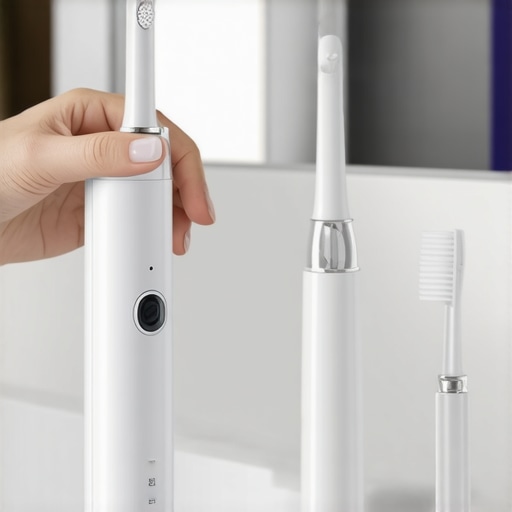
Maintaining your oral health over time isn’t just about visiting the dentist regularly; it’s equally about having the right tools at your disposal. Personally, I swear by using a high-quality electric toothbrush like the Oral-B Genius X. Its oscillating-rotating technology provides superior plaque removal, especially in hard-to-reach areas. Unlike manual brushes, this device ensures a consistent, thorough clean, which is essential for preventing issues like gum recession or enamel erosion. Moreover, its built-in timers help me stick to the two-minute brushing rule, ensuring I don’t cut corners.
Complementing the electric toothbrush, I highly recommend a water flosser such as the Waterpik Aquarius. For me, traditional flossing sometimes misses plaque between tightly packed teeth, but the water flosser effectively reaches those stubborn spots. This tool has played a significant role in reducing my gum inflammation and preventing bleeding, especially during orthodontic treatments or after cosmetic procedures like veneers. Regular use of these devices aligns perfectly with the latest research emphasizing their benefits in advanced cleaning techniques.
How do I maintain my tools over time?
Proper maintenance of your dental tools ensures their longevity and effectiveness. I rinse my electric toothbrush head thoroughly after each use and replace it every three months to prevent bacterial buildup. For water flossers, descaling every few months is vital to avoid mineral deposits that can impair performance. Following manufacturer guidelines for cleaning and replacing parts minimizes the risk of harboring bacteria that could compromise your oral health. Investing in reputable devices also means they come with detailed instructions—adhering to these ensures optimal function.
Future trends in oral care technology
The future of dental tools is exciting—expect smarter devices integrated with AI to monitor your brushing habits and provide personalized feedback. Companies are developing apps that sync with these tools, helping you understand your cleaning patterns and identify areas needing improvement. These innovations promise to make home care more effective and accessible, especially for those with limited access to dental services. Staying updated and adopting these cutting-edge tools can transform your oral health routine into a proactive, science-backed practice.
Make a change today
Why not try a smart electric toothbrush or water flosser today? These tools can significantly elevate your at-home cleaning routine, helping you maintain a healthy smile for years to come. Remember, consistent use and proper maintenance are key. For more insights on effective cleaning techniques, explore this comprehensive guide and start transforming your oral hygiene routine now!
The Hardest Lesson I Learned About Maintaining a Bright Smile
One of the most profound lessons came from realizing that even the best dental work can be undone without proper aftercare. It’s tempting to think that a professional procedure is the end of the story, but consistent maintenance—like regular cleanings and diligent oral hygiene—is what truly preserves your smile. Neglecting this can lead to quicker wear, discoloration, and even the need for repeat treatments. This taught me that investing time daily in good habits pays dividends over the years.
Myths That Mask the Truth About Oral Health
Believing that whitening damages enamel or that brushing harder cleans better are common misconceptions. I once fell into the trap of overbrushing, which caused gum recession. Realizing that gentle, thorough cleaning is effective, and that modern cosmetic dentistry offers safe enhancement options, was eye-opening. These myths can hold you back from achieving optimal oral health, so seeking reliable information is essential.
Why Personalized Care Matters More Than Generic Advice
Every smile is unique, and what works for one person might not suit another. During my journey, I learned the importance of tailored advice from a trusted dental professional. Whether it’s choosing the right toothbrush or planning cosmetic improvements, personalized guidance ensures better outcomes and satisfaction. Don’t hesitate to ask your dentist about what’s specifically best for your oral health.
Curated Tools That Transformed My Routine
Investing in high-quality tools made a noticeable difference. I trust my electric toothbrush for its superior plaque removal, and my water flosser reaches nooks that traditional floss can miss. These tools have empowered me to take control of my oral care—saving time, money, and discomfort in the long run.
Embrace the Evolution of Cosmetic and Family Dentistry
Advancements like contouring, veneers, and minimally invasive procedures are changing how we approach smile enhancements. Personally, understanding these options helped me make informed decisions without fear. Whether you’re seeking a cosmetic boost or preventive care for your family, staying updated with the latest innovations—like those highlighted in these advancements—allows you to maximize your oral health journey.
Let Your Confidence Shine Through
The most valuable lesson? Your smile is a potent expression of your confidence and well-being. Taking proactive steps—regular checkups, proper hygiene, and embracing technological innovations—can make your smile not just beautiful but enduring. Every small effort counts towards long-lasting happiness with your oral health.