
I’ll never forget the morning I sat across from my best friend at brunch, feeling absolutely confident in my invisible braces, only to catch a glimpse of myself in the reflection of a polished silver spoon. My aligners weren’t invisible. They were a murky, dingy shade of corn-husk yellow. It was mortifying. I had invested so much in cosmetic dentistry to finally feel proud of my smile, yet there I was, walking around with plastic trays that looked like they’d been soaked in old tea. I felt like a total fraud, hiding my teeth behind my hand every time I laughed. That moment was my wake-up call. I realized that clear aligner hygiene is just as critical as the treatment itself if you want to maintain that ‘unnoticeable’ look.
Why Your Clear Aligners Stop Looking So Clear
The truth is, these trays are made of a porous medical-grade plastic that loves to soak up pigments. When I first started my journey, I made the classic rookie mistake of soaking my aligners in a bright blue mouthwash because I thought it would make them smell ‘minty fresh.’ Instead, they turned a bizarre, neon teal-yellow that no amount of scrubbing could fix. It’s similar to the reason your teeth look yellow even though you brush twice daily; bacteria and microscopic food particles find their way into the tiniest crevices and set up camp. If you aren’t using the right teeth cleaning techniques for your trays, you are essentially wearing a stained coat over your teeth. According to a study published by the National Institutes of Health (NIH), thermoplastic aligner materials are significantly prone to ‘chromatic instability’—a fancy way of saying they stain easily—when exposed to common substances like coffee or even certain lip balms.
Will These Trays Ever Actually Stay Invisible?
It’s the question that kept me up at night after my blue-mouthwash disaster. You start to wonder if the ‘clear’ part of clear aligners is just a marketing gimmick. I promise you, it’s not. But you have to be more proactive than just rinsing them under the tap. Have you ever pulled out your aligners at a restaurant and realized they looked more like a piece of old scotch tape than a medical device? If so, you’re not alone, and I’m going to show you exactly how to reverse that dinginess.
Stop the Staining Before It Starts
Maintaining that ‘fresh out of the box’ clarity requires a mix of the right products and a bit of discipline. I used to think I could cheat the system by sipping iced coffee through a straw, but the backwash still managed to coat the inside of the trays. It was a mess. If you’re struggling with persistent discoloration or if your gums are starting to feel the effects of trapped bacteria, it might be time to reach out to a professional who understands the nuances of aligner care. Today, I’m sharing the specific routine that saved my trays (and my sanity), ensuring your investment in your smile stays as bright as you intended.
Master the Art of the 5-Minute Scrub
Think of your aligners like a pair of high-end glasses. If you smudge them or scratch the surface, your vision (or in this case, your smile) becomes cloudy and distorted. Every morning and every night, you need to perform a gentle but thorough mechanical cleaning. I learned this the hard way during my second month of treatment. I thought a quick rinse was enough, but I started noticing a white, chalky buildup near the edges. It was plaque that had calcified onto the plastic. I took a standard toothbrush and went to town, scrubbing as hard as I could. Big mistake. I ended up creating microscopic scratches that made the trays look permanently foggy. To avoid this, you must use a soft-bristled brush—similar to why your gums recede faster if you use a hard-bristled brush on your actual teeth. The goal is to sweep away the biofilm without etching the material. Use a clear, fragrance-free liquid soap rather than toothpaste. Most toothpastes contain abrasives like silica that are designed to polish enamel but will ruin the finish of a thermoplastic tray.
Keep Your Commuter Kit Ready
Execution falls apart when you are away from home. I keep a small pouch in my car with a travel brush and a tiny bottle of clear soap. If I’m at a business lunch, I don’t just pop my trays back in after a quick water swish. If you trap food particles against your teeth, you’re basically marinating your enamel in acid, which is a fast track for decay. Maintaining this level of oral health requires that ‘rinse and brush’ discipline every single time you eat.
Deep Cleaning Without the Chemical Aftertaste
Once a day, your trays need a chemical bath to kill the bacteria that a brush can’t reach. I used to use those fizzy denture tablets, but I found they left a weird, medicinal film. Now, I stick to specialized cleaning crystals or a simple mixture of white vinegar and water. The acidity of the vinegar breaks down the mineral deposits without warping the plastic. 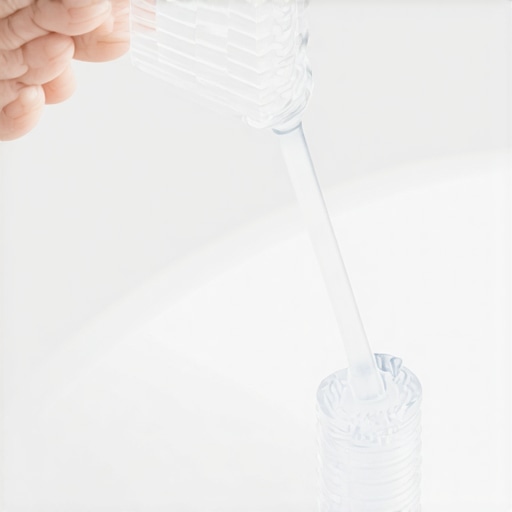
Skip the Mouthwash and Grab the Crystals
I cannot stress this enough: stay away from colored soaks. My ‘neon teal’ disaster happened because the plastic is incredibly porous when it sits in liquid. If you use a green or blue mouthwash, the pigment will migrate into the tray. Instead, look into revolutionary teeth cleaning techniques that utilize ultrasonic cleaners. These small devices use high-frequency sound waves to create cavitation bubbles that blast away debris from the tiniest crevices of the aligner. It’s the same technology jewelers use to clean diamonds, and it works wonders for maintaining that ‘invisible’ look.
Reinsertion is the Most Critical Moment
The biggest mistake you can make happens right before the trays go back in your mouth. If you’ve just finished a latte, your saliva is acidic and full of tannins. Even if you think you’ve swallowed it all, those pigments linger. I’ve noticed that the reason your coffee stains are harder to remove than others often comes down to how long those liquids sit on your surfaces. When you put an aligner back in, it creates a seal. If there is coffee residue on your teeth, it is now locked against the plastic for the next several hours. You should learn how to clean coffee stains off your teeth effectively before ever snapping those trays back into place. I make it a rule to drink a full glass of water to neutralize my mouth’s pH before reinsertion. This simple step saved me from the dreaded yellow tint that ruined my brunch experience.
Most people assume that if their trays look clear under the bathroom light, they are perfectly clean. I call this the ‘cleanliness illusion.’ Even when the plastic seems transparent, it can be coated in a microscopic protein film from your saliva that hardens over time, creating a breeding ground for bacteria. This is one of those oral health myths busted by dental professionals: visual clarity does not always equal hygiene. If you ignore this invisible layer, you are just trapping plaque against your enamel for 22 hours a day.
Stop Using Toothpaste on Your Clear Aligners
Here is a contrarian truth that surprises many of my friends: toothpaste is actually one of the worst things you can use for daily aligner maintenance. While we are taught that toothpaste is the gold standard for teeth, most brands contain abrasive particles like silica. These are great for polishing tough enamel but disastrous for medical-grade thermoplastic. They create thousands of tiny micro-scratches that dull the finish and give bacteria a place to hide. Instead of using your regular paste, stick to mild, clear liquid soaps or specialized cleaning tablets that avoid mechanical abrasion. This ensures you are maintaining oral health without compromising the structural integrity of your expensive trays.
Can You Actually Restore a Tray That Has Gone Cloudy?
If you have already made the mistake of using an abrasive brush and your trays look like frosted glass, don’t panic. While you cannot ‘buff out’ physical scratches, you can often remove heavy mineral buildup by soaking them in a mixture of white vinegar and room-temperature water. A study published in the Journal of the World Federation of Orthodontists highlights that surface roughness in aligners significantly increases the rate of Streptococcus mutans adhesion. This means once the tray is scratched, it becomes a magnet for plaque. 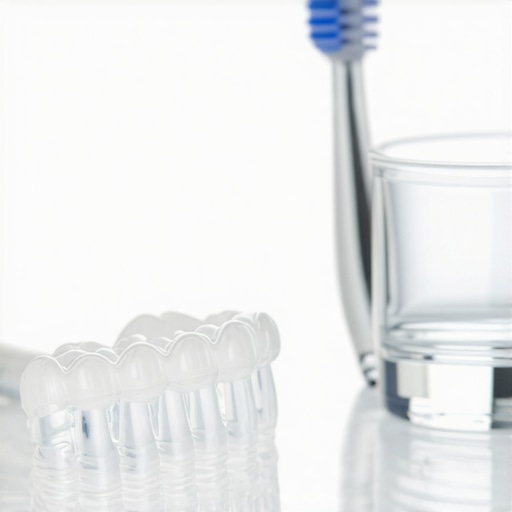
The Stealthy Trap of Hot Water Sterilization
The biggest ‘oops’ factor I see with new patients is the temptation to use boiling water for a ‘deep sterilization.’ It seems logical—heat kills germs, right? However, clear aligners are highly sensitive to temperature. Using hot water can warp the plastic even by a fraction of a millimeter, which is enough to stop your teeth from moving into their correct positions. This mistake can set your progress back by weeks. When teaching family dentistry tips to teenagers, I always emphasize that lukewarm water is the only safe option. If you are ever in doubt about the state of your aligners or if they feel like they no longer fit correctly after a cleaning mishap, it is best to contact us immediately to avoid permanent tracking issues. Mastering these teeth cleaning techniques is what separates a successful smile transformation from a frustrating dental hurdle. Have you ever accidentally ruined a pair of aligners with a ‘helpful’ cleaning hack? Let me know in the comments below!
Ditch the Manual Scrub for a Sonic Deep Clean
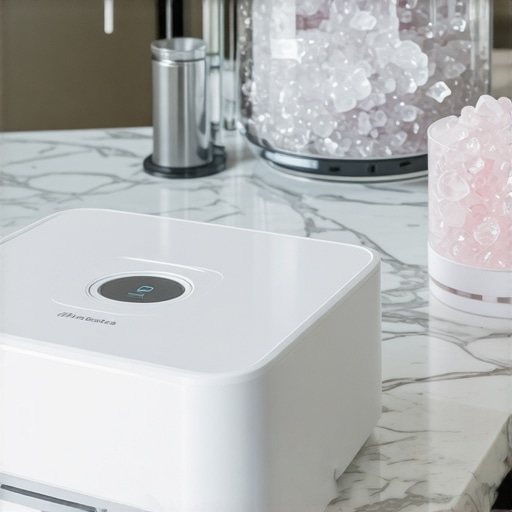
Moving beyond the basic soaps and vinegars, I eventually realized that if I wanted to treat my cosmetic investment like the high-tech medical device it is, I needed high-tech tools. I eventually pulled the trigger on a small ultrasonic cleaner, and honestly, it changed everything. These devices use high-frequency sound waves to create microscopic bubbles that implode against the surface of the plastic. This process, known as cavitation, reaches the deep ‘pores’ of the aligner where your toothbrush bristles simply cannot fit. If you are serious about [revolutionary teeth cleaning techniques](https://gentlesmiledentist.com/smile-bright-revolutionary-teeth-cleaning-techniques-for-2025), this is the single best investment you can make. It’s the difference between a tray that looks ‘mostly clean’ and one that remains truly invisible throughout the entire two-week wear cycle.
Why Ultrasonic Cavitation is Your Tray’s Best Friend
The logic here isn’t just about aesthetics; it’s about biology. A study published in the American Journal of Orthodontics and Dentofacial Orthopedics (AJODO) found that clear aligners can accumulate significant biofilm and plaque within just a few hours of wear. If you only use manual brushing, you often leave behind a microscopic layer that eventually hardens into tartar. I found that by using an ultrasonic cleaner for just five minutes while I ate dinner, my trays felt brand new every single night. This is a level of [maintaining oral health](https://gentlesmiledentist.com/maintaining-oral-health-expert-advice-for-a-lifetime-of-healthy-teeth) that gives you peace of mind, knowing you aren’t trapping harmful bacteria against your enamel. It is especially helpful for those who have invested in [enhancing confidence with cosmetic dentistry](https://gentlesmiledentist.com/enhancing-confidence-with-cosmetic-dentistry-what-to-expect) and want to protect that investment from the start.
How do I maintain my results over the next decade?
Once you finish your very last tray, the real work begins—the retention phase. I’ve seen so many people go through eighteen months of treatment only to have their teeth wander back to their original positions because they got lazy with their retainers. To avoid this, you need to understand [how to keep your teeth from shifting after wearing braces](https://gentlesmiledentist.com/how-to-keep-your-teeth-from-shifting-after-wearing-braces) or aligners. Retention is a lifetime commitment. Whether you choose a permanent wire or a removable clear retainer, the cleaning principles remain exactly the same. In fact, if you use a permanent retainer, learning [how to stop your bottom teeth from shifting as you get older](https://gentlesmiledentist.com/how-to-stop-your-bottom-teeth-from-shifting-as-you-get-older) involves specifically keeping that wire free of calculus. If you ever feel your retainer getting tight or notice a gap reappearing, do not wait—[contact us](https://gentlesmiledentist.com/contact-us) immediately to prevent a full relapse.
Get Ready for the AI Revolution in Aligner Care
I predict that within the next few years, the way we maintain our aligners will shift from manual guesswork to digital precision. We are already seeing the emergence of AI-driven dental monitoring apps where you can take a photo of your smile and your trays, and the software detects tracking issues or hygiene failures before the human eye can. As we look toward the future, these [cosmetic dentistry innovations](https://gentlesmiledentist.com/cosmetic-dentistry-innovations-you-cant-miss-this-year) will make it easier for families to manage complex treatments from home. It’s an exciting time to be on this journey, but for now, the ‘gold standard’ remains a mix of high-quality tools and daily discipline. My challenge for you this week: stop using toothpaste on your trays immediately and try a dedicated sonic cleaner or a mild liquid soap soak. You will notice the difference in clarity by day three.
What My Dentist Never Mentioned About Life with Plastic Trays
The biggest surprise for me wasn’t the pressure on my teeth; it was the ‘dry mouth’ effect. Because your teeth are sealed off, your natural saliva can’t wash away bacteria as it normally would. This makes maintaining oral health twice as hard but four times as important. I also learned that ‘tracking’—how well the tray fits—depends entirely on how clean the interior of the tray is. Even a tiny bit of buildup can prevent the tray from seating perfectly, which slows down your progress. Finally, I discovered that carrying a dedicated aligner case is non-negotiable; wrapping them in a napkin is the fastest way to accidentally throw away thousands of dollars in a restaurant trash can.
My Hand-Picked Toolkit for a Cloud-Free Smile
If I had to start my journey over, I would simplify my life by investing in these specific tools. First, a high-quality ultrasonic cleaner is a game-changer for removing that invisible biofilm. Second, I always recommend keeping clear, pH-balanced liquid soap in your travel kit for those mid-day refreshes. I also found that how regular teeth cleaning can prevent major dental issues applies just as much to your aligners as it does to your natural teeth. To avoid the frustration of old-school impressions, I prefer clinics that use digital scanners to avoid messy dental molds, as they ensure the trays fit better and stay cleaner. These small additions to your routine turn a chore into a seamless habit.
Take Control of Your Radiant New Future
Your journey through cosmetic dentistry is more than just a physical change; it’s an investment in your self-esteem and your long-term health. When you take the extra five minutes to care for your trays, you aren’t just cleaning plastic—you are protecting the vision of the person you are becoming. Don’t let a stained tray hold back your laughter or make you hide your progress. By enhancing confidence with cosmetic dentistry, you are setting the stage for a lifetime of proud, healthy smiles. If you ever feel like your trays aren’t fitting quite right or you need professional guidance on your journey, don’t hesitate to contact us for a check-in. Have you ever had a close call where you almost lost or ruined your aligners while out at a restaurant? Let me know in the comments below!