
I remember the day my toddler climbed into my lap, cheeks flushed, forehead glistening with sweat, and a tiny fist clutching her jaw. She wasn’t feeling well, and her little hands kept tugging at her gums. At that moment, I realized I was staring at her first real teething fever—an experience many parents dread. The helplessness hit hard. I tried everything—cold teething rings, gentle massages, even dismissing her fuss as just another phase, only to see her misery linger.
When Your Baby’s Discomfort Turns Into a Sleepless Night
It’s heartbreaking to see your baby in pain, and as parents, we naturally want to do something—anything—to ease their suffering. But giving medication right away isn’t always the best route. I found myself caught in a cycle of fear and uncertainty, questioning whether I was doing more harm than good. The truth is, teething fever is common, but it’s also incredibly distressing to watch your little one struggle, especially when you aren’t sure if natural methods work. That’s why I’m here—to share the *tried-and-true* strategies I discovered that helped my child stay comfortable without relying solely on medicine. If you’re stuck wondering how to help your toddler through their first teething fever, stay tuned. We’re going to explore practical, gentle ways to support them naturally—and effectively.
Is It Worth the Fuss? My Early Mistake That Almost Cost Me
In my first attempt at soothing my baby, I made the mistake of dismissing her discomfort as just a bad night. I thought she’d sleep it off; after all, I didn’t want to give her unnecessary medication. But ignoring her signs only prolonged her pain—and mine. It wasn’t until I learned about the importance of calming techniques that I realized I’d overlooked the significance of gentle comfort care during teething. Early on, I underestimated how powerful simple methods like cold compresses and distraction could be. According to the American Academy of Pediatrics, choosing natural comfort measures can minimize unnecessary medication use in teething children, which I wish I knew sooner. The good news? Small, thoughtful actions can make a big difference. And that’s exactly what I hope to share with you now—effective ways to soothe your child naturally, so both of you can find relief and get some much-needed rest.
Establish a Soothing Routine
During my first experience with my toddler’s teething fever, I learned that consistency is key. I adopted a calming nightly routine that involved gentle rocking, soft lullabies, and cuddles. These actions signal to your child that they are safe, helping to distract and comfort them. For instance, I held her close while singing her favorite song, which gradually eased her fussiness. A consistent routine reduces anxiety and makes natural soothing methods more effective.
Use Cold to Numb and Calm
Apply Cold Compresses
One of the most effective methods I used was a cold washcloth wrapped around my finger to massage her gums gently. Later, I introduced chilled teething rings—just remember to refrigerate (not freeze) them to avoid harming sensitive gums. The cold acts as a natural numbing agent, decreasing inflammation and discomfort. This approach is simple; I kept a clean, damp cloth in the fridge, ready for emergencies, leading to noticeable relief and quieter nights.
Offer Cold Foods or Liquids
Just like a soothing balm, chilled foods such as yogurt or cold apple slices can help reduce gum pain. During a particularly restless night, I offered her a cool teething cracker, which kept her occupied and provided relief. Be cautious with foods that are too tough or sugary, but incorporating these cold options can serve as a practical pain relief source. Always supervise to prevent choking, especially with little ones.
Distraction Techniques That Work
Diverting my child’s attention was crucial. I engaged her with bright toys, musical instruments, or even a simple game of peekaboo. For example, I used a brightly colored rattle that caught her eye and shifted her focus from discomfort to amusement. Distraction tools are effective because they redirect energy away from pain, giving gums a chance to calm. Keep a variety of safe toys handy, and rotate them to maintain interest.
Maintain Oral Hygiene Without Stress
Keeping your child’s mouth clean without adding to their distress can be challenging. I used a silicone finger brush to gently clean her gums after feedings—no toothpaste needed at this stage, as plain water sufficed. This gentle practice prevented bacterial buildup and established healthy habits early on. Regular, short sessions make oral care part of the routine rather than a struggle. To learn more about effective teeth cleaning techniques, visit this guide.
Monitor and Know When to Seek Help
While natural methods provide relief, it’s essential to recognize signs indicating a need for professional attention. If your child’s fever exceeds 102°F, persists beyond three days, or if they exhibit irritability, trouble breathing, or refusing fluids, consult your pediatric dentist immediately. Regular check-ups can help prevent complications associated with teething issues. For specific guidance on family dental care, refer to Family Dentistry Tips.
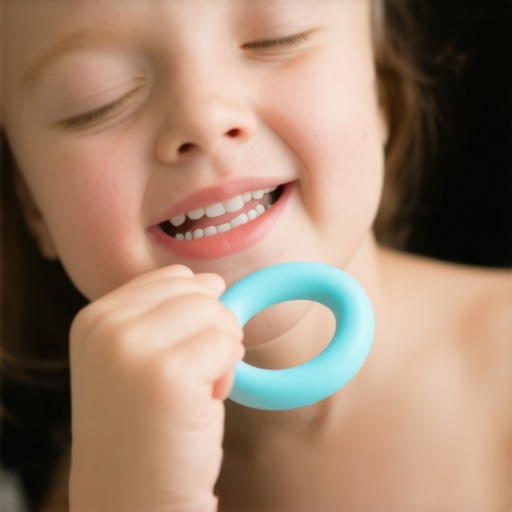 Many patients believe that achieving a perfect smile is solely about whitening or veneers, but in reality, there’s a nuanced understanding of cosmetic procedures that many overlook. One prevalent myth is that cosmetic dentistry is purely aesthetic and doesn’t impact overall oral health. In truth, procedures like crowns and veneers must be carefully planned to preserve tooth integrity and prevent future issues. Overlooking this can lead to unnecessary damage or the need for more extensive treatments later. Additionally, some assume that once they have a cosmetic adjustment, their maintenance becomes optional. However, routine family dentistry and consistent teeth cleaning are essential to prolonging aesthetic results and avoiding decay or gum disease. It’s also a common misconception that natural teeth are resilient enough to resist damage without professional guidance. Neglecting regular checkups can result in hidden decay or enamel erosion that compromises both functionality and appearance. When it comes to teeth whitening, many don’t realize that over-the-counter kits often lack the potency of professional treatments and can even harm sensitive enamel if misused. Advanced practitioners emphasize tailored whitening protocols that safeguard oral health while delivering dazzling results. Finally, an often-overlooked aspect is the importance of understanding the limitations of cosmetic procedures. For example, veneers cannot correct bite issues or underlying alignment problems. Addressing these concerns requires comprehensive family dentistry before pursuing cosmetic enhancements, ensuring your smile is both beautiful and healthy for years to come. For those interested in integrating cosmetic improvements with overall oral health, exploring how cosmetic dentistry can align with your health goals might be enlightening. Remember, achieving an optimal smile isn’t just about appearances—it’s about maintaining the foundation that keeps your teeth healthy and functional. Would you like to learn more about the hidden nuances in your dental care routine? Leave a comment or contact us to deepen your understanding.
Keeping your oral health in top shape requires more than just regular brushing and flossing; it hinges on the right tools and techniques. Over the years, I’ve refined my dental maintenance routine using specific equipment that ensures long-lasting results and minimizes future dental issues. One of my favorites is the Water Flosser. Unlike traditional floss, it utilizes a high-pressure water jet to cleanse between teeth and along the gumline effectively, reaching areas that can be challenging with manual methods. I personally recommend the Waterpik Ultra because of its adjustable pressure settings, built-in timer, and ease of use. It has significantly reduced plaque build-up and gum inflammation in my practice, making it an indispensable part of my routine.
Another critical device I rely on is the ultrasonic Tooth Cleaner, especially for harder-to-reach areas or after professional cleanings. The device emits ultrasonic vibrations that target stubborn tartar without damaging enamel, simplifying the maintenance process. Using it periodically at home enhances the longevity of your professional cleaning outcomes and reduces the risk of periodontal disease. For a comprehensive overview of effective cleaning techniques, review this guide.
How do I maintain long-term oral health through tools and routines?
In my experience, consistency combined with the right equipment makes all the difference. Incorporate a Night Guard if you grind your teeth—especially if you’re using advanced whitening treatments or cosmetic veneers—to protect your investment. I favor custom-made guards over OTC options because of their perfect fit and durability, which minimizes wear and tear on your natural teeth. Regular check-ups with your family dentist, like these tips, facilitate early detection of potential issues, saving you time and money in the long run.
Looking ahead, technological advancements such as AI-driven diagnostic tools and smart toothbrushes equipped with sensors are predicting a future where maintaining oral health becomes more personalized and proactive. Embracing these innovations now can set you apart in your oral care journey. If you’re curious about integrating cutting-edge technology into your routine, consider exploring recent cosmetic dentistry innovations.
Want to elevate your daily routine? Try using a dental ultrasonic cleaner weekly to remove plaque and strengthen your enamel. It’s an advanced step that can make a noticeable difference over time. For personalized advice on selecting the best tools for your needs, feel free to contact your dental professional.
What Nobody Tells You About Real Cosmetic Dentistry Lessons
One of the most eye-opening lessons I learned is that perfect smiles aren’t just about aesthetics; they’re deeply connected to your oral foundation. I once believed that veneers alone could fix everything, but I soon realized that aligning bite and addressing underlying health issues is crucial for longevity. This lightbulb moment taught me that comprehensive family dentistry ensures your enhancements don’t lead to future problems, saving both time and money in the long run.
Another undervalued insight came from understanding that ongoing maintenance is key. Regular home tools like ultrasonic cleaners and custom night guards aren’t optional—they’re investments in your smile’s future. I’ve seen that the smartest patients are those who see their dental routine as a vital part of overall wellness, not just periodic visits.
A Handful of Tools That Shifted My Perspective on Oral Care
My go-to resources include this guide on cosmetic dentistry, which helped me understand that beauty and health go hand-in-hand. I also trust the article on denture stability because it addresses real-world challenges with practical solutions.
For maintaining long-term health, I highly recommend adopting a routine built around expert advice. The combination of knowledge and tools empowers you to make confident decisions that support your whole family’s smile.
Step Into Your Best Smile Today—You Deserve It
Your dental health is a story you’re creating, and every choice counts. Embracing a holistic view of cosmetic dentistry and oral health opens doors to enduring confidence and well-being. Don’t wait for problems to arise—start today by considering how your daily habits and mindset influence your smile’s future. Remember, the journey to a healthier, brighter smile is ongoing, but the first step is always the most rewarding.
Have you ever hesitated before trying new oral care routines or treatments? Share your experiences below—your story could inspire someone else to take their smile to the next level.
,