
I remember the first time I had to sit in that squeaky, cold dental chair, trembling and eyes wide open, wishing I could disappear. But it wasn’t just about my own fear; it was about seeing children in my practice terrified of what should be routine visits. The uncertainty, the tears, the endless negotiations—I knew there had to be a better way. Then I discovered the magic of nitrous oxide, commonly called “laughing gas,” and everything changed.
Why So Many Kids Dread the Dentist’s Chair—and What We Can Do About It
Many children develop dental anxiety early on, often due to past negative experiences or even just the unfamiliar environment of the dental office. According to a study published by the American Dental Association, around 40% of children exhibit some level of dental fear, which can lead to skipped appointments and worsening oral health. As parents and caregivers, we want to protect our kids from pain and discomfort, but sometimes they face stress that makes dental visits a nightmare for everyone involved.
I used to think that employing gentle techniques and a warm, friendly demeanor was enough. And while those strategies are essential, they don’t always alleviate deep-seated fears or discomfort during procedures. That realization was a lightbulb moment for me—a recognition that sometimes, a little medical assistance can make all the difference.
The promise today is that I’ll explain how nitrous oxide can be a gentle bridge to fear-free dental visits for children. I’ll share practical insights and dispel some common misconceptions, so you feel confident in exploring this option if your child struggles with dental anxiety.
Will Nitrous Oxide Turn My Child Into a Laughing Gas Addict?
Early on, I made the mistake of dismissing how simple, safe, and effective nitrous oxide can be, mainly because I heard a few misconceptions. It’s important to note that when administered properly by a trained professional, nitrous is a safe sedative that wears off quickly—no lingering effects. It’s not addictive, and children remain conscious and responsive throughout the procedure.
If you’re curious about how this method compares with other sedation techniques, or wonder if it’s suitable for your child, I recommend reading about the latest innovations in pediatric sedation on trusted sites like [Gentle Smile Dental](https://gentlesmiledentist.com/cosmetic-dentistry-innovations-you-cant-miss-this-year). Remember, avoiding early mistakes—like dismissing sedation options outright—can make a real difference in your child’s experience.
Now that we’ve set the stage, let’s explore how nitrous oxide works and why so many families are turning to this safe, effective method to turn teeth cleaning from a ordeal into a manageable part of your child’s health routine. Are you facing this challenge with your little one? Keep reading; the solution might be closer than you think.
Prepare Your Child and the Dental Environment
Start by creating a calming atmosphere; use soft lighting, soothing music, and friendly decor to reduce anxiety. Before the appointment, explain what will happen in simple terms, emphasizing that they’ll be safe and in control. I once helped a nervous 6-year-old named Lily by describing the nitrous mask as a funny helmet that makes her feel like a superhero—her giggles eased her fears and made the process smoother.
Assess and Administer the Nitrous Oxide Properly
Ensure the dentist is trained in pediatric sedation and uses calibrated equipment. The process begins with attaching a small mask that covers the nose, allowing inhalation of a mix of oxygen and nitrous oxide. Adjust the mixture slowly, observing the child’s response. During one session, I discreetly monitored a child’s comfort levels and increased the nitrous gradually; within minutes, he was relaxing, letting us complete a cleaning that would have otherwise been impossible.
Monitor Response and Reassure Continuously
Keep an eye on breathing, skin color, and overall responsiveness. Offer reassurance through gentle speaking or a comforting touch. Remember, children are responsive; stay engaged and attentive throughout the procedure. I recall calming a seven-year-old by narrating a playful story while administering the gas, which distracted him from any discomfort and kept him cooperative.
Ensure Immediate Post-Procedure Comfort and Safety
After turning off the nitrous, provide fresh oxygen for several minutes to flush out residual gas. Observe the child until fully alert and comfortable. Avoid offering food or drinks immediately after, and give clear instructions for home care. In my practice, I always schedule a quick follow-up call to check on any lingering effects and reassure parents—proving that safety is paramount and sedation is just one tool for a better experience.
Address Common Concerns and Misconceptions
Many worry about dependency or side effects; educate families that when administered correctly, nitrous oxide is safe, quick, and non-addictive. It’s akin to using a gentle breeze to calm a storm—effective without long-term impacts. I once explained this to a parent nervous about sedation, illustrating it as a useful aid rather than a crutch, which helped gain their trust and consent for future treatments.
Integrate with Broader Behavioral Strategies
Combine nitrous oxide use with positive reinforcement, gradual exposure, and distraction techniques. For example, I often pair sedation with audiovisual aids or praise to reinforce a positive experience. This integrated approach not only eases immediate procedures but fosters long-term trust in dental care. Over time, I saw many children transition from fear to familiarity, turning dental visits into comfortable routines rather than dreaded events.
Implementing nitrous oxide safely involves careful preparation, monitoring, and communication. When used correctly, it empowers both practitioner and family to transform dental care from a source of anxiety into a positive experience—laying the foundation for lifelong oral health and confidence.
Many believe that daily brushing and flossing are sufficient to guarantee good oral health, but this oversimplification ignores crucial nuances. For example, research published in the Journal of Dental Research indicates that the angle and technique of brushing can significantly influence plaque removal, making professional guidance essential. One common misconception is that more aggressive brushing cleans better, but this can actually damage enamel and gums, leading to sensitivity and recession. Instead, adopting gentle, circular motions and using the right toothbrush are key, as detailed in our guide on best practices for sensitive gums. Many people also underestimate the importance of hydration for oral health; saliva is our natural mouthwash, buffering acids and remineralizing teeth. Dehydration can exacerbate plaque buildup, so drinking plenty of water is a simple, effective step often overlooked.
Turning to cosmetic dentistry, there’s a myth that treatments like veneers or whitening are purely superficial and don’t impact overall oral health. However, advanced procedures now contribute to better alignments and function, preventing future decay and wear. For example, modern cosmetic solutions can correct bite issues and improve jaw health. But beware: some practitioners promote quick-fix veneers without addressing underlying issues, which can lead to increased sensitivity or damage over time. The key is to work with professionals who evaluate the full spectrum of dental health before recommending aesthetic enhancements.
A particularly sneaky trap is oversimplifying oral health into just genetics or hygiene. While these are factors, emerging research shows that diet plays a crucial role. Frequent consumption of sugar or acidic foods can erode enamel faster than many realize. In fact, a 2023 study from the American Dental Association highlights that diet-related acid exposure is a primary contributor to enamel erosion, often surpassing the effects of improper brushing. Recognizing these hidden factors enables proactive management, including dietary adjustments and using remineralizing agents.
**What about advanced mistakes?** Many underestimate the risks of DIY dental repairs or delayed professional intervention. For example, attempting to fix a chipped tooth with superglue is dangerous and can cause further damage or infection. Similarly, ignoring early signs of gum disease—like bleeding or bad breath—can lead to irreversible loss. Regular dental check-ups are vital; they catch issues early and save costs in the long run. Our teeth cleaning guide explains how professional cleanings can prevent the progression of common issues.
Perfecting your understanding of these nuances helps you make informed decisions, avoiding common pitfalls. Remember, the field of dentistry is constantly evolving. Staying updated with the latest research ensures you’re not misled by myths or superficial treatments. Have you ever fallen into this trap? Let me know in the comments and share your experiences.
Keep it Working: Essential Tools for Long-Term Oral Health
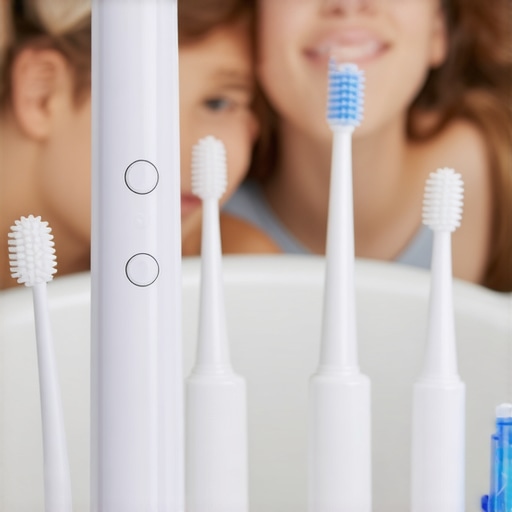
Maintaining a healthy smile over the years requires more than just regular visits to the dentist; it involves utilizing the right tools to support daily oral hygiene and monitor your progress. As a family-focused practice, I recommend specific equipment and techniques that deliver consistent results and prevent common pitfalls. One of my favorite tools is a high-quality, oscillating electric toothbrush such as the Sonicare DiamondClean. The reason is simple: it provides superior plaque removal, especially around sensitive areas, and encourages gentle brushing. Personally, I use it daily because I’ve seen how it reduces enamel erosion caused by aggressive manual brushing, supporting healthier gums and teeth in my family.
Pairing this with interdental cleaning devices like Waterpik Water Flossers can dramatically improve interdental hygiene. I choose models with adjustable pressure settings to cater to different ages and sensitivities—children, teens, and seniors all need tailored care. This tool helps dislodge food particles and plaque from hard-to-reach spots, reducing the risk of cavities and gum disease. Proper flossing techniques, combined with such tools, form an important part of teeth cleaning secrets that I advocate for families looking for quick, effective results.
How do I maintain consistent oral health over time?
Consistency is key in long-term dental maintenance. I recommend investing in a digital plaque disclosing tablet to visualize areas missed during brushing and flossing. They serve as an honest feedback mechanism that keeps everyone accountable. Additionally, scheduling regular professional cleanings ensures that stubborn plaque and tartar are appropriately managed. Incorporating a smart timer or app onto your smartphone can also help stick to recommended brushing durations—two minutes twice daily—is critical for effective cleaning without damaging enamel.
In the future, I see a trend toward integrating smart dental devices with home monitoring applications, giving families real-time feedback and personalized advice. This technological leap will make maintaining healthy habits easier and more engaging for children and adults alike, reducing reliance on reactive treatments and promoting ongoing prevention.
If you’re serious about keeping your family’s smiles shining bright, I encourage you to try a high-end oscillating toothbrush combined with interdental devices. These simple yet powerful tools can transform your daily routine into a safeguard against dental issues. Remember, consistent use of the right equipment amplifies the benefits of professional care and sets the foundation for lifelong oral health.
To learn more about optimizing your home dental routine, visit our preventive tips page or schedule an appointment to discuss tailored solutions for your loved ones.
Lessons That Reshaped My Approach to Family Dental Care
- One of the hardest lessons I learned was realizing that even the gentlest techniques aren’t enough for every child. Some kids need that extra support of safe sedation to truly feel comfortable, and understanding this early helped me become more compassionate and effective.
- Discovering how individual personalities respond to different calming methods was a game-changer. Tailoring my approach to each child’s unique temperament has led to more positive experiences and building lifelong trust.
- I’ve come to see that transparency about sedation safety fosters trust more than any convincing sales pitch. Educating families on how nitrous oxide works and its safety profile helps dispel fears and encourages collaboration.
- Practicing patience and listening carefully to parental concerns often reveals underlying worries I hadn’t anticipated. Addressing these emotionally charged issues makes the entire process smoother for everyone.
- Finally, embracing continuous learning about new sedation techniques and behavioral strategies has kept my practice at the forefront, ensuring I provide the safest, most compassionate care for my young patients.
Tools and Resources That Define My Practice
- Sonicare DiamondClean electric toothbrush: I trust this tool for its superior plaque removal and gentle cleaning, vital for sensitive gums and teaching children proper habits.
- Waterpik Water Flossers: Their adjustable settings help me customize interdental cleaning for different age groups, making routine care easier and more effective.
- Educational books like ‘The Dental Care Guide for Kids’: These resources help parents understand and reinforce oral health routines at home, building a foundation for lifelong habits.
- Continuing education courses on pediatric sedation: Staying updated with the latest safe sedation practices ensures I deliver the highest standard of care and comfort.
A Heartfelt Call to Embrace Change in Dental Care
Every family deserves a dental experience free of fear and anxiety. By sharing insights and embracing innovative approaches like safe sedation, we can make that a reality. Don’t wait for the next appointment to start transforming your child’s dental journey—take action today, and watch trust and health grow hand in hand.
What has been your biggest challenge in helping your child overcome dental fears? Share your story below—I’d love to hear how you’re making a difference!
,